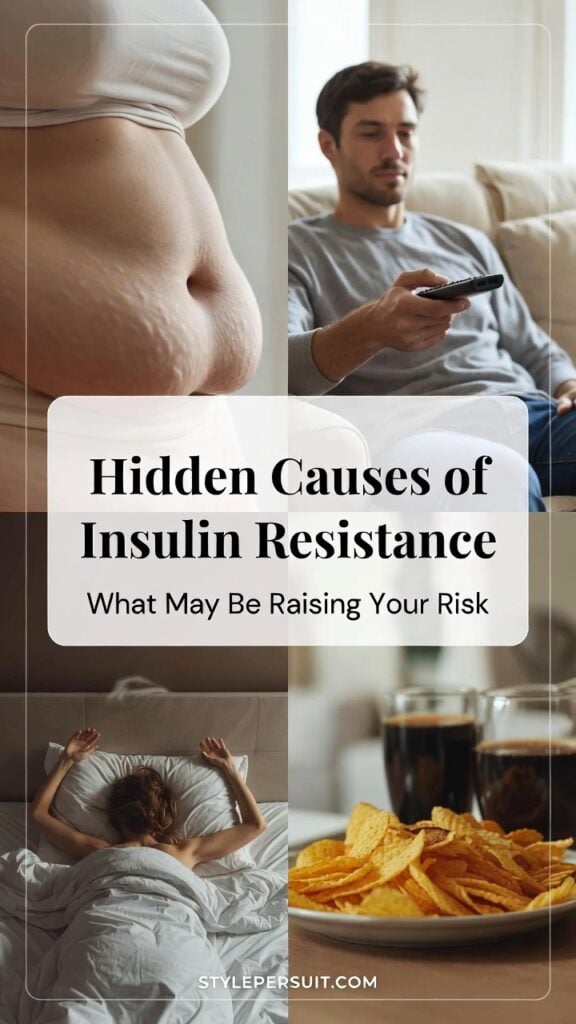
Insulin resistance can develop quietly.
You may feel completely normal while your body is producing more insulin than usual to keep your blood sugar within a healthy range.
Over time, however, the pancreas may struggle to keep up. Blood sugar can begin to rise, increasing the risk of prediabetes and eventually type 2 diabetes.
Insulin resistance does not have one single cause. It usually develops through a combination of genetics, body composition, physical activity, sleep, hormones, medical conditions, medications, and other lifestyle or environmental factors.
Having one risk factor does not automatically mean you have insulin resistance. People at any body size can develop it, and it cannot be diagnosed simply by looking at someone.
Here is what insulin resistance means, what may cause it, and what you can do to improve your insulin sensitivity.
Medical note: This article is for general education and is not a substitute for personal medical care. Speak with a qualified healthcare professional if you are concerned about your blood sugar or diabetes risk.
What Is Insulin Resistance?
Insulin is a hormone made by the pancreas.
After you eat, carbohydrates are broken down into glucose, which enters your bloodstream. Insulin helps move that glucose from your blood into your muscle, fat, and liver cells so it can be used or stored for energy.
When you have insulin resistance, those cells do not respond to insulin as effectively as they should. Your pancreas compensates by producing more insulin.
For a while, that extra insulin may keep blood sugar within a normal range. But if the resistance continues and the pancreas can no longer produce enough insulin to compensate, blood sugar rises. This may lead to prediabetes or type 2 diabetes.
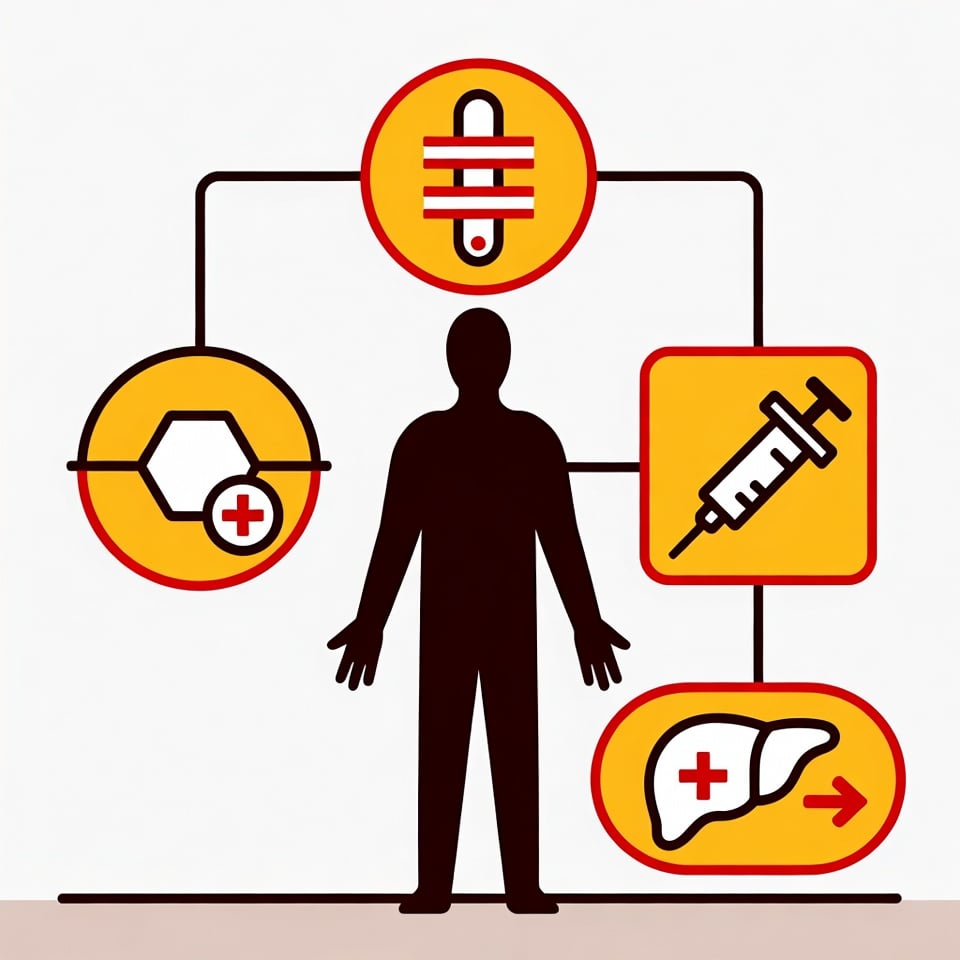
What Causes Insulin Resistance?
Researchers do not fully understand every biological process that causes insulin resistance. However, several factors are strongly associated with a greater likelihood of developing it.
1. Excess Abdominal or Visceral Fat
Having overweight, obesity, or a larger waist size is one of the most common risk factors for insulin resistance.
Fat stored deep around the abdominal organs often called visceral fat, is particularly connected with metabolic problems. Excess fat tissue may contribute to inflammation, hormonal changes, and cellular stress that make muscle, liver, and fat cells less responsive to insulin.
However, insulin resistance is not limited to people who have overweight. A person can appear slim and still develop insulin resistance because of genetics, low physical activity, poor sleep, certain medical conditions, medications, or a higher amount of internal abdominal fat.
2. Physical Inactivity
Your muscles are one of the body’s largest users of glucose.
When you regularly walk, exercise, lift weights, or perform other physical activities, your muscles become better at taking up and using glucose. Physical activity can improve insulin sensitivity and give glucose another pathway into muscle cells.
A sedentary lifestyle reduces this benefit and is a recognized risk factor for insulin resistance and prediabetes.
You do not need to become an athlete overnight. Walking, household activity, gardening, cycling, swimming, resistance training, and movement breaks during long periods of sitting can all contribute to a more active routine.
3. Genetics and Family History
Some people are naturally more likely to develop insulin resistance because of their genes.
Your genetic makeup can affect how your body stores fat, responds to insulin, regulates appetite, and manages glucose. Having a parent or sibling with type 2 diabetes increases your risk, although it does not guarantee that you will develop the condition.
Family habits may also play a role. Relatives often share eating patterns, activity levels, sleep schedules, and environmental influences in addition to genes.
4. Frequently Consuming More Energy Than Your Body Needs
Insulin resistance is not caused by one particular food.
However, regularly consuming more energy than your body uses can contribute to weight gain and fat accumulation, particularly when combined with low physical activity.
A dietary pattern dominated by sugary drinks, heavily refined carbohydrates, highly processed foods, large portions, and foods low in fiber may also make blood-sugar management more difficult. The overall pattern matters more than occasionally eating dessert or enjoying a favorite meal.
Balanced eating generally emphasizes:
- Non-starchy vegetables
- Whole fruit
- Beans and lentils
- Whole grains
- Lean or plant-based protein
- Nuts and seeds
- Unsaturated fats
- Water and unsweetened drinks
The CDC recommends a balanced pattern that includes vegetables, fruit, whole grains, and lean proteins to help manage blood sugar and reduce the amount of insulin the pancreas must release. (CDC)
5. Poor or Insufficient Sleep
Sleep is closely connected with metabolism.
Regularly sleeping too little, experiencing poor-quality sleep, working shifts, or having an untreated sleep disorder may make it harder for the body to regulate glucose.
In one NIH-supported study, women who slept about 6.2 hours per night for six weeks experienced increased insulin resistance, even without changes in body weight. The effect was greater among postmenopausal women.
Sleep apnea is also associated with a higher likelihood of insulin resistance and metabolic syndrome. Signs can include loud snoring, gasping during sleep, morning headaches, and excessive daytime sleepiness.
6. Aging
The likelihood of insulin resistance rises with age, although younger adults, teenagers, and children can develop it too.
Age-related changes in muscle mass, hormones, activity level, and body-fat distribution may all contribute. NIDDK lists being age 35 or older as one factor that increases the likelihood of insulin resistance or prediabetes.
The increased risk with age does not make insulin resistance inevitable. Staying active, preserving muscle, sleeping well, and receiving appropriate screening remain important throughout adulthood.
7. Polycystic Ovary Syndrome
Polycystic ovary syndrome, commonly called PCOS, is closely associated with insulin resistance.
PCOS is a hormonal condition that may cause irregular periods, difficulty ovulating, excess facial or body hair, acne, and fertility problems. Many people with PCOS also have higher insulin levels or reduced insulin sensitivity.
The relationship can become a cycle: insulin resistance may worsen hormonal imbalance, while hormonal and metabolic changes connected with PCOS may make insulin resistance more likely. NIDDK identifies PCOS as one of the medical conditions linked with increased risk.
Not everyone with PCOS has overweight, and insulin resistance may occur even when body weight appears normal.
8. Pregnancy and Gestational Diabetes
Pregnancy naturally causes changes in insulin sensitivity, particularly later in pregnancy.
These changes help ensure that enough glucose remains available for the growing baby. The pancreas usually responds by producing additional insulin. When it cannot produce enough, gestational diabetes may develop.
A history of gestational diabetes or delivering a baby weighing nine pounds or more is associated with an increased future risk of insulin resistance, prediabetes, and type 2 diabetes.
People with a history of gestational diabetes should discuss long-term blood-sugar screening with their healthcare provider, even if their blood sugar returned to normal after pregnancy.
9. Certain Medications
Some medications can affect appetite, body weight, glucose production, or the way cells respond to insulin.
Medicines associated with increased risk include:
- Long-term glucocorticoids or steroid medicines
- Some antipsychotic medicines
- Certain HIV treatments
- Some medicines used for mood or immune conditions
NIDDK lists glucocorticoids, certain antipsychotics, and some HIV medicines among medications that may increase the likelihood of insulin resistance or prediabetes.
Never stop a prescribed medicine without medical advice. Your clinician may monitor your blood sugar, change the dose, choose another medication, or recommend steps to manage the risk.
10. Hormonal and Endocrine Conditions
Some conditions that affect hormone production can interfere with insulin sensitivity.
Examples include:
- Cushing’s syndrome
- Acromegaly
- PCOS
- Hormonal changes associated with pregnancy
- Hormonal changes following menopause
NIDDK identifies Cushing’s syndrome and acromegaly among conditions connected with increased insulin-resistance risk. Hormonal changes after menopause may also contribute to abdominal fat accumulation and higher blood sugar. (NIDDK)
These conditions require professional evaluation and cannot be diagnosed from symptoms alone.
11. Smoking
Smoking, vaping, and exposure to secondhand smoke are associated with an increased likelihood of insulin resistance and prediabetes.
Tobacco exposure may contribute to inflammation, damage blood vessels, affect body-fat distribution, and make blood-sugar regulation more difficult. NIDDK includes smoking, e-cigarette use, and secondhand-smoke exposure among risk factors. (NIDDK)
Stopping smoking benefits blood vessels, heart health, lungs, and overall diabetes risk. Support from a healthcare professional or structured cessation program can make quitting more manageable.
12. Chronic Stress and Disrupted Daily Rhythms
Stress does not automatically cause insulin resistance, but long-term stress may influence sleep, appetite, activity, and hormones involved in blood-sugar regulation.
People under chronic stress may sleep less, move less, rely more heavily on convenience foods, or gain weight around the abdomen.
Shift work can also disturb the body’s circadian rhythm. NHLBI notes that shift workers have an increased risk of metabolic syndrome because their internal body clock may not align with their work and eating schedule. (NHLBI, NIH)
Stress management will not replace medical treatment, but sleep routines, physical activity, relaxation techniques, social support, and professional mental-health care may support overall metabolic health.
Can You Have Insulin Resistance Without Being Overweight?
Yes.
Overweight and abdominal fat are important risk factors, but they are not requirements. Genetics, family history, low muscle mass, inactivity, PCOS, sleep disorders, medications, aging, smoking, and other medical conditions can contribute regardless of appearance.
The CDC specifically notes that you cannot determine whether someone has insulin resistance simply by looking at them. (CDC)
This is why risk assessment and appropriate blood testing are more useful than assumptions based on body size.
Does Eating Sugar Cause Insulin Resistance?
Sugar alone is not the only cause of insulin resistance.
The body can normally process carbohydrates with the help of insulin. Problems are more likely to develop when several factors occur together, such as genetics, excess calorie intake, weight gain, low physical activity, poor sleep, and a dietary pattern high in sugary drinks and highly processed foods.
Frequently drinking sugar-sweetened beverages can make it easy to consume large amounts of sugar and calories without feeling full. However, occasional sweets do not automatically cause insulin resistance.
It is more useful to examine your overall eating pattern than to label one food as the single cause.
What Are the Signs of Insulin Resistance?
Insulin resistance and prediabetes usually have no obvious symptoms. Many people discover a problem only after routine blood testing. (NIDDK)
Possible signs associated with worsening blood-sugar control or related metabolic problems may include:
- Increased thirst
- Frequent urination
- Unusual fatigue
- Blurry vision
- Slow-healing wounds
- Increased hunger
- Tingling in the hands or feet
- Dark, thickened skin around the neck, armpits, or groin
- A larger waist measurement
- High triglycerides
- Low HDL cholesterol
- High blood pressure
These signs do not prove that you have insulin resistance. Many have other possible causes, so medical testing is important.
How Is Insulin Resistance Diagnosed?
There is no standard routine blood test used specifically to diagnose insulin resistance. Direct insulin-resistance testing is used mainly in research. Instead, healthcare professionals commonly check for prediabetes and related metabolic changes. (NIDDK)
Common blood tests include:
A1C test
An A1C estimates average blood glucose over approximately three months. An A1C from 5.7% to 6.4% falls within the prediabetes range. (NIDDK)
Fasting plasma glucose
This measures blood glucose after fasting. A result from 100 to 125 mg/dL is within the prediabetes range. (NIDDK)
Oral glucose tolerance test
This checks how the body processes glucose after drinking a measured glucose solution. A two-hour result from 140 to 199 mg/dL is within the prediabetes range. (NIDDK)
A clinician may also check:
- Triglycerides
- HDL and LDL cholesterol
- Blood pressure
- Waist measurement
- Liver health
- Medical and family history
A normal fasting glucose result does not always tell the whole story. Your healthcare professional can decide which tests are appropriate based on your individual risk.
Can Insulin Resistance Be Improved?
In many cases, insulin sensitivity can improve significantly.
Helpful steps may include:
Move More Often
Both aerobic exercise and resistance training can help muscles use glucose more effectively. Even regular walking and breaking up long periods of sitting can be beneficial. (CDC)
Build and Preserve Muscle
Muscle tissue uses glucose for energy. Strength exercises such as squats, resistance-band movements, lifting weights, or body-weight exercises may support glucose control.
Beginner-friendly option: Check resistance bands on Amazon.
Eat Balanced Meals
Build meals around vegetables, fiber-rich carbohydrates, protein, and healthy fats. This may help with fullness and produce a steadier blood-sugar response than meals dominated by refined carbohydrates.
Improve Sleep
Aim for a consistent sleep schedule and seek medical advice if you snore loudly, stop breathing during sleep, or remain exhausted despite spending enough time in bed.
Manage Weight When Appropriate
For people with overweight or obesity who are at high risk of diabetes, losing approximately 5% to 7% of starting body weight helped reduce diabetes risk in the NIH-funded Diabetes Prevention Program. (NIDDK)
Weight loss is not the only helpful strategy, and it may not be necessary or appropriate for everyone. Focus on sustainable habits rather than extreme dieting.
Follow Your Treatment Plan
Some people may need medication alongside lifestyle changes. Metformin may be recommended for certain people with prediabetes, particularly those at higher risk. Medication decisions should be made with a healthcare professional. (NIDDK)
When Should You Speak With a Doctor?
Consider making an appointment if you:
- Have a family history of type 2 diabetes
- Previously had gestational diabetes
- Have PCOS
- Have high blood pressure or abnormal cholesterol
- Have a larger waist size
- Are physically inactive
- Have symptoms of high blood sugar
- Take medication that may affect blood glucose
- Have sleep apnea
- Have been told that your blood sugar is borderline
- Are age 35 or older and have additional risk factors
Seek prompt medical help if you experience severe thirst, very frequent urination, vomiting, confusion, rapid breathing, extreme weakness, or unexplained weight loss.
Frequently Asked Questions
What is the main cause of insulin resistance?
There is no single main cause for everyone. Insulin resistance usually results from a combination of genetic susceptibility, abdominal fat, inactivity, aging, poor sleep, medical conditions, medications, and environmental or lifestyle factors.
Can stress cause insulin resistance?
Chronic stress may contribute indirectly through stress hormones, sleep disruption, reduced physical activity, appetite changes, and weight gain. It is usually one part of a larger picture rather than the only cause.
Can lack of sleep cause insulin resistance?
Regular sleep restriction may reduce insulin sensitivity. Research supported by NHLBI found increased insulin resistance after several weeks of insufficient sleep in women, independent of weight change. (NHLBI, NIH)
Can a thin person have insulin resistance?
Yes. Body size alone cannot confirm or rule out insulin resistance.
Is insulin resistance the same as diabetes?
No. Insulin resistance means the body is not responding effectively to insulin. Diabetes occurs when blood glucose reaches the diagnostic range. A person may have insulin resistance for years before developing prediabetes or diabetes.
Is prediabetes reversible?
Blood sugar can return below the prediabetes range for some people through sustainable lifestyle changes, weight management when appropriate, and sometimes medication. Continued follow-up remains important because the underlying risk may still be present. (NIDDK)
What foods make insulin resistance worse?
No food causes insulin resistance by itself. However, a long-term pattern high in sugary drinks, refined carbohydrates, oversized portions, and highly processed foods may contribute, especially when combined with low activity and excess calorie intake.
What is the best exercise for insulin resistance?
Walking, cycling, swimming, resistance training, and other activities can all help. The best option is one that is safe, sustainable, and performed regularly. Combining aerobic movement with strength training is often practical.
Final Thoughts
Insulin resistance develops when muscle, fat, and liver cells stop responding properly to insulin.
It may be influenced by abdominal fat, physical inactivity, genetics, age, poor sleep, PCOS, pregnancy, medications, hormonal conditions, smoking, stress, and disrupted daily routines.
It is not a personal failure, and it is not always visible from the outside.
Because insulin resistance often causes no symptoms, appropriate screening matters, especially if you have a family history of diabetes, PCOS, previous gestational diabetes, abnormal cholesterol, high blood pressure, or other risk factors.
Small, consistent changes in movement, food choices, sleep, smoking habits, and medical follow-up can improve insulin sensitivity and help lower the risk of progressing to type 2 diabetes.