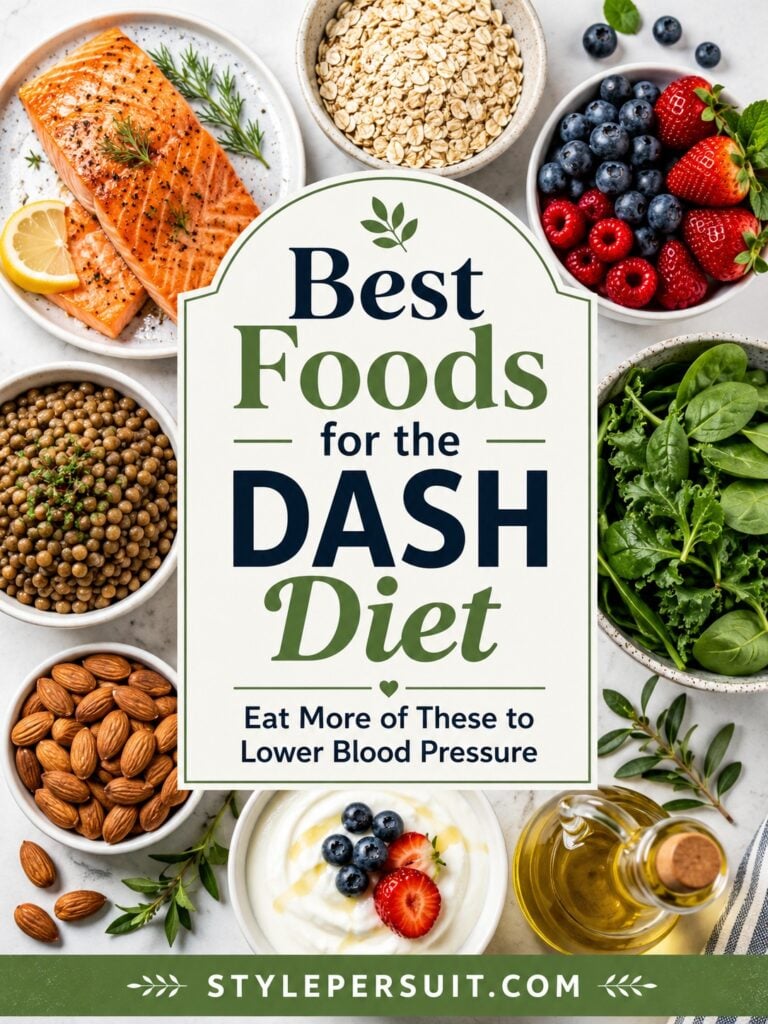
The DASH diet is one of the most consistently recommended eating plans in evidence-based nutrition, not because it is trendy, but because decades of clinical research support its effectiveness for lowering blood pressure, reducing cardiovascular risk, and promoting overall health.
DASH stands for Dietary Approaches to Stop Hypertension. It was originally developed and studied by the National Heart, Lung, and Blood Institute as a dietary intervention for high blood pressure, and it remains one of the most clinically validated eating patterns available. It has also been ranked as one of the top overall diets by U.S. News and World Report for multiple consecutive years based on its nutritional completeness, sustainability, and evidence base.
This guide explains exactly what the DASH diet involves, what you eat and limit, what the research shows it can do, and how to begin without overhauling your entire kitchen overnight.
Medical note: The DASH diet was developed as a dietary strategy for managing blood pressure and cardiovascular risk. If you have hypertension, kidney disease, diabetes, or any other condition that affects your dietary needs, speak with your doctor or a registered dietitian before making significant changes to your eating pattern. This article is informational and is not a substitute for personalized medical nutrition advice.
What Is the DASH Diet?
The DASH diet is a whole-food, plant-forward eating pattern that emphasizes fruits, vegetables, whole grains, lean protein, and low-fat dairy while limiting sodium, saturated fat, added sugars, and red meat.
It is not a restrictive elimination diet. There are no forbidden foods in the absolute sense. The approach is built around eating more of the foods that have been shown to support cardiovascular health and eating less of those that raise blood pressure and inflammatory markers.
The original DASH study, published in the New England Journal of Medicine in 1997, showed that participants who followed the dietary pattern experienced clinically meaningful reductions in blood pressure within two weeks, even without reducing sodium intake separately.
Subsequent research has confirmed and expanded these findings across a wide range of populations.
What Does the DASH Diet Do?
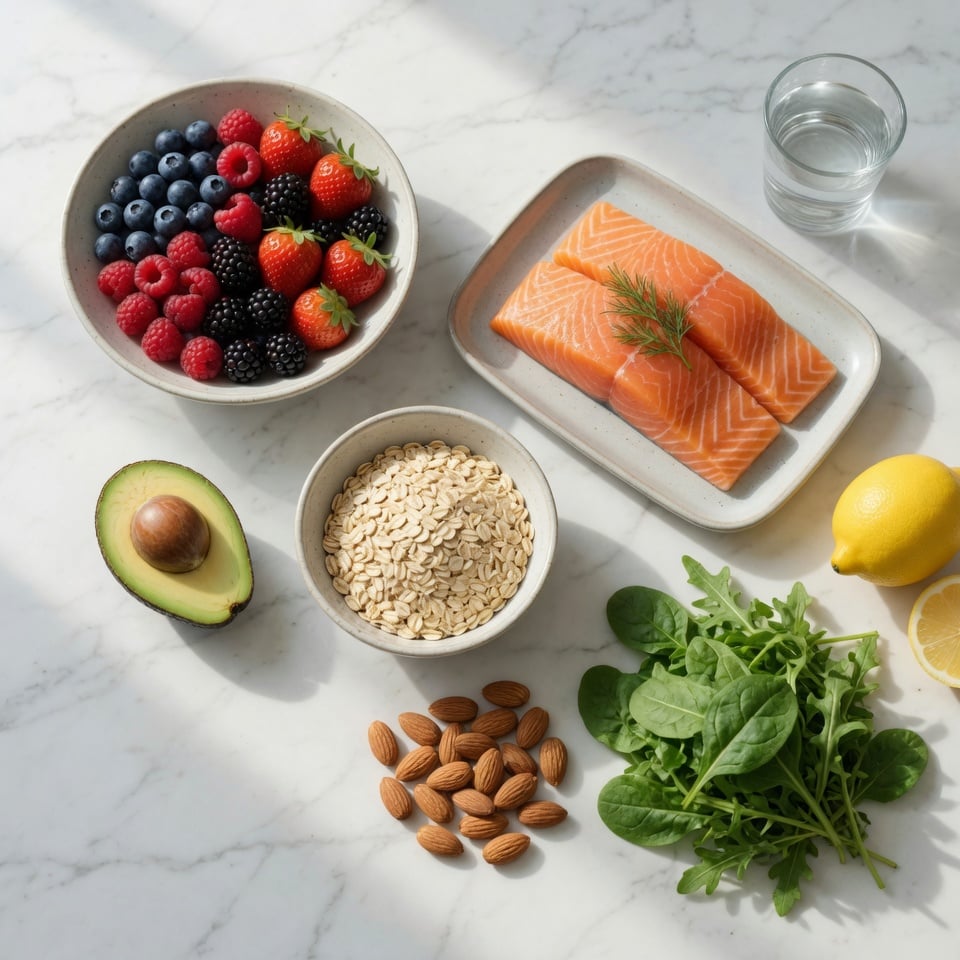
Lowers blood pressure: The most well-established benefit. The combination of increased potassium, magnesium, calcium, and dietary fiber alongside reduced sodium has a direct effect on blood pressure regulation. The NHLBI reports that the DASH diet can reduce systolic blood pressure by 8 to 14 points in people with hypertension.
Reduces cardiovascular risk: Lower blood pressure, reduced LDL cholesterol, and reduced inflammation contribute to a meaningfully lower risk of heart disease and stroke over time.
Supports weight management: The DASH diet is naturally lower in calorie-dense processed foods and higher in fiber-rich whole foods that support satiety. Many people lose weight while following it without explicit calorie counting, though it is not primarily a weight loss diet.
Improves blood sugar control: The reduced intake of refined carbohydrates and added sugars combined with the high fiber content supports more stable blood sugar levels, which is relevant for people managing or at risk of type 2 diabetes.
Reduces kidney stone risk: The dietary pattern reduces urinary calcium excretion and uric acid levels, which lowers the risk of common kidney stone types.
What You Eat on the DASH Diet
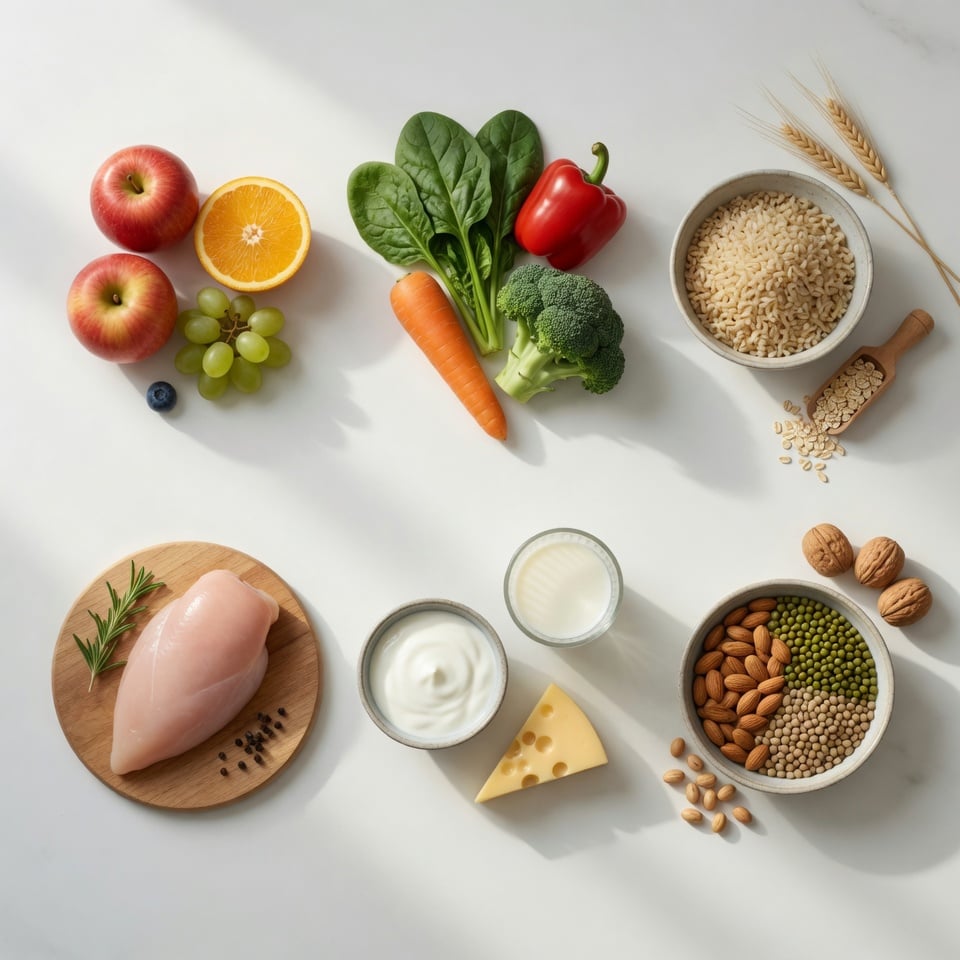
The DASH diet is structured around daily and weekly servings of different food groups. The following is based on a 2,000 calorie reference diet, your specific needs may differ.
Fruits: 4 to 5 servings per day One serving is a medium piece of fruit, half a cup of fresh or frozen fruit, or a quarter cup of dried fruit. Prioritize a variety of colors and types. Fruits contribute potassium, magnesium, and fiber, all of which support blood pressure regulation.
Vegetables: 4 to 5 servings per day One serving is a cup of raw leafy vegetables or half a cup of cooked vegetables. Leafy greens, broccoli, carrots, sweet potatoes, bell peppers, tomatoes, and cruciferous vegetables are all excellent choices. Vegetables are among the highest-priority food groups in the DASH pattern.
Whole grains: 6 to 8 servings per day One serving is a slice of whole grain bread, half a cup of cooked oatmeal, brown rice, or quinoa, or an ounce of whole grain cereal. Whole grains provide fiber, B vitamins, and magnesium.
Low-fat or fat-free dairy: 2 to 3 servings per day One serving is a cup of milk or yogurt, or one and a half ounces of cheese. Dairy contributes calcium and vitamin D, which are important for blood pressure regulation. Choose low-fat versions to limit saturated fat intake.
Lean protein: 6 or fewer servings per day One serving is one ounce of cooked meat, poultry, or fish, or one egg. Emphasis is on fish (particularly fatty fish high in omega-3s like salmon, mackerel, and sardines), skinless poultry, and plant proteins. Red meat is limited to a few times per week.
Nuts, seeds, and legumes: 4 to 5 servings per week One serving is one third of a cup of nuts, two tablespoons of nut butter, two tablespoons of seeds, or half a cup of cooked beans or lentils. These provide protein, fiber, healthy fats, magnesium, and potassium.
Fats and oils: 2 to 3 servings per day One serving is a teaspoon of vegetable oil, a tablespoon of mayonnaise, or two tablespoons of salad dressing. Choose unsaturated fats including olive oil, avocado oil, and canola oil.
Sweets and added sugars: 5 or fewer servings per week One serving is a tablespoon of sugar, a cup of lemonade, or half a cup of sorbet. Sweets are not banned but are significantly limited. When you do have sweets, low-fat options are preferred.
The Most Important Rule: Sodium
The standard DASH diet limits sodium to 2,300 mg per day, which is the general population recommendation from the Dietary Guidelines for Americans.
The lower sodium version of the DASH diet often called DASH-Sodium limits intake to 1,500 mg per day and produces even greater blood pressure reductions, particularly for people who already have hypertension or are sodium-sensitive.
For context, most Americans consume 3,400 mg or more of sodium daily. The largest sources are not the salt shaker at the table but processed and packaged foods, restaurant meals, canned goods, deli meats, bread, and condiments.
Reading nutrition labels and choosing low-sodium versions of packaged foods is the most practical way to reduce sodium intake without measuring every meal.
Shop Low Sodium Cookbook on Amazon
What to Limit on the DASH Diet
Sodium — as discussed above. This is the primary dietary target.
Saturated fat — found in full-fat dairy, fatty cuts of red meat, butter, and tropical oils. Limit to less than 6 percent of total calories.
Added sugars — in sugary beverages, sweets, sweetened cereals, and processed foods. These add calories without nutritional value and increase cardiovascular risk.
Red meat and processed meat — beef, pork, lamb, sausage, bacon, and deli meats are not forbidden but are limited to no more than a few servings per week. Processed meats are particularly high in sodium.
Alcohol — moderate alcohol consumption is not explicitly prohibited, but excessive intake raises blood pressure and adds empty calories. Current guidance suggests no more than one drink per day for women and two for men.
A Sample Day on the DASH Diet
Breakfast: Oatmeal made with low-fat milk, topped with fresh blueberries, a sprinkle of ground flaxseed, and a handful of walnuts. A glass of orange juice or a whole orange alongside.
Lunch: Large mixed green salad with sliced grilled chicken breast, cherry tomatoes, cucumber, avocado, chickpeas, and a drizzle of olive oil and lemon juice dressing. One slice of whole grain bread.
Afternoon snack: A small handful of unsalted almonds and a piece of fruit.
Dinner: Baked salmon with roasted sweet potato, steamed broccoli with garlic, and a side of brown rice or quinoa. A small cup of low-fat yogurt for dessert.
Evening snack (if needed): Fresh fruit or a small amount of low-fat yogurt.
How to Start the DASH Diet Without Overwhelming Yourself
The most sustainable approach to starting the DASH diet is gradual transition rather than overnight overhaul.
Week 1: Add one extra serving of vegetables to one meal each day. Swap white bread and white rice for whole grain versions.
Week 2: Replace one sugary beverage daily with water, sparkling water, or unsweetened tea. Add a fruit serving to breakfast.
Week 3: Start reading sodium labels on packaged foods and begin choosing lower-sodium versions of staples like canned tomatoes, soups, and condiments.
Week 4: Replace one red meat meal per week with fish, beans, or legumes.
Each small change reduces blood pressure, cardiovascular risk, and inflammatory load. The cumulative effect of consistent changes is more powerful than a dramatic short-term commitment that does not last.
Shop DASH Diet Meal Prep Containers on Amazon
Shop DASH Diet Food Scale on Amazon
DASH Diet vs. Other Popular Diets
DASH vs. Mediterranean diet: Both are plant-forward and evidence-based. The Mediterranean diet places more emphasis on healthy fats (olive oil, nuts, fish) and is less specific about dairy. DASH is more prescriptive about sodium and dairy servings. The two patterns overlap significantly and are often described as the most similar of the major evidence-based diets.
DASH vs. low-carb or keto: DASH includes whole grains and legumes as significant food groups, which are restricted on low-carb and ketogenic diets. DASH is not designed for rapid weight loss but for long-term cardiovascular health and sustainability. For people primarily managing hypertension rather than pursuing rapid weight loss, DASH has stronger clinical evidence.
DASH vs. low-fat diet: DASH does not restrict all fat, it limits saturated fat while allowing and encouraging unsaturated fats from olive oil, nuts, seeds, and fish. This is consistent with current evidence on dietary fat and cardiovascular health.
Frequently Asked Questions
How quickly does the DASH diet lower blood pressure?
Clinical studies show meaningful blood pressure reductions within two weeks of following the DASH eating pattern. Greater reductions occur when sodium intake is also lowered, particularly to the 1,500 mg per day target.
Can you lose weight on the DASH diet?
Yes, many people lose weight on the DASH diet because it naturally reduces intake of processed, calorie-dense foods while increasing fiber-rich whole foods that support satiety. However, the diet is not specifically designed for weight loss, and calorie intake still matters for weight management.
Is the DASH diet hard to follow?
The DASH diet does not eliminate any food group entirely, which makes it more sustainable than more restrictive diets. The primary adjustment for most people is reducing sodium, which requires more label-reading and less reliance on processed foods. The gradual transition approach described above makes it significantly more manageable.
Can you do the DASH diet if you are vegetarian or vegan?
Yes. The DASH diet is highly adaptable to vegetarian and vegan eating. Plant proteins from beans, lentils, nuts, and seeds, along with plant-based dairy alternatives fortified with calcium and vitamin D, can replace the animal-derived foods in the standard version.
Does the DASH diet restrict calories?
The DASH diet does not prescribe a specific calorie limit. Serving sizes and total food intake can be adjusted to meet individual calorie needs. The standard framework is based on a 2,000-calorie reference intake.
Is the DASH diet good for diabetes?
The DASH diet’s emphasis on whole grains, vegetables, legumes, and reduced added sugars supports blood sugar management and is often recommended alongside diabetes management. However, people with diabetes should work with a registered dietitian to adapt the plan to their specific needs, particularly regarding carbohydrate intake.
What are the best foods to eat on the DASH diet?
Leafy greens, berries, salmon and fatty fish, whole grains including oats and quinoa, legumes including lentils and chickpeas, low-fat dairy, nuts and seeds, and olive oil are among the highest-value foods in the DASH pattern. These provide the potassium, magnesium, calcium, fiber, and healthy fat that drive the diet’s cardiovascular benefits.
Final Thoughts
The DASH diet’s enduring strength is its evidence base and its sustainability.
It does not require exotic ingredients, expensive supplements, or dramatic restriction. It requires eating more vegetables, fruits, whole grains, and lean protein, reducing sodium and processed foods, and maintaining those habits consistently over time.
The blood pressure and cardiovascular benefits are clinically established. The practical challenge is sodium reduction, which requires more attention to packaged food labels and restaurant meals than most people initially expect.
Starting gradually — one change per week rather than everything at once, produces the most lasting results. The DASH diet works because it is built for the long run.
Shop DASH Diet Beginner Guide Book on Amazon