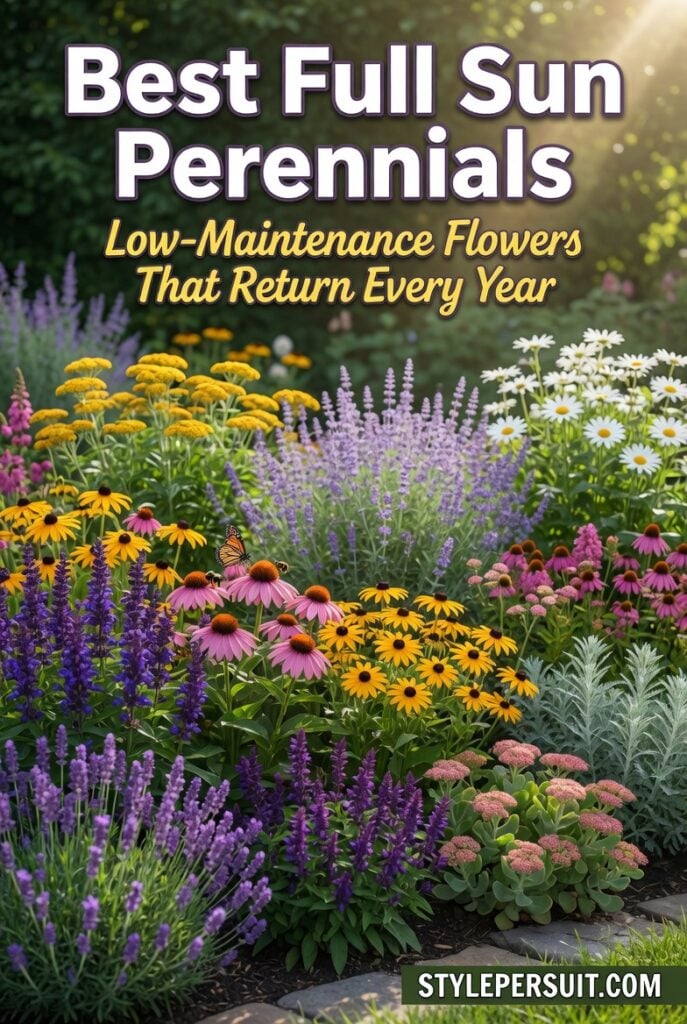
If you want a garden that comes back beautifully every year without replanting everything from scratch, perennials are your best friend.
Unlike annuals, which usually last one growing season, perennial flowers and plants return year after year when grown in the right conditions. Some bloom in spring.
Others shine in summer or fall. Some are grown for colorful flowers, while others are loved for their foliage, texture, or ability to fill empty garden spaces.
The best part? Once perennials are established, many of them become easier to care for over time. You still need to water, mulch, divide, prune, or tidy them occasionally, but you do not have to start over every season.
Whether you are building a flower bed, refreshing your front yard, filling a sunny border, or adding color around a walkway, these perennial plants can help you create a garden that feels full, beautiful, and reliable year after year.
1. Daylilies
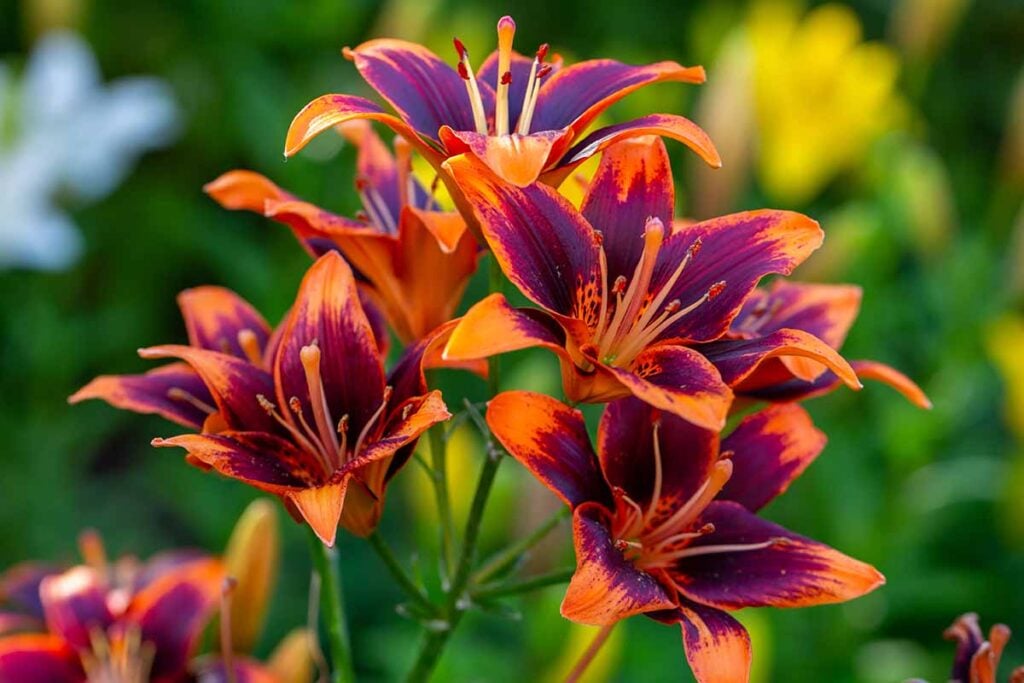
Daylilies are one of the easiest perennial flowers for beginners because they are tough, colorful, and forgiving. They come in shades of yellow, orange, red, pink, purple, cream, and peach, so they can fit almost any garden style.
They work beautifully along fences, walkways, driveways, and sunny flower beds. Once established, daylilies can handle heat, poor soil, and occasional neglect better than many other flowering plants.
Each flower only lasts about a day, but the plant produces many buds, so the display can continue for weeks. Divide clumps every few years if they become crowded.
2. Coneflowers
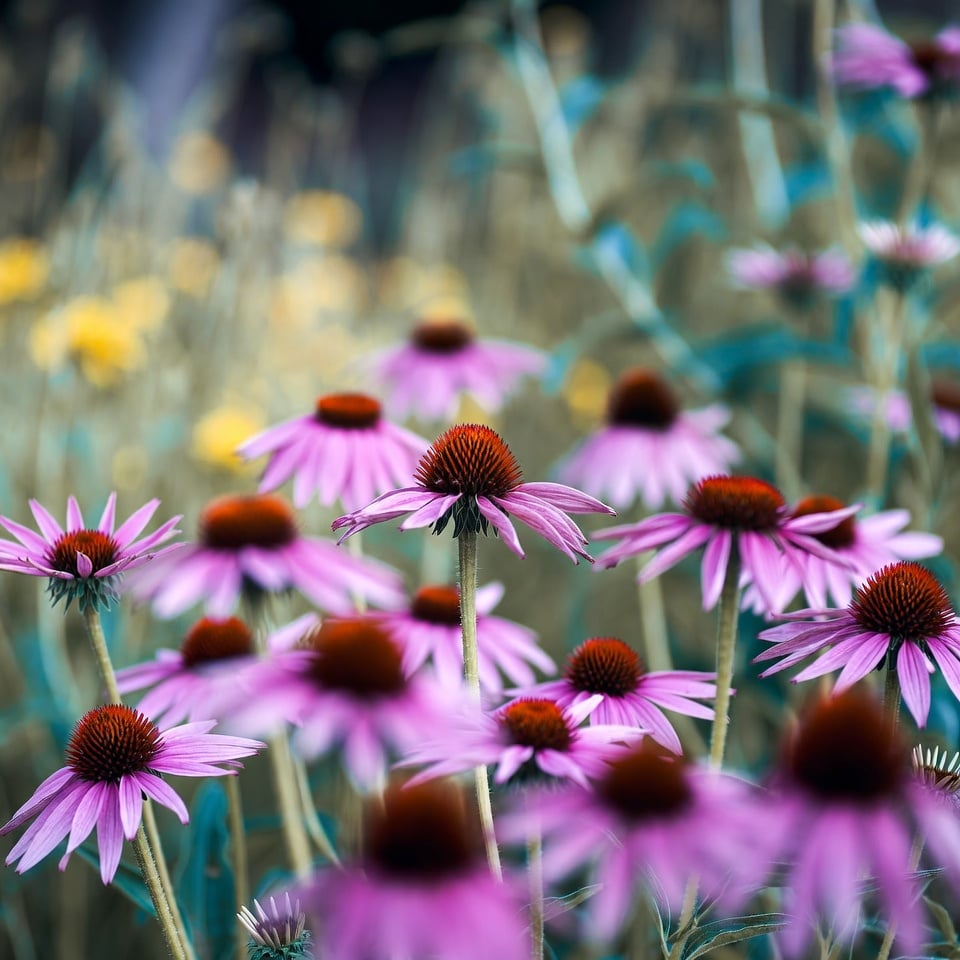
Coneflowers, also called echinacea, are classic perennial flowers that bring a wildflower look to the garden. They usually bloom in summer and attract bees, butterflies, and other pollinators.
Purple coneflowers are the most familiar, but you can also find varieties in white, orange, pink, red, yellow, and green.
Coneflowers love full sun and well-draining soil. They are drought-tolerant once established, which makes them a good choice for low-maintenance gardens.
They look beautiful in cottage gardens, pollinator gardens, sunny borders, and natural-style landscaping.
Helpful option: Check price on Amazon
3. Black-Eyed Susans
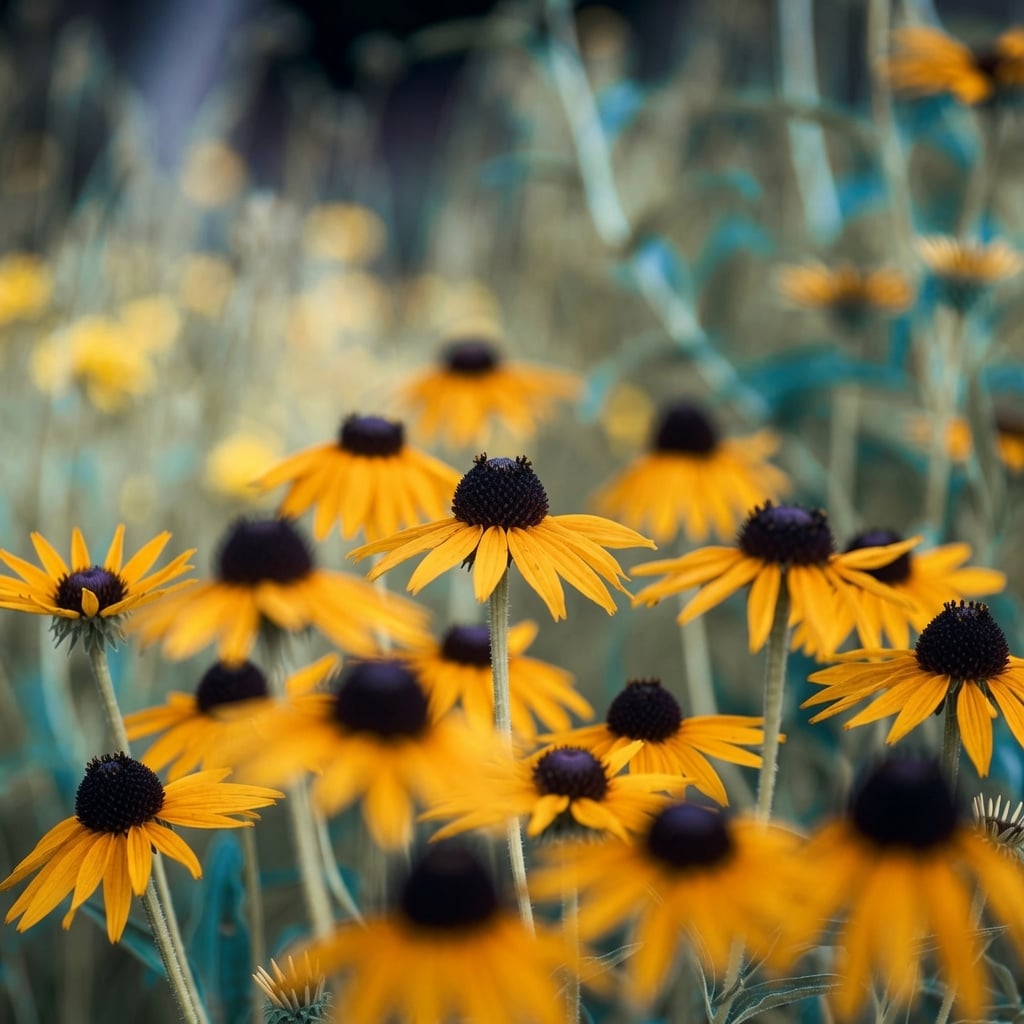
Black-eyed Susans are cheerful yellow perennials with dark centers. They bring bright late-summer color and look especially pretty planted in groups.
These flowers are great for sunny gardens, pollinator beds, cottage-style borders, and wildflower-inspired spaces. They pair beautifully with ornamental grasses, coneflowers, salvia, and Russian sage.
Black-eyed Susans are easy to grow and can spread over time, giving you more flowers each year. Deadheading can encourage more blooms, but you can also leave some seed heads for birds.
4. Hostas
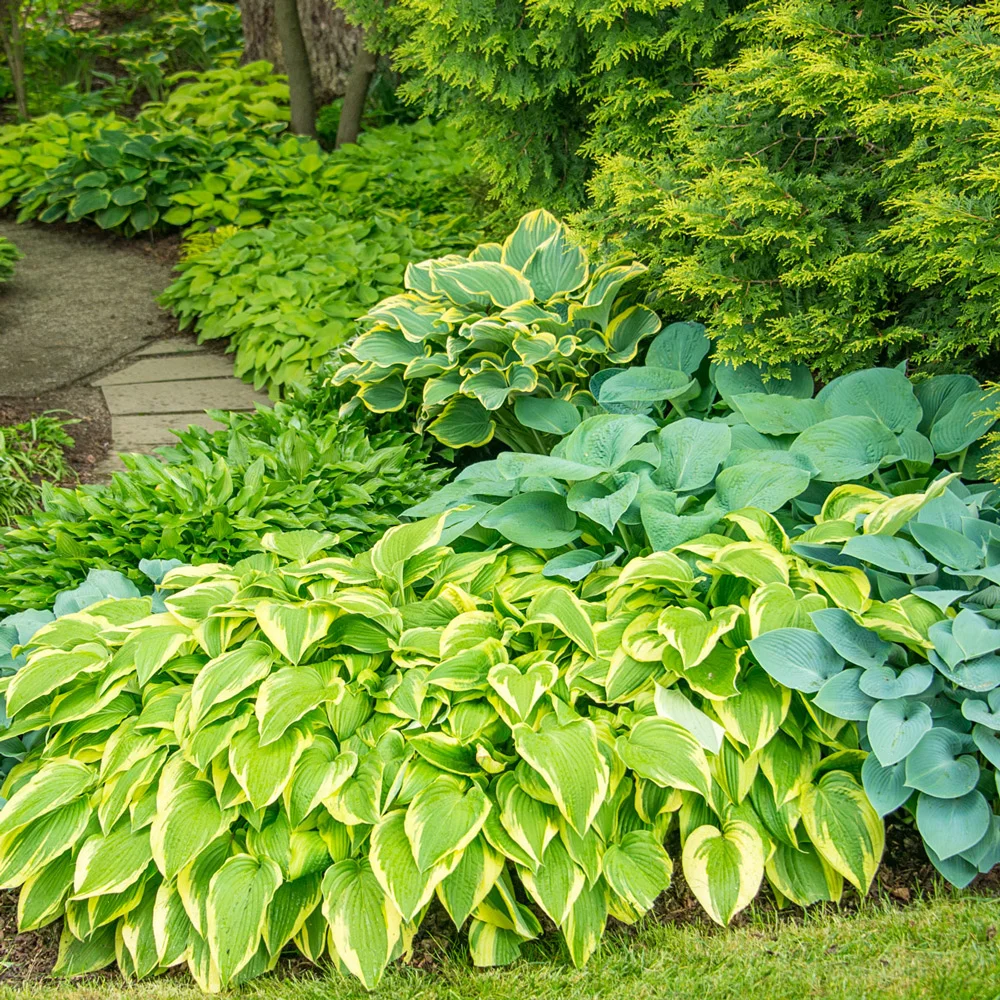
If you have shade, hostas are one of the best perennial plants to grow. They are loved for their lush foliage rather than flowers, although many varieties produce tall flower spikes in summer.
Hostas come in many colors and leaf patterns, including blue-green, lime green, deep green, cream-edged, and variegated styles.
They work well under trees, along shaded paths, around porches, and in woodland-style gardens. Keep them watered during dry spells, and watch for slugs if your area has them.
For shade gardens: View options on Amazon
5. Lavender
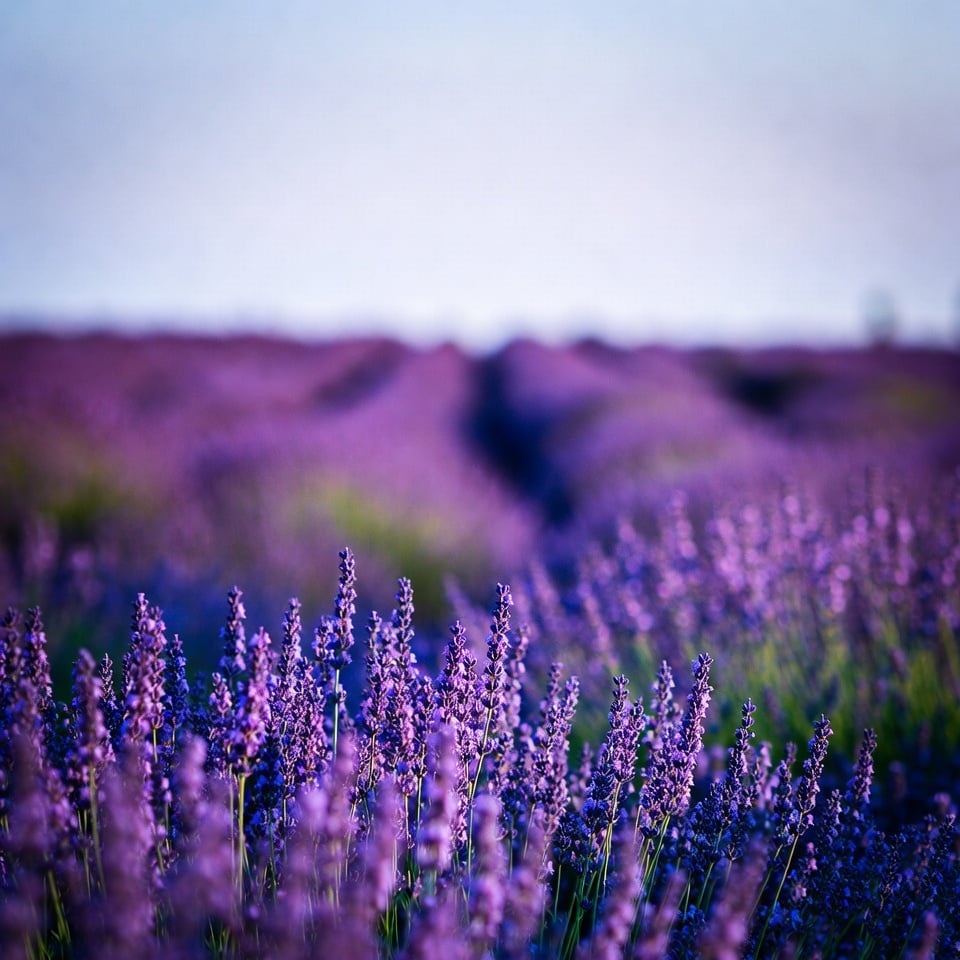
Lavender is a beautiful perennial herb with fragrant purple flowers and silvery-green foliage. It is perfect for sunny borders, herb gardens, cottage gardens, and front yard landscaping.
Lavender loves full sun and well-draining soil. It does not like wet feet, so avoid planting it in soggy areas. Once established, it is fairly drought-tolerant and low-maintenance.
Use lavender along walkways, near patios, or close to seating areas where you can enjoy the scent. It also pairs beautifully with roses, salvia, rosemary, and ornamental grasses.
6. Peonies
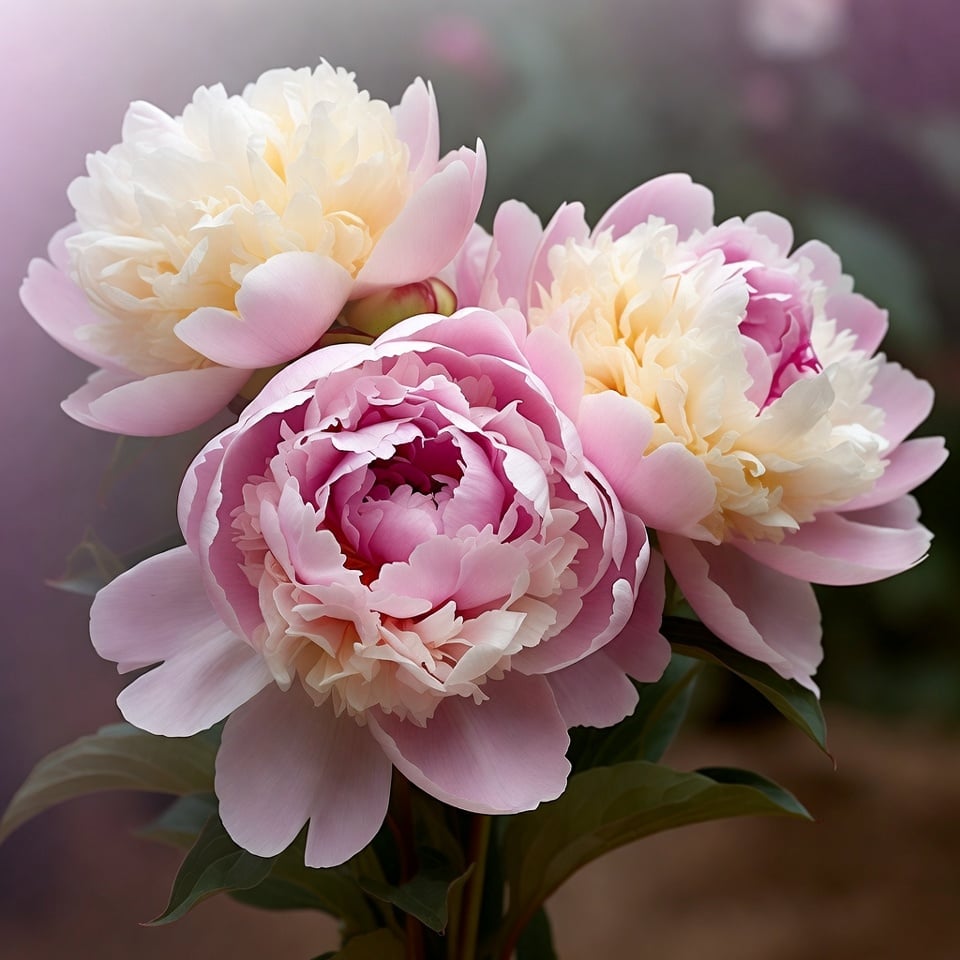
Peonies are one of the most beloved perennial flowers because their blooms are big, romantic, and often fragrant. They usually bloom in late spring to early summer and can live for decades when planted in the right spot.
Peonies prefer full sun and well-draining soil. They do not like being moved often, so choose their location carefully.
Their flowers can be heavy, so plant supports may help keep blooms from flopping after rain.
Helpful option: Get it on Amazon
7. Salvia
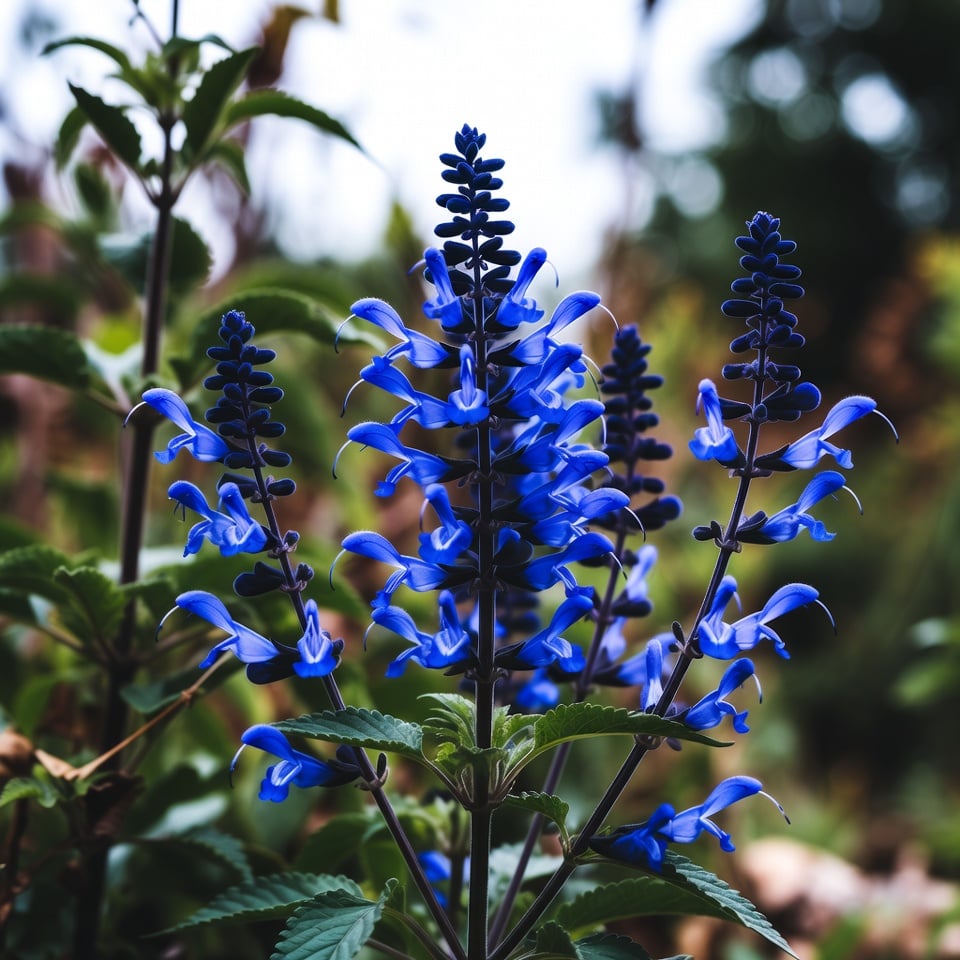
Salvia is a reliable perennial that produces upright flower spikes in shades of purple, blue, pink, red, and white. It adds height and structure to flower beds and is loved by pollinators.
It grows well in full sun and well-draining soil. Many varieties are heat-tolerant and fairly drought-tolerant once established.
Salvia looks especially good planted in groups or repeated along a border. Cut back faded blooms to encourage another flush of flowers.
8. Sedum
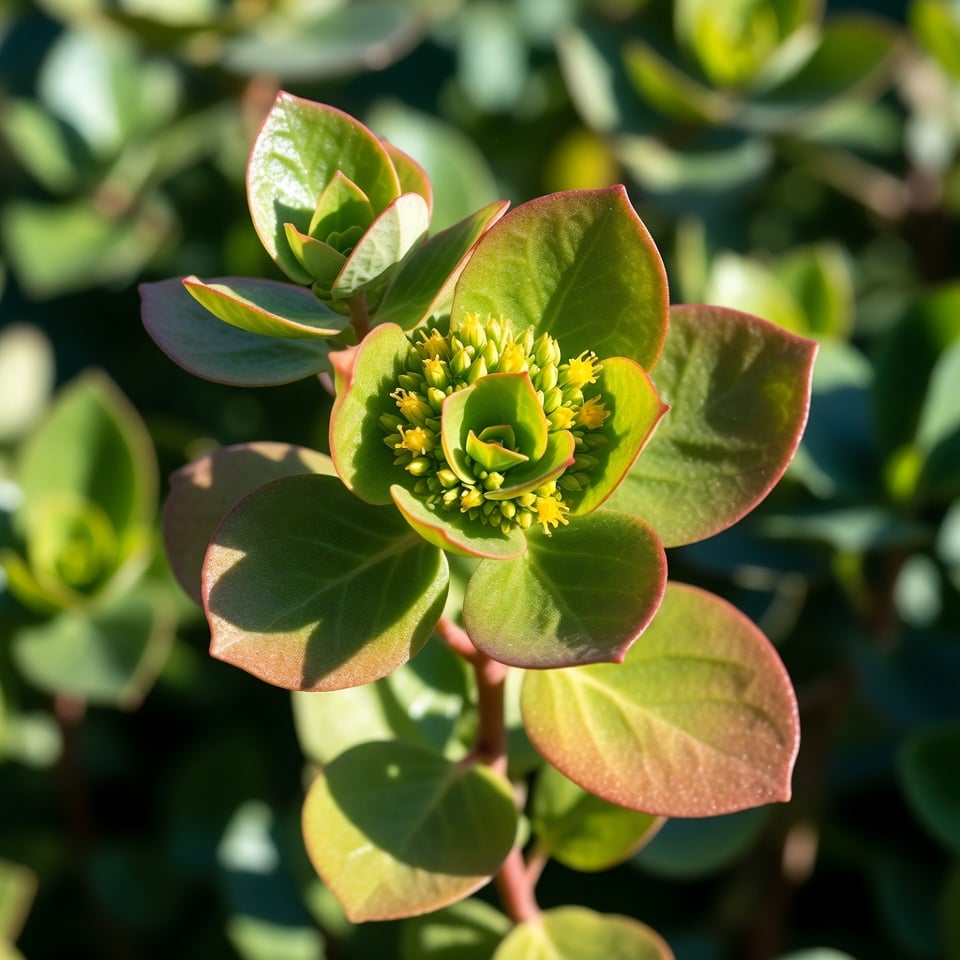
Sedum, also called stonecrop, is a tough perennial that thrives in sunny, dry conditions. It comes in low-growing groundcover forms and upright varieties.
Upright sedum, such as Autumn Joy, produces clusters of flowers that change color as the season progresses. It looks beautiful in late summer and fall when many other plants are fading.
Sedum is a great choice for rock gardens, sunny borders, low-water gardens, and areas with poor soil.
9. Coreopsis
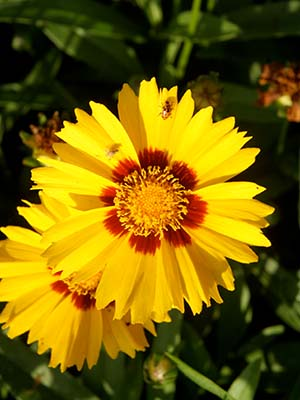
Coreopsis is a bright, cheerful perennial that often blooms in yellow, gold, pink, red, or bi-color shades. It has a light, airy look and works well in sunny garden beds.
This plant is easy to grow, especially in full sun. It can tolerate heat and is usually low-maintenance once established.
Coreopsis looks lovely in cottage gardens, pollinator gardens, and borders where you want long-lasting color.
10. Russian Sage
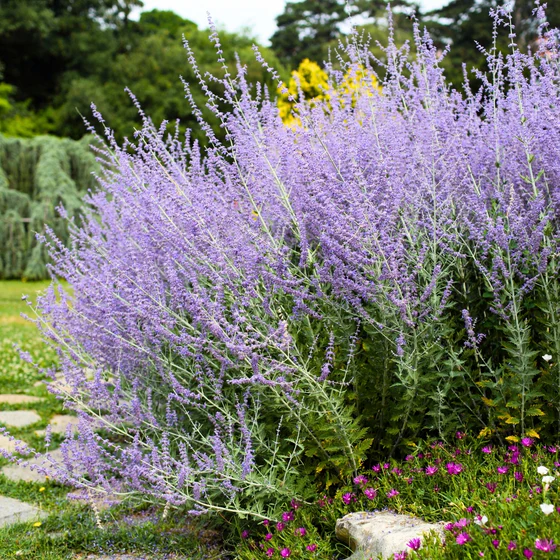
Russian sage is a gorgeous perennial for hot, sunny gardens. It has silvery stems, airy lavender-blue flowers, and a soft, wispy texture that makes flower beds look elegant.
It is drought-tolerant once established and works well in dry, sunny spots where other plants may struggle.
Russian sage pairs beautifully with coneflowers, black-eyed Susans, ornamental grasses, lavender, and sedum.
It can grow large, so give it room to spread.
11. Bee Balm
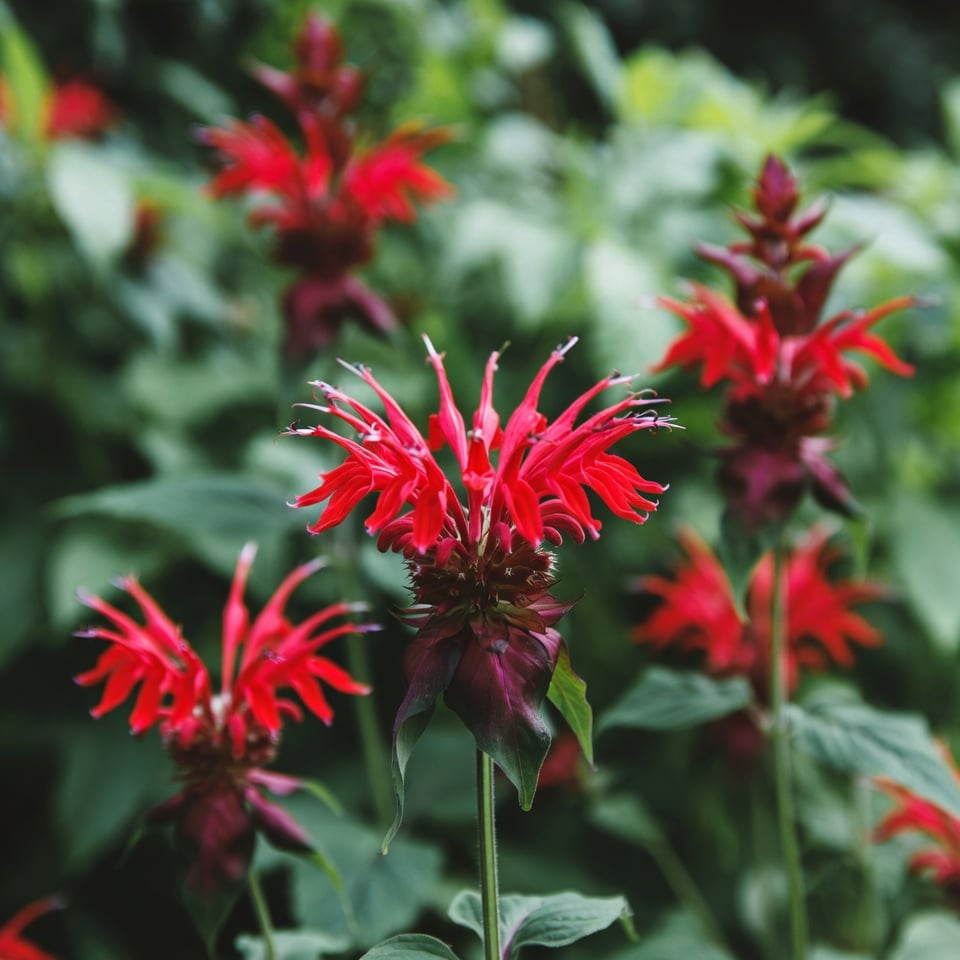
Bee balm is a colorful perennial that attracts hummingbirds, bees, and butterflies. Its flowers come in red, pink, purple, and white, and they have a fun, slightly wild shape.
Bee balm works well in pollinator gardens, cottage gardens, and sunny flower beds. It likes consistent moisture but does not want to sit in soggy soil.
Give it good airflow to help prevent powdery mildew, which can be common in humid areas.
12. Shasta Daisies
Shasta daisies are bright white perennial flowers with sunny yellow centers. They add a clean, classic look to garden beds and bloom beautifully in summer.
They love full sun and look best planted in groups. Their simple white flowers pair well with nearly everything, including lavender, salvia, coneflowers, and black-eyed Susans.
Deadhead spent flowers to keep the plant looking tidy and encourage more blooms.
13. Astilbe
Astilbe is a beautiful perennial for part-shade and shade gardens. It produces soft, feathery flower plumes in pink, white, red, lavender, and peach.
It looks especially pretty in woodland gardens, shaded borders, and areas near patios or paths. The fern-like foliage also adds texture even after the blooms fade.
Astilbe likes moist, rich soil, so it is not the best choice for hot, dry areas unless you can water regularly.
14. Yarrow
Yarrow is a tough perennial with flat-topped clusters of flowers in yellow, white, pink, red, and orange. It is drought-tolerant, pollinator-friendly, and excellent for sunny gardens.
This plant works well in wildflower gardens, cottage gardens, dry borders, and low-maintenance landscaping. It can spread, so give it space or divide it when needed.
Yarrow is also good for cut flowers and dried arrangements.
15. Coral Bells
Coral bells, also called heuchera, are grown mostly for their colorful foliage. Their leaves can be purple, bronze, lime, caramel, silver, burgundy, or green.
They are perfect for adding color to shady or partly shady areas, especially when flowers are not blooming.
Coral bells look beautiful in borders, containers, woodland gardens, and around walkways. They also pair nicely with hostas, ferns, astilbe, and shade-loving annuals.
Tips for Growing Perennials Successfully
Choosing good perennial plants is only the first step. To help them last year after year, plant them in the right place and give them a strong start.
Match the plant to the sunlight
Full sun perennials usually need at least 6 hours of direct sun daily. Shade perennials prefer protection from harsh afternoon sun.
Improve the soil before planting
Mix compost into the planting area to improve soil texture and nutrients.
Helpful option: Check price on Amazon
Water deeply while plants establish
Even drought-tolerant perennials need regular water during their first season.
Use mulch
Mulch helps conserve moisture, reduce weeds, and protect roots from temperature swings.
Divide crowded plants
Some perennials need dividing every few years to stay healthy and bloom well.
Helpful tool: View on Amazon
Best Perennials for Full Sun
If your garden gets strong sun, try:
- Daylilies
- Coneflowers
- Black-eyed Susans
- Lavender
- Salvia
- Sedum
- Coreopsis
- Russian sage
- Yarrow
- Shasta daisies
These are great for sunny borders, front yard landscaping, cottage gardens, and pollinator beds.
Best Perennials for Shade
For shady areas, try:
- Hostas
- Astilbe
- Coral bells
- Ferns
- Bleeding heart
- Lungwort
- Foamflower
Shade gardens can be just as beautiful as sunny gardens when you focus on foliage color, leaf shape, and texture.
FAQs About Perennial Flowers and Plants
What flowers come back every year?
Perennial flowers come back every year when grown in the right conditions. Popular examples include daylilies, coneflowers, black-eyed Susans, peonies, salvia, lavender, sedum, hostas, and Shasta daisies.
What is the easiest perennial to grow?
Daylilies, black-eyed Susans, coneflowers, sedum, and hostas are some of the easiest perennials for beginners.
What perennials bloom all summer?
Some long-blooming perennials include coneflowers, coreopsis, salvia, yarrow, daylilies, and black-eyed Susans. Bloom time depends on the variety and climate.
Do perennials come back forever?
Some perennials can live for decades, while others may last only a few years. Peonies and daylilies can be very long-lived, while some shorter-lived perennials may need replacing eventually.
When should I plant perennials?
Spring and fall are usually the best times to plant perennials because the weather is cooler and plants have time to establish roots before extreme heat or cold.
Are perennials low maintenance?
Many perennials are low-maintenance once established, but they still need proper sunlight, watering, occasional pruning, mulching, and sometimes dividing.
Final Thoughts
Perennial flowers and plants are one of the best ways to build a garden that gets better year after year.
Start with easy, reliable options like daylilies, coneflowers, black-eyed Susans, hostas, lavender, salvia, sedum, and coreopsis. Then add plants for texture, fragrance, shade, and seasonal color.
With the right mix, your garden can feel full, colorful, and beautiful without starting over every spring.