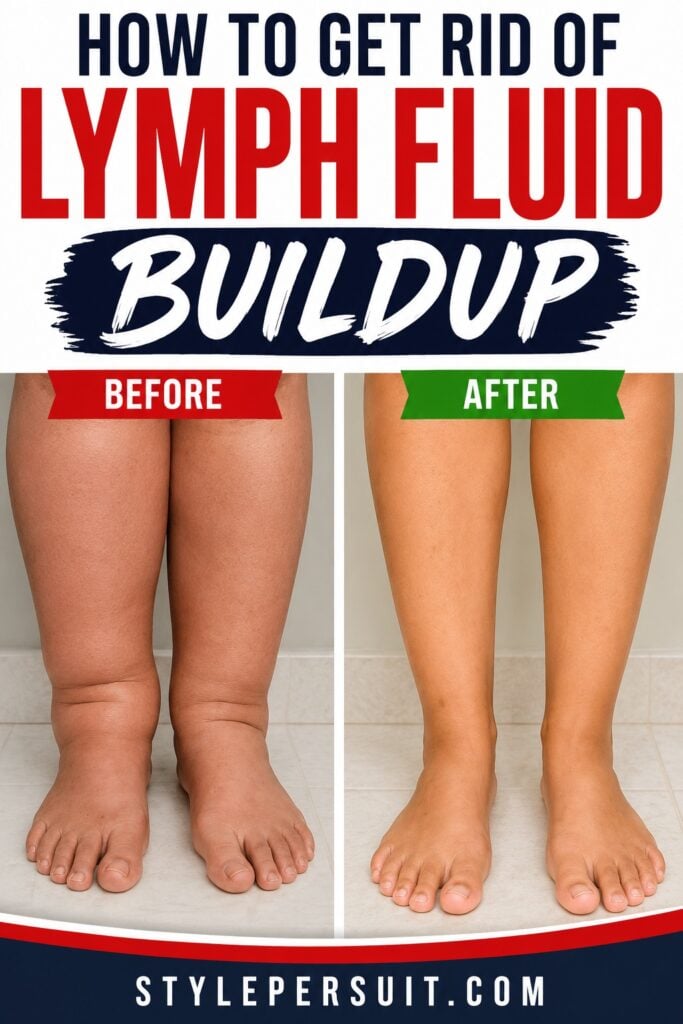
Lymph fluid buildup a condition called lymphedema or more generally lymphatic congestion is one of the more frustrating physical experiences because it can cause persistent swelling, heaviness, and discomfort that does not seem to respond to ordinary rest or elevation.
Understanding what lymph fluid is, why it builds up, and what actually moves it through the body is the first step toward managing or reducing the swelling.
This guide covers the evidence-based approaches that help reduce lymph fluid accumulation, the lifestyle habits that support lymphatic drainage, and critically the signs that lymph fluid buildup requires professional medical evaluation rather than home management.
Important medical disclaimer: Lymphedema and lymphatic conditions are medical issues that require proper diagnosis and, in many cases, professional treatment. The strategies in this article are intended as general wellness and lifestyle information. They are not a substitute for medical advice, diagnosis, or treatment from a licensed healthcare provider. If you have significant, painful, or rapidly progressing swelling, skin changes, infection, or any symptoms you cannot explain, see a doctor before attempting home management. (Mayo Clinic)
What Is Lymph Fluid and Why Does It Build Up?
The lymphatic system is a network of vessels and nodes that runs throughout the body parallel to the circulatory system. It collects excess fluid, proteins, and waste products from tissues and returns them to the bloodstream.
Unlike the circulatory system, the lymphatic system has no pump, no heart equivalent. It moves lymph fluid through a combination of muscle contractions, breathing, movement, and the action of one-way valves in the lymph vessels.
When this system becomes overloaded, damaged, or sluggish, fluid accumulates in the tissues and causes swelling, most commonly in the arms, legs, feet, and ankles.
This is called lymphedema when it involves the lymphatic vessels directly, or peripheral edema when the swelling has other causes including heart, kidney, or venous issues.
Common causes of lymph fluid buildup include:
- Damage to lymph nodes from cancer surgery, radiation, or infection
- Prolonged sitting or standing in one position
- Sedentary lifestyle with insufficient movement
- Poor hydration causing thickened lymph fluid
- High sodium intake causing fluid retention
- Obesity, which impairs lymphatic flow
- Infections that inflame lymph nodes
- Certain medications including calcium channel blockers and some anti-inflammatories
- Venous insufficiency, where valves in the leg veins do not function properly
Method 1: Movement and Exercise
Movement is the primary driver of lymphatic circulation.
Because the lymphatic system has no internal pump, the contraction and relaxation of muscles during movement physically squeezes lymph fluid through the vessels.
Walking, swimming, gentle rebounding on a mini trampoline, yoga, and cycling are among the most effective movement types for stimulating lymphatic flow.
For leg swelling, walking is the most accessible and well-supported intervention. Even thirty minutes of moderate walking daily creates significant muscle contraction that drives lymph upward through the leg vessels.
Swimming and water aerobics have the added benefit of gentle hydrostatic water pressure on the submerged tissues, which physically assists lymph drainage in a way no other exercise can replicate.
Shop Mini Trampoline Rebounder for Lymphatic Health on Amazon
Shop Yoga Mat for Home Exercise on Amazon
Method 2: Manual Lymphatic Drainage (MLD)
Manual lymphatic drainage is a specialized massage technique performed by a trained therapist that uses very light, rhythmic strokes to stimulate the movement of lymph through the vessels toward functioning lymph nodes.
It is the most clinically supported hands-on technique for reducing lymphedema and is often a core component of a treatment program called Complete Decongestive Therapy (CDT).
The National Cancer Institute acknowledges MLD as a component of lymphedema management, particularly following cancer surgery. (National Cancer Institute)
Self-drainage massage techniques based on the principles of MLD can be learned and practiced at home. They involve very light touch lighter than most people intuitively use in specific sequences that follow the direction of lymph flow.
If you have lymphedema following cancer treatment or surgery, working with a certified lymphedema therapist (CLT) to learn proper self-drainage technique is strongly recommended before practicing it at home.
Shop Lymphatic Drainage Massage Roller on Amazon
Shop Gua Sha Body Massage Tool on Amazon
Method 3: Compression Garments
Compression stockings, sleeves, and bandaging are the standard physical management tool for lymphedema. They apply graduated external pressure that supports the lymph vessels and prevents fluid from re-accumulating in the tissues.
For leg swelling, compression stockings in the 15-20 mmHg or 20-30 mmHg range are typically used depending on the degree of swelling. Prescription-grade compression (30-40 mmHg and above) is available with medical supervision.
Compression garments should be put on first thing in the morning before getting up, when swelling is at its minimum. They are most effective when worn throughout the day and removed at night.
Fit matters significantly. Incorrectly fitted compression stockings can create a tourniquet effect above the compression zone. For significant lymphedema, have stockings professionally fitted.
Shop Compression Stockings 20-30 mmHg on Amazon
Shop Compression Arm Sleeves on Amazon
Method 4: Elevation
Elevating a swollen limb above the level of the heart allows gravity to assist lymph drainage.
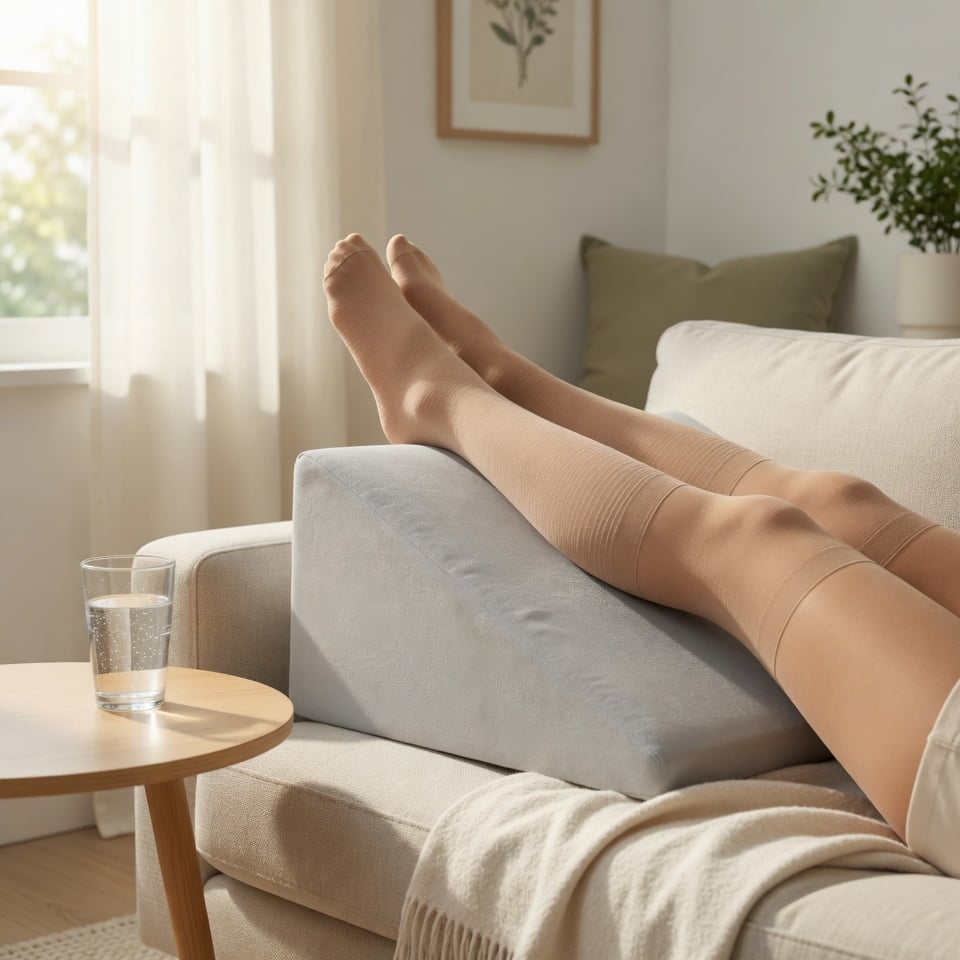
For leg and foot swelling, lying down with the legs propped on two or three pillows (or a foam wedge) so the feet are above hip level for 20 to 30 minutes two to three times per day can provide noticeable reduction in swelling.
Elevation alone does not address the underlying cause of lymph buildup but provides meaningful symptomatic relief and is particularly effective when combined with movement and compression.
Shop Leg Elevation Pillow Wedge on Amazon
Method 5: Hydration
Adequate water intake is essential for proper lymphatic function. Dehydration causes the lymph fluid to thicken and become more viscous, which makes it harder to move through the narrow lymph vessels.
Drinking sufficient water throughout the day generally around 8 to 10 cups for most adults, more in heat or during exercise keeps lymph fluid at the right consistency to move freely.
Avoid excessive caffeine and alcohol, both of which have a dehydrating effect and can worsen fluid retention paradoxically: the body responds to dehydration by retaining more fluid in the tissues.
Herbal teas with mild diuretic or anti-inflammatory properties including dandelion root, green tea, and ginger tea are often recommended alongside hydration for mild swelling, though they are not medical treatments.
Shop Dandelion Root Tea on Amazon
Method 6: Dietary Changes
Certain dietary patterns worsen fluid retention and lymphatic congestion, while others support it.
Reduce sodium intake. High sodium causes the body to retain water in tissues, worsening any existing swelling. The Dietary Guidelines for Americans recommend no more than 2,300 mg of sodium per day for adults, and many people consume significantly more.
Increase anti-inflammatory foods. Chronic low-grade inflammation impairs lymphatic vessel function. An anti-inflammatory diet rich in leafy greens, fatty fish, berries, olive oil, turmeric, and ginger supports vascular and lymphatic health.
Eat enough protein. Low protein levels (hypoalbuminemia) cause fluid to leak from blood vessels into tissues, worsening swelling. Adequate dietary protein supports the osmotic pressure that keeps fluid in the bloodstream where it belongs.
Limit processed and ultra-processed foods. These are typically high in sodium, refined carbohydrates, and inflammatory fats all of which worsen fluid retention and lymphatic congestion.
Method 7: Dry Brushing
Dry brushing using a firm natural-bristle brush on dry skin before showering in light upward strokes toward the lymph nodes is a wellness practice believed to stimulate the superficial lymphatic vessels in the skin layer.
While robust clinical evidence specifically for dry brushing and lymphatic drainage is limited, many people report subjective improvement in swelling and skin texture with regular practice.
The physical stimulation of the skin surface and the light pressure applied may activate the superficial lymphatic vessels.
Brush toward the lymph nodes from the feet upward toward the groin, from the hands toward the armpit, and from the periphery toward the center of the body.
Shop Dry Body Brush Set on Amazon
Method 8: Hot and Cold Hydrotherapy
Alternating between warm and cool water during showering or bathing causes blood vessels and lymphatic vessels to alternately dilate and constrict, which some practitioners believe creates a pumping effect that stimulates lymph flow.
End a warm shower with 30 seconds of cool water, repeating two to three times. This is particularly effective on the legs and arms.
Contrast hydrotherapy is not appropriate for people with certain circulatory conditions, Raynaud’s disease, or cardiovascular issues. Check with your doctor if you have any concerns.
When Home Methods Are Not Enough, See a Doctor
Home strategies work well for mild, situational swelling the ankle swelling that comes from a long flight, the leg heaviness that follows a sedentary week, or the mild puffiness associated with heat and fluid retention.
See a doctor if:
- Swelling is significant, worsening, or does not respond to home measures after several days
- Swelling is painful, hot, red, or accompanied by fever (these may indicate infection)
- Swelling affects only one limb unexpectedly
- You have had cancer treatment or lymph node removal and develop new swelling
- The skin over the swollen area becomes thick, leathery, or develops blistering
- Swelling is accompanied by shortness of breath or chest pain (seek emergency care immediately these could indicate heart or lung issues)
- You cannot identify a cause for the swelling
Lymphedema is a chronic condition that requires ongoing management. Left untreated, it can progress and become significantly harder to manage. Early professional intervention including certified lymphedema therapy produces the best long-term outcomes.
Frequently Asked Questions
What is the fastest way to reduce lymph fluid buildup?
Elevation combined with light movement and compression provides the fastest symptomatic relief for mild swelling. Manual lymphatic drainage performed by a trained therapist produces the most significant reduction in a single session for lymphedema specifically.
Does drinking water help with lymph buildup?
Yes. Adequate hydration keeps lymph fluid at the right consistency to move through vessels efficiently. Dehydration thickens lymph fluid and makes the condition worse. However, drinking water alone will not resolve significant lymphedema.
What foods help drain the lymphatic system?
Anti-inflammatory foods including leafy greens, berries, ginger, turmeric, olive oil, and fatty fish support lymphatic vessel health.
Reducing sodium and processed food intake reduces fluid retention. Adequate protein prevents fluid from leaking out of blood vessels into tissues.
Is massage good for lymph buildup?
Manual lymphatic drainage massage performed by a trained therapist is clinically supported for lymphedema management. Self-massage using MLD techniques learned from a therapist can help maintain results.
Regular massage in the direction of lymph flow supports the movement of fluid. Standard deep tissue or pressure massage is not the same as MLD and is not recommended for lymphedema.
Can exercise get rid of lymph fluid?
Movement is the primary driver of lymphatic flow. Regular exercise, particularly walking, swimming, and rebounding, significantly supports lymph drainage and can reduce mild to moderate swelling over time. Exercise combined with compression garments is more effective than either alone.
Why do my legs feel heavy and swollen?
Leg heaviness and swelling can result from prolonged sitting or standing, venous insufficiency, lymphedema, heart or kidney conditions, or medication side effects among other causes.
If it is persistent, worsening, or accompanied by other symptoms, a medical evaluation is appropriate.
Final Thoughts
Managing lymph fluid buildup requires understanding that the lymphatic system moves only when you do.
Movement, compression, elevation, hydration, and dietary adjustments are the core tools available for home management of mild to moderate lymphatic congestion.
Manual lymphatic drainage from a qualified therapist is the gold standard for more significant lymphedema.
None of these approaches replace medical evaluation when swelling is significant, unexplained, or accompanied by other symptoms.
A certified lymphedema therapist (CLT) or physician specializing in lymphatic conditions can provide diagnosis, structured treatment, and a long-term management plan that home measures alone cannot replicate.