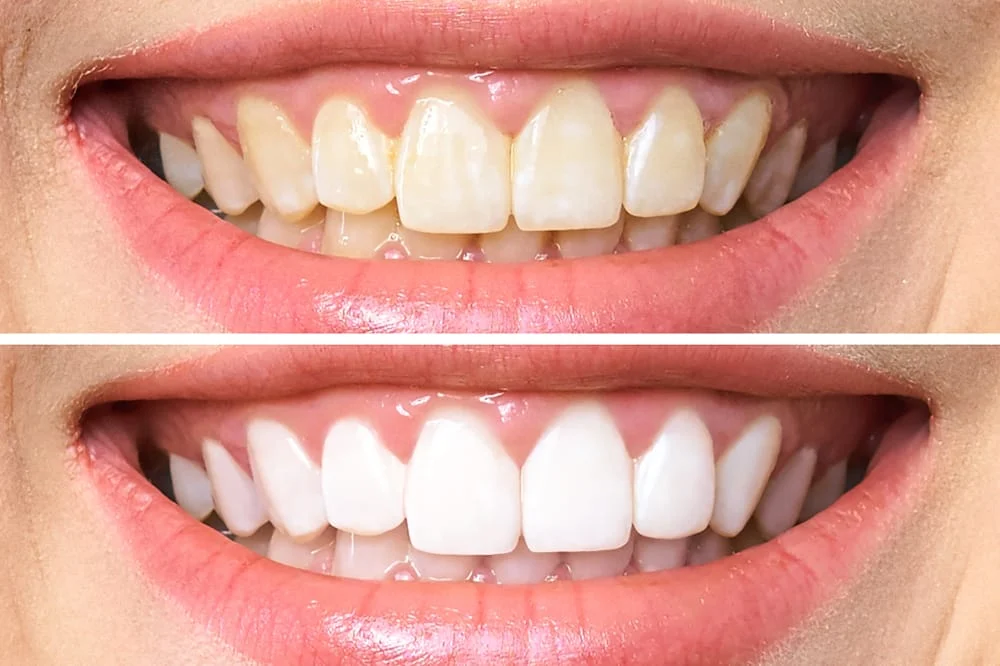
Looking for teeth-whitening remedies you can try at home?
The most useful methods depend on the type of discoloration you have. Baking soda may help polish away mild surface stains. Hydrogen-peroxide strips and gels can lighten natural teeth more noticeably. Whitening toothpaste can gradually improve stains from coffee, tea, tobacco, and dark foods.
However, not every popular natural remedy is kind to your enamel. Lemon juice, apple cider vinegar, coarse salt, and abrasive charcoal powders may cause damage without giving you the bright results you expected.
This guide compares practical teeth-whitening remedies, explains how to use them, and helps you choose an option based on your stains, sensitivity, and desired results.
Affiliate disclosure: This article contains Amazon affiliate links. StylePersuit may earn a commission from qualifying purchases at no additional cost to you.
Dental note: Home whitening is cosmetic. It cannot treat cavities, gum disease, cracked teeth, infections, or unexplained tooth pain.
Quick Answer: Which Teeth-Whitening Remedies Work?
The most predictable at-home options are:
Fluoride whitening toothpaste for mild surface stains
Baking-soda toothpaste for coffee and tea discoloration
Peroxide-based whitening strips for more visible whitening
Properly formulated whitening gels and trays
Professional cleaning when plaque or tartar is causing yellowing
Dentist-supplied trays for controlled treatment
Whitening toothpaste mainly removes external stains, while most whitening strips rely on peroxide to bleach natural teeth. Teeth-whitening products may cause temporary sensitivity or gum irritation, particularly when overused.
Remedy
Best for
Likely result
Main caution
Baking soda and water
Mild surface stains
Gentle polishing
Use sparingly
Baking-soda toothpaste
Coffee and tea stains
Gradual brightening
Choose fluoride
Peroxide whitening strips
General yellowing
More visible whitening
May cause sensitivity
Whitening toothpaste
Daily stain control
Gradual improvement
Limited on deep stains
Coconut oil pulling
Optional oral-care ritual
No proven bleaching
Do not replace brushing
Professional cleaning
Plaque and tartar
Cleaner-looking teeth
Requires a dental visit
Dentist-fitted trays
Stronger whitening
More even results
Professional assessment needed
First, Identify the Type of Stain
Not every stain responds to the same remedy.
Surface stains
Surface stains develop on the outside of the enamel and are often caused by:
Coffee
Tea
Tobacco
Red wine
Cola
Dark berries
Strongly colored sauces
Plaque buildup
These stains may respond to whitening toothpaste, baking soda, professional cleaning, strips, or gels.
Deep discoloration
Discoloration inside the tooth may be connected to:
Natural tooth color
Aging
Medication
Dental trauma
Tooth-development conditions
Thin enamel
Damage inside one tooth
Deep discoloration may not improve much with ordinary homemade remedies.
Read our guide to stained teeth to identify which type you may have.
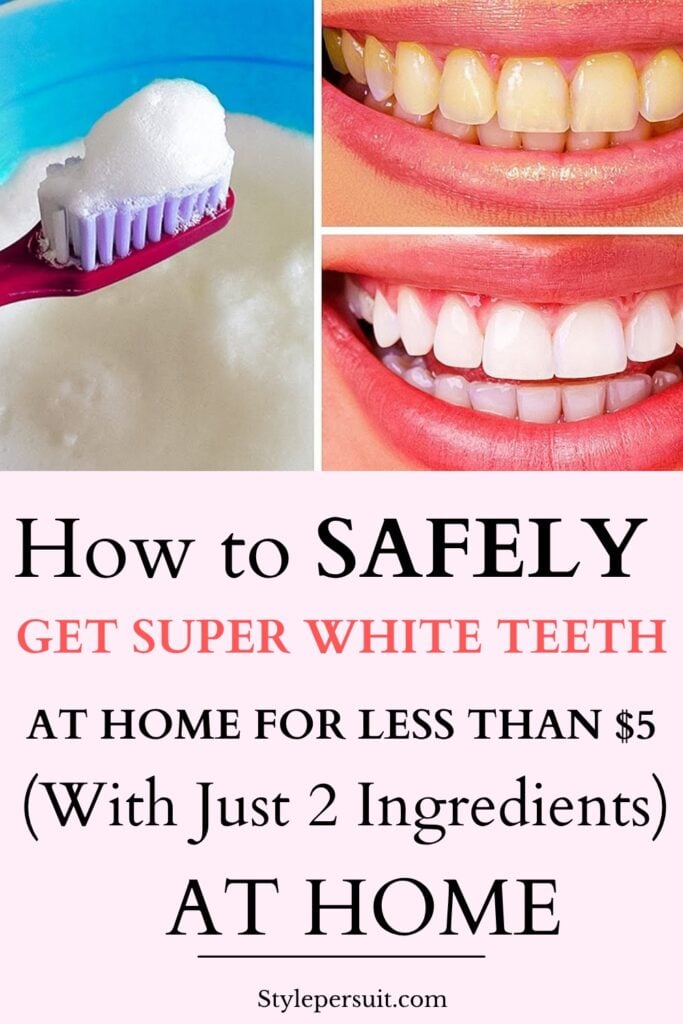
1. Baking Soda and Water
Baking soda is one of the most searched natural teeth-whitening remedies.
Its fine particles can gently polish away some stains sitting on the enamel surface. It does not chemically bleach deep tooth color.
What you need
1 teaspoon baking soda
Approximately 2 teaspoons water
A soft-bristled toothbrush
A clean bowl
How to use it
Mix the baking soda and water into a thin, smooth paste.
Place a small amount on your toothbrush and gently brush for about one minute. Use light circular movements instead of pressing hard.
Spit out the paste and rinse thoroughly.
Continue brushing twice daily with your normal fluoride toothpaste. Plain baking soda does not provide the same cavity protection as fluoride toothpaste.
How often?
Use this homemade paste no more than once or twice a week.
A fluoride toothpaste formulated with baking soda is more suitable for regular use.
Teeth Whitening at Home – Teeth Whitening at Home: How to Whiten Teeth Naturally (2)
2. Baking-Soda Whitening Toothpaste
A commercial baking-soda toothpaste offers a more controlled way to use sodium bicarbonate.
A properly formulated toothpaste controls:
Abrasiveness
Texture
Fluoride content
Ingredient balance
Recommended frequency
Toothpaste may include modified silica, enzymes, or other ingredients that physically remove surface stains. ADA-Accepted toothpastes making cavity-protection claims contain fluoride.
How to use it
Brush for about two minutes according to the product directions.
Use a soft-bristled toothbrush and gentle pressure. Harder brushing does not mean faster whitening.
Coconut oil pulling involves swishing edible coconut oil around the mouth before spitting it out.
What you need
Approximately 1 tablespoon edible coconut oil
A trash bin or disposable cup
How to try it
Place the oil in your mouth and swish gently.
You do not need to swish forcefully. Stop if your jaw becomes tired or the oil makes you feel nauseated.
Spit it into the trash rather than the sink because coconut oil may harden inside drains.
Brush normally afterward with fluoride toothpaste.
What to expect
Some people enjoy the fresh feeling, but coconut oil has not been shown to bleach natural teeth. The ADA notes that documented whitening from oil pulling is absent, and it should not replace proven oral-hygiene practices.
Sometimes yellow teeth are caused more by plaque and tartar than by the natural tooth color.
Whitening strips and toothpaste cannot remove hardened tartar.
A dental hygienist can remove:
Hardened tartar
Plaque around the gumline
Some coffee and tobacco staining
Buildup between teeth
If the yellow material feels hard and does not brush away, read how to remove tartar from teeth and arrange professional cleaning instead of scraping it yourself.
8. Teeth-Whitening Trays
Whitening trays hold peroxide-based gel against the teeth.
Over-the-counter kits use universal or moldable trays. A dentist can provide custom-fitted trays that distribute gel more evenly and reduce unnecessary gum contact.
The NHS advises having the teeth and gums checked before whitening. Dentist-provided trays are commonly worn at home over approximately two to six weeks.
Teeth Whitening at Home – Teeth Whitening at Home: How to Whiten Teeth Naturally (2)
Teeth-Whitening Remedies to Avoid
Lemon juice
Lemon juice is acidic and may soften enamel.
As enamel becomes thinner, more yellow dentin may become visible.
Apple cider vinegar
Apple cider vinegar is also acidic and should not be used as a routine whitening mouthwash.
Strawberry and baking-soda paste
Although widely shared online, research reviewed by the ADA did not find measurable whitening improvement from a strawberry-and-baking-soda mixture.
Activated charcoal
Evidence supporting safe and meaningful charcoal whitening is insufficient. Abrasive charcoal-and-salt combinations have been associated with enamel wear and a more yellow appearance as dentin becomes exposed.
Coarse salt
Salt does not chemically bleach teeth. Scrubbing it directly onto the enamel may irritate gums and add unnecessary abrasion.
Homemade high-strength peroxide treatments
Avoid concentrated peroxide rinses and DIY chemical strips. Social-media whitening mixtures may cause burns, sensitivity, or enamel damage.
You may have plaque or tartar rather than staining. Arrange a dental cleaning.
For one dark tooth
Do not rely on home whitening. A dentist should identify the cause.
Frequently Asked Questions
What is the most effective home teeth-whitening remedy?
Peroxide-based strips and gels generally produce more visible whitening than ordinary toothpaste. Whitening toothpaste is better for gradual surface-stain removal.
Does baking soda whiten teeth?
Baking soda may polish away external stains. It does not reliably bleach deep discoloration.
Can hydrogen peroxide whiten teeth?
Yes, hydrogen peroxide is used in many whitening products. Choose a properly formulated dental product and follow its directions.
Can coconut oil whiten teeth?
Coconut oil has no proven bleaching effect. It should be viewed as an optional ritual rather than a dependable whitening treatment.
How quickly do home remedies work?
Whitening toothpaste may take several weeks. Strips and gels may show results over several applications, depending on the product.
Can home remedies whiten crowns or fillings?
No. Whitening only affects natural teeth. Crowns, veneers, implants, bonding, and fillings will not change color.
Why do my teeth still look yellow?
Natural dentin, thin enamel, deep discoloration, tartar, medication, or old dental trauma may be responsible.
Final Takeaway
The best teeth-whitening remedies are the ones that match the type of stain you have.
Baking soda and whitening toothpaste may help polish away mild surface stains. Hydrogen-peroxide strips, gels, and trays can provide more noticeable whitening when used correctly. Professional cleaning is the better choice when tartar is causing yellow buildup.
Coconut oil pulling may be an optional part of your routine, but it has no proven bleaching effect. Avoid lemon juice, vinegar, rough charcoal powders, household bleach, and high-strength homemade peroxide treatments.