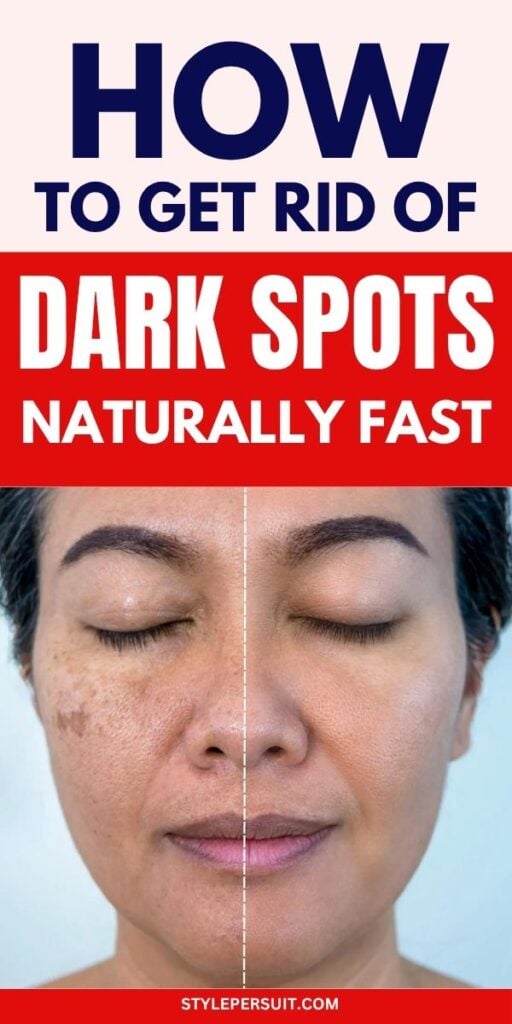
Dark spots on the face can feel so frustrating because they often stay long after the original problem is gone.
The pimple healed. The rash calmed down. The sunburn disappeared. But the mark? Still there, sitting on your cheek like it signed a lease.
If you’ve ever looked in the mirror and thought, “Why is this spot still here?” you’re not alone. Dark spots are common, especially after acne, sun exposure, irritation, picking at pimples, or hormonal changes. They can show up as brown patches, grayish marks, reddish-brown acne stains, uneven areas, or tiny spots that slowly get darker over time.
The good news is this: dark spots can fade.
The honest part? They usually don’t fade in three days. Skin takes time. Some marks fade in weeks, while deeper or older spots can take months. The trick is not to attack your face with every “brightening” product you see online. That often makes things worse.
Clearing dark spots is more like cleaning a delicate fabric than scrubbing a dirty pot. You need patience, steady care, and the right ingredients.
Let’s talk about what actually helps.
First, What Causes Dark Spots on the Face?
Dark spots usually happen when your skin makes extra pigment called melanin.
Melanin is the natural color in your skin, hair, and eyes. When your skin feels irritated, inflamed, injured, or exposed to too much sun, it may produce more pigment in that area. That extra pigment can leave behind a dark mark.
Common causes include:
- Acne marks
- Sun exposure
- Melasma
- Picking at pimples
- Bug bites
- Harsh skincare products
- Burns or irritation
- Eczema or rashes
- Hormonal changes
- Aging spots
- Friction from rubbing or scrubbing
Here’s the thing: not all dark spots are the same.
A dark acne mark is not always the same as melasma. A sun spot is not always the same as a mark from irritation. So the routine may need small changes depending on the cause.
But for most everyday dark spots, the foundation is the same: protect the skin from sun, calm irritation, use brightening ingredients slowly, and stay consistent.
The American Academy of Dermatology notes that dark spots caused by inflammation, such as acne marks, can take months to fade, and treating the original skin problem is part of preventing new spots.
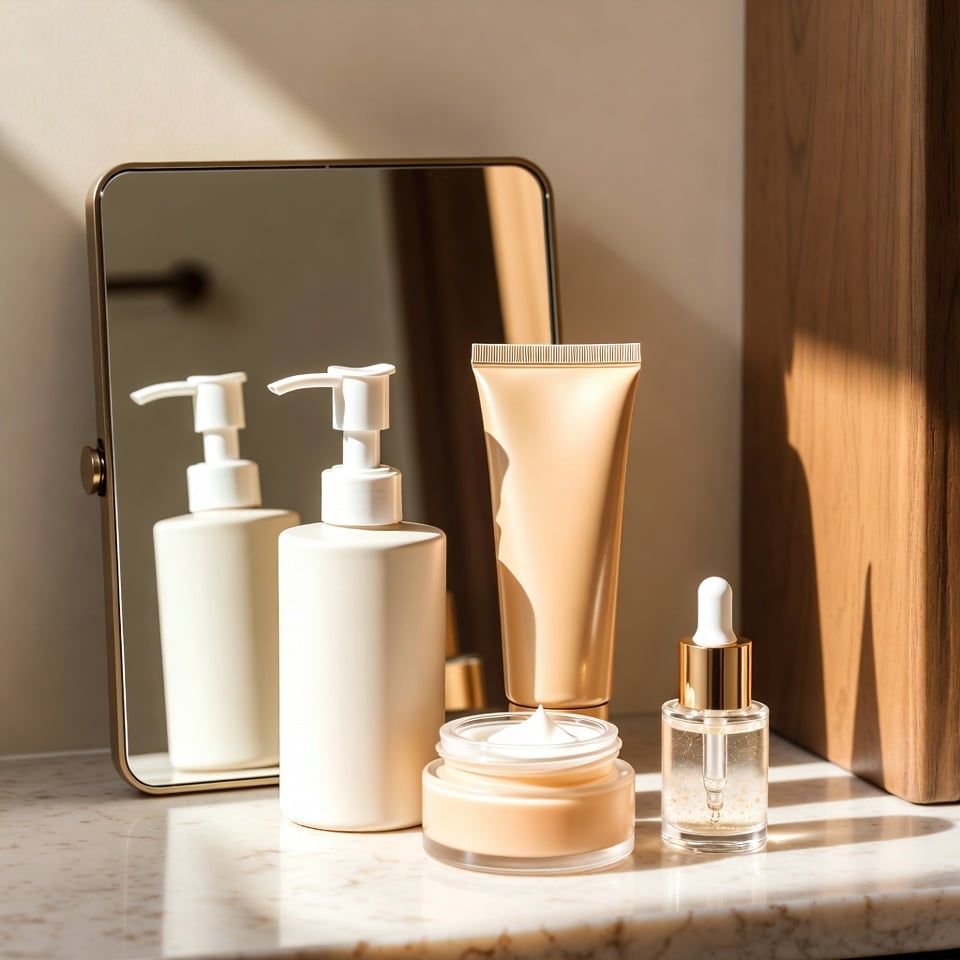
Sunscreen Is the Step People Skip — Then Regret
I know. Sunscreen sounds boring.
When someone wants to clear dark spots, they usually want the exciting stuff: vitamin C, kojic acid, turmeric masks, retinol, serums, peels, all the shiny little bottles. Sunscreen doesn’t feel exciting.
But sunscreen is the bodyguard.
If you’re treating dark spots without sunscreen, you’re basically mopping the floor while the tap is still running. The spot may fade a little, then sunlight darkens it again. And yes, this can happen even if you don’t spend hours outside.
Sunlight through windows, quick errands, walking to the car, sitting near bright light, or being outside on cloudy days can still affect hyperpigmentation.
Use a broad-spectrum sunscreen every morning.
Look for:
- SPF 30 or higher
- Broad-spectrum protection
- Lightweight texture
- Non-greasy finish
- Tinted sunscreen if dark spots are stubborn
- Iron oxides if you deal with melasma or spots on deeper skin tones
Tinted sunscreen can be especially helpful for dark spots because visible light can worsen hyperpigmentation in some people, particularly people with deeper skin tones. The AAD recommends tinted sunscreen with iron oxide to help protect against visible light that can make dark spots harder to fade.
Apply sunscreen to your face, neck, ears, and any area with dark spots.
And don’t be stingy. A tiny dot won’t do much. Use enough to cover your skin evenly.
Helpful product search:
👉 Check Price on Amazon
Stop Picking, Scrubbing, and “Testing” Your Face Every Day
This is where many dark spot routines go wrong.
You get impatient. The spot isn’t fading fast enough. So you scrub harder. Then you add lemon juice. Then a peeling mask. Then a strong acid toner. Then retinol. Then another serum because someone on TikTok said it worked in one week.
And suddenly your skin is irritated.
Irritated skin is not happy skin. And unhappy skin often makes more pigment.
If you have dark spots, your first job is to calm the skin. That means treating your face like skin, not like a kitchen counter.
Avoid:
- Picking pimples
- Scratching scabs
- Harsh scrubs
- Daily exfoliating acids
- Lemon juice
- Baking soda
- Toothpaste
- Strong DIY peels
- Too many brightening products at once
- Rubbing with rough towels
- Sleeping in makeup
A gentle routine may feel slow, but it usually works better than a chaotic one.
Build a Simple Dark Spot Routine
You don’t need twelve steps.
Most people need a simple morning routine and a simple night routine. That’s it.
The point is to stay consistent without overwhelming your skin.
Morning Routine
Start with a gentle cleanser.
If your skin is dry, you may only need to rinse with water in the morning. If your skin is oily, acne-prone, or sweaty, use a mild cleanser.
Next, apply one brightening serum.
Choose one ingredient at first. Not five.
Then moisturize.
Finish with sunscreen.
That’s your morning routine.
Simple, right?
Morning order:
Cleanser
Brightening serum
Moisturizer
Sunscreen
Night Routine
At night, cleanse your face to remove sunscreen, oil, sweat, and makeup.
Then apply a treatment product, such as azelaic acid, niacinamide, or retinol depending on your skin.
Follow with moisturizer.
Night order:
Cleanser
Treatment
Moisturizer
If your skin is sensitive, use treatment only 2 to 3 nights per week at first.
The goal is not to punish your skin into fading spots. The goal is to support the skin so it can renew without constant irritation.
Try Niacinamide for Uneven Tone
Niacinamide is one of those ingredients that quietly does a lot.
It can help with uneven tone, dullness, oiliness, redness, and a weak skin barrier. It’s also usually gentler than many strong brightening ingredients, which makes it a good starter ingredient for dark spots.
If your dark spots come from acne, irritation, or rough skincare habits, niacinamide can be a nice first step because it helps calm the skin while supporting a more even-looking tone.
Look for a serum or moisturizer with niacinamide.
You don’t need the highest percentage. A moderate formula used consistently is often better than a strong one that makes your face sting.
Use it once daily, either morning or night.
Helpful product search:
👉 Check Price on Amazon
Vitamin C Can Help Brighten Dull Skin

Vitamin C is popular for a reason.
It can help brighten the look of skin, support a more even tone, and make dull skin look fresher. It pairs well with sunscreen in the morning, which is why many people use vitamin C before SPF.
But vitamin C can be tricky.
Some formulas sting. Some oxidize quickly. Some are too strong for sensitive skin. So if your face burns every time you apply it, don’t force it. Try a gentler vitamin C derivative or use it every other morning.
A simple way to use it:
Cleanse.
Apply vitamin C serum.
Wait a minute.
Moisturize.
Apply sunscreen.
If you’re new to brightening skincare, start 3 mornings per week. If your skin likes it, increase slowly.
Helpful product search:
👉 Check Price on Amazon
Azelaic Acid Is Great for Acne Marks
Azelaic acid is a beautiful ingredient for people who get acne marks, redness, uneven tone, and stubborn post-breakout spots.
It’s often used for hyperpigmentation and acne-prone skin because it can help with both breakouts and the marks they leave behind. That matters because if you keep breaking out, you keep creating new spots.
Azelaic acid may be a good choice if:
- You get acne marks
- Your skin is easily irritated
- Your spots come after pimples
- You deal with redness
- Your skin feels sensitive to stronger acids
- You want a brightening ingredient that isn’t too harsh
Use it at night or in the morning before moisturizer.
Start a few times per week.
If your skin handles it well, you can use it more often.
The AAD includes azelaic acid, kojic acid, and vitamin C among options dermatologists may use in treatment plans for stubborn discoloration such as melasma.
Helpful product search:
👉 Check Price on Amazon
Kojic Acid and Alpha Arbutin Can Help Stubborn Spots
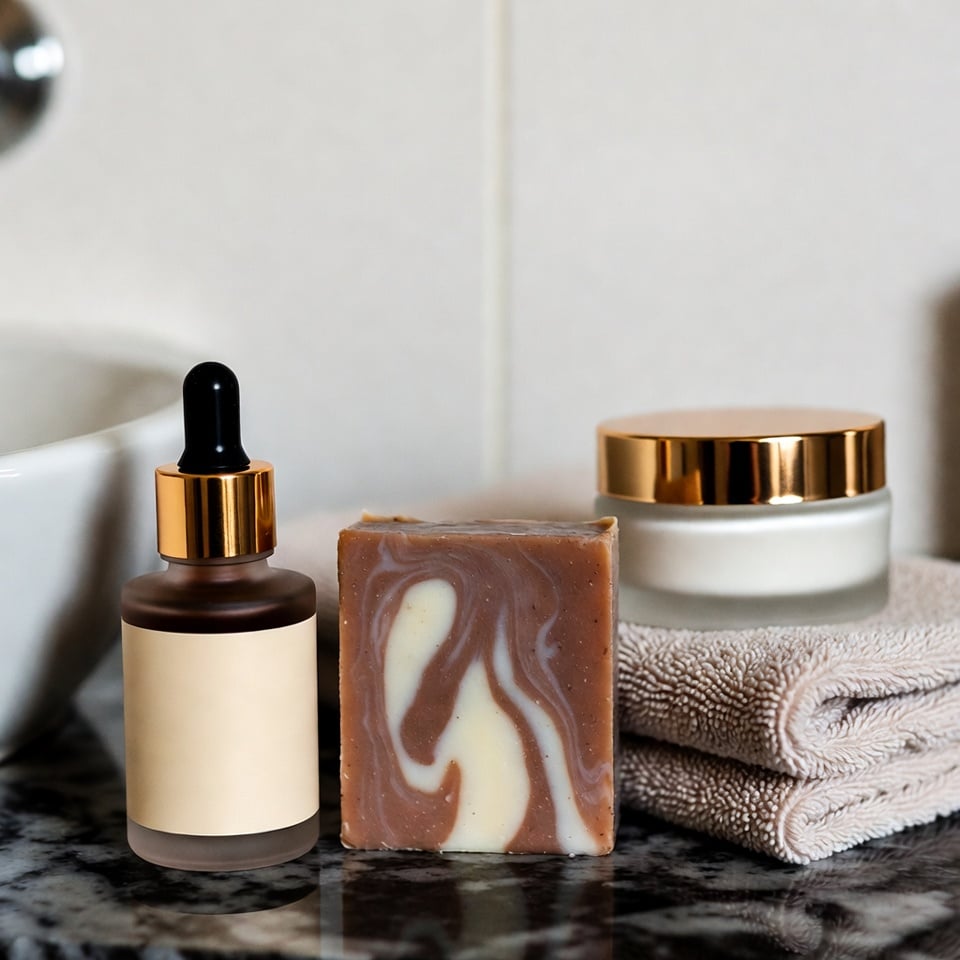
Kojic acid and alpha arbutin are common brightening ingredients found in dark spot serums, creams, and soaps.
They can help reduce the appearance of uneven tone over time, especially when used with sunscreen.
But here’s the catch: some kojic acid products can be drying or irritating, especially if you use them too often. This is why a patch test matters.
Use a small amount first, and don’t combine it with every other strong ingredient on the same night.
If you’re using kojic acid soap, don’t leave it on your face too long. A cleanser should cleanse. It doesn’t need to sit on your skin like a mask unless the product directions say so.
Alpha arbutin tends to be gentler for many people, so it can be a nice choice if your skin doesn’t like strong formulas.
Use one of these products once daily or a few times per week.
Retinol Can Help With Texture and Old Marks
Retinol is not a quick eraser, but it can be helpful for skin renewal.
It may improve texture, fine lines, uneven tone, and old marks over time. If your skin is rough, dull, or marked from old acne, retinol may help the skin look smoother and more even.
But retinol needs respect.
Too much too soon can cause peeling, dryness, irritation, and more sensitivity. And when the skin gets irritated, dark spots can look worse.
Start slowly.
Try this:
Use retinol at night only.
Apply a pea-sized amount for the whole face.
Use it 2 nights per week.
Moisturize well.
Do not use it on the same night as strong exfoliating acids at first.
Wear sunscreen every morning.
Avoid retinol if you’re pregnant or breastfeeding unless your healthcare provider says it’s okay.
Helpful product search:
👉 Check Price on Amazon
Exfoliate Gently, Not Aggressively
Exfoliation can help dark spots because it removes dead skin buildup and supports a smoother look.
But there’s a thin line between “glow” and “why is my face burning?”
For dark spots, gentle chemical exfoliation is usually better than rough scrubs.
Look for:
- Lactic acid
- Mandelic acid
- Glycolic acid
- PHA
- Gentle enzyme exfoliants
Use exfoliants 1 to 2 times per week at first.
Do not exfoliate every day.
Do not scrub acne marks.
Do not combine strong exfoliating products with retinol in the beginning.
Think of exfoliation like polishing a table. A little polish makes it shine. Sanding the table every night destroys the surface.
Moisturizer Is Not Optional
Some people with dark spots skip moisturizer because they think it will make the skin oily.
But dry, irritated skin can make dark spots look more obvious. It can also make active ingredients harder to tolerate.
A good moisturizer helps keep your skin barrier calm.
Look for ingredients like:
- Ceramides
- Glycerin
- Hyaluronic acid
- Panthenol
- Squalane
- Aloe
- Shea butter if your skin is dry
If your skin is oily, choose a lightweight gel cream.
If your skin is dry, choose a richer cream.
If your skin is sensitive, keep it fragrance-free.
Moisturizer won’t bleach a dark spot, but it helps create the kind of calm skin environment where fading can happen.
Helpful product search:
👉 Check Price on Amazon
Don’t Use Lemon Juice on Dark Spots

This deserves its own section because lemon juice is everywhere online.
People love to call it a “natural bleach.” But your face is not laundry.
Lemon juice can irritate skin, sting, cause dryness, and make the skin more sensitive to sunlight. That can lead to more discoloration, not less.
Same goes for harsh DIY recipes like:
- Baking soda scrub
- Toothpaste spot treatment
- Raw garlic
- Undiluted apple cider vinegar
- Hydrogen peroxide
- Strong turmeric masks that stain
- Sugar scrubs
- Salt scrubs
- Rubbing alcohol
Natural does not always mean gentle. Poison ivy is natural too, and nobody wants that on their cheek.
If you want a home-style routine, keep it simple: gentle cleansing, aloe-based soothing products, moisturizer, sunscreen, and proven brightening ingredients used slowly.
Treat Acne So New Spots Don’t Keep Forming
If your dark spots come from acne, fading old marks is only half the job.
You also need to prevent new breakouts as much as possible. Otherwise, you fade one spot while three new ones appear.
Common acne-friendly ingredients include:
- Salicylic acid
- Benzoyl peroxide
- Adapalene
- Azelaic acid
- Niacinamide
But again, don’t throw everything on your skin at once.
If acne is mild, start with a gentle cleanser, moisturizer, sunscreen, and one acne treatment.
If acne is painful, cystic, leaving scars, or not improving, it may be worth seeing a dermatologist. Not because your skin is “bad,” but because early treatment can prevent more marks.
Try a Weekly “Calm Skin” Night
Not every night needs to be a treatment night.
Honestly, your skin may need a break.
A calm skin night is when you skip strong actives and focus only on barrier repair.
Use:
- Gentle cleanser
- Hydrating serum
- Moisturizer
- Optional face oil if your skin likes it
This can be especially helpful if you use retinol, exfoliating acids, or brightening treatments during the week.
A calm routine keeps you from overdoing it. And overdoing it is one of the fastest ways to make dark spots more stubborn.
A Simple 8-Week Dark Spot Routine
Here’s a realistic plan.
Not a miracle plan. A real one.
Weeks 1–2: Calm and Protect
Use gentle cleanser.
Moisturize daily.
Wear sunscreen every morning.
Stop picking and scrubbing.
Use no more than one brightening product.
This stage is about building trust with your skin again.
Weeks 3–4: Add a Brightening Ingredient
Choose one:
- Niacinamide
- Vitamin C
- Azelaic acid
- Alpha arbutin
Use it consistently.
If irritation happens, slow down.
Weeks 5–6: Add Gentle Exfoliation
Use a mild exfoliant once weekly.
Do not combine it with retinol if your skin is sensitive.
Keep sunscreen steady.
Weeks 7–8: Review What’s Working
Take photos in the same lighting.
Check if spots look softer.
Notice if your skin feels calmer.
Keep going if things are improving.
Change only one thing at a time.
Dark spots often fade quietly. You may not notice day by day, but photos can show progress.
Dark Spots on Different Skin Tones
Dark spots can affect anyone, but they can be more stubborn and noticeable on deeper skin tones.
People with brown and Black skin may be more prone to post-inflammatory hyperpigmentation after acne, burns, bug bites, or irritation. That’s why gentle treatment matters so much.
Strong peels, harsh scrubs, and aggressive products can backfire.
For deeper skin tones, tinted sunscreen with iron oxides can be especially useful because visible light may worsen hyperpigmentation. Daily protection is not just about avoiding sunburn. It’s about keeping spots from getting darker while you treat them.
If you have deeper skin and want procedures like chemical peels, lasers, or microneedling, choose someone experienced with skin of color. The wrong treatment can cause more marks.
What About Turmeric, Aloe Vera, and “Kitchen Remedies”?
Let’s be fair.
Some home ingredients can feel soothing. Aloe vera, for example, can help skin feel calm and hydrated. Turmeric is popular in many cultures for beauty routines, and people love it in masks.
But kitchen remedies are not always predictable.
Turmeric can stain. Lemon can irritate. Sugar can scratch. Apple cider vinegar can burn. Baking soda can disrupt the skin.
If you enjoy natural skincare, choose gentle options:
- Aloe vera gel
- Honey mask if your skin tolerates it
- Oatmeal mask for soothing
- Green tea compress
- Rose water if it doesn’t irritate you
But don’t expect these to clear deep dark spots alone. Think of them as comfort steps, not the main treatment.
Aloe can soothe. Sunscreen and brightening ingredients do the heavier lifting.
When to See a Dermatologist
Most dark spots are harmless, but not every dark mark should be treated at home forever.
See a dermatologist if:
- A spot changes shape, color, or size
- A spot bleeds, itches, hurts, or won’t heal
- Dark patches spread quickly
- You suspect melasma
- Acne keeps leaving marks
- Over-the-counter products irritate your skin
- You’ve tried a routine for months with no improvement
- You want prescription treatment
- You’re considering lasers or peels
A dermatologist may suggest prescription creams, chemical peels, microneedling, laser treatments, or a custom routine.
If the spot is new, unusual, or changing, don’t just call it hyperpigmentation and ignore it. Get it checked.
Common Mistakes That Make Dark Spots Worse
Skipping Sunscreen
This is the big one. Dark spots usually won’t fade well if sunlight keeps triggering more pigment.
Using Too Many Products
A crowded routine can irritate your skin and slow progress.
Expecting Overnight Results
Dark spots need time. Weeks. Sometimes months.
Picking Pimples
Picking can turn a small breakout into a long-lasting mark.
Using Harsh DIY Remedies
Lemon juice, baking soda, and toothpaste are not dark spot treatments.
Scrubbing the Skin
Scrubbing does not remove pigment deep in the skin. It mostly causes irritation.
Not Treating Acne
If acne continues, new spots continue.
Giving Up Too Soon
Many brightening routines need 8 to 12 weeks before you judge them.
Quick Routine Card: How to Clear Dark Spots on Face
Morning
Cleanse gently.
Apply vitamin C or niacinamide.
Apply moisturizer.
Apply sunscreen.
Night
Cleanse gently.
Apply azelaic acid, retinol, or alpha arbutin.
Apply moisturizer.
Weekly
Exfoliate gently once.
Use a calm skin night.
Check for irritation.
Take progress photos.
Always
Do not pick.
Do not scrub.
Do not use lemon juice.
Do not skip sunscreen.
Give your routine time.
FAQs About Clearing Dark Spots on Face
How long does it take dark spots to fade?
Light spots may fade in a few weeks, but many dark spots take 2 to 6 months. Deeper or older spots can take longer. Acne marks and melasma can be stubborn.
What clears dark spots the fastest?
The fastest realistic approach is daily sunscreen plus a consistent brightening ingredient like azelaic acid, vitamin C, niacinamide, retinol, kojic acid, or alpha arbutin. For deeper spots, professional treatments may work faster.
Can dark spots go away naturally?
Some can, especially acne marks. But they fade slowly, and sun exposure can make them darker again.
Is vitamin C good for dark spots?
Yes, vitamin C can help brighten uneven tone and support a fresher-looking complexion, especially when used with sunscreen.
Is niacinamide good for dark spots?
Yes, niacinamide may help improve uneven tone while also supporting the skin barrier.
Can I use retinol for dark spots?
Yes, retinol may help improve skin renewal, texture, and uneven tone over time. Start slowly to avoid irritation.
Does sunscreen fade dark spots?
Sunscreen helps prevent spots from getting darker and supports fading by protecting your progress. It is one of the most important steps.
Can lemon juice remove dark spots?
Lemon juice is not a safe dark spot treatment for the face. It can irritate skin and may make discoloration worse.
Should I exfoliate dark spots every day?
No. Daily exfoliation can irritate the skin. Start with once weekly, then adjust only if your skin tolerates it.
Final Thoughts
Clearing dark spots on the face is not about doing the most. It’s about doing the right things consistently.
Start with sunscreen. Keep your routine gentle. Choose one brightening ingredient at a time. Moisturize like your skin barrier matters, because it does. Avoid picking, scrubbing, and harsh kitchen remedies that can make the marks worse.
Dark spots may feel stubborn, but your skin is always changing. With steady care, many marks can fade and your overall tone can look smoother, brighter, and healthier.
Protect. Brighten. Moisturize. Repeat.
That’s the routine. Simple, but powerful.