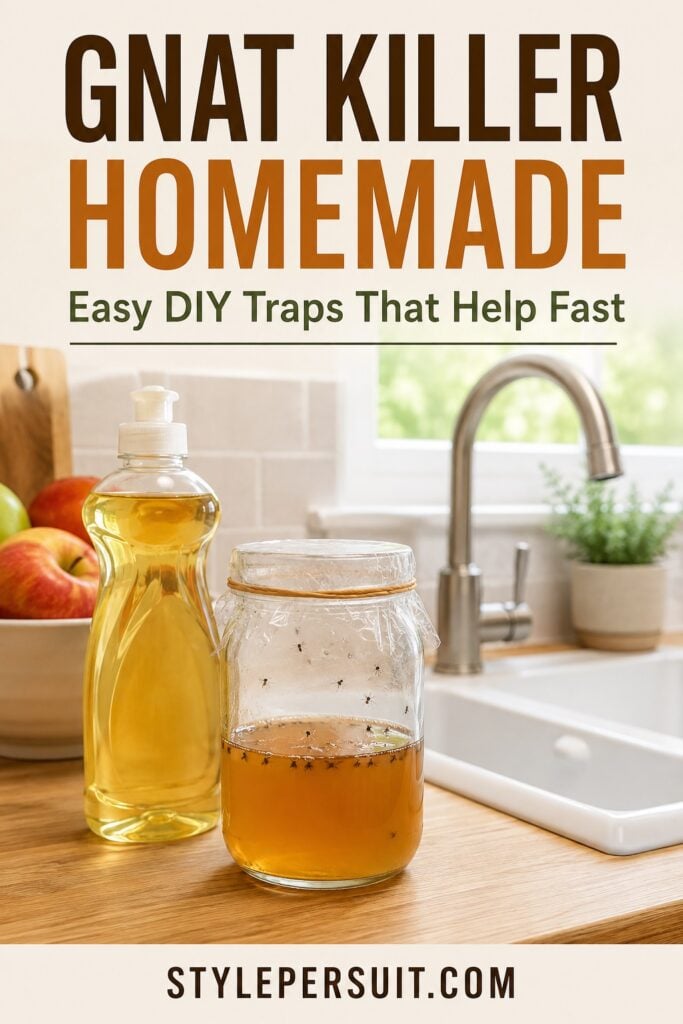
Gnats are tiny, but somehow they can make a whole house feel dirty.
You clean the kitchen. You wipe the counters. You move the fruit bowl. Then one little gnat floats past your face like it pays rent.
Annoying? Very.
The good news is that homemade gnat killers can work well, but there’s one little catch: you have to know where the gnats are coming from.
A vinegar trap on the counter may catch fruit flies, but it won’t fully fix gnats breeding in wet houseplant soil. And a plant treatment won’t solve gnats coming from a dirty drain.
So before you start mixing sprays and setting traps everywhere, let’s make this simple. The best homemade gnat killer is not one single recipe.
It’s a small system: trap the adults, clean the breeding spot, dry out wet areas, and stop giving them food.
That’s how you win.
First, What Kind of Gnats Are You Dealing With?
People call almost every tiny flying bug a “gnat,” but they’re not always the same pest.
You might be dealing with:
Fruit flies
These usually hang around ripe fruit, trash cans, recycling, wine bottles, juice spills, compost bowls, and kitchen counters.
Fungus gnats
These often hover around houseplants. They love damp potting soil. The adults are annoying, but the larvae live in the soil.
Drain flies
These fuzzy little flies hang around sinks, tubs, shower drains, and bathroom areas. They breed in organic buildup inside drains.
Here’s the thing: if you don’t fix the source, the traps will feel like they’re working for two days… then the gnats come right back.
A good way to check is simple:
- Gnats around fruit or trash? Think fruit flies.
- Gnats around plants? Think fungus gnats.
- Gnats around sinks or showers? Think drain flies.
- Gnats everywhere? You may have more than one source.
University extension guidance often recommends drying out houseplant soil and using yellow sticky traps for fungus gnats, because the real problem is usually the damp growing mix where they breed. (University of Maryland Extension)
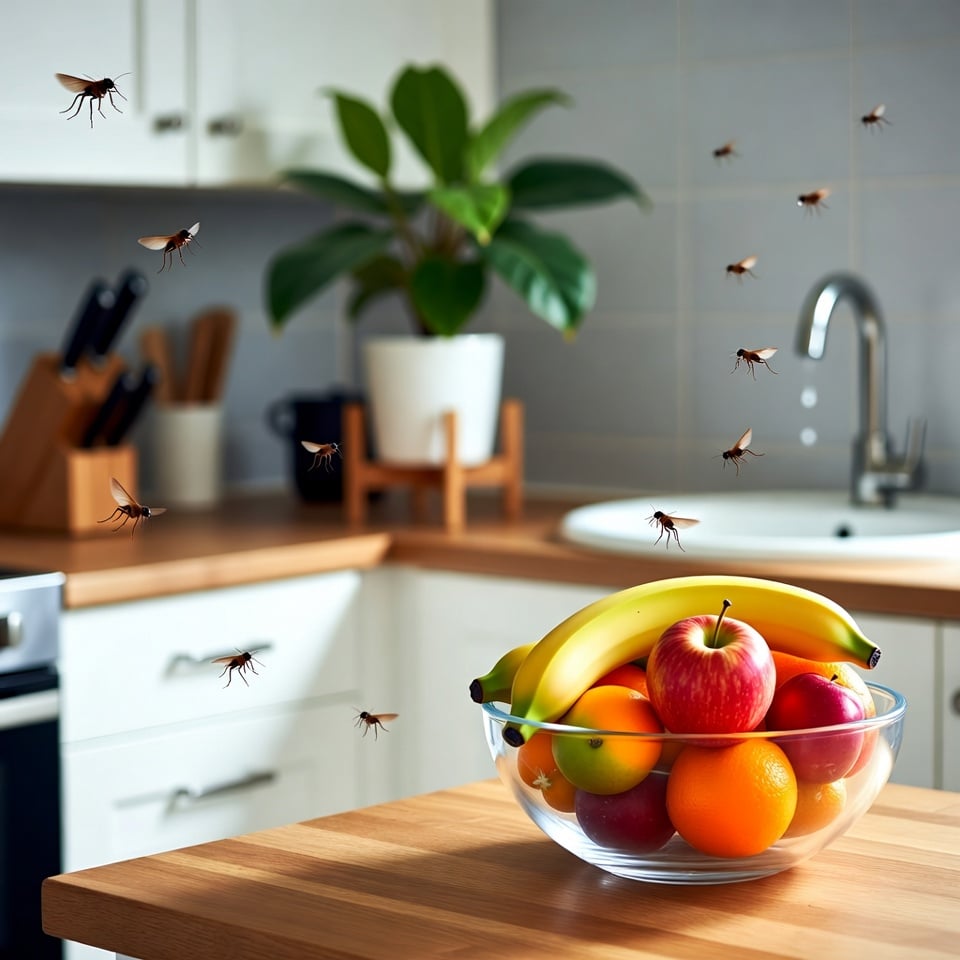
1. Apple Cider Vinegar Gnat Trap
This is the classic homemade gnat killer for kitchen gnats and fruit flies.
It works because fruit flies are attracted to fermented smells. Apple cider vinegar smells like overripe fruit to them, so they fly toward it. The dish soap breaks the surface tension, so when they land, they sink.
A little gross, yes. But effective.
What You Need
- 1/2 cup apple cider vinegar
- 2 to 3 drops dish soap
- Small bowl or jar
- Plastic wrap, optional
- Toothpick, optional
How to Make It
Pour apple cider vinegar into a small bowl or jar.
Add a few drops of dish soap.
Stir gently.
Place the trap near the fruit bowl, trash can, sink, or wherever you see gnats.
For a stronger trap, cover the jar with plastic wrap and poke small holes in the top. Gnats can crawl in, but they have a harder time getting back out.

Best For
This works best for kitchen gnats, fruit flies, and gnats near food scraps.
Small Tip
Use apple cider vinegar, not plain water. The smell is what pulls them in.
Image Concept
Create a realistic close-up kitchen image showing a small glass jar with apple cider vinegar and dish soap on a clean counter near a fruit bowl and cutting board. Use warm kitchen light, amber, white, cream, and natural wood tones. No people, no text.
2. Red Wine Gnat Trap
If you have a tiny bit of leftover wine, don’t throw it out yet.
Gnats love fermented smells, and red wine can work almost like apple cider vinegar. It feels too fancy for a bug trap, but honestly, it works.
What You Need
- 2 to 3 tablespoons red wine
- 2 drops dish soap
- Small jar or bowl
How to Make It
Pour the wine into a small container.
Add dish soap.
Place it near the gnat problem area.
Leave it overnight.
Best For
Fruit flies around the kitchen, wine glasses, fruit bowls, or trash cans.
Small Tip
Don’t use a huge amount. You only need enough scent to attract them.
3. Sugar Water and Dish Soap Trap
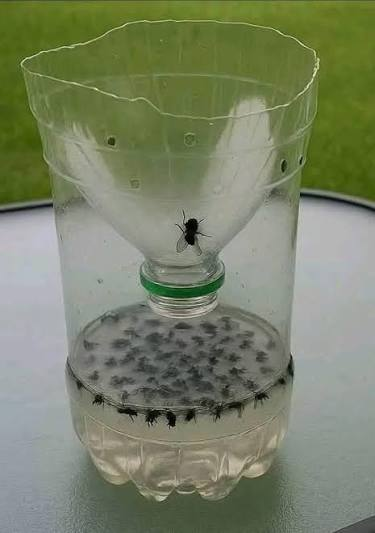
No apple cider vinegar? No wine?
You can still make a simple sweet trap.
It may not be as strong as vinegar for fruit flies, but it can catch gnats that are drawn to sugary smells.
What You Need
- 1/2 cup warm water
- 1 tablespoon sugar
- 2 drops dish soap
- Small bowl
How to Make It
Mix warm water and sugar until dissolved.
Add dish soap.
Place the bowl near gnat activity.
Replace daily until the problem slows down.
Best For
Mild kitchen gnat problems, especially near sticky spills or sweet drinks.
Small Tip
This trap works better when the house is already clean. If there’s an open fruit bowl nearby, the gnats may choose the fruit instead.
4. Mason Jar Funnel Trap
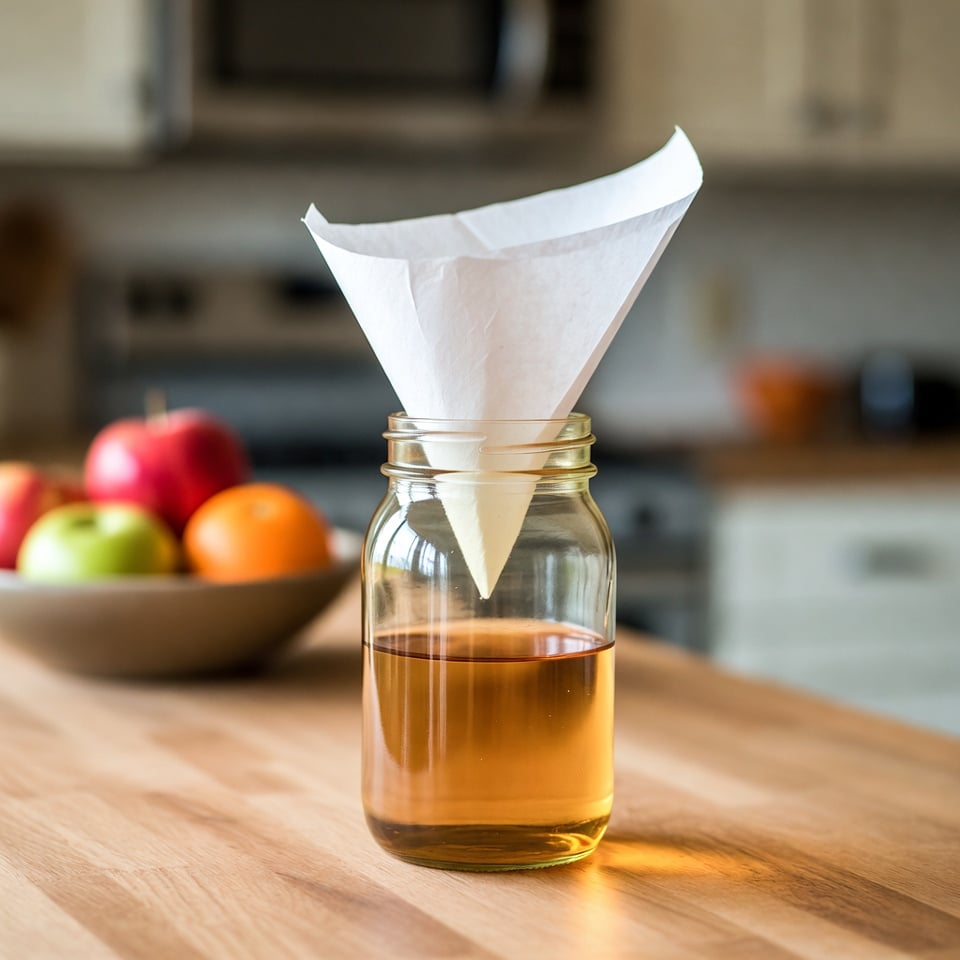
This is one of the best homemade gnat traps because it keeps gnats from escaping easily.
The idea is simple: the gnats smell the bait, fly down through the funnel, then get confused when they try to leave.
It’s a tiny bug maze. Not glamorous, but helpful.
What You Need
- Small mason jar
- Apple cider vinegar
- Dish soap
- Paper funnel or rolled paper
- Tape
How to Make It
Add apple cider vinegar and a drop of dish soap to the jar.
Roll paper into a funnel.
Place the funnel into the jar with the narrow end pointing down.
Tape the funnel so it holds its shape.
Place the trap near the problem area.
Best For
Fruit flies and kitchen gnats that keep escaping open bowl traps.
Small Tip
Make sure the funnel tip does not touch the liquid. Leave space so the gnats fly down into the jar.
5. Yellow Sticky Trap for Plant Gnats
If gnats are flying around your houseplants, a vinegar trap may catch a few, but it won’t solve the real issue.
Fungus gnats breed in moist soil. The adults fly around the plant, but the larvae are down in the potting mix. That’s why plant gnats keep coming back even after you catch the adults.
Yellow sticky traps help catch adult gnats before they lay more eggs.
How to Use Them
Place yellow sticky traps close to the soil surface.
Use one trap per affected plant.
Replace when full.
Keep using them while you dry out the soil.
Best For
Houseplant fungus gnats.
Small Tip
Sticky traps are not pretty, but they tell you which plant is the problem. If one plant’s trap fills up faster than the others, that’s your main source.
6. Dry Out the Soil for Fungus Gnats
This step is boring, but it matters more than almost anything else for plant gnats.
Fungus gnats love damp soil. If you keep watering the plant before the top layer dries out, you’re basically giving them a soft little nursery.
Let the top inch or two of soil dry before watering again, unless the plant is one of those dramatic moisture-loving types that wilts if you look at it wrong.
What to Do
Pause watering for a few days.
Check the soil with your finger.
Only water when the top layer feels dry.
Remove dead leaves from the soil surface.
Avoid letting pots sit in saucers of water.
Try bottom watering if your plant allows it.
Bottom watering lets the roots drink from below while the top of the soil stays drier. That can make the surface less inviting for gnats.
Best For
Fungus gnats in houseplants.
Small Tip
Do not dry out plants that need constant moisture without checking their care needs. Some plants tolerate drying better than others.
7. Hydrogen Peroxide Soil Drench
A mild hydrogen peroxide mix is a popular homemade treatment for fungus gnat larvae in soil.
But go gentle. Plants are living things, not bathroom tiles.
Use common 3% hydrogen peroxide and dilute it with water. Many plant owners use a ratio of 1 part 3% hydrogen peroxide to 4 parts water. Pour it through the soil when the plant is ready for watering, then let the soil drain well.
What You Need
- 3% hydrogen peroxide
- Water
- Measuring cup
- Watering can
How to Use It
Mix 1 part hydrogen peroxide with 4 parts water.
Water the affected plant with the mixture.
Let extra water drain out.
Avoid doing this too often.
Best For
Fungus gnat larvae in houseplant soil.
Small Tip
Test on one plant first if you are nervous. Some plants are more sensitive than others.
8. Cinnamon on Soil Surface
Cinnamon is often used as a gentle home trick for fungus gnats because it may help reduce fungus on the soil surface and fungus is part of what larvae feed on.
Will cinnamon alone wipe out a heavy infestation? Probably not.
But as a helper step, it can be useful, especially after you remove dead leaves and let the soil dry a bit.
How to Use It
Remove dead leaves and debris from the pot.
Let the top soil dry.
Sprinkle a light dusting of cinnamon on the soil surface.
Do not pile it thickly.
Repeat after watering if needed.
Best For
Mild plant gnat problems.
Small Tip
Use this with sticky traps and better watering habits. Cinnamon by itself is not enough for a serious infestation.
9. Sand or Gravel Soil Topper
Fungus gnats like moist organic soil at the top of the pot.
Adding a thin layer of sand or fine gravel can make it harder for adults to lay eggs in the soil. It also helps the surface dry out faster.
This is especially useful for plants that keep attracting gnats even after you reduce watering.
What to Use
- Horticultural sand
- Fine gravel
- Decorative plant stones
- Small aquarium gravel
How to Use It
Remove dead leaves from the pot.
Let the top soil dry.
Add a thin layer of sand or gravel on top.
Keep watering carefully so the pot does not stay soggy underneath.
Best For
Houseplants with repeated fungus gnat issues.
Small Tip
Don’t use outdoor garden soil or dirty sand from the yard. You don’t want to bring in more pests.
10. Drain Cleaning for Drain Gnats
If gnats are coming from the sink, bathroom, shower, or laundry drain, a vinegar bowl on the counter won’t fix the problem.
Drain gnats or drain flies breed in the slimy buildup inside pipes. That means the real “killer” is cleaning the drain, not just trapping adults.
What to Do
Pour boiling water down the drain if your pipes can handle it.
Scrub around the drain opening.
Use a drain brush if needed.
Clean the garbage disposal splash guard.
Use baking soda and vinegar for light buildup.
Flush well with hot water.
Repeat for several days.
For stubborn drain flies, you may need an enzyme drain cleaner made for organic buildup.
Best For
Gnats around sinks, tubs, showers, floor drains, or garbage disposals.
Small Tip
Tape a clear plastic bag lightly over the drain overnight. If flies are trapped inside in the morning, that drain may be the source.
11. Baking Soda and Vinegar Drain Flush
This is a simple drain freshening method for mild organic buildup.
It may not solve a severe drain fly problem on its own, but it can help clean the drain area and reduce smells that attract pests.
What You Need
- 1/2 cup baking soda
- 1 cup white vinegar
- Hot water
How to Use It
Pour baking soda down the drain.
Add vinegar slowly.
Let it fizz for 10 to 15 minutes.
Flush with hot water.
Repeat daily for a few days if needed.
Best For
Mild drain smells and light buildup.
Small Tip
Scrubbing is still important. The fizz helps, but physical cleaning removes the sticky film better.
12. Clean the Fruit Bowl and Trash Area
Sometimes the best homemade gnat killer is not a trap. It’s removing the buffet.
Fruit flies and gnats can breed in tiny bits of food you barely notice: a peach bruise, onion peel, sticky juice under a trash bag, a drip near the recycling bin, or one forgotten potato at the back of the pantry.
You know what? It’s always the potato. Somehow.
What to Clean
Fruit bowls
Trash cans
Recycling bins
Compost containers
Pantry floors
Under appliances
Sink area
Garbage disposal
Empty bottles and cans
Pet food area
Best For
Kitchen gnats and fruit flies.
Small Tip
Store ripe fruit in the fridge while you’re fighting gnats. It cuts off their favorite food source quickly.
13. DIY Spray for Gnats on Surfaces
A light soapy water spray can kill some gnats on contact when they land on safe surfaces.
This is not something to spray all over your kitchen like perfume. Use it carefully on surfaces you can wipe clean.
What You Need
- 1 cup water
- 1 teaspoon dish soap
- Spray bottle
How to Use It
Mix water and dish soap.
Spray directly on gnats when you see them resting on non-food surfaces.
Wipe the area afterward.
Do not spray near food, open drinks, electronics, or delicate plant leaves without testing.
Best For
A quick knockdown when gnats are resting on counters, windows, or tile.
Small Tip
This is a helper, not the whole plan. If breeding sites remain, more gnats will appear.
14. Essential Oil Gnat Deterrent
Some people use peppermint, lemongrass, or eucalyptus scents to make areas less appealing to gnats.
This is more of a deterrent than a true gnat killer. It may help freshen a room or discourage gnats from landing in certain spots, but it won’t remove eggs, larvae, fruit residue, or drain buildup.
Simple Room Deterrent
Add water to a spray bottle.
Add a few drops of peppermint or lemongrass essential oil.
Shake well.
Mist lightly near trash areas, window sills, or plant shelves.
Do not spray directly on pets, food, or sensitive surfaces.
Best For
Light prevention after cleaning.
Small Tip
Essential oils can be irritating to pets, especially cats. Use caution and keep sprays away from pet bedding, bowls, and areas where pets lick.
15. The Best Homemade Gnat Killer Combo
If you want the fastest results, don’t rely on one method.
Use a combo.
For kitchen gnats:
Set apple cider vinegar traps.
Store ripe fruit in the fridge.
Wash trash cans and recycling.
Clean drains.
Wipe sticky spills.
For plant gnats:
Use yellow sticky traps.
Let soil dry.
Remove dead leaves.
Try a hydrogen peroxide soil drench.
Add sand or gravel topping if needed.
For drain gnats:
Scrub drains.
Use baking soda and vinegar.
Flush with hot water.
Clean garbage disposal parts.
Use enzyme drain cleaner for stubborn buildup.
That’s the real secret. Traps catch what’s flying. Cleaning stops what’s hatching.
Common Mistakes That Keep Gnats Coming Back
Only Setting One Trap
One trap may catch adults, but it won’t stop larvae or eggs.
Overwatering Houseplants
Wet soil is fungus gnat heaven.
Leaving Fruit on the Counter
Even one overripe banana can restart the problem.
Forgetting the Drain
Sink buildup can keep gnats around even when the kitchen looks clean.
Not Emptying Trash Often
Food scraps and sticky packaging attract gnats quickly.
Using Too Much Spray
Spray may kill a few adults, but it can’t replace cleaning.
Ignoring Recycling
Empty cans, bottles, and juice containers can hold sweet residue.
Bringing in Infested Plants
New plants can bring fungus gnats into the house.
Image Concept
Create a realistic warning-style image showing common gnat mistakes: overwatered plant, overripe banana, open trash, dirty sink drain, and unrinsed recycling. Use black, yellow, white, green, and warm kitchen tones. No people, no text.
Simple 3-Day Gnat Removal Plan
Day 1: Cut Off the Food
Throw away overripe fruit.
Take out trash.
Rinse recycling.
Clean counters.
Set apple cider vinegar traps.
Check houseplants and drains.
Day 2: Attack the Source
Dry out plant soil.
Add yellow sticky traps.
Scrub drains.
Clean garbage disposal.
Wash trash cans if they smell.
Refresh vinegar traps.
Day 3: Keep Pressure On
Replace traps.
Check which area still has the most gnats.
Treat plant soil if needed.
Flush drains again.
Store fruit in the fridge.
Keep counters dry.
By day three, you should usually see fewer gnats. If they’re still everywhere, you likely missed a breeding spot.
Image Concept
Create a realistic clean-home planning image showing a kitchen counter with vinegar trap, cleaning cloth, houseplant sticky trap, drain brush, and trash bags ready for cleanup. Bright, organized, no text.
When Homemade Gnat Killer Isn’t Enough
Most gnat problems can be handled at home, especially if you catch them early.
But sometimes you may need stronger help.
Consider extra help if:
- Gnats keep coming back after two weeks
- A drain problem smells bad or won’t clear
- Multiple plants are heavily infested
- You see larvae in soil
- Gnats are in every room
- There may be a plumbing leak
- You have a big compost or trash issue nearby
For houseplants, products with Bti are commonly used to target fungus gnat larvae in soil. University of Maryland Extension notes that Bti is used in soil drench products labeled for indoor plants to control fungus gnat larvae. (University of Maryland Extension)
For drains, an enzyme drain product may help break down organic buildup. For severe infestations, pest control may be worth it, especially if you can’t find the source.
Quick Homemade Gnat Killer Recipe Card
Apple Cider Vinegar Gnat Trap
Ingredients
- 1/2 cup apple cider vinegar
- 2 to 3 drops dish soap
- Small jar or bowl
- Plastic wrap, optional
Instructions
Pour apple cider vinegar into the jar.
Add dish soap.
Cover with plastic wrap if desired.
Poke small holes in the top.
Place near gnat activity.
Replace every 1 to 2 days.
Best Used For
Kitchen gnats and fruit flies.
Not Best For
Fungus gnat larvae in plant soil or drain flies breeding inside drains.
FAQs About Homemade Gnat Killer
What is the best homemade gnat killer?
The best homemade gnat killer for kitchen gnats is apple cider vinegar mixed with a few drops of dish soap.
For plant gnats, yellow sticky traps plus drying the soil works better. For drain gnats, cleaning the drain is more important than setting traps.
What kills gnats instantly?
Soapy water spray can kill some gnats on contact, but it only works when you hit them directly. It does not solve the source.
Does apple cider vinegar really kill gnats?
Yes, apple cider vinegar traps can catch and kill many kitchen gnats and fruit flies. It works best when you also remove fruit, trash, and sticky food residue.
Why are gnats still coming back?
They are probably still breeding somewhere. Check drains, fruit bowls, trash cans, recycling, compost, and damp houseplant soil.
How do I get rid of gnats in plants?
Let the top layer of soil dry, remove dead leaves, use yellow sticky traps, and avoid overwatering. For stubborn cases, try a diluted hydrogen peroxide drench or Bti product labeled for indoor plants.
Can I use vinegar on plant gnats?
A vinegar trap may catch a few adult gnats, but it won’t kill larvae in soil. Plant gnats need soil control.
Do gnats come from drains?
Some small flies do breed in drains, especially where there is slimy organic buildup. Scrubbing and flushing drains can help.
Does bleach kill gnats in drains?
Bleach may kill some insects it touches, but it may not remove the organic buildup where drain flies breed. Scrubbing and enzyme drain cleaning are usually more useful.
How long does it take to get rid of gnats?
Mild gnat problems can improve in a few days. Heavier infestations may take one to two weeks because you have to break the breeding cycle.
Final Thoughts
A homemade gnat killer works best when you match the method to the problem.
Apple cider vinegar traps are great for kitchen gnats. Yellow sticky traps and dry soil help with fungus gnats. Drain cleaning helps with gnats coming from sinks and showers.
So don’t just set one bowl of vinegar and hope for a miracle. Set the trap, yes but also clean the source. Toss the bad fruit. Dry the plant soil. Scrub the drain. Rinse the recycling. Empty the trash.
Tiny bugs, simple plan.
And once the gnats are gone, keep the kitchen dry, the plants less soggy, and the fruit bowl under control. That’s how you stop them from turning your home into their little flying kingdom.