
The phrase “kidney cleanse” sounds appealing, especially when you feel bloated, tired, or worried that your body is holding onto waste.
But your kidneys do not need a special detox drink.
Healthy kidneys continuously filter your blood, remove waste and extra fluid through urine, balance minerals such as sodium and potassium, and help regulate blood pressure. No juice, tea, or homemade cleanse can wash toxins out of the kidneys or repair kidney disease.
What certain drinks can do is help you stay hydrated, reduce your intake of sugary beverages, and support habits that protect normal kidney function.
For most healthy adults, plain water remains the best everyday choice. However, naturally flavored water, unsweetened tea, and a few other low-sugar beverages can make hydration more enjoyable.
Medical note: Fluid needs are different for everyone. People with chronic kidney disease, kidney failure, heart failure, swelling, low sodium, or those receiving dialysis may need to limit fluids, potassium, phosphorus, or certain herbal ingredients. Follow the advice of your healthcare professional rather than beginning a “kidney cleanse.”
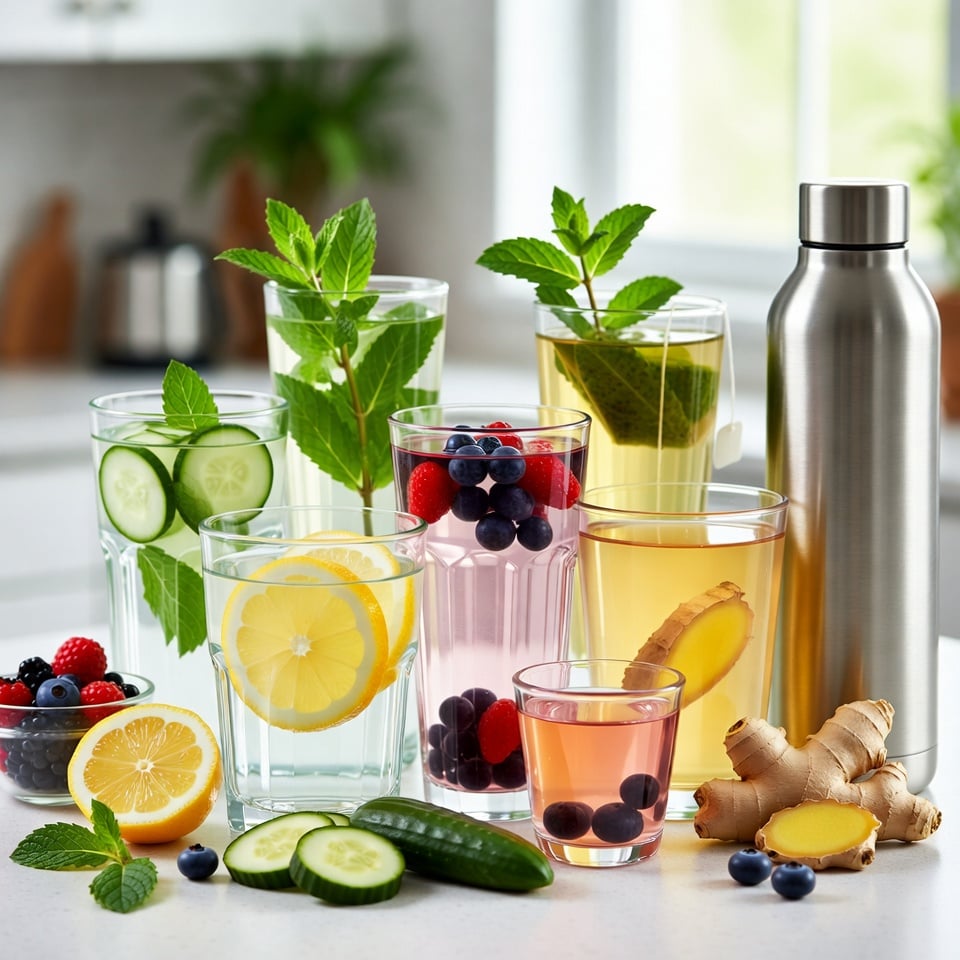
Can Drinks Really Cleanse Your Kidneys?
No drink directly scrubs, detoxifies, or flushes the kidneys.
The kidneys themselves perform the filtering. They remove wastes, extra water, and acids while maintaining the correct balance of water, salts, and minerals in the blood.
Drinking enough fluid helps maintain blood flow and allows healthy kidneys to remove waste in urine. Severe dehydration, especially during illness, exercise, or hot weather, can place stress on the kidneys and may contribute to kidney injury. (National Kidney Foundation)
However, drinking excessive amounts of water does not make the kidneys cleaner. More is not always better, particularly if your kidneys cannot remove extra fluid efficiently.
A more accurate way to think about these drinks is:
- They may help you stay hydrated.
- They may replace sugary sodas or energy drinks.
- Some may help people at risk of certain kidney stones.
- They can support an overall kidney-friendly lifestyle.
- They cannot cure kidney disease or remove kidney stones.
1. Plain Water
Water is the simplest and most reliable drink for supporting normal kidney function.
It helps your blood circulate, carries nutrients throughout the body, and provides the fluid your kidneys use to remove waste through urine. Water is also the most important beverage for many people trying to reduce their risk of kidney stones.
You do not need to force yourself to drink gallons.
Your needs depend on:
- Body size
- Activity level
- Climate
- Pregnancy or breastfeeding
- Illness
- Medications
- Kidney and heart function
- Foods and other beverages consumed
A practical hydration sign for many healthy adults is urine that is pale yellow rather than consistently dark. Clear urine all day does not necessarily mean your kidneys are healthier.
Ways to make water easier to drink include:
- Keeping a reusable bottle nearby
- Drinking a glass with meals
- Drinking before and after exercise
- Taking regular sips in hot weather
- Chilling it if you prefer cold drinks
Helpful option: Check reusable water bottles on Amazon
2. Fresh Lemon Water
Lemon water is simply water with fresh lemon juice added.
It does not detoxify the kidneys, but it may be useful for some people who form certain types of kidney stones. Lemons contain citrate, which can help reduce the formation of some calcium-based stones by binding with calcium in the urine.
NHS kidney-stone guidance recommends drinking water and notes that adding fresh lemon juice may help people trying to prevent stones from returning. (nhs.uk)
Simple lemon-water recipe
Combine:
- 8 to 12 ounces of water
- Juice from one-quarter to one-half lemon
- Ice, if desired
Avoid loading the drink with sugar or syrup, which changes it from flavored water into a sugary beverage.
Because lemon is acidic, frequent sipping may affect tooth enamel. Drink it with meals, consider using a straw, and rinse your mouth with plain water afterward. Do not brush immediately after an acidic drink.
Lemon water is not appropriate as a treatment for an existing kidney stone or severe pain. Seek medical advice if you have intense side or back pain, blood in your urine, vomiting, fever, or difficulty urinating.
3. Cucumber and Mint-Infused Water
Cucumber-mint water does not have special cleansing powers, but it can make plain water more enjoyable without adding much sugar.
That may help people who struggle to drink enough because they find plain water boring.
How to make it
Add to a pitcher:
- 6 to 8 cups of water
- Half a cucumber, thinly sliced
- A handful of fresh mint leaves
- Ice
Allow it to infuse in the refrigerator for one or two hours. Keep it refrigerated and replace it daily rather than leaving cut produce in water for several days.
The benefit comes mainly from hydration, not from cucumber pulling toxins from the kidneys.
This drink is a refreshing alternative to:
- Soda
- Sweet tea
- Fruit punch
- Energy drinks
- Sugary lemonade
People who have been told to restrict fluid should count infused water as part of their daily allowance.
4. Berry-Infused Water
Fresh berries can add flavor and a little color to water without turning it into a high-sugar juice.
Try:
- Strawberries and basil
- Blueberries and lemon
- Raspberries and mint
- Blackberries and lime
Lightly crush a few berries before adding them to the water. This releases more flavor.
Berry-infused water is not the same as a fruit smoothie or juice. Most of the fruit remains uneaten, so the drink provides only a small amount of the fruit’s nutrients and fiber.
Its main advantage is that it may encourage hydration while replacing a sugar-sweetened drink.
If you have chronic kidney disease and have been given potassium restrictions, ask your dietitian which fruits and serving sizes fit your plan. Kidney-friendly diets vary according to blood-test results and stage of disease.
5. Unsweetened Ginger Tea
Ginger tea is a warming, naturally caffeine-free drink made by steeping fresh ginger in hot water.
It is often used for nausea and digestive discomfort, but it should not be described as a kidney detox.
Simple ginger-tea recipe
Use:
- 1 to 2 thin slices of fresh ginger
- 1 cup of hot water
- A squeeze of lemon, optional
Steep for 5 to 10 minutes, then remove the ginger.
Keep the drink unsweetened or use only a small amount of sweetener. Regularly consuming large quantities of sugar can work against overall metabolic and kidney health, particularly for people managing diabetes.
Ask a healthcare professional before drinking concentrated ginger products if you:
- Take blood-thinning medicine
- Have a bleeding disorder
- Are preparing for surgery
- Have gallbladder problems
- Are pregnant and plan to consume large amounts
A mild cup of ginger tea may help with hydration, but it cannot treat kidney infection, kidney stones, or chronic kidney disease.
6. Peppermint Tea
Peppermint tea is another caffeine-free option that can count toward normal daily fluid intake.
It has a cooling flavor and may be useful when you want something other than plain water. Tea and coffee can contribute to daily fluid intake, although water is often the simplest choice.
Choose plain peppermint tea rather than a commercial “kidney detox” blend containing several unknown herbs.
How to prepare it
Steep:
- One peppermint tea bag, or
- One tablespoon of fresh mint leaves
in one cup of hot water for about five minutes.
Avoid adding large amounts of sugar or flavored syrup.
Peppermint may worsen heartburn or reflux in some people. Stop drinking it if it triggers burning, chest discomfort, or regurgitation.
7. Rooibos Tea
Rooibos is a naturally caffeine-free herbal tea with a mild, slightly earthy flavor.
It can be served hot or chilled and may be a useful replacement for sugary tea, soda, or evening coffee.
Rooibos is not proven to cleanse the kidneys. Its practical benefit is that it provides another unsweetened way to consume fluid.
Try it with:
- Cinnamon
- A slice of orange
- A small splash of milk
- Ice and lemon
Avoid packaged rooibos drinks that contain large amounts of added sugar.
People with kidney disease should discuss herbal teas with their healthcare team. “Natural” does not always mean appropriate, and herbal products can interact with medication or contain ingredients that affect potassium, blood pressure, or fluid balance.
8. Unsweetened Green Tea
Unsweetened green tea can be included as part of normal hydration for many healthy adults.
It contains caffeine, although usually less than coffee, and contributes to daily fluid intake. Green tea also contains plant compounds, but this does not mean it flushes toxins or repairs the kidneys.
Drink it in moderate portions and avoid turning it into a sugar-heavy beverage.
Simple iced green tea
Prepare:
- One green tea bag
- One cup of hot water
- Lemon slices
- Ice
Steep for the recommended time, allow it to cool, and pour it over ice.
Avoid highly concentrated green-tea extracts unless your healthcare professional recommends them. Supplements deliver much larger doses than ordinary tea and may cause side effects or interact with medicines.
People who form calcium oxalate stones may need personalized advice about tea and other sources of oxalate. Do not assume that every “healthy” drink is suitable for every type of kidney stone.
9. Low-Fat Milk or an Appropriate Unsweetened Plant Milk
Milk provides fluid as well as protein, calcium, and other nutrients. Unsweetened plant-based milk can also be useful, especially for people who avoid dairy.
However, these drinks are not suitable for every kidney condition.
Depending on the product, milk and plant-based beverages may contain substantial amounts of:
- Potassium
- Phosphorus
- Sodium
- Added sugar
- Phosphate additives
People with reduced kidney function may need to limit some of these nutrients according to their blood-test results. NIDDK advises that fluid and nutrient needs in kidney failure must be personalized because damaged kidneys may not remove extra water and minerals effectively.
For people without kidney restrictions, choose:
- Plain low-fat milk
- Unsweetened almond milk
- Unsweetened oat milk
- Unsweetened soy milk
Check the label for added sugars, sodium, and phosphorus-containing additives.
Do not assume that plant milk is automatically more kidney-friendly than dairy milk. The nutrient content varies widely between brands.
10. Diluted, Unsweetened Cranberry Juice
Cranberry juice is often marketed as a kidney-cleansing drink, but that claim is misleading.
Cranberry products are studied mainly in relation to urinary tract infections, not as a kidney detox. They do not treat an active UTI, and an untreated infection can spread to the kidneys.
A small amount of unsweetened cranberry juice diluted with water can be an occasional alternative to soda.
Simple diluted cranberry drink
Combine:
- 2 to 4 ounces of unsweetened 100% cranberry juice
- 6 to 8 ounces of water
- Ice
Check the label carefully. “Cranberry cocktail” often contains more added sugar than 100% unsweetened cranberry juice.
Cranberry products may interact with warfarin and may not suit everyone with a history of kidney stones. Ask your clinician before consuming cranberry regularly if you take blood-thinning medication or have recurring stones.
Seek medical care for:
- Burning during urination
- Fever
- Side or back pain
- Blood in the urine
- Vomiting
- Urinary symptoms during pregnancy
Juice should not replace testing or antibiotics when a bacterial infection is present.
Drinks Commonly Marketed as Kidney Cleanses
Be cautious with products that promise to “flush,” “detox,” or “repair” the kidneys.
Examples include:
- Parsley cleanses
- Celery-juice cleanses
- Dandelion detox tea
- Apple-cider-vinegar drinks
- Beet juice cleanses
- Baking-soda water
- Aloe drinks
- Concentrated herbal drops
- Multi-day juice fasts
- Laxative detox teas
Some of these drinks may be harmless in ordinary food-sized portions for healthy people. Others may cause diarrhea, dehydration, altered potassium levels, medication interactions, or excessive intake of oxalate, sodium, or sugar.
Kidney disease can reduce the body’s ability to remove potassium and extra fluid. A drink advertised as “natural” may therefore be unsafe for someone whose kidney function is impaired. (NIDDK)
Drinks to Limit for Better Kidney Health
Sugary Soda
Regular soda can add large amounts of sugar without providing fullness or useful nutrition. Frequent sugary-drink consumption can contribute to weight gain, type 2 diabetes, and high blood pressure—two major risk factors for chronic kidney disease. (CDC)
Energy Drinks
Energy drinks may contain large amounts of caffeine, sugar, stimulants, and herbal ingredients. They are not hydration drinks and should not be used as kidney cleanses.
Very Salty Drinks
Some broths, vegetable juices, and electrolyte drinks contain substantial sodium. Too much sodium may raise blood pressure and contribute to fluid retention.
Alcohol
Alcohol does not clean the kidneys and can contribute to dehydration or higher blood pressure. People with kidney disease or those taking certain medications may need to avoid it or follow strict limits.
Detox and Weight-Loss Teas
Some products contain stimulant laxatives or diuretic herbs. They may cause temporary water loss, but that is not toxin removal or fat loss.
How Much Should You Drink?
There is no universal amount that is right for everyone.
Many general health guidelines suggest roughly six to eight cups or glasses of fluid daily, but needs change based on weather, exercise, illness, pregnancy, diet, and medical conditions. Water, milk, and unsweetened tea or coffee can all contribute to fluid intake. (nhs.uk)
You may need more fluid when:
- Exercising
- Working outdoors
- Living in hot or humid weather
- Experiencing fever, vomiting, or diarrhea
- Breastfeeding
You may need less fluid when:
- You have kidney failure
- You receive dialysis
- You have significant swelling
- You have heart failure
- Your clinician has prescribed a fluid restriction
Do not increase your water intake dramatically without medical advice if you have kidney, heart, or liver disease.
Signs You May Be Dehydrated
Possible signs include:
- Dark yellow urine
- Dry mouth
- Thirst
- Headache
- Dizziness
- Fatigue
- Urinating less often
- Constipation
Severe dehydration may reduce blood flow to the kidneys and can contribute to kidney injury. (National Kidney Foundation)
Seek prompt medical care if dehydration occurs with confusion, fainting, inability to keep fluids down, very little urine, rapid heartbeat, or severe weakness.
When to Have Your Kidneys Checked
Kidney disease often develops without obvious early symptoms.
Testing may be especially important if you have:
- Diabetes
- High blood pressure
- Heart disease or heart failure
- A family history of kidney disease
- Previous kidney injury
- Recurrent kidney stones
- Frequent urinary infections
- Long-term use of medicines that may affect the kidneys
Diabetes and high blood pressure are among the most important risk factors for chronic kidney disease. (NIDDK)
Healthcare professionals commonly evaluate kidney health with:
- A blood test that estimates kidney filtration
- A urine test that checks for albumin or protein
- Blood-pressure measurements
- Additional imaging or tests when needed
Frequently Asked Questions
What is the best drink for cleansing the kidneys?
No drink cleanses the kidneys. For most healthy people, water is the best everyday beverage for maintaining hydration and supporting normal kidney function.
Does lemon water cleanse your kidneys?
Lemon water does not detoxify the kidneys. Its citrate content may help some people reduce the recurrence of certain kidney stones, but it is not a treatment for kidney disease or active stone pain. (nhs.uk)
Is cranberry juice good for the kidneys?
Cranberry juice is not a kidney cleanse. It may be consumed occasionally as part of a balanced diet, but it does not cure a urinary tract infection or repair kidney damage.
Can drinking more water reverse kidney damage?
No. Adequate hydration supports normal function, but extra water cannot reverse chronic kidney disease. Treatment focuses on managing causes such as diabetes and high blood pressure and following an individualized medical plan. (NIDDK)
Is clear urine a sign of clean kidneys?
Not necessarily. Clear urine may simply mean you recently drank a lot of fluid. Pale yellow is a reasonable hydration goal for many people, but urine color alone cannot diagnose kidney health.
Is coconut water good for kidney cleansing?
Coconut water does not cleanse the kidneys. It can be high in potassium, making it potentially unsuitable for people whose kidneys cannot remove potassium effectively.
Is dandelion tea safe for the kidneys?
Dandelion tea may have a diuretic effect and can interact with medication. People with kidney disease, fluid restrictions, potassium concerns, or those taking diuretics should speak with a healthcare professional before using it regularly.
Can apple cider vinegar dissolve kidney stones?
There is not enough reliable evidence to recommend apple cider vinegar as a kidney-stone treatment. It may irritate the stomach, damage tooth enamel, and interact with medicines when consumed excessively.
What drink helps prevent kidney stones?
Water is the most important drink for many people trying to prevent kidney stones. Lemon water may also provide citrate, but prevention recommendations depend on the type of stone. (NIDDK)
Final Thoughts
Your kidneys already have a sophisticated filtration system. They do not need to be flushed with an extreme detox drink.
The healthiest approach is usually much simpler:
Drink enough water, choose mostly unsweetened beverages, limit excess sugar and sodium, manage blood pressure and blood sugar, and follow individualized medical advice when you have kidney disease or kidney stones.
Plain water should remain your main drink. Lemon water, cucumber-mint water, berry-infused water, and unsweetened teas can provide variety without making unrealistic cleansing promises.
Most importantly, do not try to treat kidney pain, urinary symptoms, swelling, or abnormal test results with homemade drinks. Those concerns need proper medical evaluation.