
Strawberries look clean when you bring them home, but their uneven surface can hold soil, dust, damaged plant material, and other residue from harvesting, packing, transportation, and handling.
Because strawberries are delicate, washing them properly is not as simple as scrubbing them like an apple or potato. Too much soaking, rough handling, or washing them long before you plan to eat them can leave the berries soft, waterlogged, and more likely to spoil.
A baking soda rinse is a popular way to clean strawberries at home. However, it is important to understand what it can and cannot do.
Baking soda may help loosen surface dirt and residue, but it does not sterilize strawberries or make contaminated food completely safe. Official food-safety guidance recommends washing fresh produce thoroughly under clean running water. Soap, detergent, bleach, and commercial produce washes should not be used because produce can absorb residues that may make you sick.
The safest approach is simple: sort the berries, rinse them gently, use a mild baking soda solution only if desired, rinse again under running water, and dry them thoroughly.
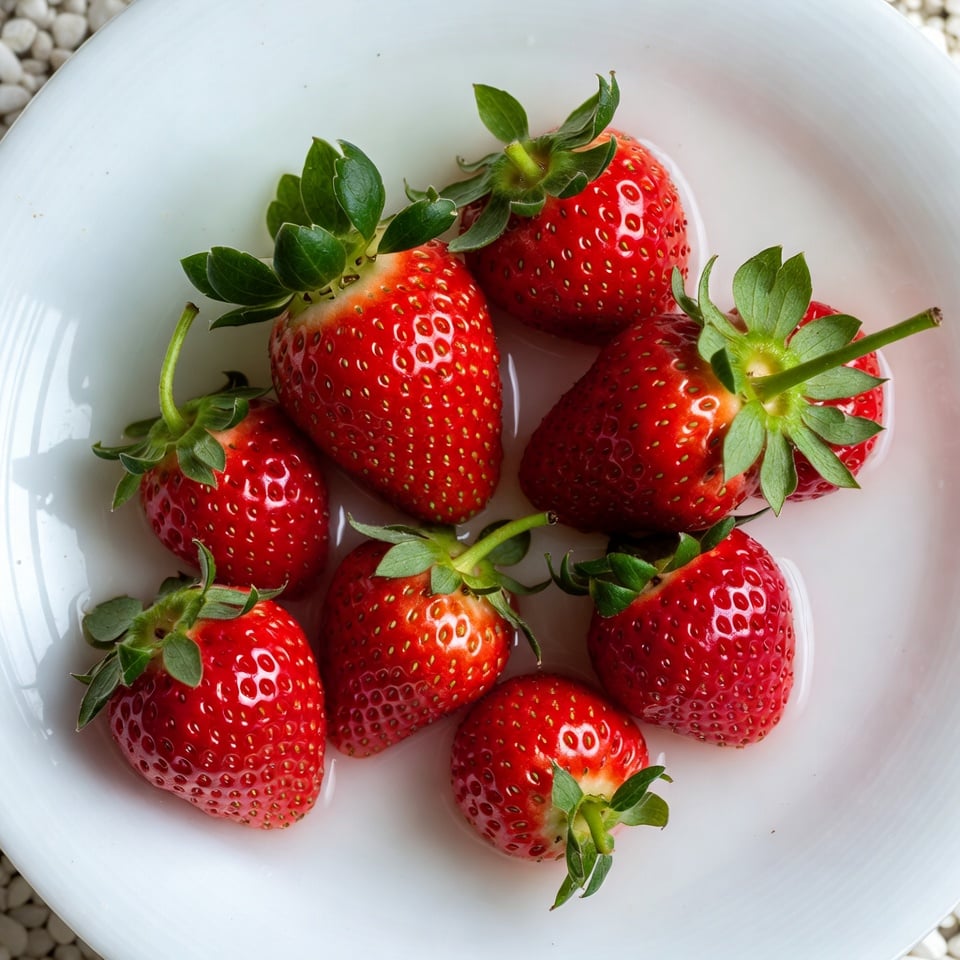
Can You Clean Strawberries With Baking Soda?
Yes, you can use a mild baking soda solution to help wash dirt and surface residue from strawberries.
Baking soda is not necessary for basic produce washing, though. Clean running water remains the standard recommendation from food-safety authorities. Baking soda and vinegar are not considered as risky as soap or detergent, but soaking delicate produce may affect flavor and quality.
The University of Minnesota Extension advises against leaving produce submerged in water for extended periods.
This means a baking soda wash should be:
- Mild rather than highly concentrated
- Brief rather than a long soak
- Followed by a thorough rinse
- Used immediately before eating or preparing the berries
- Followed by careful drying
Do not assume that adding more baking soda or soaking the fruit longer will clean it better. Strong solutions and long soaking can affect the berries’ flavor and texture.
The Best Baking Soda-to-Water Ratio
For a gentle strawberry wash, use:
- 4 cups of cool water
- 1 teaspoon of baking soda
This creates a mild solution that is easy to rinse away.
For a smaller batch, use:
- 2 cups of cool water
- ½ teaspoon of baking soda
You do not need to measure with laboratory precision, but avoid pouring a large amount of baking soda directly over the fruit.
The solution should look mostly clear after stirring. It should not form a thick paste or leave a heavy powder coating on the strawberries.
What You Need
Gather these items before washing:
- Fresh strawberries
- Large clean bowl
- Cool running water
- Baking soda
- Colander or strainer
- Clean paper towels or kitchen towels
- Clean storage container, if you are not eating them immediately
Helpful option: Look for a berry colander and storage container on Amazon.
How to Clean Strawberries With Baking Soda
Step 1: Wash Your Hands
Wash your hands with soap and water before touching the strawberries.
Your hands can transfer dirt and microorganisms to food, especially if you have recently handled shopping bags, raw meat packaging, money, phones, pets, or kitchen waste.
Use a clean bowl and colander as well. Washing berries in a dirty sink or container defeats the purpose.
Step 2: Sort the Strawberries
Examine the berries before adding them to the bowl.
Remove strawberries that are:
- Moldy
- Crushed
- Leaking liquid
- Slimy
- Badly bruised
- Unusually soft
- Sour or fermented-smelling
Do not rely on washing to rescue visibly spoiled fruit. FDA guidance recommends discarding produce that looks rotten. (U.S. Food and Drug Administration)
If one strawberry has visible mold, inspect the berries touching it carefully. Strawberries are soft, high-moisture fruits, so mold can spread beneath the surface more easily than it can in firm produce.
When in doubt, throw the questionable berry away.
Step 3: Keep the Green Tops Attached
Leave the green leafy caps on while washing.
Removing the tops before washing exposes the softer interior and creates an opening through which water can enter. This may dilute the flavor and make the berries softer.
Wash the strawberries whole, dry them, and remove the tops immediately before eating, slicing, or cooking.
Step 4: Rinse Away Loose Dirt
Place the strawberries in a colander and rinse them gently under cool running water.
Turn and move them carefully with clean hands so water reaches different sides. Do not crush or rub them aggressively.
This first rinse helps remove loose dirt and plant debris before the baking soda solution is introduced.
FDA and USDA guidance recommends washing produce under running water rather than using soap, detergent, or commercial produce wash. (U.S. Food and Drug Administration)
Step 5: Prepare the Baking Soda Solution
Fill a clean bowl with four cups of cool water and add one teaspoon of baking soda.
Stir until the baking soda dissolves.
Use cool water rather than hot water. Hot water can soften delicate berries and may damage their surface.
Do not add dish soap, bleach, hydrogen peroxide, essential oils, or another household cleaner.
Step 6: Wash the Strawberries Briefly
Place the strawberries in the baking soda water.
Move them gently through the solution with clean hands for approximately 30 to 60 seconds. You can let them remain in the solution briefly, but avoid leaving them submerged for a long period.
Although many online methods recommend soaking berries for 10 to 15 minutes, strawberries absorb moisture easily. Long soaking may affect their texture and flavor and can speed deterioration if they are not dried completely. Extension guidance recommends avoiding prolonged soaking for produce quality and safety. (Nation Institute of Food and Agriculture)
The goal is a gentle wash—not marinating the fruit.
Step 7: Rinse Thoroughly
Transfer the strawberries to a clean colander.
Rinse them thoroughly under cool running water, turning them carefully so any baking soda residue is removed.
Do not skip this step. Baking soda left on the berries may produce a salty, bitter, or chalky taste.
Continue rinsing until the fruit feels clean and no powdery residue remains.
Step 8: Dry the Strawberries Completely
Spread the strawberries in a single layer on clean paper towels or a clean kitchen towel.
Gently pat the tops and sides dry. Allow them to air-dry for a few additional minutes if necessary.
This is one of the most important steps because excess surface moisture encourages berries to soften and deteriorate more quickly.
Avoid piling wet strawberries into a closed container. Moisture trapped between them can create an environment where spoilage spreads rapidly.
Step 9: Eat or Store Them
The best time to wash strawberries is shortly before eating or preparing them.
If you must store washed strawberries:
- Make sure they are completely dry.
- Line a clean container with a dry paper towel.
- Arrange the berries loosely rather than packing them tightly.
- Leave some airflow if the container design allows it.
- Refrigerate promptly.
- Check them daily and remove any berry that begins to spoil.
Washing produce before storage can increase moisture and speed spoilage, which is why food-safety guidance generally recommends waiting until shortly before use. (Nation Institute of Food and Agriculture)
The Quickest Way to Wash Strawberries
When you do not want to use baking soda, follow this simpler method:
- Wash your hands.
- Remove spoiled or damaged berries.
- Keep the leafy tops attached.
- Place the strawberries in a colander.
- Rinse them under cool running water.
- Turn them gently with your fingers.
- Dry thoroughly.
- Remove the tops and serve.
Running water alone is the standard recommended method and is sufficient for everyday strawberry washing. (U.S. Food and Drug Administration)
Baking soda is an optional extra step rather than a requirement.
Should You Wash Strawberries as Soon as You Buy Them?
Usually, no.
Strawberries last longer when stored dry and washed shortly before use.
Bringing them home, washing the entire package, and putting the berries away while slightly damp can shorten their storage life. Even small amounts of moisture left around the stems or between touching berries may contribute to softness and mold.
Instead:
- Inspect the container when you get home.
- Remove any crushed or spoiled berries.
- Refrigerate the remaining unwashed strawberries.
- Wash only the amount you plan to use.
If you prefer washing the entire package in advance for convenience, dry every berry carefully and store them in a clean container lined with a dry paper towel.
Should You Remove the Strawberry Tops Before Washing?
No. Wash the berries before removing their leafy tops.
Keeping the cap attached helps reduce the amount of water entering the fruit. It also makes the berries easier to handle without squeezing their softer cut surfaces.
Once the berries are clean and dry, remove the tops with a small knife, strawberry huller, or clean fingers.
Helpful option: Check strawberry hullers on Amazon.
Does Baking Soda Remove Pesticides From Strawberries?
A baking soda wash may help remove some residue present on the surface, but it cannot guarantee that all pesticide residue will be removed.
How much remains depends on factors such as:
- The pesticide used
- When it was applied
- Whether it remains on the surface or enters plant tissue
- The shape and condition of the berry
- How the strawberries were handled
- The washing method
No home-washing method can make a reliable promise that every trace will disappear.
Washing strawberries remains worthwhile because it can reduce dirt and some material present on the surface. However, baking soda should not be marketed as a complete pesticide-removal or sterilizing treatment.
People who prefer organically grown strawberries should still wash them. Organic produce can also collect soil, dust, and microorganisms during growing, harvesting, transport, and handling. FDA guidance recommends washing produce regardless of where it was grown or purchased. (U.S. Food and Drug Administration)
Does Baking Soda Kill Bacteria on Strawberries?
Do not rely on baking soda to kill all harmful bacteria.
Washing can reduce some dirt and microorganisms on a berry’s surface, but it does not sterilize the fruit. It also cannot reliably reverse contamination that has entered damaged tissue.
The safest habits include:
- Buying fruit that is not moldy or badly damaged
- Refrigerating it promptly
- Keeping it separate from raw meat and poultry
- Washing your hands and utensils
- Rinsing berries under clean running water
- Discarding spoiled fruit
- Eating cut berries promptly
People who are pregnant, older, immunocompromised, or preparing food for very young children should be especially careful with produce handling.
Baking Soda vs. Vinegar for Cleaning Strawberries
Both baking soda and diluted vinegar are popular home methods, but neither is required for washing fresh produce.
Baking soda
A mild baking soda rinse may help loosen surface residue. It must be rinsed away thoroughly to avoid an unpleasant taste.
Vinegar
Vinegar is acidic and may leave strawberries tasting sour if too much is used or if the berries are not rinsed thoroughly.
Running water
Running water is the simplest and most consistently recommended method. It introduces no extra flavor and does not leave cleaning-product residue.
The University of Minnesota Extension notes that vinegar and baking soda may affect the flavor of produce and advises against prolonged soaking. (University of Minnesota Extension)
Do not combine baking soda and vinegar and expect a stronger fruit cleanser. The bubbling reaction may look powerful, but the acid and base largely neutralize each other.
Can You Use Salt Water to Wash Strawberries?
Some people soak strawberries in salt water because they want to remove small insects or debris.
A mild salt-water rinse may loosen surface material, but soaking the berries can also affect taste and texture. It is unnecessary for most commercially purchased strawberries.
Running water and gentle handling remain the simplest choice.
If berries from a home garden contain visible soil or tiny insects, rinse them thoroughly under running water and inspect them individually.
Can You Wash Strawberries With Dish Soap?
No.
Do not wash strawberries with:
- Dish soap
- Hand soap
- Laundry detergent
- Bleach
- Disinfecting spray
- Household cleaning products
- Commercial produce wash
Fresh produce is porous and may absorb soap or detergent. FDA and USDA guidance specifically advises consumers not to use these products on fruits and vegetables. (U.S. Food and Drug Administration)
Even when strawberries are rinsed afterward, soap residue may remain and can cause illness.
How to Keep Strawberries Fresh Longer
Choose Dry, Firm Berries
Look for strawberries that are bright, firm, and free from leaking liquid or large soft patches.
Avoid containers with juice collected at the bottom because this may indicate crushed or deteriorating berries.
Check the Bottom of the Container
Mold often begins where it is hardest to see.
Turn the package carefully and inspect the bottom before buying. Look for white or gray fuzzy growth, crushed berries, and excessive moisture.
Refrigerate Promptly
Do not leave strawberries in a warm car or on the counter for long periods.
Place them in the refrigerator after shopping unless you plan to eat them immediately.
Keep Them Dry
Moisture is one of the biggest storage problems for fresh berries.
Do not wash them until needed, and replace a damp storage paper towel with a fresh dry one.
Remove Spoiled Berries Quickly
One soft or moldy berry can affect the surrounding fruit.
Check the package every day and remove deteriorating berries before the problem spreads.
Do Not Crowd Them
Strawberries bruise easily.
A shallow container that allows the fruit to rest loosely is better than a deep container that presses the berries together.
How to Wash Strawberries for Different Uses
For Eating Fresh
Rinse the berries shortly before serving, dry them, and remove the tops.
For Smoothies
Wash, dry, and hull the strawberries. Use immediately or freeze them in a single layer before transferring them to a freezer bag.
For Baking
Clean and dry them thoroughly. Extra water may affect cakes, muffins, pies, and other recipes.
For Chocolate-Covered Strawberries
The berries must be completely dry before dipping. Even a small amount of water can cause melted chocolate to seize or slide from the fruit.
For Freezing
Wash, dry, remove the tops, and arrange the strawberries in one layer on a tray. Freeze until firm, then move them into a freezer-safe container.
Freezing them separately first helps prevent them from forming one solid frozen block.
Common Strawberry-Washing Mistakes
Washing Them Too Early
Washing berries days before eating introduces moisture and can shorten their freshness.
Leaving Them Soaking Too Long
A lengthy soak may leave strawberries soft and watery.
Using Too Much Baking Soda
A strong solution may leave a chalky or bitter taste.
Forgetting the Final Rinse
The berries should always be rinsed thoroughly after a baking soda wash.
Removing the Tops First
This exposes the interior and allows more water to enter.
Storing Them Wet
Damp berries spoil more quickly than dry berries.
Using Soap
Soap and detergent are not recommended for washing produce and may be absorbed by the fruit. (U.S. Food and Drug Administration)
Assuming Washing Fixes Spoilage
Moldy, slimy, or rotten berries should be discarded rather than washed and eaten.
Simple Strawberry-Washing Checklist
- Wash your hands
- Use a clean bowl and colander
- Remove spoiled strawberries
- Leave the green tops attached
- Rinse under cool running water
- Mix one teaspoon of baking soda into four cups of water
- Gently wash the berries for 30 to 60 seconds
- Rinse thoroughly under running water
- Dry every berry completely
- Remove the tops after washing
- Eat promptly or refrigerate in a clean container
Frequently Asked Questions
How long should strawberries sit in baking soda water?
A brief wash of approximately 30 to 60 seconds is enough for this gentle method. Avoid soaking delicate strawberries for long periods because they may absorb water and lose flavor and texture.
How much baking soda should I use to clean strawberries?
Use approximately one teaspoon of baking soda for four cups of cool water. The mixture should be mild and easy to rinse away.
Is it better to wash strawberries with vinegar or baking soda?
Neither ingredient is necessary. Running water is the standard recommended method. Baking soda or vinegar may be used in a mild solution, but both can affect taste if the berries are soaked too long or not rinsed properly. (University of Minnesota Extension)
Does baking soda make strawberries last longer?
Not necessarily. Moisture introduced during washing may cause berries to spoil faster if they are not dried completely. Proper refrigeration, removing spoiled berries, and keeping the remaining fruit dry are more important.
Can I wash strawberries with baking soda before storing them?
You can, but waiting until shortly before eating is generally better. When washing in advance, dry every berry thoroughly and refrigerate them in a clean container lined with a dry paper towel.
Should I rinse strawberries after baking soda?
Yes. Rinse them thoroughly under cool running water to remove baking soda and loosened residue.
Does baking soda change the taste of strawberries?
It can leave a salty, bitter, or chalky taste when the solution is too strong, the soak is too long, or the berries are not rinsed properly.
Can baking soda remove mold from strawberries?
No. Do not try to wash visible mold away. Discard moldy, slimy, rotten, or leaking berries.
Should strawberries be washed in hot or cold water?
Use cool running water. Hot water can soften and damage delicate berries.
Can I wash all berries with baking soda?
The same mild approach may be used with other sturdy berries, but raspberries and blackberries are extremely delicate. For those fruits, a gentle rinse under cool running water shortly before eating is usually more practical.
Final Thoughts
Cleaning strawberries with baking soda can be a simple optional step, but it should not become a long or complicated soaking routine.
Mix one teaspoon of baking soda with four cups of cool water, move the strawberries gently through the solution for 30 to 60 seconds, rinse them thoroughly, and dry them completely.
More importantly, remember that clean running water is the standard recommendation for washing fresh produce. Do not use soap, detergent, bleach, or household disinfectants.
Wash strawberries shortly before eating, keep the green tops attached during washing, and discard fruit that is moldy or spoiled.
That simple routine helps preserve the berries’ flavor and texture while removing surface dirt properly.