Ticks are tiny, but they can make a simple walk, hike, camping trip, or backyard afternoon feel stressful fast. One minute, you and your dog are enjoying the fresh air.
The next, you’re checking socks, shoes, pant legs, fur, ears, paws, collars, and every little hidden spot wondering, Did a tick crawl on us?
And honestly, that worry makes sense.
Ticks are not just annoying outdoor pests. They can attach to both humans and dogs, feed on blood, and in some areas, spread tick-borne illnesses.
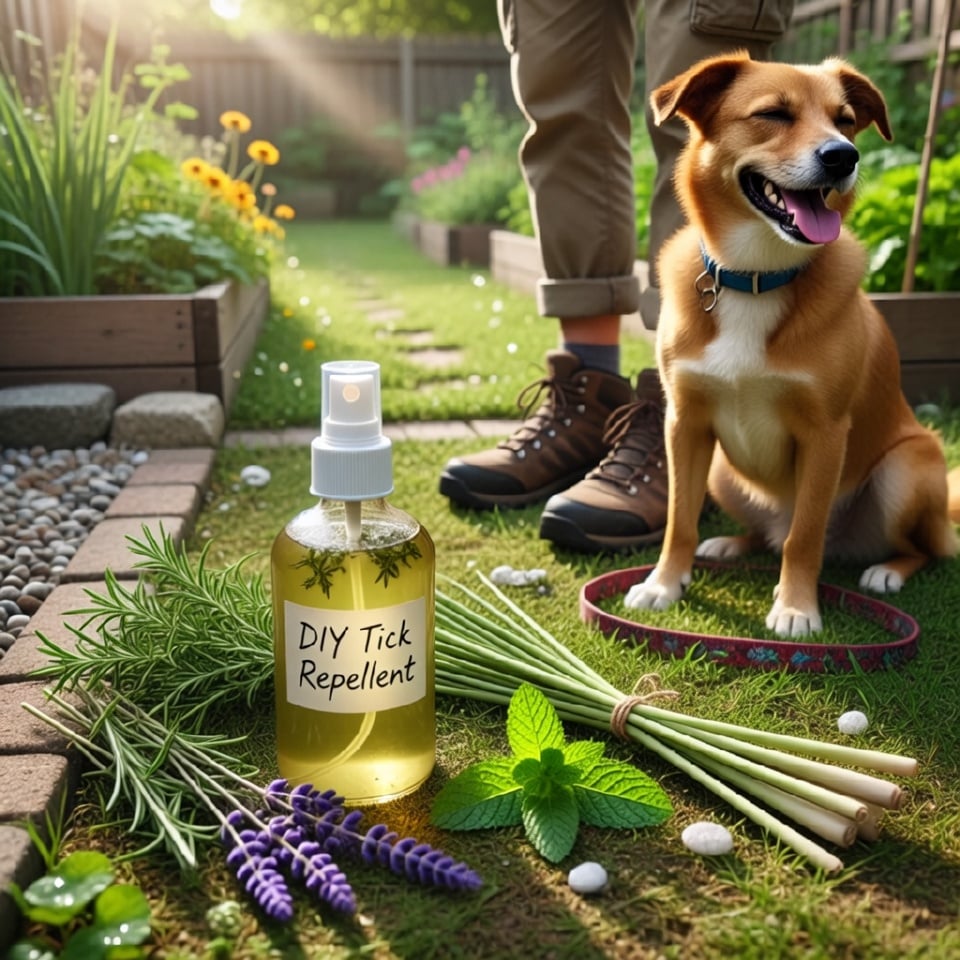
That does not mean you need to be afraid of every patch of grass, but it does mean having a smart tick prevention routine for humans and dogs is worth it, especially during warm weather.
The best tick repellent for humans and dogs usually comes down to a mix of safe repellents, dog-safe tick prevention, protective clothing, yard maintenance, and regular tick checks after outdoor time. The important thing to remember is this: humans and dogs should not always use the same tick repellent.
Read about: Natural Flea Remedies for Your Home and Cats and Dogs
A product that is safe for your shoes, socks, or skin may not be safe for your dog’s fur, skin, or mouth. Dogs lick themselves.
They roll around. Their noses are sensitive. So when it comes to safe tick repellent for dogs, you want to be extra careful.
Let’s walk through the best ways to keep ticks away from humans and dogs naturally and safely.
Why Tick Prevention Matters for Humans and Dogs
Ticks are commonly found in grassy, wooded, brushy, and leafy areas. They do not jump or fly. Instead, they wait on grass, shrubs, low branches, and leaf litter until a person or animal brushes past. Then they latch on and crawl until they find a warm, hidden place to bite.
That is why dogs pick up ticks so easily. They sniff through tall grass, walk along fence lines, explore under bushes, roll in the yard, and follow scents into places where ticks like to hide.
For humans, ticks often start low. They crawl onto shoes, socks, pant legs, ankles, and lower legs before moving upward. For dogs, ticks commonly hide around the ears, paws, collar area, belly, tail, armpits, and groin.
The CDC recommends avoiding wooded and brushy areas with high grass and leaf litter, walking in the center of trails, using EPA-registered repellents, and treating clothing and gear with 0.5% permethrin when appropriate.
So if you’re searching for how to prevent tick bites naturally, the best answer is not just one spray. It is a complete routine.
Read about: How to Get Rid of Fleas on Dogs (Without Losing Your Mind)
DIY Tick Repellent Spray for Humans

This is one of the easiest homemade tick repellent ideas for adults who want something simple before gardening, hiking, camping, or walking the dog.
This spray is best used on shoes, socks, pant legs, hats, and clothing, not as your only protection in heavy tick areas.
These natural repellents work but if ticks are already in your yard, you need to treat the source. The Pest-Free Home Playbook covers tick prevention for your body, your dog, AND your yard with exact natural recipes.
You’ll need:
- 1 cup witch hazel
- 1 cup distilled water
- 1 tablespoon apple cider vinegar
- 10 drops cedarwood essential oil
- 8 drops lavender essential oil
- 5 drops lemongrass essential oil
- 1 clean spray bottle
Read about: How to Kill Fleas on Carpet (Before They Take Over Your Whole House)
How to make it:
Pour the witch hazel and distilled water into a clean spray bottle. Add the apple cider vinegar, then add the essential oils. Shake well before every use because oil and water naturally separate.
Spray lightly over your shoes, socks, pant legs, and outer clothing before going outside. Avoid spraying near your eyes, mouth, broken skin, or sensitive areas.
This kind of homemade tick repellent for humans is nice for light outdoor use, especially if you’re working in the garden or walking through a low-risk area.
But if you live somewhere with lots of ticks, or you’re hiking through woods and tall grass, an EPA-registered repellent is still the more reliable choice for skin protection.
Do not spray this on your dog.
DIY Tick Repellent for Shoes and Socks
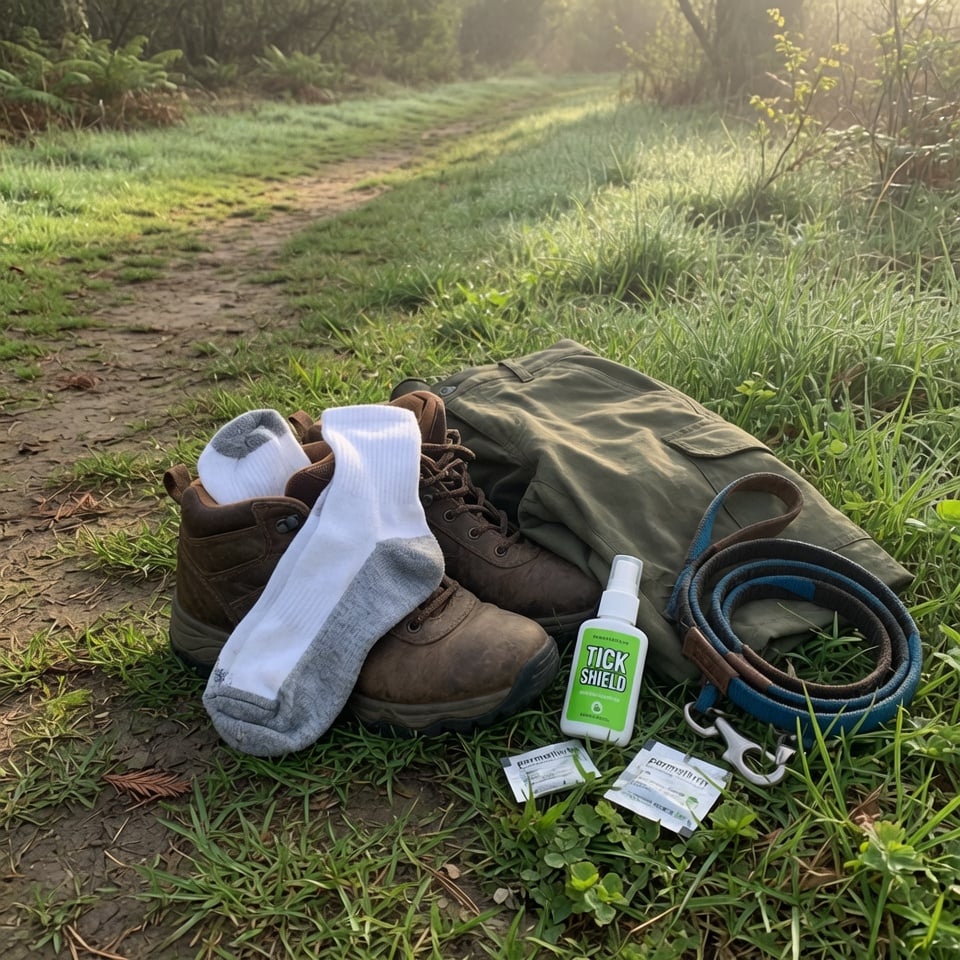
Ticks often start low. They crawl onto shoes, socks, pant legs, and ankles first. That is why your shoes and socks are one of the smartest places to focus.
You’ll need:
- DIY herbal tick spray or an EPA-registered repellent
- Long socks
- Closed-toe shoes
- Long pants
- Optional: permethrin clothing treatment
How to use it:
Before going outside, spray your shoes, socks, and the bottom of your pant legs. If you are using a homemade spray, let it dry for a minute before walking through grass. If you are using permethrin, follow the product label exactly and only use it on clothing and gear, never directly on skin.
Permethrin-treated clothing and gear can be especially helpful for ticks because the CDC notes that 0.5% permethrin can be used to treat boots, clothing, and camping gear. (CDC)
For a simple DIY-style routine, tuck your pants into your socks before walking in tall grass. It may look funny, but it helps stop ticks from crawling under your clothes unnoticed.
This is one of the easiest tick prevention tips for dog owners, because most people pick up ticks while walking through the same grassy areas their dogs love.
DIY Tick Repellent Clothing Routine
If you want a more practical natural tick prevention routine, your clothing matters just as much as sprays.
You’ll need:
- Light-colored long pants
- Long socks
- Closed shoes or boots
- Long-sleeved shirt
- Lint roller
- Laundry basket near the door
How to do it:
Wear light-colored clothes when walking through tall grass, hiking trails, wooded paths, or brushy areas. Ticks are easier to spot on pale fabric than on black leggings or dark jeans.
When you come inside, use a lint roller over your pants and socks. Then remove outdoor clothes and place them directly in a laundry basket. Shower if possible and check hidden areas like behind the knees, waistline, underarms, behind ears, and hairline.
For clothes that may have ticks on them, drying on high heat can help. The goal is to stop ticks before they reach your skin or your furniture.
This section naturally targets searches like how to keep ticks off your body, what to wear to avoid ticks, and tick repellent for hiking with dogs.
DIY Tick Prevention for Dogs
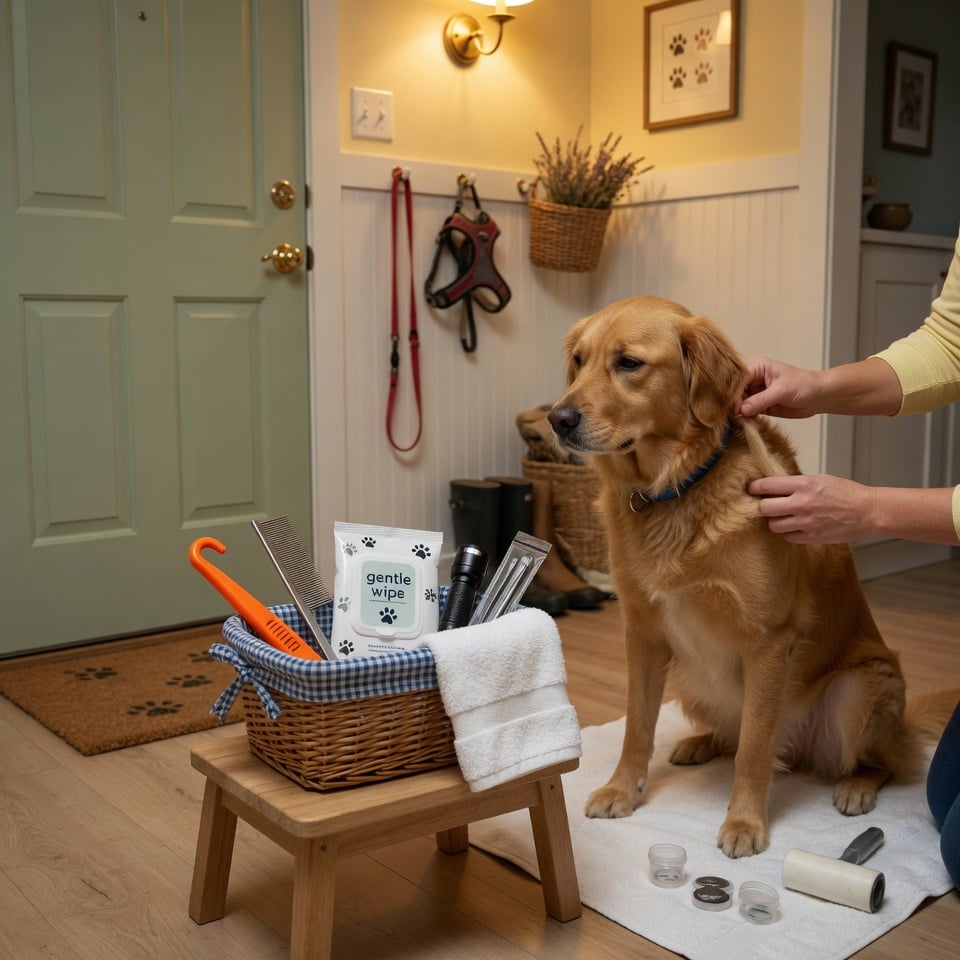
Now let’s talk about your dog.
When people search for DIY tick repellent for dogs, they often find recipes with essential oils. But this is where you need to be very careful. Dogs can lick sprays off their fur, absorb ingredients through their skin, or react badly to strong scents.
So instead of putting homemade essential oil sprays directly on your dog, the safer DIY approach is to focus on your dog’s environment, bedding, walking route, grooming routine, and tick checks.
You’ll need:
- Fine-tooth flea comb or pet comb
- White towel
- Good lighting
- Dog-safe wipes or damp cloth
- Tick remover tool
- Vet-approved flea and tick preventive
How to do it:
After every walk in tall grass, woods, or brushy areas, have your dog stand on a white towel. This makes tiny ticks easier to see if they fall off during grooming. Slowly run your hands over your dog’s body, feeling for tiny bumps.
Check around the ears, under the collar, between the toes, under the legs, around the belly, tail, armpits, and groin. These are common places ticks hide on dogs.
Use a comb for thick fur and a damp cloth to wipe down paws, legs, and belly after outdoor time. This simple routine is one of the safest natural ways to keep ticks off dogs because you are physically removing ticks before they attach or stay hidden.
For actual tick-killing protection, use a vet-approved product. The EPA warns that pet flea and tick products should only be used for the animal species and size listed on the label. (US EPA)
Don’t just repel ticks eliminate them from your yard entirely.
The Pest-Free Home Playbook covers ticks + 24 other pests, exact natural spray recipes for humans, dogs, and outdoor spaces. No DEET, no chemicals. Get the full guide →
DIY Dog Tick Check Station by the Door
You’ll need:
- Small basket
- Tick remover tool
- Pet comb
- Dog-safe wipes
- White towel
- Small flashlight
- Zip bag or small container
- Pair of tweezers
How to set it up:
Place a small basket near the door your dog uses most often. Add a tick remover tool, comb, wipes, white towel, and flashlight. After walks, bring your dog to this spot and do a quick check before they jump on the couch or bed.
Use the white towel under their paws so you can see anything that falls off. Check the ears, collar area, toes, belly, and tail. If your dog has long fur, part the fur slowly and use a flashlight.
This kind of tick prevention checklist for dog owners is simple but powerful. It turns tick checks into a habit instead of something you only remember after finding a tick later.
DIY Tick Repellent Yard Spray
This spray is for outdoor surfaces and garden edges — not for dogs or human skin.
You’ll need:
- 1 gallon water
- 1 cup white vinegar
- 10 drops cedarwood essential oil
- 10 drops lemongrass essential oil
- 1 tablespoon mild castile soap
- Garden sprayer
How to make it:
Add water to a garden sprayer, then mix in the vinegar, essential oils, and mild castile soap. Shake gently.
Spray lightly around patio edges, fence lines, garden borders, under shrubs, and areas where your dog does not lick or lie down. Let the area dry before allowing pets back outside.
This DIY yard spray may help freshen outdoor areas and discourage some pests, but it should not be your only tick control method in a serious tick area.
The most effective yard routine is still physical cleanup: mow grass, remove leaves, trim shrubs, clear brush, and reduce damp shaded hiding spots.
DIY Tick-Repelling Yard Cleanup Routine
This is one of the best “natural” tick prevention methods because it does not require spraying anything on your dog.
You’ll need:
- Lawn mower
- Rake
- Garden gloves
- Trash bags
- Pruning shears
- Mulch, gravel, or wood chips
How to do it:
Start by mowing the lawn short, especially around fence lines, garden beds, dog runs, and shaded corners. Ticks love tall grass and messy edges because those areas stay damp and protected.
Next, rake up leaf litter and remove piles of dead plants, sticks, and brush. Trim back shrubs and low branches so more sunlight reaches the ground. Ticks prefer humid, shaded places, so a cleaner and brighter yard is less inviting.
If your yard borders woods or tall grass, create a barrier using mulch, gravel, or wood chips. This separates your main yard from tick-heavy areas and makes it easier to keep your dog in safer zones.
This section naturally targets how to keep ticks out of your yard, backyard tick prevention for dogs, and how to reduce ticks in backyard naturally.
DIY Tick-Repelling Plants Around Patios and Dog Areas
Plants alone will not completely stop ticks, but they can be part of a nice natural pest prevention setup, especially around patios, walkways, and porch areas.
Tick-repelling plants to consider:
- Lavender
- Rosemary
- Mint
- Lemongrass
- Marigolds
- Sage
- Garlic chives
How to use them:
Plant aromatic herbs and flowers near patios, garden paths, porch steps, and outdoor seating areas. You can also grow them in containers if you do not want them spreading through the garden, especially mint.
These plants can help create a cleaner, fresher outdoor space and may discourage some pests, but they should not replace tick checks, yard cleanup, or vet-approved dog tick prevention.
For a Pinterest-friendly angle, you can call this section “Plants That Help Keep Ticks Away Naturally.”
DIY Tick Prevention for Camping With Dogs
Camping with dogs is fun, but it also increases tick exposure because you’re usually around grass, leaves, woods, and wildlife.
Pack this DIY tick kit:
- Tick remover tool
- Fine-tooth comb
- Dog-safe wipes
- White towel
- Flashlight
- EPA-registered repellent for humans
- Treated socks or outdoor pants
- Vet-approved dog tick preventive
- Zip bag for removed ticks
How to use it:
Before leaving, make sure your dog’s tick prevention is current. Spray your own shoes, socks, and clothing with a suitable tick repellent. Keep your dog away from tall grass, leaf piles, and brush as much as possible.
At night, check your dog before letting them into the tent or car. Use a flashlight to check ears, paws, belly, and collar area. Also check your own socks, pant legs, waistline, and hairline.
This is a strong section for long-tail keywords like tick repellent for camping with dogs, tick prevention for hiking with dogs, and how to keep ticks off dogs while hiking.
DIY Tick Spray for Outdoor Gear
Your backpack, picnic blanket, camping chair, dog leash, and shoes can all carry ticks indoors.
You’ll need:
- EPA-registered permethrin product for gear
- Outdoor shoes or boots
- Backpack
- Camping chair or blanket
- Gloves if label recommends them
How to do it:
Treat gear outdoors according to the product label. Let everything dry fully before using it. Do not spray permethrin directly on your skin or your dog. Keep pets, especially cats, away from wet treated items.
The CDC’s travel guidance notes that permethrin can be used on clothing, shoes, hats, mosquito nets, outerwear, and camping gear for added protection, and treated items should dry before packing or use. (CDC)
This is a practical option for people who hike, camp, garden, fish, or walk dogs in tick-heavy areas.
DIY Dog Bedding Tick Prevention
Ticks can hitch a ride indoors on your dog’s fur, then end up near bedding, blankets, rugs, or furniture.
You’ll need:
- Washable dog bed cover
- Hot water, if fabric allows
- Dryer
- Vacuum
- Pet-safe laundry detergent
How to do it:
Wash your dog’s bedding regularly during tick season, especially if your dog spends time outdoors. Use hot water if the fabric label allows it, and dry thoroughly.
Vacuum around your dog’s favorite sleeping areas, under furniture, near doorways, and around rugs. If your dog lies on outdoor cushions or porch mats, clean those too.
This is a simple way to support tick prevention for dogs at home without applying anything directly to your dog’s skin.
DIY Tick Removal Kit for Home
Every pet owner should have a small tick removal kit ready before they actually need it.
You’ll need:
- Fine-tipped tweezers
- Tick removal tool
- Disposable gloves
- Antiseptic wipes
- Small sealed container or zip bag
- Rubbing alcohol
- Flashlight
- Notebook or phone notes app
How to use it:
If you find a tick attached to you or your dog, use fine-tipped tweezers or a tick removal tool. Grab the tick as close to the skin as possible and pull upward with steady, even pressure.
Do not burn it, twist it aggressively, cover it with nail polish, or smother it with oil. After removal, clean the bite area.
Write down the date you found the tick and where it was attached. Watch for symptoms like rash, swelling, fever, tiredness, limping, appetite changes, or unusual behavior in your dog. Call a doctor or vet if symptoms appear.
DIY Tick Prevention Checklist
Before going outside:
- Spray your shoes, socks, and pant legs
- Wear long pants in tall grass
- Tuck pants into socks in high-risk areas
- Keep your dog on clear paths
- Avoid leaf piles and brush
- Use vet-approved tick prevention for your dog
- Bring a tick remover on hikes or camping trips
After coming inside:
- Check shoes and socks
- Remove outdoor clothing
- Shower if possible
- Check hidden skin areas
- Wipe your dog’s paws and legs
- Check ears, collar, belly, tail, and toes
- Wash dog bedding often
- Vacuum entryways and pet areas
One repellent recipe is a good start. 60+ natural recipes covering every pest in and around your home is better. Pest-Free Home Playbook →
DIY Tick Repellent Mistakes to Avoid
Do Not Spray Essential Oils Directly on Dogs
This is the biggest DIY mistake. Essential oils are concentrated and can irritate your dog’s skin, nose, or stomach if licked. Some oils can be toxic to pets.
Do Not Use Human Tick Spray on Dogs
Human repellents are made for human skin or clothing, not dog fur. Dogs lick themselves, so they can ingest ingredients by accident.
Do Not Use Dog Products on Cats
This is very important. The EPA says dog and cat flea and tick products should not be swapped because some pesticides are more toxic to one species than another. (US EPA)
Do Not Rely Only on DIY Sprays in Heavy Tick Areas
Homemade sprays can be part of your routine, but they are not always strong enough for areas with lots of ticks. Use proven repellents, tick checks, yard cleanup, and vet-approved pet protection.
Final Thoughts
DIY tick repellent can be helpful, especially for shoes, socks, clothing, patios, garden edges, dog bedding, and yard cleanup. But when it comes to your dog’s skin and fur, safety comes first.
The best approach is to use DIY methods around your routine — not directly on your dog unless your vet approves it. Keep your grass short, clean up leaf litter, spray your own clothing when needed, check your dog after walks, wash bedding often, and use a vet-approved tick preventive.
That way, you still get the natural, practical home-remedy feel your readers love, without giving unsafe advice for pets.
FAQs About Tick Repellent for Humans and Dogs
What is the best tick repellent for humans and dogs?
The best tick repellent for humans and dogs is not one product for both. For humans, the best option is usually an EPA-registered tick repellent, such as one containing DEET, picaridin, IR3535, oil of lemon eucalyptus, PMD, or 2-undecanone. For dogs, the best option is a vet-approved flea and tick preventive made specifically for your dog’s size, age, and health needs. Human repellents should not be sprayed on dogs unless your vet says it is safe. The CDC recommends EPA-registered repellents and permethrin-treated clothing for people, while the EPA advises using pet flea and tick products only according to the species and weight listed on the label.
Can I use human tick repellent on my dog?
No, you should not use human tick repellent on your dog unless your veterinarian specifically approves it. Human tick sprays are made for human skin, shoes, clothing, or gear — not dog fur. Dogs lick themselves, roll around, and may ingest ingredients from their coat. Some ingredients that are fine for people may irritate or harm pets. Use only products labeled for dogs and follow the weight and age directions carefully.
What can I spray on my dog to repel ticks?
Use a tick spray that is clearly labeled for dogs, or ask your vet which product is safest for your dog. Some dog-safe sprays can be used before walks, hikes, or camping trips, but they should be applied according to the label and kept away from the eyes, nose, mouth, genitals, and irritated skin. Avoid spraying homemade essential oil mixtures on your dog unless your veterinarian has approved the exact recipe.
What keeps ticks away from dogs naturally?
The safest natural ways to keep ticks away from dogs are mostly routine-based: keep grass short, avoid tall grass and brush, check your dog after walks, wipe down paws and legs, wash dog bedding often, and keep your yard clear of leaf piles. These methods help reduce exposure without putting risky ingredients on your dog’s skin. For actual tick-killing protection, a vet-approved preventive is usually more reliable.
Does vinegar repel ticks on dogs?
Vinegar is often mentioned in homemade tick repellent recipes, but it is not a dependable tick repellent for dogs. It may slightly change scent, but it does not offer the same protection as vet-approved tick prevention. Vinegar can also irritate some dogs’ skin, especially if used too strongly or too often. It is better used cautiously around outdoor areas than sprayed directly on your dog.
Do essential oils repel ticks on dogs?
Some essential oils may have insect-repelling properties, but that does not automatically make them safe for dogs. Dogs can lick oils off their fur, absorb them through the skin, or react badly to strong scents. Oils like tea tree, eucalyptus, pennyroyal, clove, cinnamon, peppermint, wintergreen, and some citrus oils can be risky for pets. If you want to use essential oils around dogs, ask your vet first and avoid applying them directly to your dog’s coat or skin.
How do I keep ticks off my dog while hiking?
Before hiking, make sure your dog’s vet-approved tick prevention is current. Keep your dog on clear trails instead of letting them run through tall grass, leaf piles, and brush. After the hike, check your dog carefully around the ears, under the collar, between the toes, under the legs, around the belly, tail, armpits, and groin. A small hiking tick kit with a comb, tick remover tool, dog-safe wipes, and flashlight can make this routine much easier.
How do I keep ticks off me while walking my dog?
Wear closed shoes, socks, and long pants when walking through grassy or wooded areas. Spray your shoes, socks, pant legs, and exposed skin with an EPA-registered tick repellent. In high-risk areas, tuck your pants into your socks, even if it looks a little funny. When you get home, check your ankles, behind your knees, waistline, underarms, hairline, scalp, and behind your ears.
How often should I check my dog for ticks?
Check your dog every time they come inside from tick-prone areas, especially after walks through grass, woods, brush, trails, or leaf piles. During peak tick season, it is smart to do a quick daily check even if your dog only plays in the yard. Ticks can be tiny, so use your fingers to feel for small bumps instead of relying only on your eyes.
Where do ticks hide on dogs?
Ticks love warm, hidden areas on dogs. Check inside and around the ears, under the collar, between the toes, around the eyes and muzzle, under the front legs, around the belly, near the tail, in the groin area, and around the armpits. If your dog has thick, curly, or dark fur, use a comb and bright light to make the check easier.
How do you remove a tick from a dog?
Use fine-tipped tweezers or a tick removal tool. Grab the tick as close to your dog’s skin as possible and pull upward with steady, even pressure. Do not twist, burn, squeeze, or cover the tick with oil or nail polish. After removal, clean the bite area and your hands. Watch the spot for redness, swelling, irritation, or signs your dog feels unwell. Call your vet if you are unsure whether the full tick was removed or if your dog develops symptoms.
How do you prevent tick bites naturally?
Natural tick prevention works best when it focuses on reducing exposure. Wear long pants, closed shoes, and socks. Stay on clear trails. Avoid tall grass and leaf litter. Keep your yard trimmed, remove brush piles, wash pet bedding, and check yourself and your dog after outdoor time. For stronger protection, use an EPA-registered repellent on yourself and vet-approved tick prevention for your dog.
What is the safest tick prevention for dogs?
The safest tick prevention for dogs is one that is made for dogs and approved for your dog’s weight, age, and health needs. This may be an oral chew, topical treatment, collar, or dog-safe spray. Because every dog is different, the best choice is the one your veterinarian recommends based on your dog’s lifestyle, health history, and local tick risk.
Can ticks live in dog bedding?
Yes, ticks can be carried indoors on your dog’s fur and may end up in bedding, blankets, rugs, or furniture. They usually prefer outdoor environments, but they can survive indoors for a while depending on humidity and conditions. During tick season, wash dog bedding often, vacuum pet areas, and check your dog before they get on beds or couches.
How do I keep ticks out of my backyard?
Keep grass short, remove leaf litter, trim shrubs, clear brush piles, and create a dry border between wooded areas and your main yard using mulch, gravel, or wood chips. Keep trash sealed and avoid leaving pet food outside because wildlife can bring ticks into your yard. Focus especially on fence lines, shaded corners, dog play areas, patios, and garden edges.
Are homemade tick sprays safe for dogs?
Not always. Many homemade tick sprays use essential oils, vinegar, citrus, or strong scents that may irritate dogs or become unsafe if licked. A spray that seems gentle for humans may not be safe for pets. For dogs, it is better to use vet-approved tick products and rely on DIY methods for yard cleanup, bedding, tick checks, and outdoor routines.
Is lemon eucalyptus safe for dogs?
Oil of lemon eucalyptus is used in some human tick repellents, but that does not mean it should be used on dogs. Do not apply lemon eucalyptus products or essential oils to your dog unless your veterinarian says it is safe. Dogs can lick products from their fur, and some plant oils can irritate their skin or stomach.
Is peppermint oil safe for dogs for ticks?
Peppermint oil is not a safe DIY tick repellent to casually apply to dogs. It can be too strong for their skin and nose, and dogs may lick it off. Some dogs may experience irritation or stomach upset from essential oil exposure. Ask your veterinarian before using peppermint oil or any essential oil on or around your dog.
What smell do ticks hate most?
Ticks may be discouraged by strong scents like cedarwood, lemongrass, lavender, eucalyptus, peppermint, or rosemary, but scent alone is not reliable tick protection. For humans, use proven repellents and protective clothing. For dogs, use vet-approved prevention and regular tick checks. Smell-based DIY methods are better used as extra support around patios, clothing, or outdoor areas — not as your only defense.
Can ticks come inside on dogs?
Yes, ticks can come inside on dogs after walks, hikes, or backyard play. They may crawl through fur before attaching, or they may drop off indoors. That is why it helps to check your dog near the door, wipe their paws and legs, and wash bedding regularly during tick season.
What is the best DIY tick repellent for humans?
A simple DIY tick spray for humans can be made with witch hazel, distilled water, apple cider vinegar, and a few drops of essential oils like cedarwood, lavender, or lemongrass. Spray it on shoes, socks, pant legs, and clothing before going outside. However, DIY sprays are not as reliable as EPA-registered repellents, especially in heavy tick areas.
What is the best DIY tick repellent for dogs?
The safest DIY tick prevention for dogs is not usually a spray. It is a routine: keep your yard trimmed, avoid tall grass, check your dog after walks, wipe paws and legs, wash bedding often, and use a tick removal tool when needed. For actual repellent or tick-killing protection, choose a dog-safe product recommended by your vet.
Should I check my dog even if they use tick prevention?
Yes. Tick prevention products can reduce risk, but no product is perfect. You should still check your dog after outdoor time, especially around the ears, paws, collar, belly, tail, armpits, and groin. Regular checks help you catch ticks early before they stay attached for long.
What should I do if I find a tick on myself or my dog?
Remove it carefully with fine-tipped tweezers or a tick removal tool. Pull upward with steady pressure and clean the bite area afterward. Save the tick in a sealed bag or container if you are concerned or want help identifying it. Watch for symptoms in yourself or your dog, and contact a doctor or veterinarian if anything unusual develops.