Summer gardens are beautiful… until the real heat arrives.
You know that moment when everything looked fresh in spring, then suddenly the afternoon sun starts hitting harder, the soil dries out faster, and your poor plants begin looking like they’ve had enough? It happens so quickly.
One week, your porch planters look full and cheerful. The next, the leaves are drooping, the flowers are fading, and you’re wondering if you accidentally chose the most dramatic plants in the garden center.
The truth is, not every plant is made for hot summer weather.
Some plants need constant watering, afternoon shade, rich soil, and a lot of patience. And while those plants can be beautiful, they’re not always practical if you want a garden that looks good without demanding attention every single day.
That’s why choosing low-maintenance summer plants that survive heat can make gardening feel so much easier.
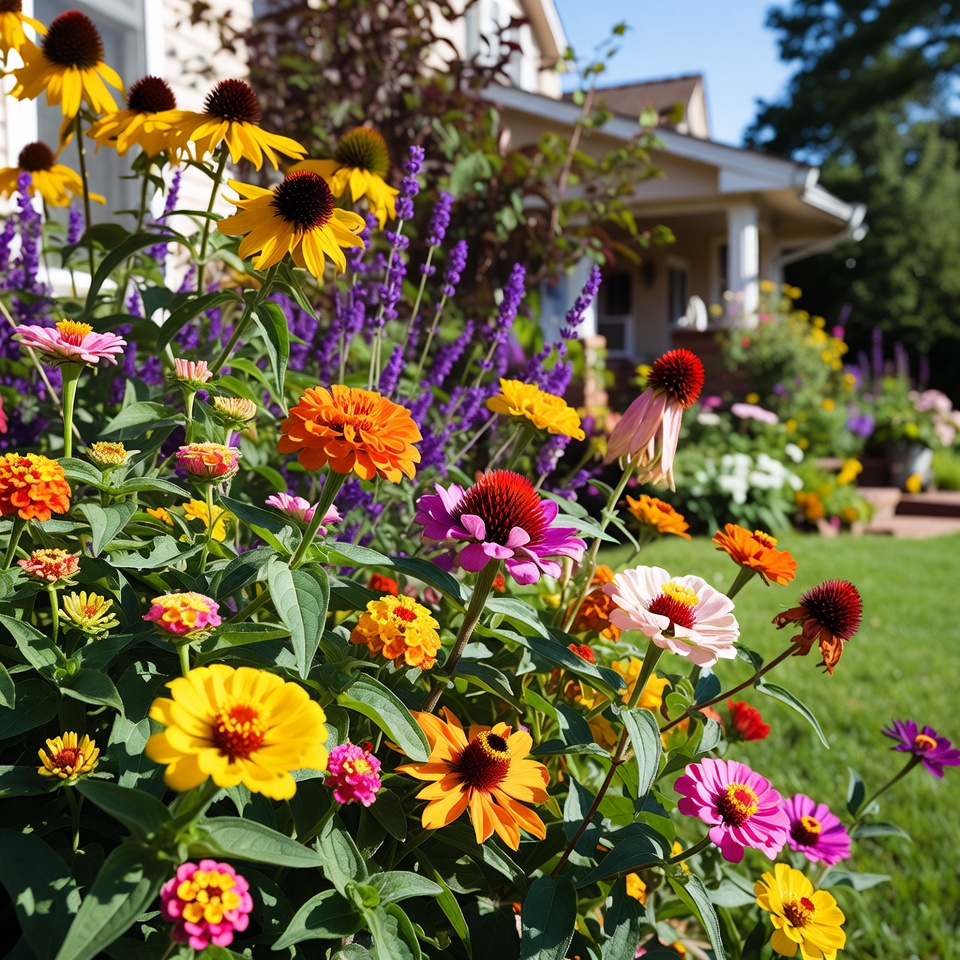
These are the plants that can handle sunshine, warm temperatures, dry spells, and less-than-perfect conditions better than many delicate flowers. Some are great for containers. Some are perfect for flower beds. Some attract butterflies and bees. Others are wonderful for borders, walkways, patios, and front yard landscaping.
Of course, low-maintenance doesn’t mean you can plant them and completely forget about them. Most plants need regular watering while they’re getting established. Container plants also dry out faster than plants in the ground. But once these heat-tolerant plants settle in, they tend to be much more forgiving.
So if you want a colorful summer garden without spending every evening dragging the hose around, these are some of the best plants to grow.
1. Lantana
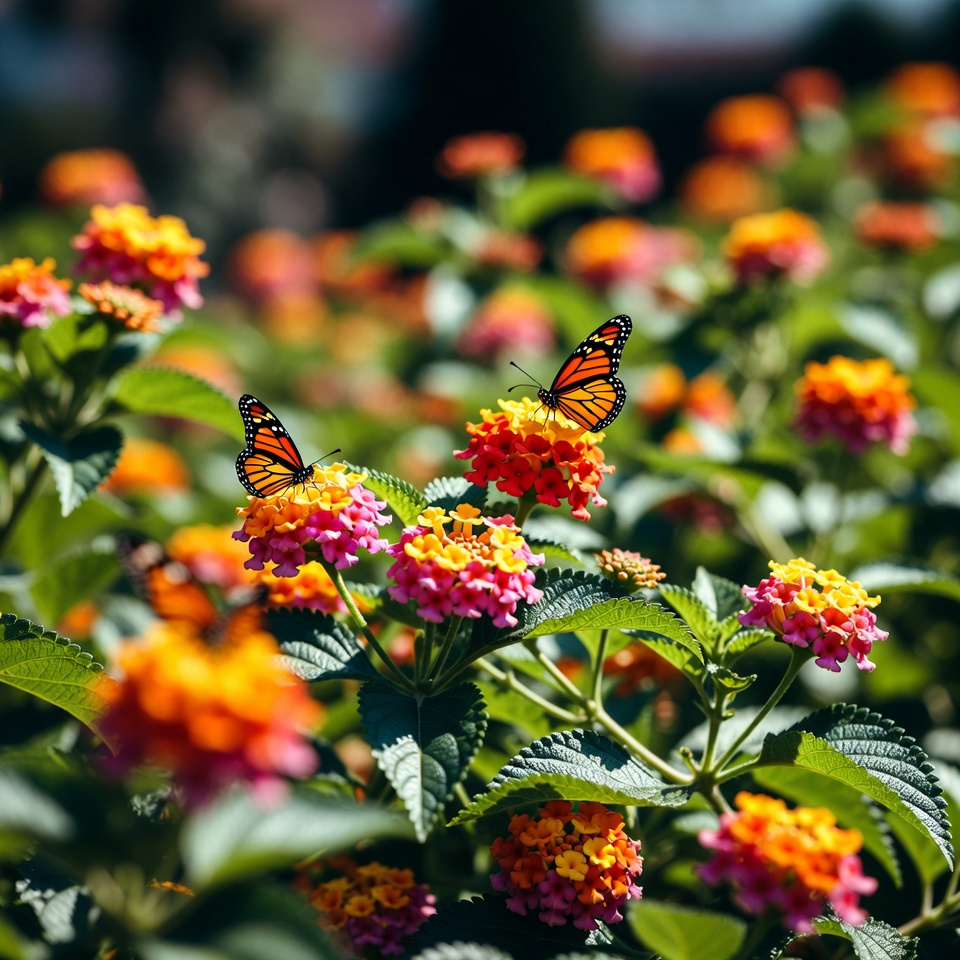
Lantana is one of the best summer plants for hot, sunny spots. It loves warmth, handles full sun beautifully, and produces clusters of small flowers that can bloom in bright shades of yellow, orange, pink, red, purple, white, and mixed colors.
What makes lantana so helpful in summer is how tough it is once established. It does not like soggy soil, and it usually performs best in places where the soil drains well. That makes it a great choice for sunny garden beds, patio containers, borders, and areas where more delicate flowers struggle in the heat.
Lantana is also wonderful if you want a pollinator-friendly garden. Butterflies, bees, and hummingbirds are often drawn to the flowers, so it can make your garden feel more alive without you doing much extra work.
For containers, lantana can create a full, colorful look near the front door, on the patio, or around outdoor seating areas. In garden beds, it works well as a bright border plant or a filler in sunny spaces.
One thing to know: in some warm climates, lantana can spread aggressively. So before planting it directly in the ground, check whether it is considered invasive in your area. If you’re unsure, growing it in pots is a safer option.
Helpful option: Check lantana seeds and plants on Amazon
2. Zinnias
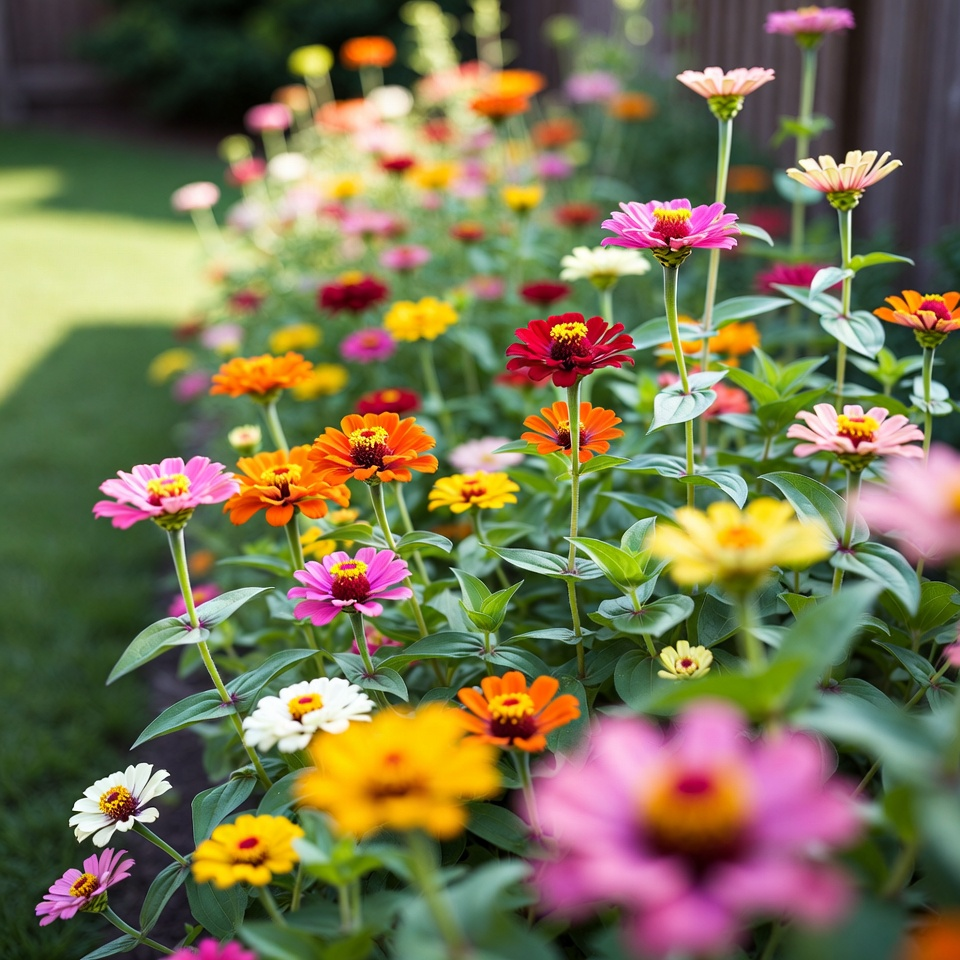
Zinnias are one of the easiest flowers to grow if you want big summer color without a lot of fuss. They are cheerful, bright, beginner-friendly, and perfect for filling flower beds, borders, and cutting gardens.
These flowers come in many colors, including pink, orange, yellow, red, purple, white, and even green. They grow well in full sun and are often started from seed, which makes them a budget-friendly way to create a colorful summer garden.
Zinnias are especially useful because they bloom generously. The more you cut them or remove faded flowers, the more they tend to keep producing. That means you can enjoy them outside and also bring some indoors for simple bouquets.
They are also great for pollinators. Bees and butterflies love visiting zinnias, especially when they are planted in groups.
For best results, plant zinnias in a sunny spot with decent airflow. They do not like being overcrowded, and too much moisture on the leaves can sometimes lead to powdery mildew. Water near the base of the plant when possible, and avoid soaking the foliage late in the evening.
If you want a plant that makes your garden look full, colorful, and happy without requiring complicated care, zinnias are a lovely choice.
Easy garden starter: View zinnia seeds on Amazon
3. Coneflowers
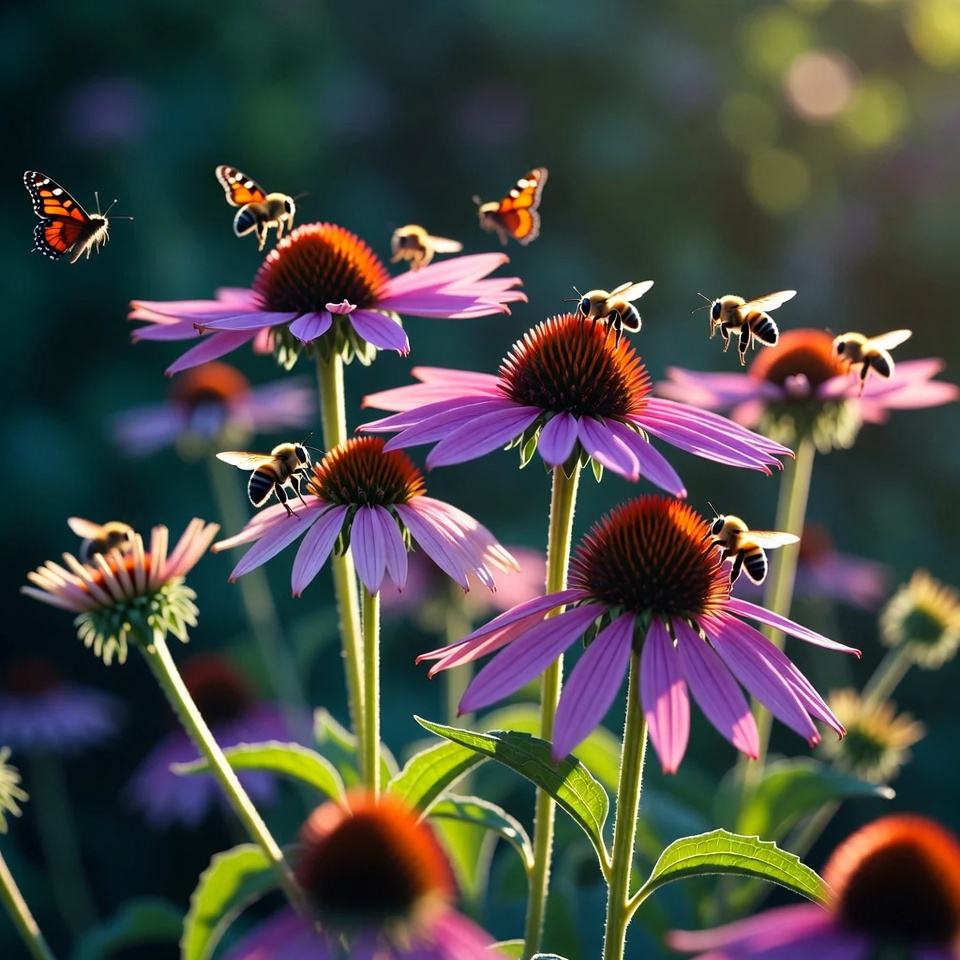
Coneflowers, also called echinacea, are beautiful perennial flowers that come back year after year in many gardens. They have a relaxed wildflower look, with daisy-like petals and raised centers.
Purple coneflowers are the most familiar, but you can also find varieties in pink, white, orange, yellow, red, and green. They look beautiful in cottage gardens, pollinator beds, sunny borders, and natural-style landscapes.
Coneflowers are loved because they are tough. Once established, they can handle heat and dry periods better than many softer flowers. They prefer full sun and well-draining soil, and they usually do not need constant care to keep going.
They are also excellent for attracting pollinators. Bees and butterflies love the blooms. Later in the season, if you leave some seed heads in place, birds may enjoy them too.
Coneflowers pair beautifully with black-eyed Susans, salvia, lavender, yarrow, ornamental grasses, and coreopsis. If you want a summer flower bed that looks natural and full, this is one of the best plants to include.
Helpful option: Check coneflower seeds on Amazon
4. Black-Eyed Susans
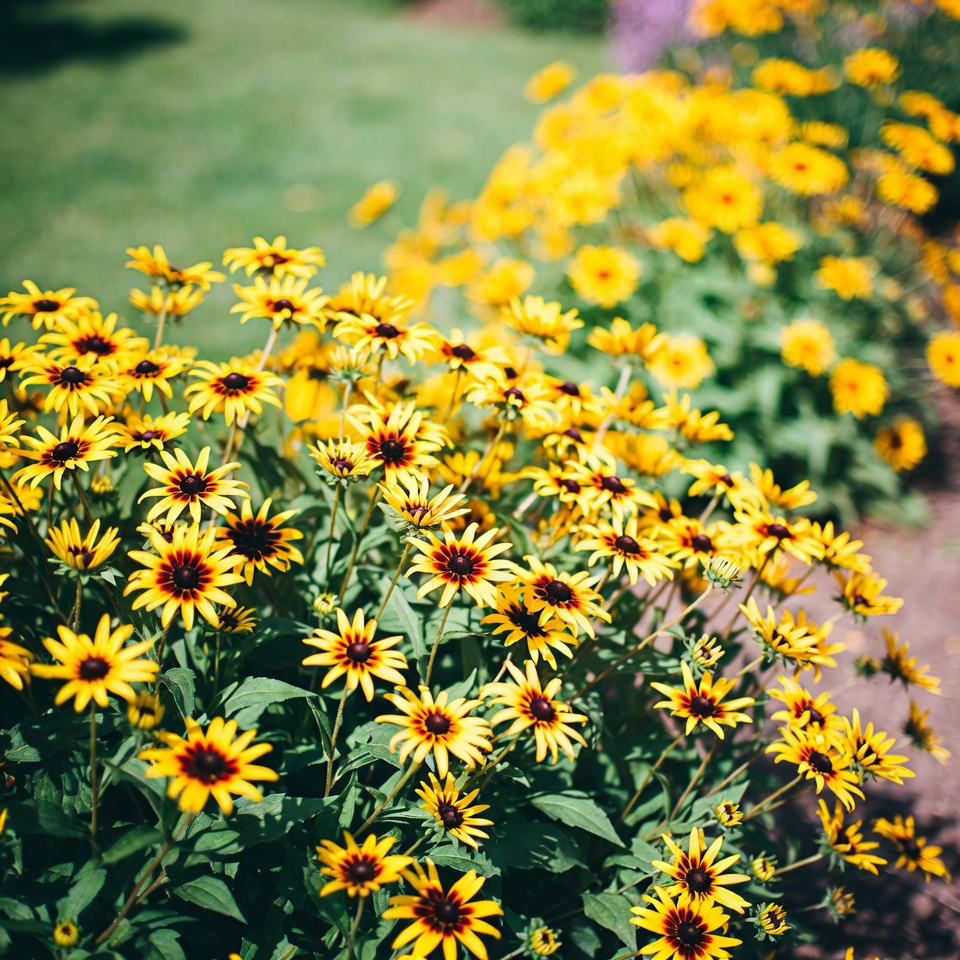
Black-eyed Susans are classic summer flowers with golden-yellow petals and dark centers. They bring that sunny, cheerful look that makes a garden feel warm and welcoming.
These flowers are especially good for hot, sunny gardens because they are tough and dependable once established. They can tolerate heat, handle periods of dryness, and grow well in many average garden soils.
Black-eyed Susans look best when planted in groups. A single plant is pretty, but a larger drift can make a flower bed look full and intentional. They are beautiful along fences, walkways, garden borders, and front yard flower beds.
They also work well in pollinator gardens. Bees and butterflies visit the flowers, while birds may enjoy the seed heads later in the season.
One of the best things about black-eyed Susans is how easily they blend with other plants. Pair them with purple coneflowers, blue salvia, lavender, Russian sage, or ornamental grasses for a pretty summer garden combination.
They may spread over time, which can be a good thing if you want more flowers. If they become too crowded, you can divide them and move extra plants to other parts of the garden.
For sunny flower beds: View black-eyed Susan seeds on Amazon
5. Lavender
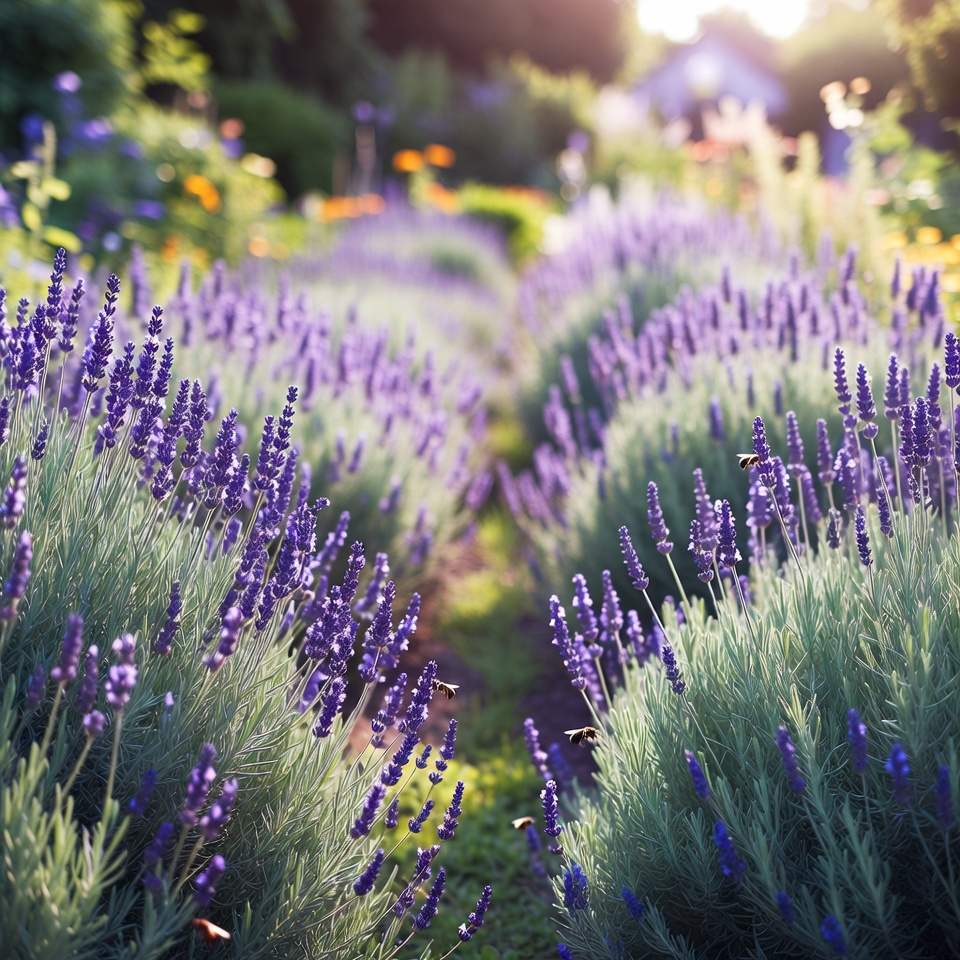
Lavender is one of the best low-maintenance plants for sunny, dry areas. It has fragrant purple flowers, silvery-green foliage, and a soft, calming look that works beautifully in herb gardens, cottage gardens, borders, and containers.
Lavender loves full sun and well-draining soil. In fact, too much moisture can be more harmful than dry conditions. This plant does not like wet roots, so avoid planting it in soggy soil or low spots where water collects.
Once established, lavender can tolerate heat and dry spells quite well. That makes it a smart choice for summer gardens, especially in areas where other plants wilt quickly.
Lavender is also practical. You can plant it near patios, walkways, porch steps, or seating areas where you can enjoy the scent. Bees and butterflies love it too, so it adds both beauty and pollinator value.
If your soil is heavy clay, consider growing lavender in raised beds or containers. A pot with drainage holes can make a big difference.
Lavender also pairs nicely with rosemary, salvia, roses, ornamental grasses, and yarrow. It gives the garden a soft, timeless look without requiring constant care.
For sunny gardens: View lavender seeds and plants on Amazon
6. Marigolds
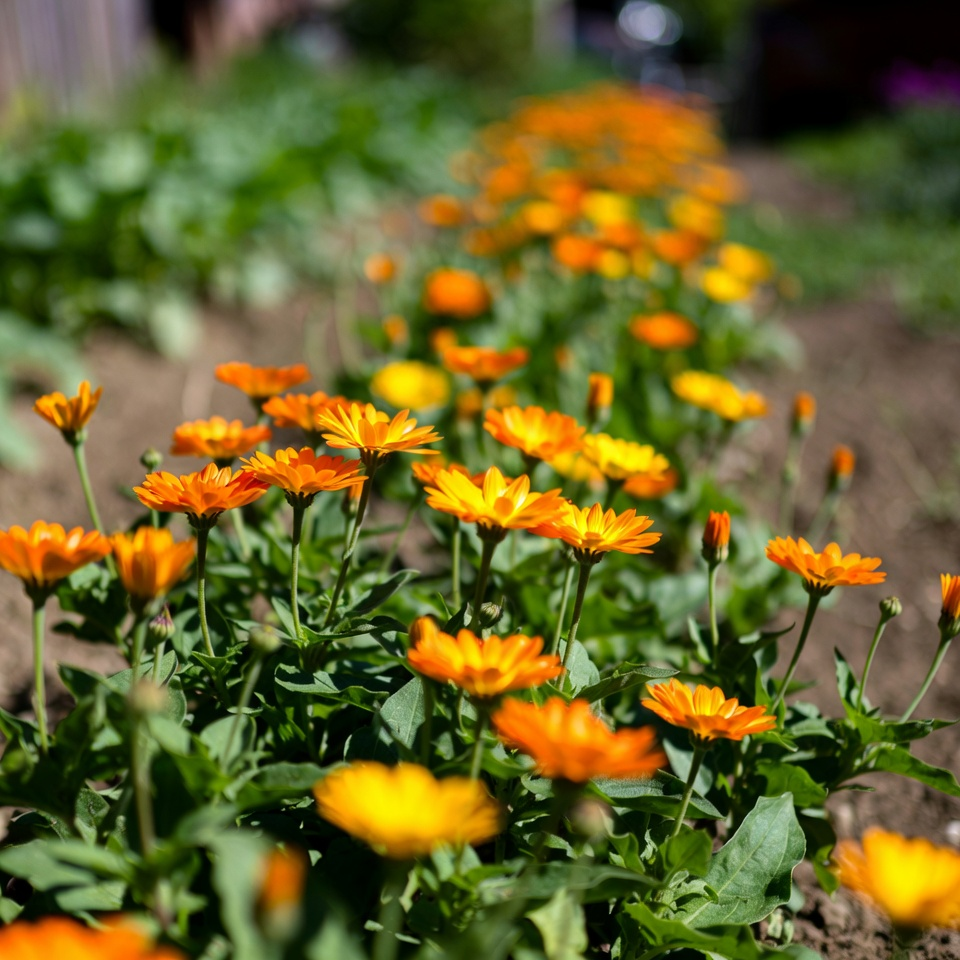
Marigolds are bright, reliable, and wonderfully easy to grow. They are a summer garden favorite because they handle heat well, bloom for a long time, and bring bold color to beds, borders, containers, and vegetable gardens.
You’ll usually find marigolds in shades of yellow, orange, gold, red, and cream. They look especially pretty planted along walkways, around raised beds, or in pots near the front porch.
Marigolds are also popular companion plants in vegetable gardens. Many gardeners plant them near tomatoes, peppers, herbs, and other vegetables because they are believed to help discourage certain pests. Even if you are not growing vegetables, they still make excellent low-maintenance flowers.
They prefer full sun and well-draining soil. They appreciate regular watering, especially in containers, but they are much more forgiving than many delicate bedding plants.
To keep marigolds blooming, pinch or cut off faded flowers. This encourages more blooms and keeps the plants looking tidy.
If you want a simple, affordable flower that adds instant color and handles summer heat well, marigolds are one of the easiest choices.
Helpful option: Check marigold seeds on Amazon
7. Portulaca
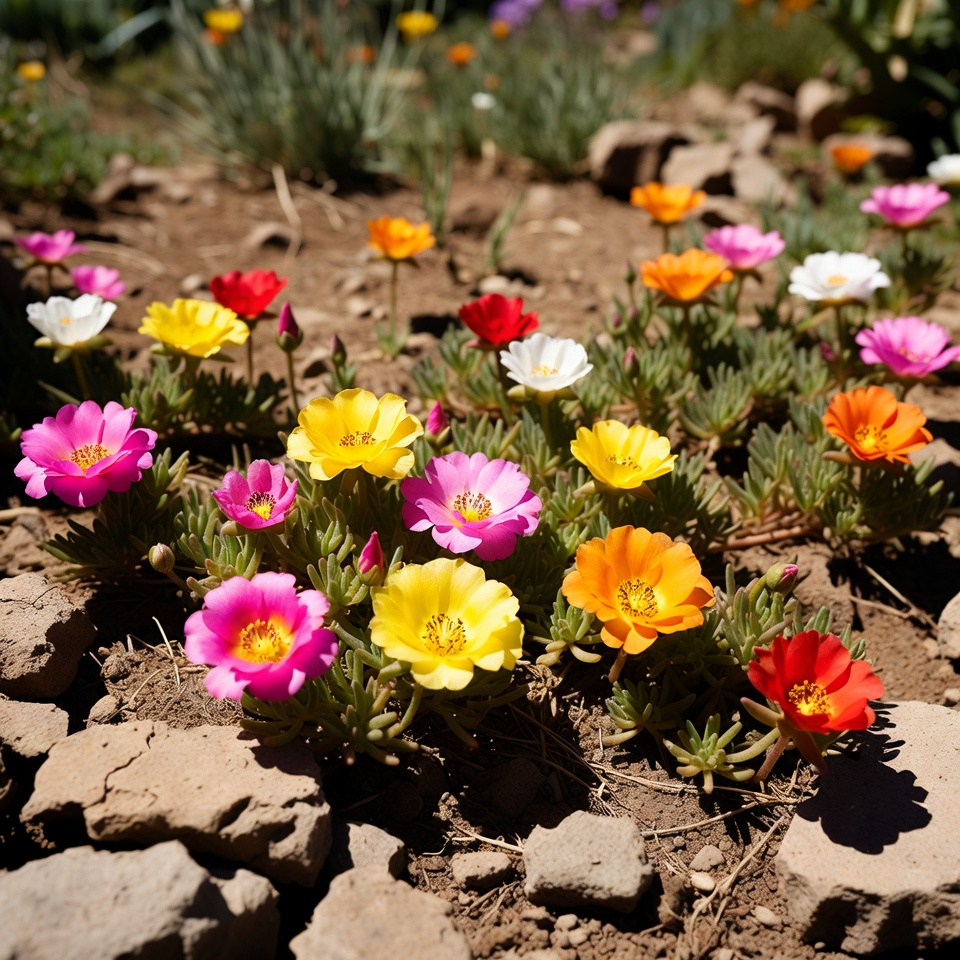
Portulaca, also known as moss rose, is perfect for hot, dry, sunny spots. It has small, colorful flowers and succulent-like foliage that helps it handle heat better than many common summer flowers.
This plant is especially useful in areas where other flowers struggle. Think rock gardens, dry borders, hanging baskets, containers, and sunny patches that get intense afternoon sun.
Portulaca flowers come in bright shades of pink, yellow, red, orange, white, purple, and mixed colors. The plant stays low to the ground, so it works beautifully as edging, ground cover, or a spiller plant in containers.
One reason portulaca is so low-maintenance is that it does not need rich, constantly moist soil. It actually prefers well-draining soil and can tolerate dry conditions once established.
If you have a hot patio, dry flower bed, or sunny container that keeps disappointing you, portulaca may be exactly what you need. It gives you color without acting fragile.
Just be careful not to overwater it. Like many succulent-style plants, portulaca does not like sitting in wet soil.
For hot sunny containers: View portulaca seeds on Amazon
8. Salvia
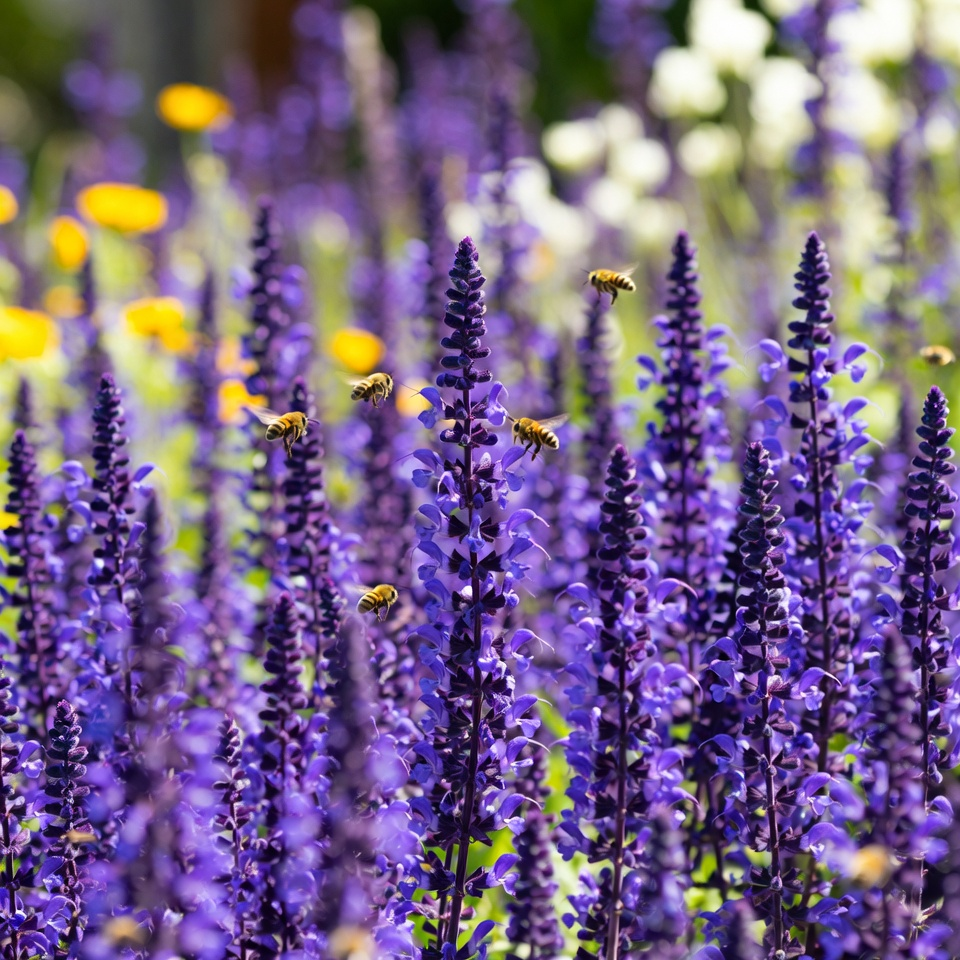
Salvia is a beautiful summer plant that adds height, color, and movement to the garden. It produces upright flower spikes in shades of purple, blue, pink, red, and white.
This plant is especially helpful if your garden feels flat. Many summer flowers are round or low-growing, but salvia brings vertical structure. It looks beautiful in borders, pollinator gardens, cottage gardens, and sunny flower beds.
Many salvia varieties handle heat well once established. They prefer full sun and well-draining soil, and they usually do not need constant watering after their roots are strong.
Salvia is also one of the best plants for attracting pollinators. Bees, butterflies, and hummingbirds often visit the flowers, making your garden feel lively and active.
To keep salvia blooming, cut back faded flower spikes. This can encourage another flush of blooms and help the plant stay neat.
Salvia pairs beautifully with black-eyed Susans, coneflowers, lavender, yarrow, sedum, and ornamental grasses. If you want a garden that looks polished but still natural, salvia is a great plant to include.
Pollinator garden pick: Check salvia seeds and plants on Amazon
9. Yarrow
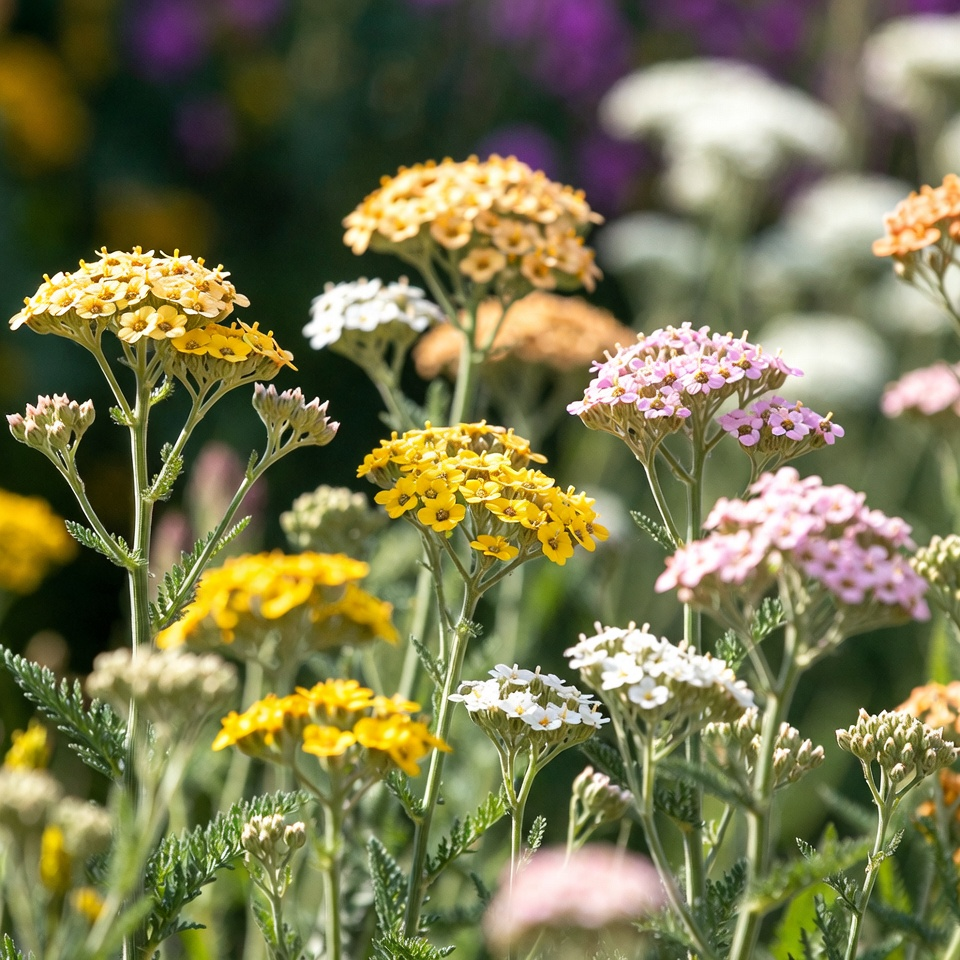
Yarrow is a tough, heat-tolerant perennial with feathery foliage and flat clusters of tiny flowers. It has a relaxed, meadow-like look that works beautifully in cottage gardens, wildflower gardens, pollinator beds, and low-maintenance landscapes.
Yarrow flowers can be white, yellow, pink, red, orange, or soft pastel shades. The plant is drought-tolerant once established and grows best in full sun with well-draining soil.
One thing to love about yarrow is that it thrives without being spoiled. In fact, soil that is too rich or too wet can make the plant floppy. It often performs better in average or lean soil.
Yarrow is also loved by pollinators. Bees, butterflies, and beneficial insects are often attracted to the flowers. It can help create a more balanced garden environment while adding soft color and texture.
This plant pairs beautifully with lavender, coneflowers, black-eyed Susans, salvia, Russian sage, and ornamental grasses.
Yarrow can spread over time, so give it space. If it starts taking over, divide the clumps and move some to another area.
Helpful option: View yarrow seeds on Amazon
10. Sedum
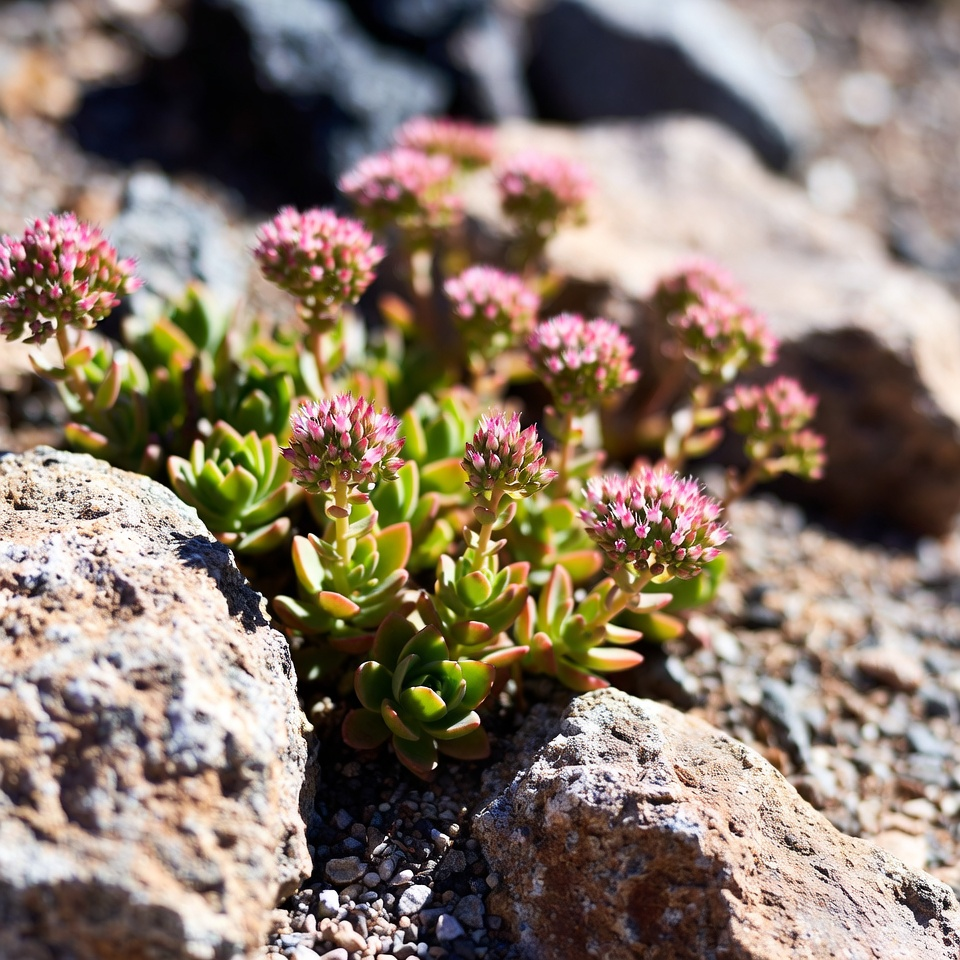
Sedum is one of the easiest plants to grow in hot, dry conditions. It has fleshy, succulent-like leaves that help store water, making it more drought-tolerant than many traditional garden plants.
There are many types of sedum. Some are low-growing ground covers, while others are upright plants that produce large clusters of flowers in late summer or fall.
Low-growing sedum works well in rock gardens, slopes, borders, between stepping stones, and dry patches of soil. Upright sedum looks beautiful in flower beds, especially when paired with ornamental grasses, coneflowers, black-eyed Susans, and lavender.
Sedum prefers full sun and well-draining soil. It usually does not need much fertilizer, and it can handle neglect better than many plants.
Another reason sedum is valuable is that it looks good even when it is not blooming. The foliage adds texture, shape, and color to the garden. Some varieties have green leaves, while others have blue-green, burgundy, or variegated foliage.
If you want a plant that can survive tough garden spots and still look attractive, sedum is a great option.
For dry garden spots: Check sedum plants on Amazon
11. Verbena
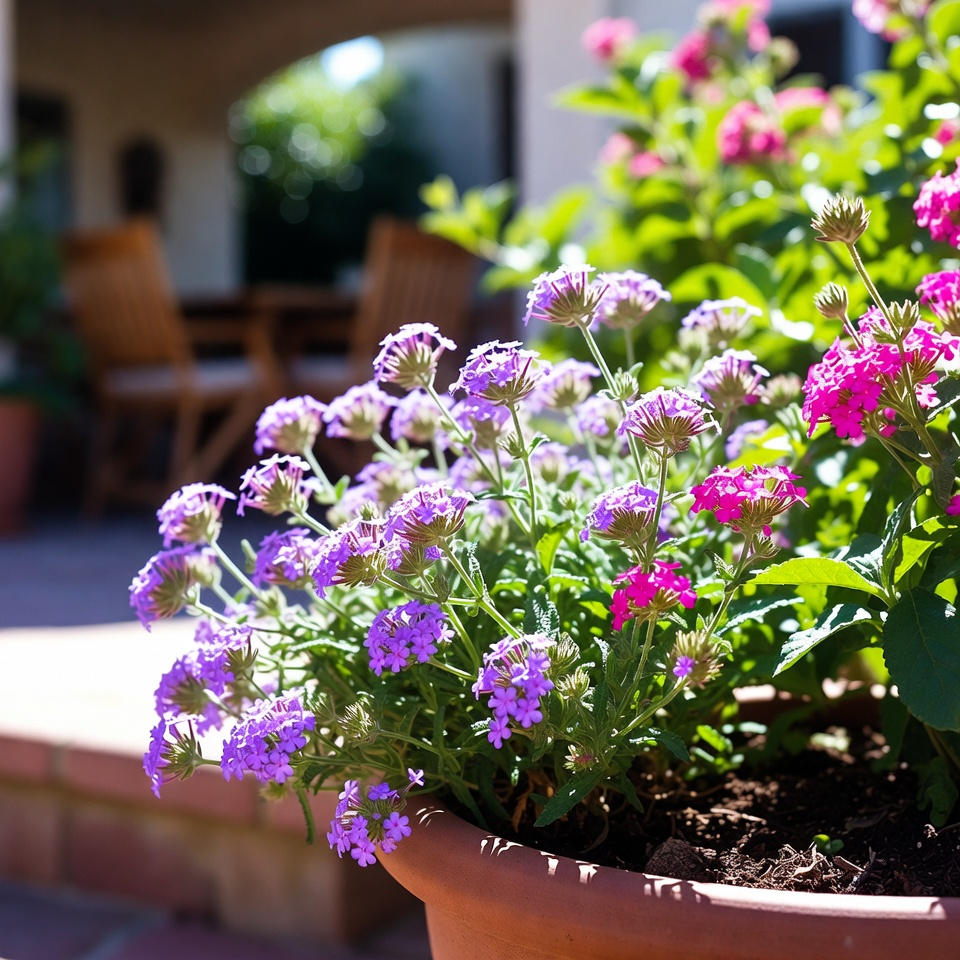
Verbena is a lovely summer bloomer that works especially well in containers, hanging baskets, window boxes, and sunny garden beds. It produces clusters of small flowers in purple, pink, red, white, lavender, and sometimes two-toned varieties.
This plant is wonderful if you want a soft, spilling look in your planters. It can trail over the edges of pots, making containers look fuller and more finished.
Verbena enjoys full sun and well-draining soil. It can handle heat, though container-grown verbena may need more frequent watering because pots dry out quickly in summer.
One thing that makes verbena useful is its long bloom period. When it’s happy, it can keep flowering for weeks or even months.
If your verbena starts looking leggy, trim it back lightly. This encourages fresh growth and helps the plant stay full.
Verbena looks beautiful mixed with lantana, calibrachoa, petunias, salvia, and ornamental grasses. It’s a great choice for patio planters if you want something colorful but not overly demanding.
Container garden idea: View verbena seeds and plants on Amazon
12. Gaillardia
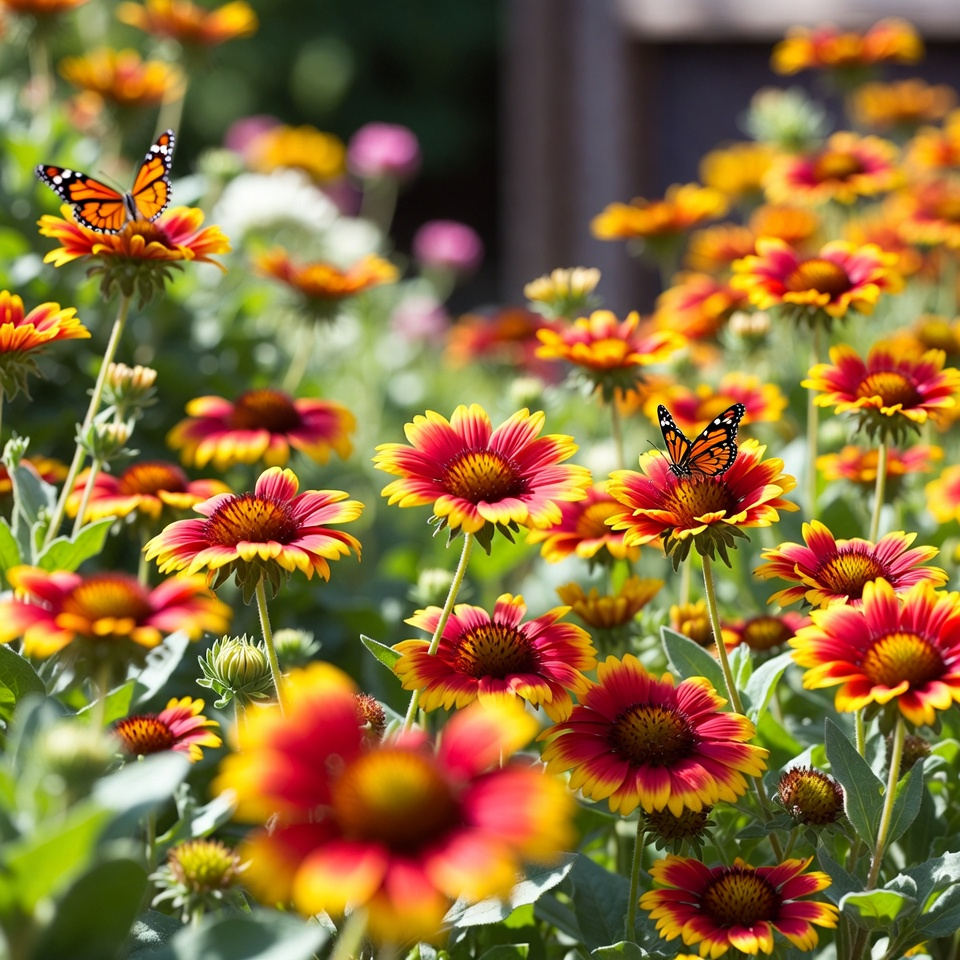
Gaillardia, also called blanket flower, is a bright, cheerful plant that loves sun and heat. Its flowers often come in warm shades of red, orange, yellow, burgundy, and gold, giving the garden a bold summer look.
This plant is known for being tough. Once established, it can tolerate heat, dry conditions, and poor soil better than many fussier flowers. That makes it ideal for low-maintenance gardens, sunny borders, and dry flower beds.
Gaillardia blooms for a long time, especially if faded flowers are removed. Even with minimal care, it tends to keep going through hot weather.
Pollinators love it too. Bees and butterflies often visit the flowers, making it a nice addition to a pollinator-friendly garden.
Because of its warm colors, gaillardia pairs beautifully with ornamental grasses, purple coneflowers, salvia, yarrow, and coreopsis.
If your garden needs a plant that looks bright, bold, and happy in the heat, gaillardia is a strong choice.
Helpful option: Check gaillardia seeds on Amazon
13. Cosmos
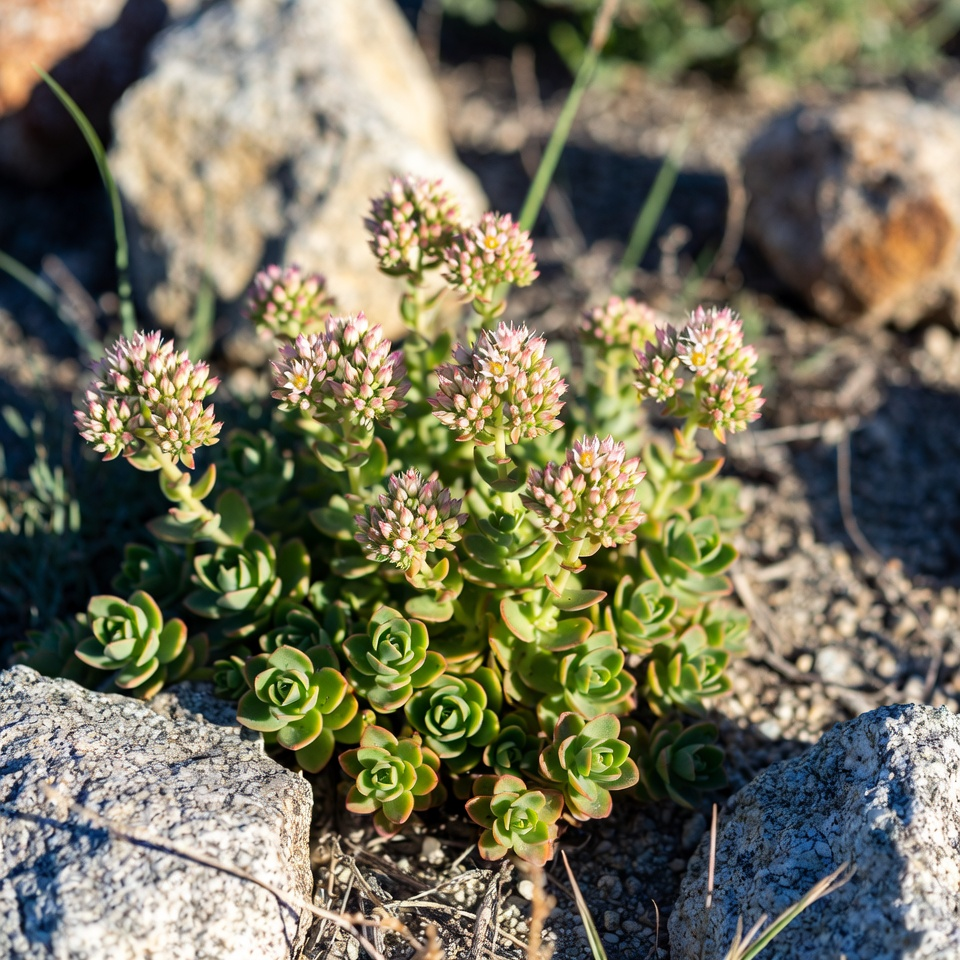
Cosmos are airy, charming flowers that bring a soft cottage-garden feel to summer beds. They have delicate-looking blooms and feathery foliage, but they are much tougher than they appear.
These flowers grow well in full sun and can handle summer heat once established. They are often grown from seed, which makes them affordable for filling larger garden spaces.
Cosmos come in shades of pink, white, burgundy, orange, yellow, and red, depending on the variety. They sway beautifully in the breeze and add a relaxed, romantic look to flower beds, fences, and cutting gardens.
One of the best things about cosmos is that they do not need rich soil to bloom. In fact, soil that is too rich can lead to more leaves and fewer flowers. This makes them a good choice for average garden soil.
Cosmos also attract bees, butterflies, and other pollinators. They are lovely in cottage gardens, wildflower beds, and informal borders.
For more flowers, cut or deadhead blooms regularly. They’re wonderful for bouquets, so don’t be afraid to bring some indoors.
Easy summer flower: View cosmos seeds on Amazon
14. Coreopsis
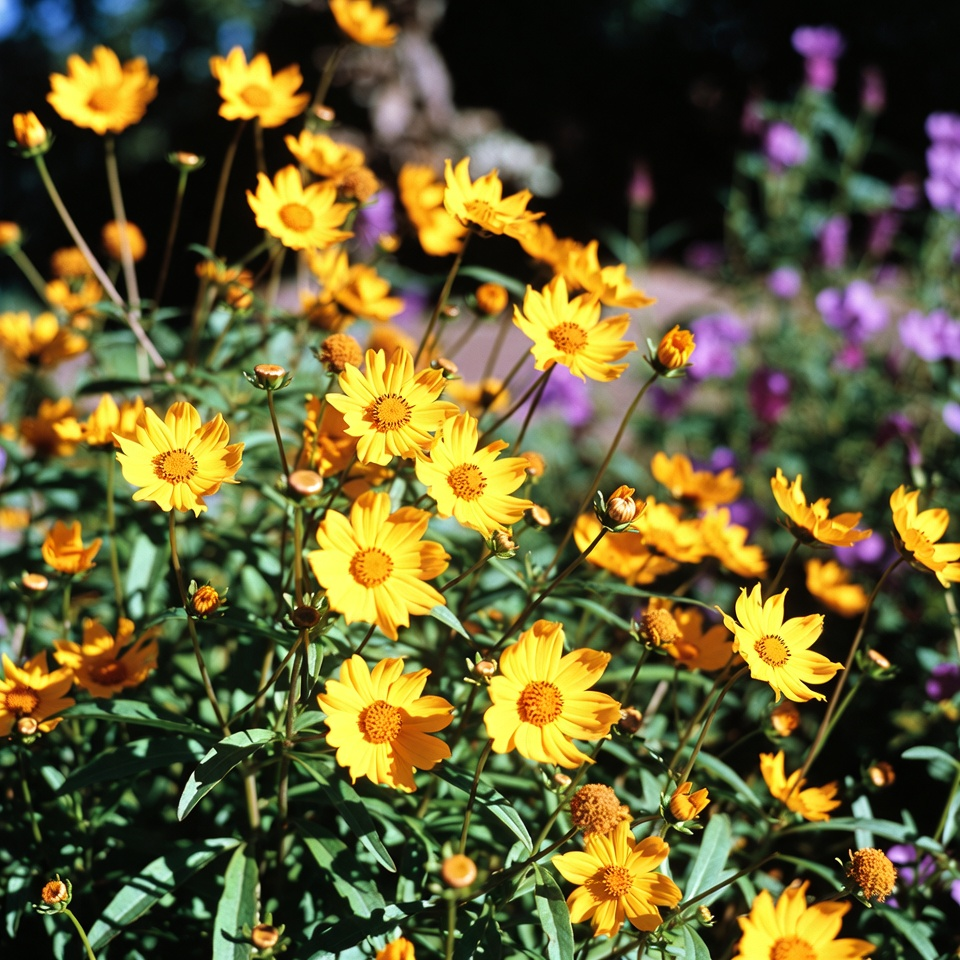
Coreopsis is a cheerful, heat-tolerant perennial that produces daisy-like flowers in yellow, gold, pink, red, and bi-color varieties. It is one of those plants that can make a sunny garden look bright without requiring too much effort.
This plant prefers full sun and well-draining soil. Once established, many varieties can tolerate heat and dry spells. It is a great choice for sunny borders, pollinator gardens, cottage gardens, and front yard flower beds.
Coreopsis often blooms for a long time, especially if spent flowers are removed. It has a light, airy appearance that blends easily with other summer plants.
Pair coreopsis with coneflowers, black-eyed Susans, salvia, lavender, yarrow, and ornamental grasses for a colorful, low-maintenance summer garden.
Pollinators also enjoy coreopsis, so it’s a helpful plant if you want to support bees and butterflies.
If you want something easy, pretty, and dependable, coreopsis deserves a spot on your list.
For long-lasting color: Check coreopsis seeds and plants on Amazon
15. Calibrachoa
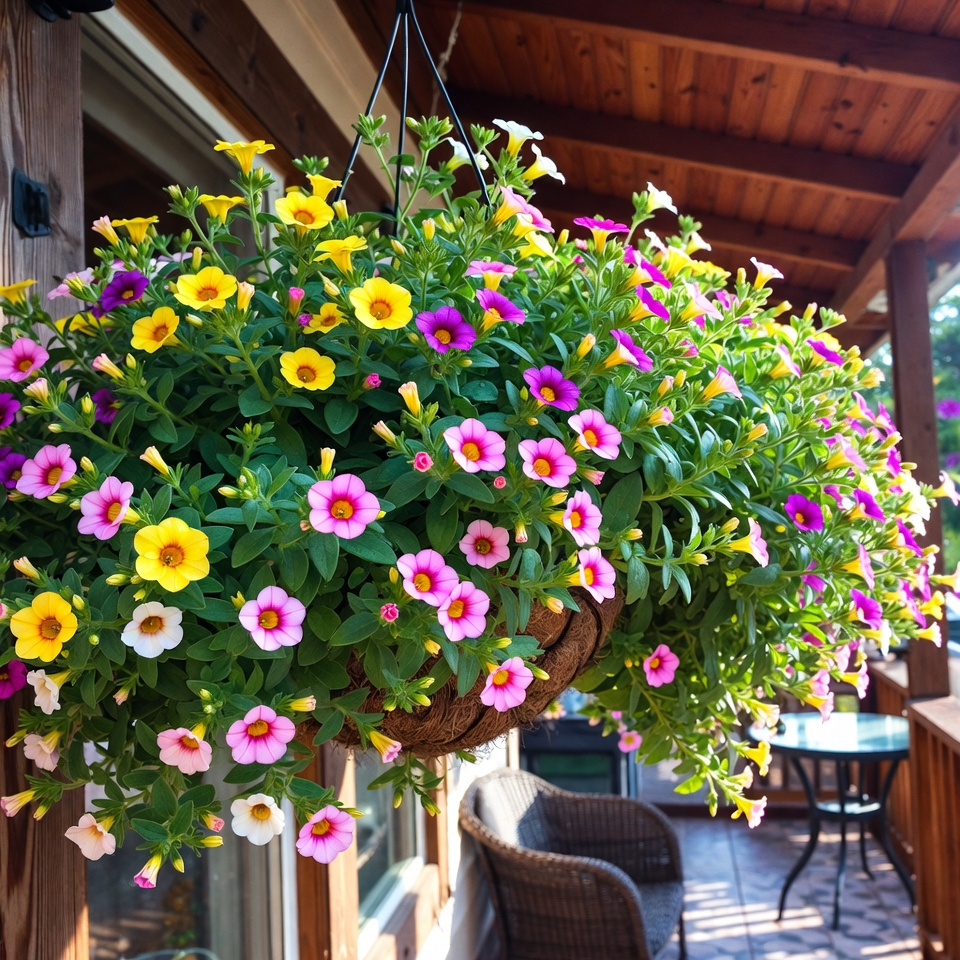
Calibrachoa, often called million bells, is a beautiful plant for summer containers and hanging baskets. It looks like a mini petunia and produces masses of small trumpet-shaped flowers.
The blooms come in many colors, including pink, purple, yellow, orange, red, white, blue, and patterned combinations. A full basket of calibrachoa can make a porch or patio look instantly polished.
Calibrachoa likes sun and well-draining soil. It can handle warm weather, but because it is usually grown in containers, it needs regular watering. Pots and hanging baskets dry out quickly in summer, especially in hot afternoon sun.
One reason calibrachoa is easy to love is that many varieties do not need much deadheading. The old flowers often drop naturally, so the plant keeps looking fresh with less effort.
Use calibrachoa in hanging baskets, window boxes, porch containers, or mixed planters. It pairs nicely with verbena, lantana, sweet potato vine, petunias, and ornamental grasses.
If you have a small outdoor space, even one basket of calibrachoa can add a lot of color.
For porch planters: View calibrachoa seeds and plants on Amazon
Best Supplies for Growing Heat-Tolerant Summer Plants
Choosing the right plants matters, but the right supplies can make summer gardening much easier. You don’t need a huge collection of tools, but a few basics can help your plants survive heat, dry soil, and busy days when you forget to water.
Use mulch to keep soil cooler
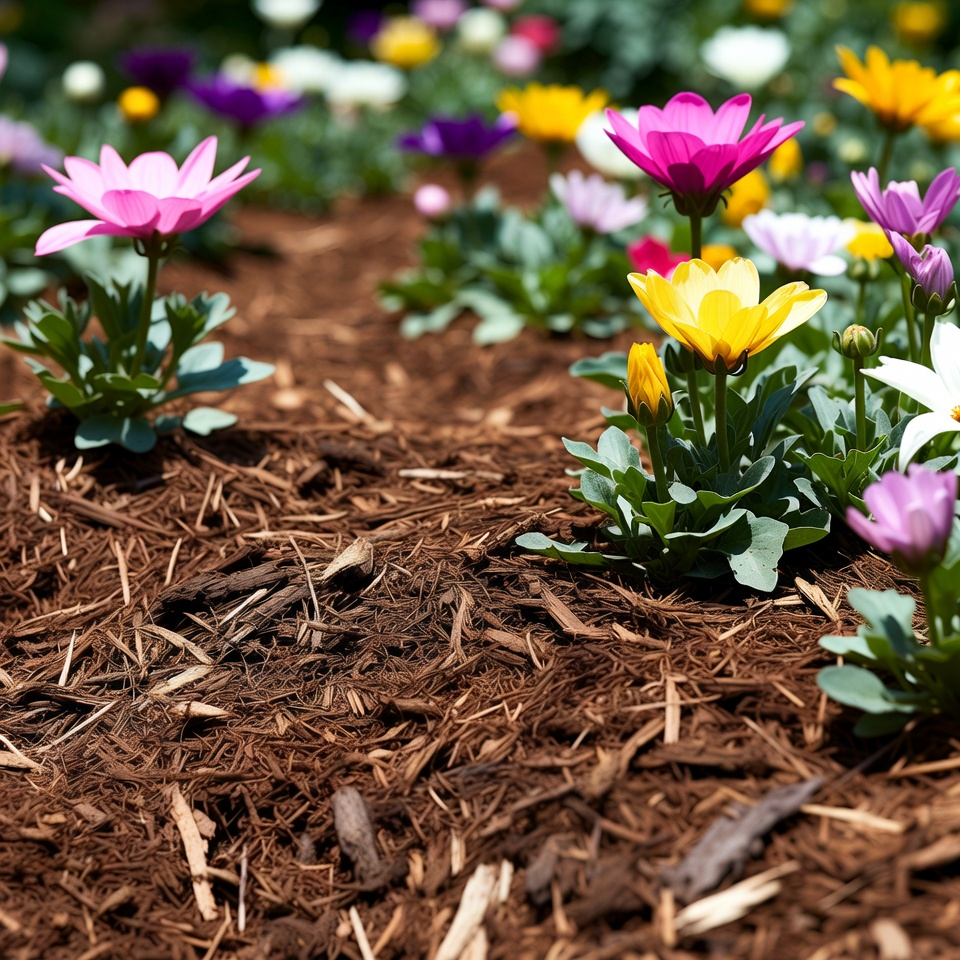
Mulch is one of the simplest ways to protect summer plants. It helps the soil hold moisture, keeps roots cooler, and reduces weeds.
This is especially helpful for flower beds that get strong afternoon sun. Without mulch, the top layer of soil can dry out quickly. With mulch, plants usually have a better chance of staying hydrated between waterings.
Helpful garden essential: Check garden mulch options on Amazon
Use well-draining containers
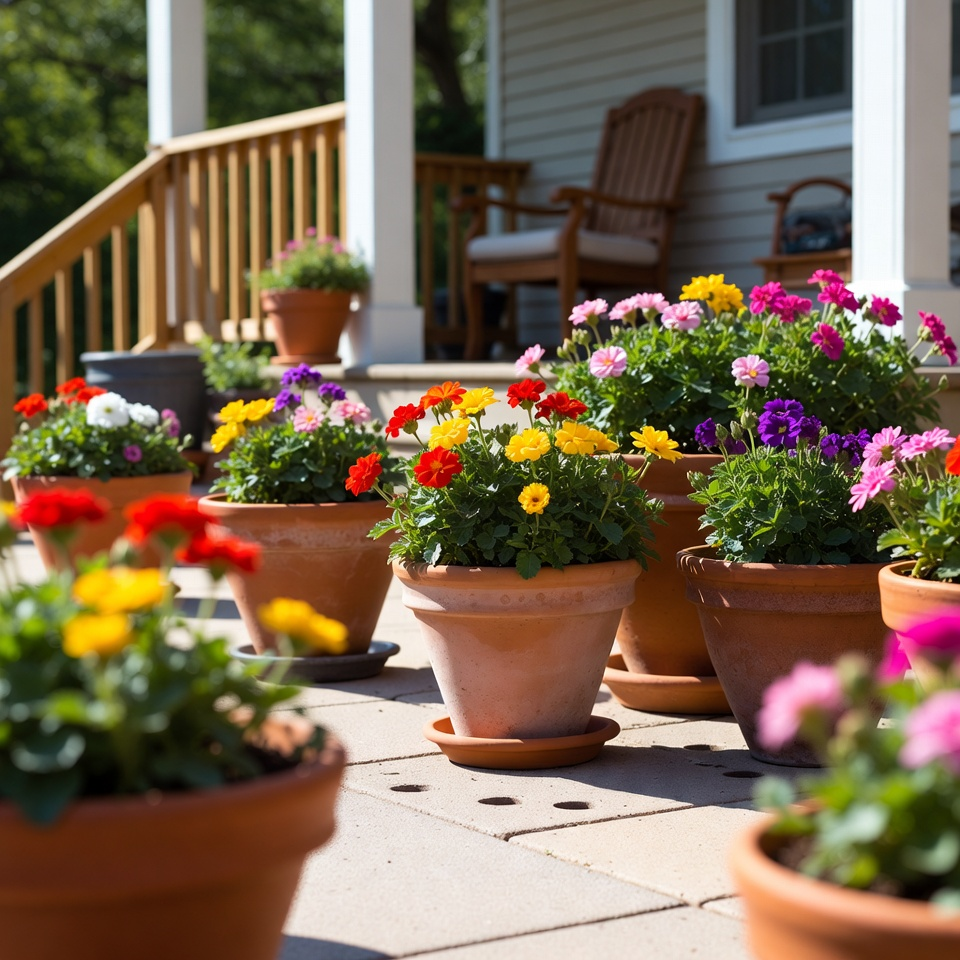
If you’re growing summer plants in pots, drainage is extremely important. Many heat-tolerant plants can handle dry soil better than soggy soil. Pots without drainage holes can cause roots to rot, especially after heavy rain or overwatering.
Choose outdoor containers with drainage holes, and avoid letting pots sit in standing water.
For patio flowers: View outdoor planter pots on Amazon
Water deeply with a good watering can or hose
A quick sprinkle is not always enough during summer. Deep watering helps moisture reach the root zone, which encourages stronger plants.
For small gardens and porch containers, a watering can works well. For larger beds, a hose with a gentle spray nozzle can make the job easier.
Useful tool: View garden watering cans on Amazon
For larger gardens: Check garden hose spray nozzles on Amazon
Use a hand trowel for planting
A simple hand trowel is one of the most useful tools for planting flowers, digging small holes, mixing compost, and moving soil around containers.
You don’t need anything fancy, but a sturdy trowel makes planting much easier, especially if you’re adding several flowers at once.
Helpful tool: Check garden hand trowel sets on Amazon
Add compost before planting
Compost helps improve soil texture and adds organic matter. For summer plants, this can help the soil hold moisture better while still draining properly.
You don’t need to overdo it. Just mixing compost into the planting area before adding flowers can give them a stronger start.
Helpful option: Check garden compost on Amazon
Tips for Keeping Summer Plants Alive in Extreme Heat
Even heat-tolerant plants need a little support when temperatures climb. The goal is not to make gardening complicated. It’s simply to give your plants the best chance of staying healthy.
Water in the morning
Morning watering is usually best because plants have time to absorb moisture before the hottest part of the day. It also gives leaves time to dry, which can reduce the risk of fungal issues.
Evening watering can work in some situations, but try not to leave foliage wet overnight.
Water deeply, not lightly
A shallow sprinkle may make the soil surface look wet, but it often does not reach the roots. Deep watering encourages roots to grow downward, making plants stronger and more resilient.
This is especially important for perennials like coneflowers, lavender, yarrow, salvia, black-eyed Susans, and sedum.
Don’t overwater drought-tolerant plants
This may sound strange, but some heat-loving plants suffer when they get too much water. Lavender, sedum, portulaca, yarrow, and lantana do not like sitting in wet soil.
Always check the soil before watering. If the top inch or two is still damp, wait a little longer.
Protect new plants
Newly planted flowers are more vulnerable than established ones. Even drought-tolerant plants need regular water during their first few weeks.
If you plant during a heat wave, try to water consistently and consider giving young plants temporary afternoon protection until they settle in.
Feed lightly
Some summer plants benefit from occasional feeding, especially container plants. But not every heat-tolerant plant needs heavy fertilizer.
Too much fertilizer can cause lots of leafy growth and fewer flowers in plants like cosmos. For containers, a balanced plant food can help, but always follow the instructions on the product.
For container flowers: View flower plant food on Amazon
Best Heat-Tolerant Plants for Containers
If you’re planting pots, hanging baskets, or porch planters, these are great options:
- Lantana
- Verbena
- Calibrachoa
- Portulaca
- Marigolds
- Zinnias
- Lavender
- Sedum
Container plants dry out faster than plants in the ground, so check them more often during hot weather. A large pot usually holds moisture better than a small one, so choose bigger containers when possible.
Best Heat-Tolerant Plants for Flower Beds
For sunny flower beds, borders, and front yard landscaping, try:
- Coneflowers
- Black-eyed Susans
- Salvia
- Yarrow
- Coreopsis
- Gaillardia
- Cosmos
- Lavender
- Sedum
- Zinnias
These plants can help you create a summer garden that looks full and colorful without needing constant attention.
Best Heat-Tolerant Plants for Pollinators
If you want to attract bees, butterflies, and hummingbirds, plant:
- Lantana
- Coneflowers
- Black-eyed Susans
- Lavender
- Salvia
- Yarrow
- Zinnias
- Cosmos
- Gaillardia
- Coreopsis
Planting several pollinator-friendly flowers together makes your garden more inviting. It also gives pollinators a steady source of nectar through the season.
Best Low-Water Plants for Hot Sunny Spots
For dry areas, rock gardens, slopes, and tough sunny corners, try:
- Lavender
- Sedum
- Portulaca
- Yarrow
- Gaillardia
- Lantana
- Coneflowers
- Salvia
These are especially useful if you have a spot where the soil dries out quickly or where more delicate plants keep failing.
FAQs About Low-Maintenance Summer Plants
What plants can survive extreme summer heat?
Some of the best plants for hot summer weather include lantana, zinnias, coneflowers, black-eyed Susans, lavender, marigolds, portulaca, salvia, yarrow, sedum, gaillardia, cosmos, coreopsis, verbena, and calibrachoa.
What flowers bloom all summer in full sun?
Zinnias, lantana, marigolds, verbena, calibrachoa, coreopsis, salvia, and gaillardia can bloom for a long time in summer when grown in the right conditions. Bloom time depends on your climate, variety, watering, and care.
What is the easiest summer flower to grow?
Zinnias and marigolds are two of the easiest summer flowers for beginners. They grow well in full sun, are easy to start from seed, and provide bright color with simple care.
What plants are best for hot patios?
For hot patios, try lantana, portulaca, calibrachoa, verbena, lavender, sedum, and marigolds. Use containers with drainage holes and check the soil often because pots dry out quickly in summer.
How often should I water summer plants?
It depends on the plant, soil, weather, and whether the plant is in the ground or in a pot. In general, new plants need regular watering while they establish. Established heat-tolerant plants may need less frequent watering, while container plants may need water more often.
Should I fertilize summer flowers?
Some summer flowers benefit from occasional feeding, especially those grown in containers. But avoid overfeeding plants like cosmos, lavender, sedum, and yarrow. Too much fertilizer can sometimes reduce blooms or make plants weak and floppy.
Final Thoughts
A beautiful summer garden does not have to be high-maintenance.
The trick is choosing plants that actually enjoy heat instead of fighting against the season. Lantana, zinnias, coneflowers, black-eyed Susans, lavender, marigolds, portulaca, salvia, yarrow, sedum, verbena, gaillardia, cosmos, coreopsis, and calibrachoa are all great options for sunny summer spaces.
Some are best for containers. Some are perfect for flower beds. Some attract butterflies and bees. Others are wonderful for dry, difficult spots where other plants struggle.
Start with the area that gives you the most trouble — maybe a hot porch, a dry border, or a flower bed that gets blasted by afternoon sun. Then choose plants that naturally fit those conditions.
That’s when gardening becomes easier.
Not because you’re doing everything perfectly, but because you’re finally choosing plants that can handle the season you’re planting them in.