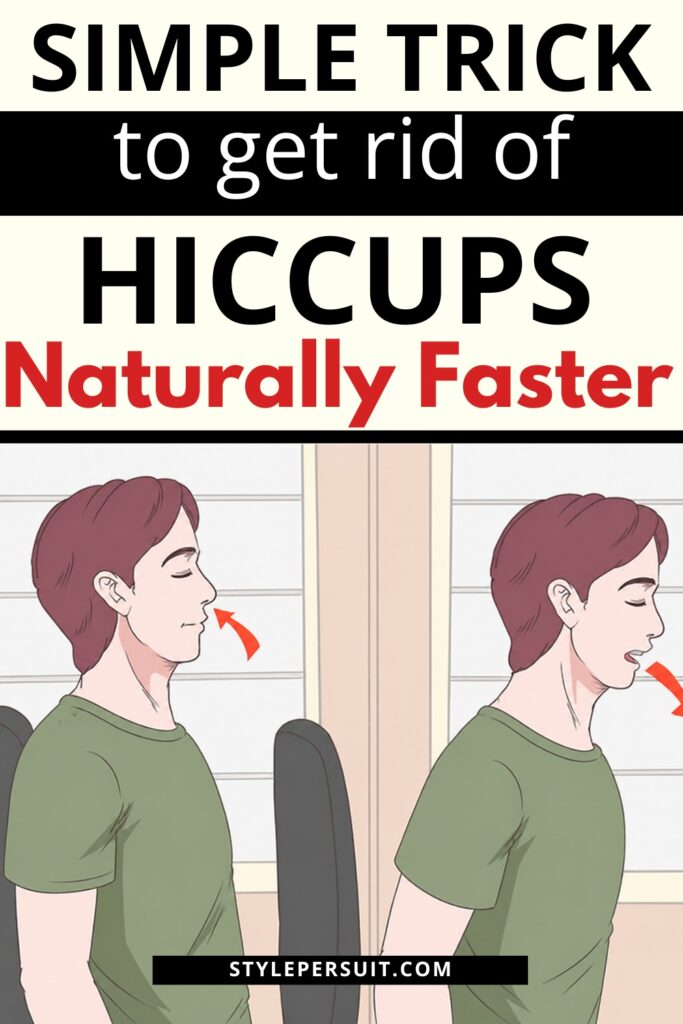
Hiccups can be funny for a few seconds, but once they keep going, they become annoying fast.
You may get them after eating too quickly, drinking something fizzy, laughing hard, feeling nervous, eating spicy food, or swallowing air without realizing it. Most hiccups are harmless and go away on their own, but when they keep interrupting your talking, eating, sleeping, or work, you want them gone quickly.
The good news is that many simple home tricks may help stop ordinary hiccups. These remedies usually work by changing your breathing pattern, stimulating nerves involved in the hiccup reflex, or helping your diaphragm relax.
Most hiccups do not need medical treatment. But hiccups that last longer than 48 hours, keep coming back often, or affect your sleep, eating, or daily life should be checked by a healthcare provider. Mayo Clinic and the NHS both recommend medical evaluation when hiccups continue longer than two days.
What Are Hiccups?
Hiccups happen when your diaphragm suddenly contracts.
The diaphragm is the large muscle under your lungs that helps you breathe. When it spasms, your vocal cords close quickly, creating the familiar “hic” sound.
A short round of hiccups is usually not serious. Cleveland Clinic notes that random hiccups can happen after eating too quickly or drinking fizzy drinks, but medical conditions, medications, and surgeries can sometimes cause hiccups that continue for days or longer.
Common Causes of Hiccups
Hiccups often appear for no obvious reason, but common triggers include:
- Eating too fast
- Eating too much
- Drinking carbonated drinks
- Drinking alcohol
- Eating spicy foods
- Sudden temperature changes
- Swallowing air
- Laughing hard
- Feeling excited, nervous, or stressed
- Acid reflux or indigestion
- Smoking
- Certain medications
The NHS lists stress, strong emotions, and eating or drinking as common hiccup triggers, while rare longer-lasting hiccups may be linked to a medical condition or medication. (nhs.uk)
1. Hold Your Breath
Holding your breath is one of the most common hiccup tricks.
It may help because it changes your breathing rhythm and increases carbon dioxide levels slightly, which may interrupt the hiccup reflex.
How to Try It
Take a deep breath.
Hold it for 10 to 20 seconds.
Slowly breathe out.
Repeat two or three times if needed.
Do not force it. Stop if you feel dizzy, lightheaded, or uncomfortable.
This is one of the easiest remedies because you can try it anywhere.
2. Sip Cold Water Slowly
Slowly sipping cold water may help calm the hiccup reflex.
The cold temperature and repeated swallowing may stimulate nerves in the throat and help reset the rhythm of your breathing.
How to Try It
Fill a glass with cold water.
Take small slow sips.
Swallow each sip carefully.
Keep sipping for about one minute.
This works best when you drink slowly instead of gulping.
Helpful Item
A reusable water bottle can make it easier to sip water throughout the day, especially if your hiccups are triggered by dry mouth, fast eating, or dehydration.
3. Drink Water While Plugging Your Ears
This is a popular hiccup trick that some people swear by.
The idea is that swallowing while your ears are gently plugged may stimulate nerves connected to the hiccup reflex.
How to Try It
Fill a glass with water.
Gently plug both ears with your fingers.
Sip water slowly through a straw.
Take several small swallows.
You may need help holding the glass if both ears are plugged.
Do not push your fingers deep into your ears. Gentle pressure is enough.
Helpful Item
Reusable straws are useful for this method because they let you sip slowly while keeping your hands in place.
4. Breathe Into a Paper Bag
Breathing into a paper bag is another old hiccup remedy.
It may work by changing carbon dioxide levels and helping interrupt the breathing pattern that keeps hiccups going.
How to Try It Safely
Use a small paper bag.
Place it loosely over your mouth and nose.
Breathe in and out slowly a few times.
Stop after a short period.
Never use a plastic bag.
Do not try this if you have breathing problems, heart problems, dizziness, anxiety attacks, or any condition that makes breathing difficult.
5. Swallow a Spoonful of Sugar
A spoonful of granulated sugar is a classic home remedy.
The grainy texture may stimulate the throat and distract the nerves involved in the hiccup reflex.
How to Try It
Place one teaspoon of sugar on your tongue.
Let it sit for a few seconds.
Swallow slowly.
You can follow it with a small sip of water.
This may not be suitable for people who need to carefully manage blood sugar.
6. Try Honey or Peanut Butter
Thick foods like honey or peanut butter may help because they require slower swallowing.
That slow swallowing pattern may interrupt the hiccup cycle.
How to Try It
Take one teaspoon of honey or peanut butter.
Let it sit briefly in your mouth.
Swallow slowly.
Drink a little water afterward if needed.
Avoid peanut butter if you have a peanut allergy or difficulty swallowing.
Honey should not be given to babies under 12 months old.
7. Gargle With Cold Water
Gargling cold water may stimulate the throat and interrupt the hiccup reflex.
This can be useful if sipping water alone does not work.
How to Try It
Take a small sip of cold water.
Gargle gently for a few seconds.
Spit it out or swallow.
Repeat two or three times.
Do not gargle if you are likely to choke or if swallowing is difficult.
8. Pull Your Knees to Your Chest
Changing your body position may help relax pressure around the diaphragm.
This method is gentle and easy to try at home.
How to Try It
Sit down comfortably.
Bring your knees toward your chest.
Lean forward slightly.
Hold this position for 30 to 60 seconds.
Breathe slowly.
This may be especially helpful if your hiccups started after eating too much or feeling bloated.
9. Lean Forward and Sip Water
Leaning forward while sipping water can change the swallowing pattern and may help stop hiccups.
How to Try It
Sit or stand safely.
Lean forward slightly.
Sip cold water slowly.
Take several small swallows.
Some people also try drinking from the far side of the glass, but be careful not to spill or choke.
10. Use Slow Breathing
Stress, excitement, and strong emotions can trigger hiccups in some people.
Slow breathing may help calm your body and reset your rhythm.
How to Try It
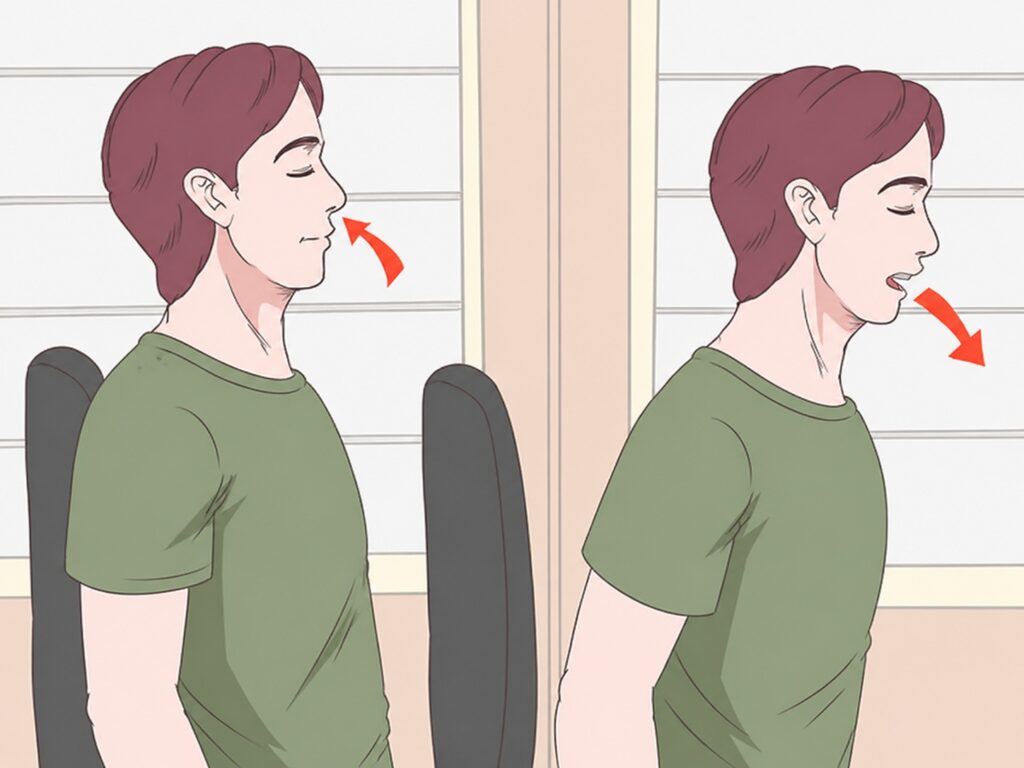
Breathe in slowly through your nose for 4 seconds.
Hold for 2 seconds.
Breathe out slowly for 6 seconds.
Repeat for one to two minutes.
This is a good option when hiccups happen during anxiety, public speaking, laughing, or sudden excitement.
11. Distract the Hiccup Reflex
Sometimes focusing on hiccups makes them feel worse.
A distraction can help calm the cycle.
Try:
- Counting backward from 100
- Naming 10 things you see
- Solving a quick math problem
- Reading something out loud
- Slowly spelling a long word
- Focusing on slow breathing
This may not sound powerful, but it can help when hiccups are linked to stress, excitement, or tension.
12. Try Ginger Tea for Indigestion-Related Hiccups
If your hiccups happen after a large meal, spicy food, or indigestion, a warm drink may feel soothing.
Ginger tea is often used for digestive comfort, although it is not a guaranteed hiccup cure.
Simple Ginger Tea
Add fresh ginger slices to hot water.
Let steep for 5 to 10 minutes.
Sip slowly.
You can add honey if desired.
Avoid very hot drinks if temperature changes trigger your hiccups.
Helpful Item
A simple tea infuser makes it easier to prepare fresh ginger tea, mint tea, or other soothing herbal drinks.
13. Avoid Carbonated Drinks for a While
Fizzy drinks can trigger hiccups because they may increase gas and pressure in the stomach.
If your hiccups started after soda, sparkling water, beer, or champagne, stop drinking carbonation for a while and sip plain water instead.
You may also want to avoid:
- Very large meals
- Drinking too fast
- Spicy foods
- Alcohol
- Chewing gum
- Smoking
- Drinking through a straw too quickly
For some people, preventing hiccups is easier than stopping them once they start.
14. Eat More Slowly
Fast eating is one of the most common hiccup triggers.
When you eat quickly, you may swallow extra air. You may also overfill the stomach before your body has time to signal fullness.
Try this:
- Take smaller bites
- Chew more slowly
- Put your fork down between bites
- Avoid talking while chewing
- Drink slowly
- Stop before you feel overly full
This is especially helpful if you get hiccups often after meals.
15. Manage Acid Reflux Triggers
Some hiccups may be connected to reflux, indigestion, or irritation around the stomach and esophagus.
You may notice this if hiccups happen after:
- Spicy meals
- Greasy foods
- Large dinners
- Alcohol
- Late-night eating
- Lying down after meals
- Acidic foods
- Carbonated drinks
Helpful habits may include:
- Eating smaller meals
- Avoiding lying down right after eating
- Limiting trigger foods
- Eating slowly
- Avoiding tight clothing around the stomach
- Talking with a healthcare provider if reflux is frequent
For long-lasting hiccups, doctors may investigate and treat underlying causes. Mayo Clinic notes that if an underlying medical condition is causing hiccups, treating that condition may stop them. (Mayo Clinic)
Quick Hiccup Relief Routine to Try
If you want a simple step-by-step routine, try this:
Step 1
Sit upright and relax your shoulders.
Step 2
Take a deep breath and hold it for 10 to 20 seconds.
Step 3
Slowly breathe out.
Step 4
Sip cold water slowly for one minute.
Step 5
If hiccups continue, try a teaspoon of sugar or honey.
Step 6
Avoid carbonated drinks and large meals for the next few hours.
This simple routine combines breathing, swallowing, and trigger avoidance.
What Not to Do for Hiccups
Some hiccup remedies are harmless, but others are not worth the risk.
Avoid:
- Scaring someone aggressively
- Drinking upside down if you might choke
- Holding your breath until you feel faint
- Using a plastic bag for breathing
- Taking medications not prescribed for you
- Drinking large amounts of alcohol
- Trying harsh gagging methods
- Giving honey to babies under 12 months
- Ignoring hiccups that last longer than 48 hours
The goal is to interrupt the hiccups safely, not create another problem.
How to Prevent Hiccups
If you get hiccups often, prevention may help.
Try these habits:
- Eat slowly
- Avoid overeating
- Limit fizzy drinks
- Avoid drinking alcohol quickly
- Reduce spicy food if it triggers you
- Avoid sudden temperature changes in food and drinks
- Manage stress
- Treat reflux symptoms if you have them
- Avoid smoking
- Sip instead of gulping drinks
Keep a small note of when hiccups happen. If you notice the same trigger again and again, you may be able to avoid it.
When Hiccups May Be More Serious
Most hiccups are not dangerous.
But long-lasting hiccups can sometimes be linked to conditions affecting the stomach, nerves, brain, lungs, kidneys, or medications. Persistent hiccups can also interfere with sleep, eating, and quality of life.
Mayo Clinic says medicines used for long-term hiccups may include baclofen, chlorpromazine, and metoclopramide, but these are medical treatments for longer-lasting cases and should only be used under professional guidance. (Mayo Clinic)
Merck Manual also notes that persistent hiccups can be difficult to treat and that several medications have been used for stubborn cases, including baclofen, chlorpromazine, metoclopramide, and gabapentin. (MSD Manuals)
See a Doctor If
Get medical advice if:
- Hiccups last more than 48 hours
- Hiccups keep coming back often
- Hiccups affect sleep
- Hiccups make it hard to eat or drink
- Hiccups are painful
- You have chest pain
- You have trouble breathing
- You have severe stomach pain
- You have vomiting
- You have weakness, numbness, confusion, or severe headache
- Hiccups started after a new medication
- Hiccups started after surgery or injury
Do not ignore hiccups that are persistent, unusual, or connected with other symptoms.
Hiccups in Babies and Children
Hiccups are common in babies and are usually harmless.
Babies may hiccup after feeding, swallowing air, or becoming too full.
Gentle steps may include:
- Burping the baby
- Feeding more slowly
- Holding the baby upright after feeding
- Checking bottle nipple flow
- Avoiding overfeeding
Do not use adult hiccup remedies on babies. Do not give honey to babies under 12 months old.
Call a pediatrician if a baby’s hiccups are frequent, seem painful, interfere with feeding, cause vomiting, or worry you.
Hiccups During Pregnancy
Hiccups can happen during pregnancy because of changes in digestion, pressure, reflux, and eating patterns.
Gentle options like sipping water, eating slowly, breathing calmly, and avoiding trigger foods are usually safest.
Pregnant people should avoid strong herbal remedies, laxative teas, or medications for hiccups unless approved by a healthcare provider.
Get medical advice if hiccups are persistent, severe, or connected with other symptoms.
Best Products That May Help With Hiccup Triggers
These products do not “cure” hiccups, but they may help with common triggers such as drinking too fast, reflux habits, or poor hydration.
Reusable Water Bottle
Helpful for sipping water slowly and staying hydrated throughout the day.
Reusable Drinking Straws
Useful if you want to try slow sipping or the ears-plugged water method.
Tea Infuser
Good for making fresh ginger tea, mint tea, or other warm drinks that may feel soothing after meals.
Small Meal Prep Containers
Helpful if overeating triggers your hiccups. Smaller portions can make it easier to avoid getting overly full.
Wedge Pillow
If reflux seems to trigger hiccups at night, elevating the upper body may help some people sleep more comfortably. Talk with a healthcare provider if reflux is frequent.
Frequently Asked Questions
What is the fastest way to get rid of hiccups?
There is no guaranteed fastest method, but holding your breath, sipping cold water slowly, swallowing a teaspoon of sugar, or using slow breathing may help ordinary hiccups stop.
Why do hiccups happen?
Hiccups happen when the diaphragm suddenly contracts and the vocal cords close quickly, creating the “hic” sound.
Does holding your breath stop hiccups?
It may help some people by changing the breathing pattern and interrupting the hiccup reflex.
Does drinking water help hiccups?
Yes, sipping cold water slowly may help some people. Swallowing repeatedly can stimulate nerves in the throat and may help reset the hiccup pattern.
Does sugar stop hiccups?
A spoonful of sugar may help because the grainy texture stimulates the throat. It is an old home remedy, but it is not guaranteed.
Why do I get hiccups after eating?
You may be eating too quickly, overeating, swallowing air, drinking fizzy drinks, or irritating your stomach with spicy or hot foods.
Can acid reflux cause hiccups?
Yes, reflux or indigestion may trigger hiccups in some people. If this happens often, it is worth discussing with a healthcare provider.
Are hiccups dangerous?
Most short hiccup episodes are harmless. Hiccups that last longer than 48 hours or keep coming back often should be medically evaluated.
How long is too long for hiccups?
Hiccups lasting more than 48 hours should be checked by a healthcare provider.
Can stress cause hiccups?
Stress, excitement, and strong emotions can trigger hiccups in some people.
Should I take medicine for hiccups?
Do not take prescription medication for hiccups unless a healthcare provider recommends it. Medicines are usually considered for long-lasting or severe hiccups.
Final Thoughts
Most hiccups are harmless and go away on their own, but that does not make them less annoying.
Start with simple remedies: hold your breath, sip cold water slowly, try a spoonful of sugar, breathe calmly, or lean forward and bring your knees to your chest. If hiccups happen after meals, focus on eating more slowly, avoiding fizzy drinks, and managing reflux triggers.
The important thing is knowing when to take hiccups seriously.
If they last longer than 48 hours, come back often, disrupt your sleep or eating, or happen with other concerning symptoms, get medical advice. Ordinary hiccups are usually just a nuisance, but persistent hiccups deserve attention.