
Gut health has become one of those wellness topics everyone talks about—and for good reason. When your digestion feels off, your whole body can feel off too.
Bloating, sluggish digestion, gas, irregular bowel movements, low energy, and that uncomfortable heavy feeling after meals can make even a normal day feel harder than it needs to be.
Juicing can be a lovely way to add more vitamins, minerals, antioxidants, and hydrating plant compounds into your routine.
Fresh juices are not a replacement for whole fruits and vegetables because juicing removes much of the fiber, and fiber is incredibly important for gut health.
But juices can still be helpful when used alongside a balanced diet, especially if you struggle to eat enough produce.
The best gut-friendly juices usually include ingredients that support hydration, soothe digestion, reduce oxidative stress, and encourage a healthier digestive rhythm. Think cucumber, ginger, lemon, celery, apple, carrot, beet, mint, pineapple, fennel, and leafy greens.
Below are simple juicing recipes for gut health that taste fresh, feel gentle, and are easy enough to make at home.
1. Green Gut Glow Juice
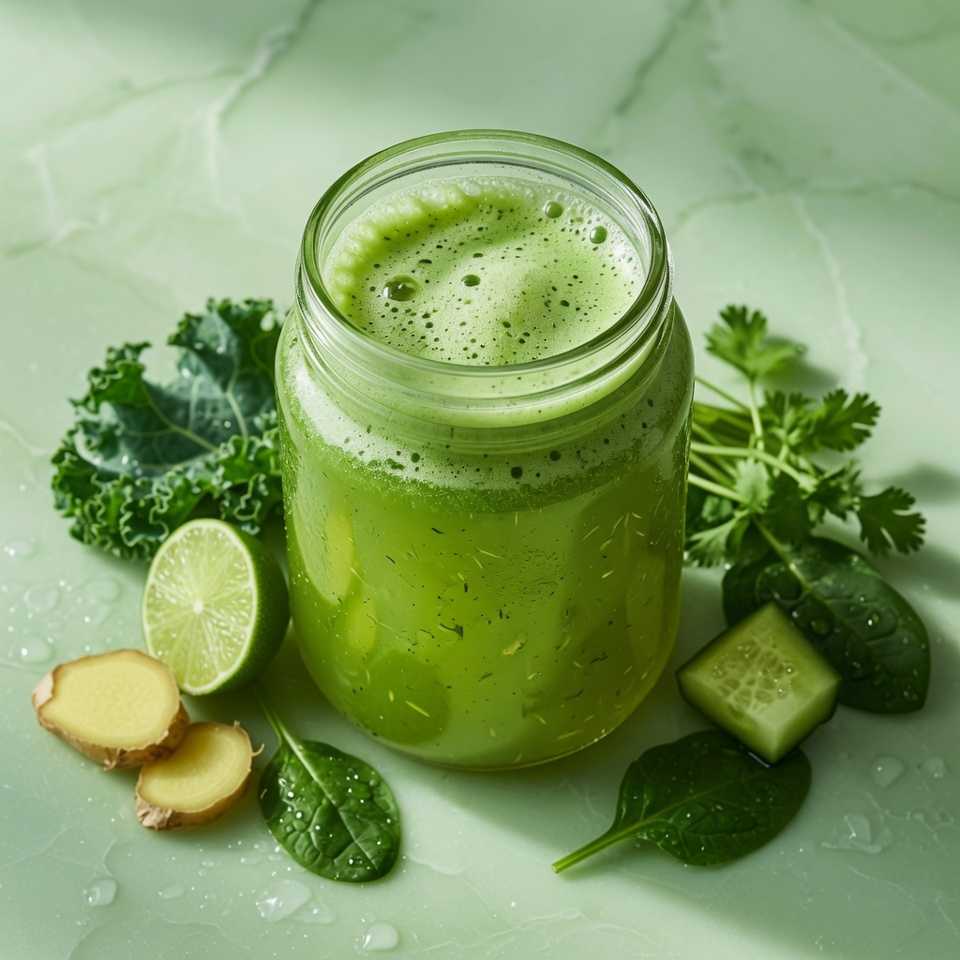
This juice is light, fresh, and perfect when you want something that feels clean without tasting too “grassy.” Cucumber and celery bring hydration, green apple adds a little sweetness, lemon brightens everything, and ginger gives it that warming digestive kick.
Ingredients
- 1 cucumber
- 2 celery stalks
- 1 green apple
- 1 handful spinach
- ½ lemon, peeled
- 1 small piece fresh ginger
How to Make It
Wash all ingredients well, especially the celery and spinach where dirt can hide. Cut everything into pieces that fit your juicer. Juice the cucumber, celery, apple, spinach, lemon, and ginger together. Stir before drinking.
This is a great morning juice because it feels refreshing but not too heavy. If you’re new to ginger, start with a smaller piece because it can be strong.
The cucumber and celery help with hydration, while spinach adds minerals. It’s a simple “reset” style juice that works well when your stomach feels a little sluggish.
2. Carrot Ginger Digestion Juice
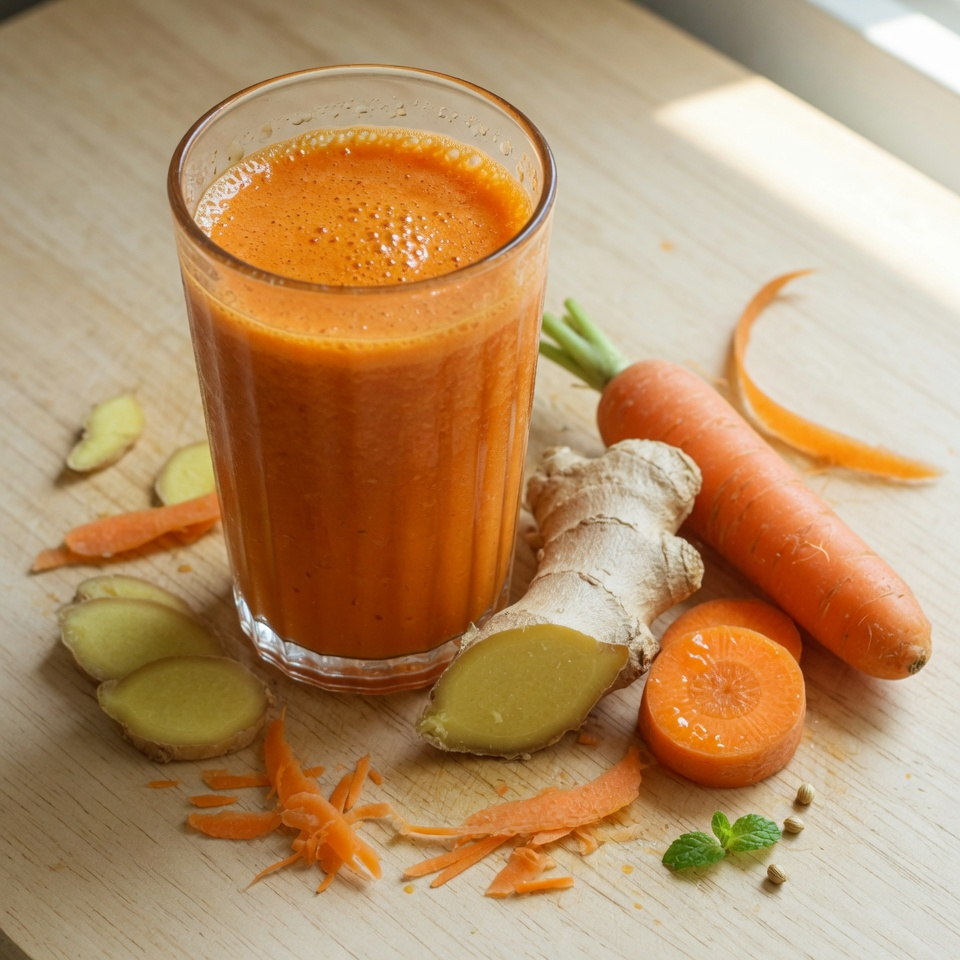
Carrots make a naturally sweet base for juice, which is helpful if you don’t love green drinks.
They also pair beautifully with ginger and lemon, giving this recipe a bright, slightly spicy flavor that feels good after a heavy meal.
Ingredients
- 4 large carrots
- 1 orange, peeled
- ½ lemon, peeled
- 1 small piece fresh ginger
- ½ cucumber
How to Make It
Wash the carrots and cucumber thoroughly. Peel the orange and lemon so the juice doesn’t become too bitter. Run everything through your juicer, stir, and drink fresh.
This juice is rich in beta-carotene from carrots and vitamin C from citrus. Ginger is the star for digestion because it has long been used to ease nausea and support comfortable digestion.
This recipe is especially nice when you want something sweet but still gut-friendly. It tastes bright, sunny, and energizing.
3. Pineapple Mint Belly Juice

Pineapple has a tropical sweetness that makes gut-health juices feel more like a treat. It contains bromelain, an enzyme that helps break down protein, which is why many people enjoy pineapple after heavier meals.
Mint adds a cooling, soothing flavor that makes this juice feel extra refreshing.
Ingredients
- 1½ cups fresh pineapple chunks
- ½ cucumber
- 1 handful fresh mint leaves
- ½ lime, peeled
- 1 celery stalk
How to Make It
Add the pineapple, cucumber, mint, lime, and celery to your juicer. Stir well. Serve cold, or pour over ice if you like a more refreshing drink.
This juice is wonderful on warm days or after lunch. Pineapple brings sweetness, while cucumber and celery keep it light and hydrating. Mint helps balance the acidity and gives the juice a calming feel.
Because pineapple is naturally higher in sugar, keep the portion moderate and avoid making the whole juice fruit-only. The cucumber and celery help balance it nicely.
4. Beet Apple Gut Support Juice
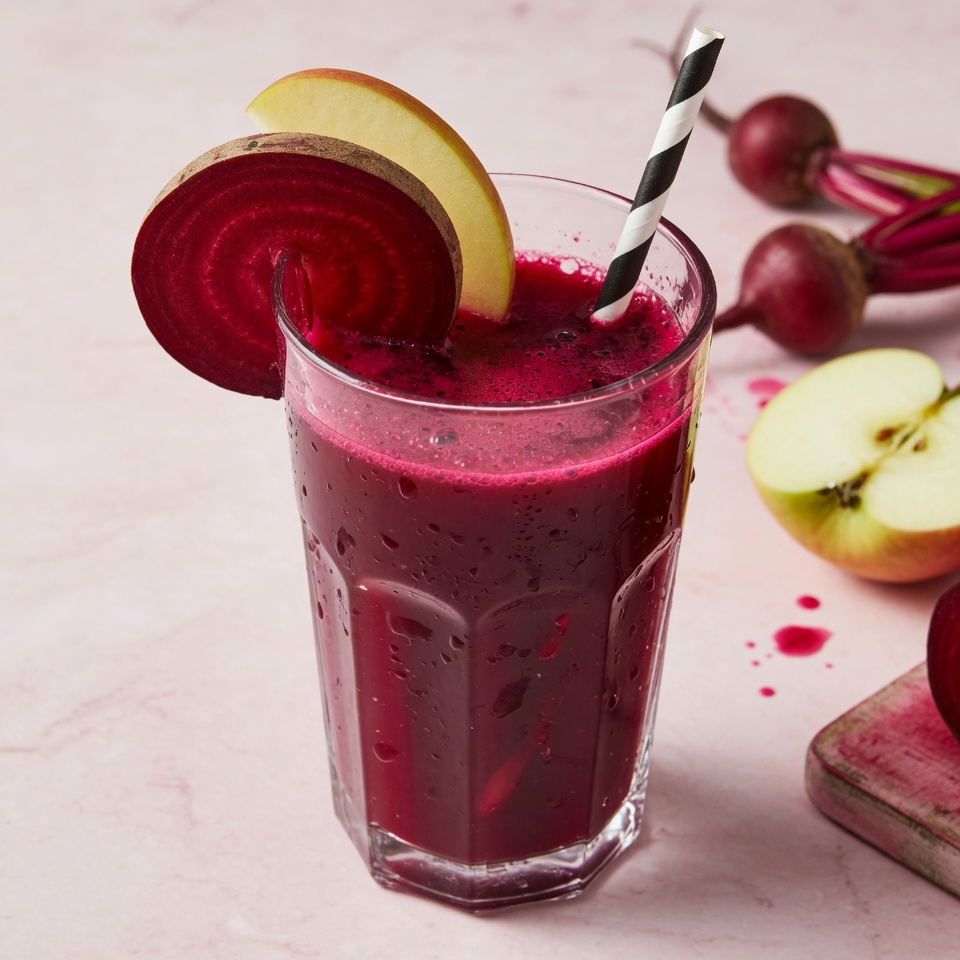
Beets are earthy, vibrant, and full of nutrients. They support blood flow and provide antioxidants, but they also have a strong flavor, so pairing them with apple, carrot, and lemon makes the juice much more enjoyable.
Ingredients
- 1 small beet
- 2 carrots
- 1 apple
- ½ lemon, peeled
- ½ inch fresh ginger
How to Make It
Wash the beet very well and peel it if the skin is rough. Cut into smaller pieces because beets can be firm. Juice the beet, carrots, apple, lemon, and ginger together. Stir before drinking.
This juice has a deeper, richer taste than green juices. It can be helpful when you want something nourishing and colorful.
Be aware that beet juice can temporarily change the color of urine or stool, which can be surprising if you’re not expecting it. Start with a small beet if you’re new to beet juice, because it can be intense.
5. Fennel Cucumber Digestive Juice
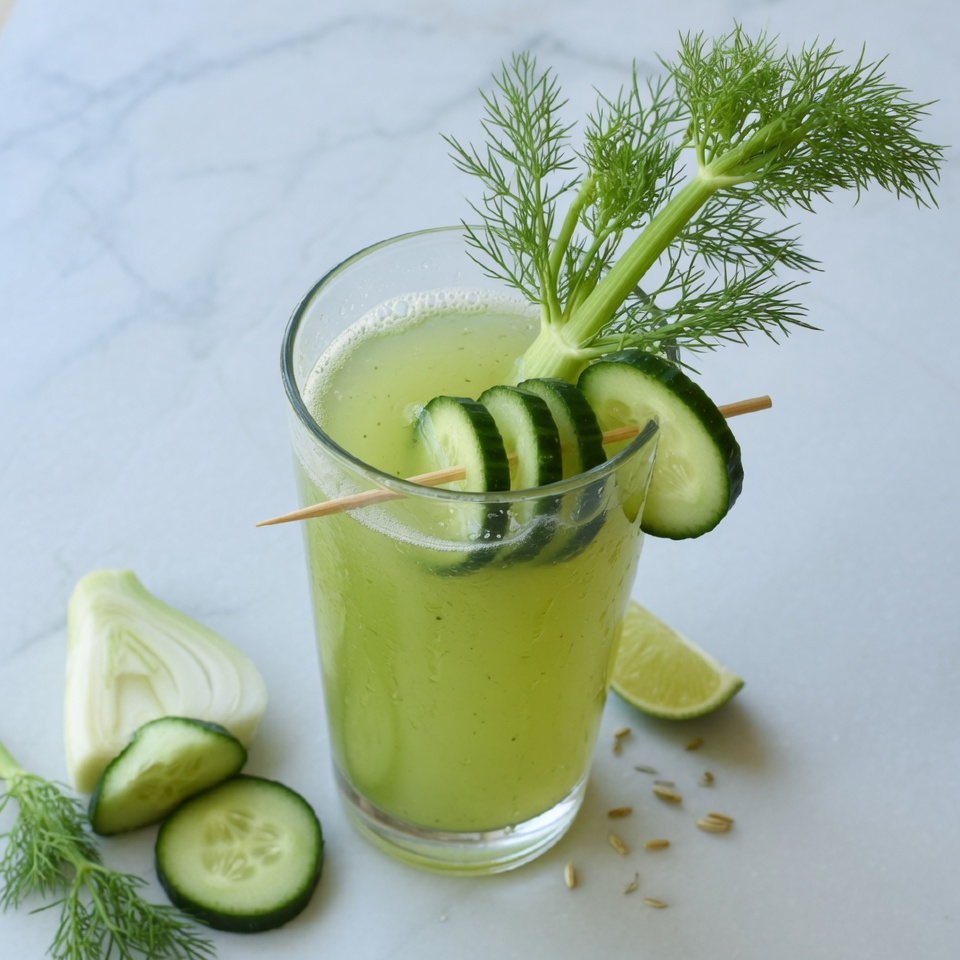
Fennel has a mild licorice-like flavor and has traditionally been used to support digestion, especially when people feel gassy or bloated.
Combined with cucumber, apple, and lemon, it becomes light, crisp, and refreshing.
Ingredients
- 1 small fennel bulb
- 1 cucumber
- 1 green apple
- ½ lemon, peeled
- A few mint leaves
How to Make It
Wash the fennel bulb well, especially between the layers. Slice it into pieces that fit your juicer. Juice the fennel, cucumber, apple, lemon, and mint. Stir and drink fresh.
This is a lovely juice when your stomach feels uncomfortable or heavy. Fennel gives it a unique flavor, so if you’re not sure you’ll like it, start with half a bulb.
The cucumber softens the taste, and the apple adds enough sweetness to make it pleasant. It feels light and cooling, which makes it a nice afternoon option.
6. Celery Lemon Gut Hydration Juice
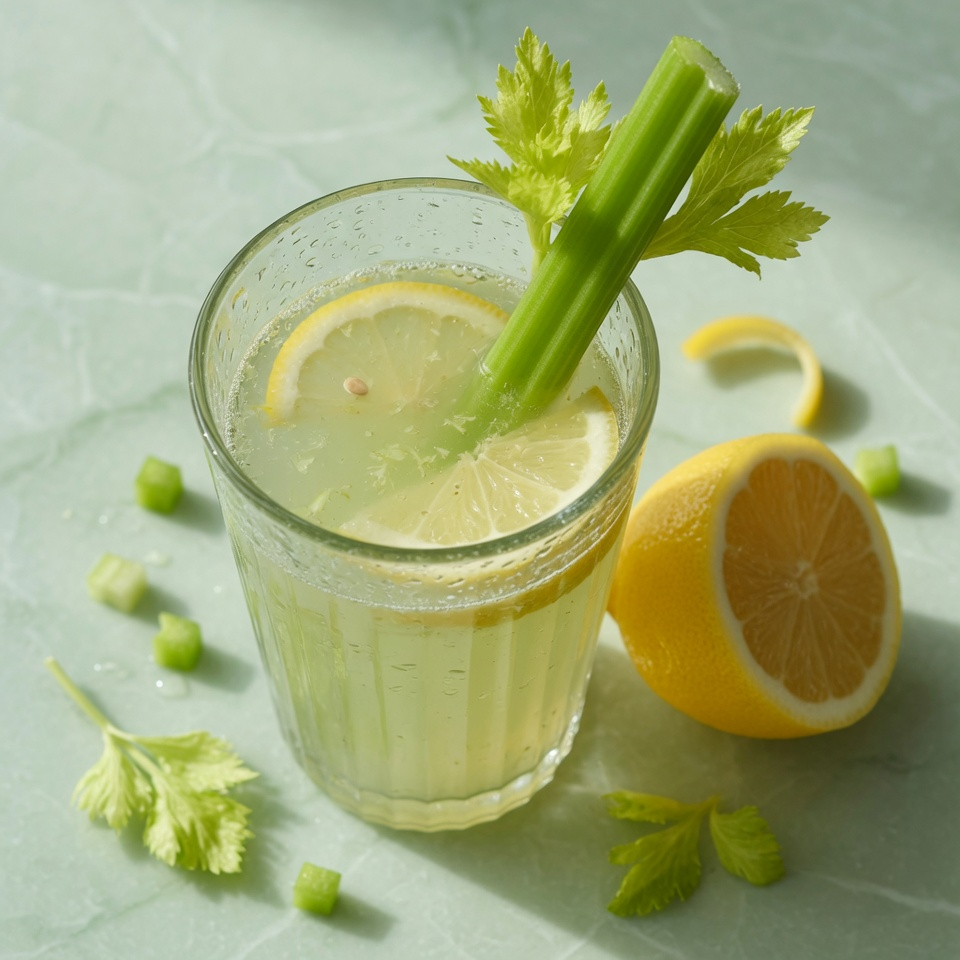
Celery juice became trendy for a while, but you don’t need to treat it like a miracle drink to enjoy it.
Celery is hydrating and naturally rich in plant compounds. Adding lemon and cucumber makes it taste fresher and easier to drink.
Ingredients
- 5 celery stalks
- 1 cucumber
- ½ lemon, peeled
- 1 green apple, optional
- 1 small piece ginger, optional
How to Make It
Wash celery thoroughly because dirt often gets trapped near the base. Juice the celery, cucumber, lemon, and optional apple or ginger. Stir well.
This juice is best for people who like a clean, slightly salty, vegetable-forward flavor. If straight celery tastes too strong, add green apple for sweetness. It’s a good option when you want something hydrating and gentle.
Just don’t rely on celery juice alone for gut health. It’s helpful as part of a bigger routine that includes fiber-rich meals.
7. Cabbage Apple Gut Juice
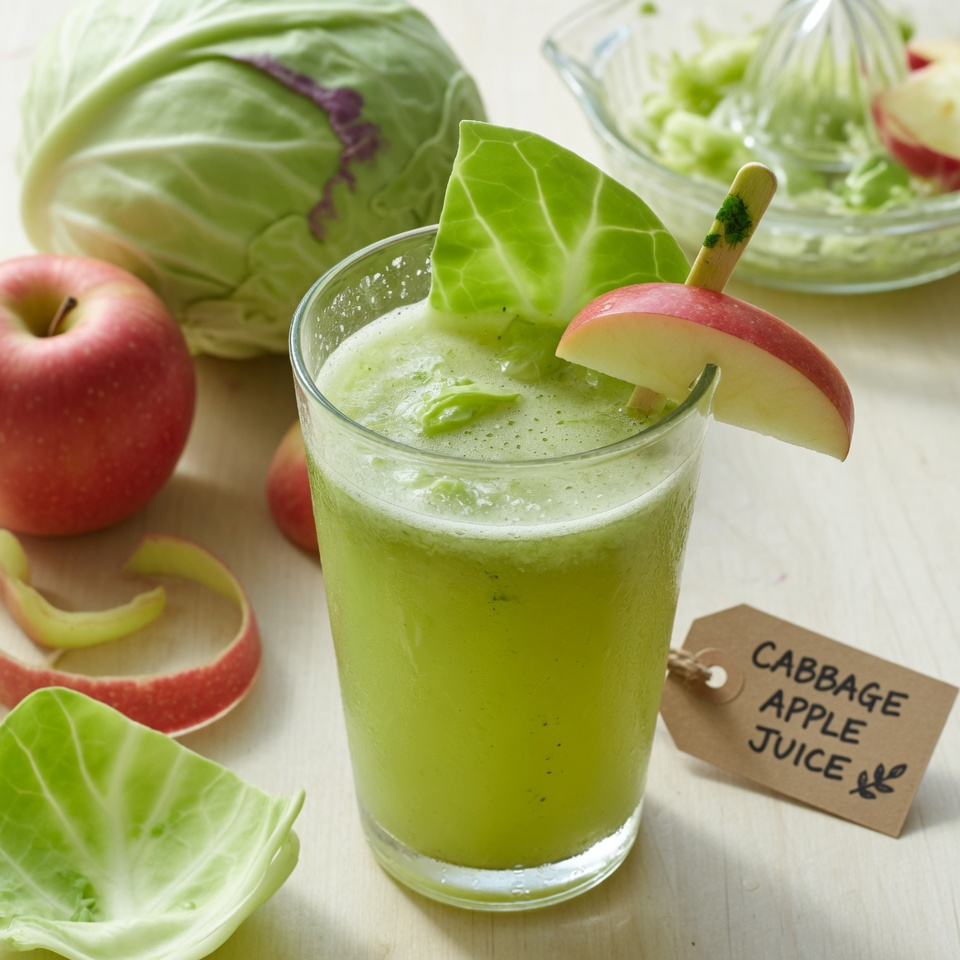
Cabbage juice may not sound glamorous, but it has a long history in digestive wellness routines.
It contains compounds that support the stomach lining, and when paired with apple, carrot, and lemon, the flavor becomes much easier to enjoy.
Ingredients
- 2 cups chopped green cabbage
- 1 apple
- 2 carrots
- ½ lemon, peeled
- ½ cucumber
How to Make It
Wash the cabbage leaves well and chop them into juicer-friendly pieces. Juice the cabbage, apple, carrots, lemon, and cucumber. Stir before drinking.
This juice is best taken in smaller portions, especially if you’re new to cabbage juice. Too much cruciferous vegetable juice at once can cause gas or bloating for some people.
Start with half a glass and see how your body responds. The apple and carrot help mellow the cabbage flavor while still keeping the recipe gut-focused.
8. Aloe Cucumber Soothing Juice
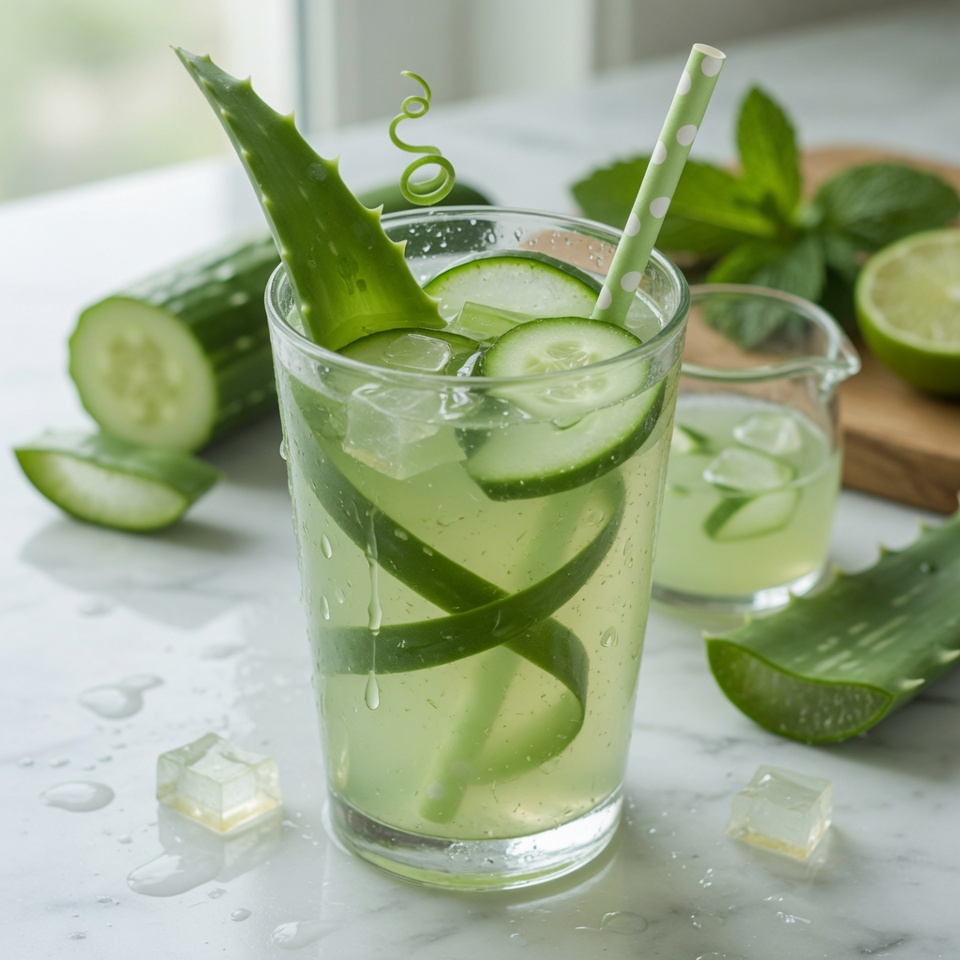
Aloe vera is often associated with skin, but food-grade aloe vera gel or juice is also used in digestive wellness. It has a soothing reputation, though it should be used carefully.
Only use products specifically labeled as safe for internal use, and avoid aloe latex, which can have strong laxative effects.
Ingredients
- 1 cucumber
- 1 green apple
- ½ lemon, peeled
- 1 tablespoon food-grade aloe vera gel
- A few mint leaves
How to Make It
Juice the cucumber, apple, lemon, and mint first. Stir in the food-grade aloe vera gel after juicing. Mix well and drink fresh.
This juice feels cooling and gentle. It’s especially nice when you want something refreshing rather than spicy.
Keep the aloe amount small, especially at first. More is not better with aloe. If you’re pregnant, breastfeeding, taking medication, or dealing with digestive disease, it’s wise to ask a healthcare professional before using aloe internally.
9. Apple Ginger Lemon Juice
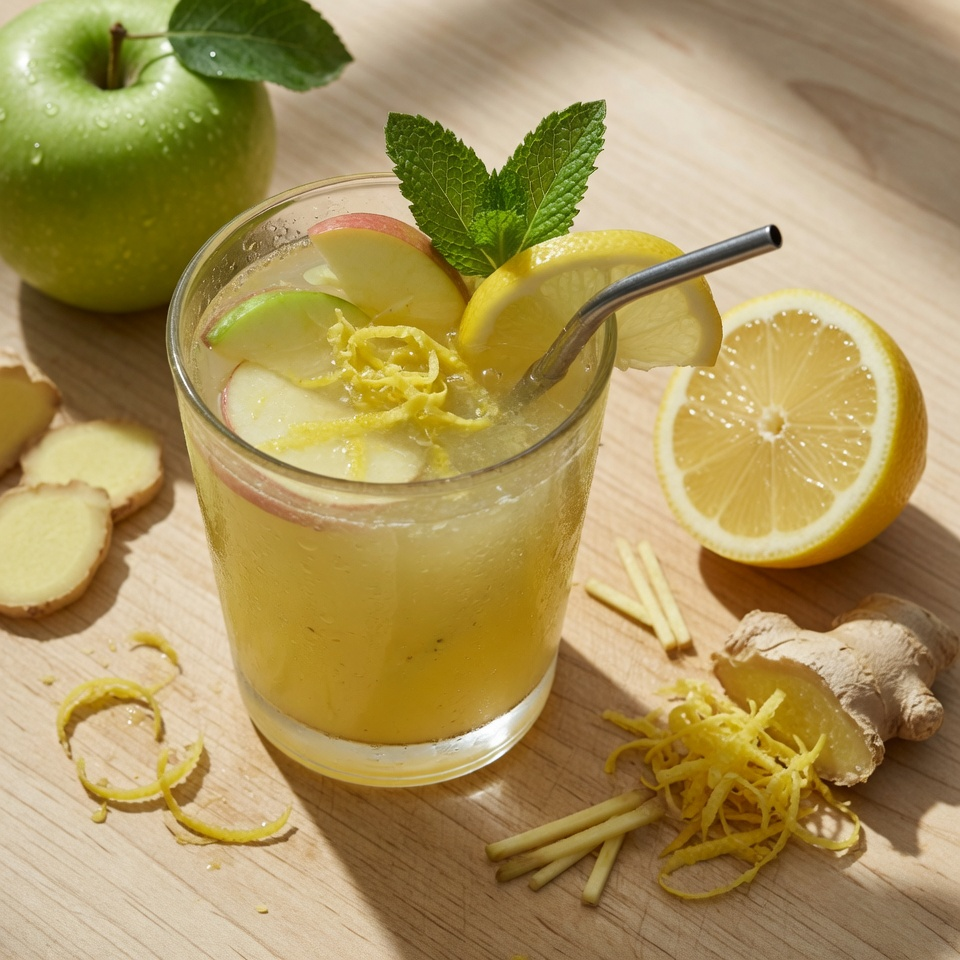
This is one of the easiest gut-friendly juices because the ingredients are simple and the taste is familiar.
Apple gives sweetness, lemon adds brightness, and ginger brings warmth. It’s especially nice if you want a quick juice that doesn’t require a long ingredient list.
Ingredients
- 2 apples
- ½ lemon, peeled
- 1 small piece fresh ginger
- ½ cucumber or 2 celery stalks
How to Make It
Wash everything well. Juice the apples, lemon, ginger, and cucumber or celery. Stir and enjoy.
Because this juice uses apples as the main base, it can be sweeter than some of the others. Adding cucumber or celery helps lighten it and makes it more hydrating.
This recipe is a good beginner option for people who are new to juicing and want something that tastes pleasant while still supporting digestion.
10. Turmeric Carrot Gut Juice
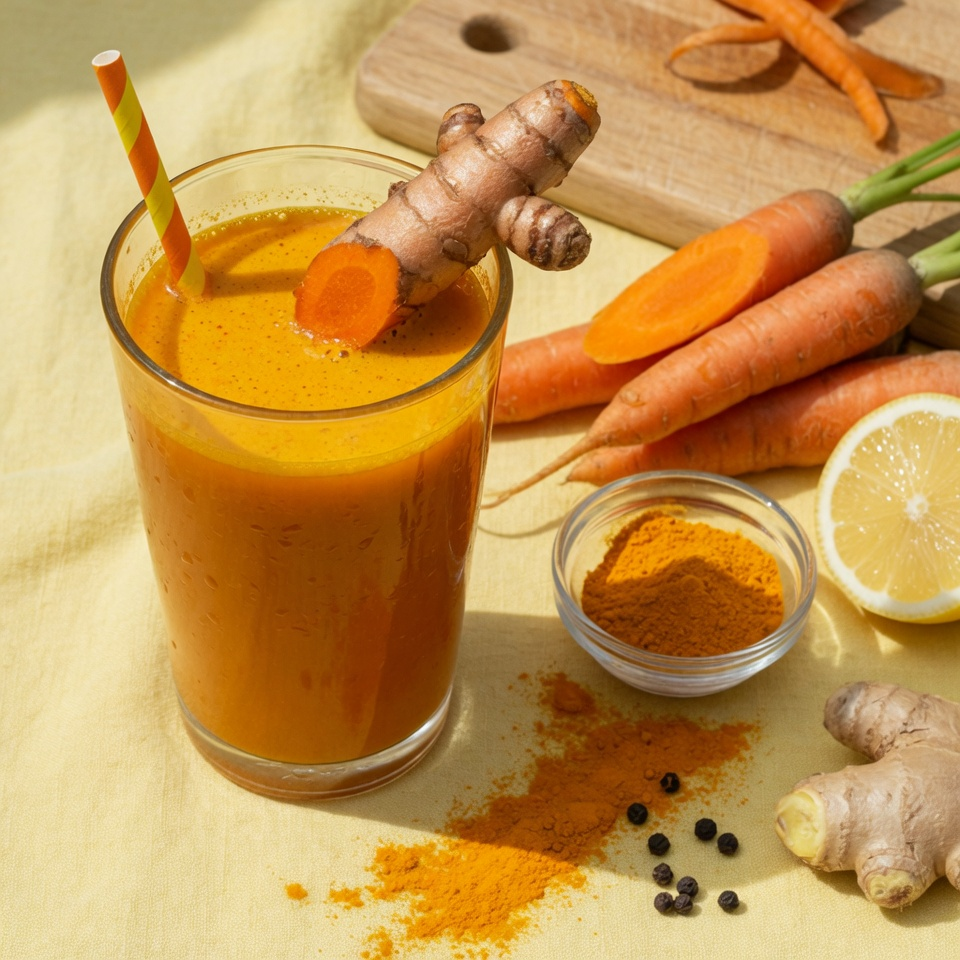
Turmeric has a warm, earthy flavor and is often used for inflammation support. When combined with carrots, orange, lemon, and ginger, it becomes a bright golden juice that feels nourishing and energizing.
Ingredients
- 4 carrots
- 1 orange, peeled
- ½ lemon, peeled
- ½ inch fresh turmeric root, or ¼ teaspoon turmeric powder
- ½ inch fresh ginger
- Pinch of black pepper, optional
How to Make It
Juice the carrots, orange, lemon, fresh turmeric, and ginger. If using turmeric powder, stir it in after juicing.
Add a tiny pinch of black pepper if desired, since black pepper can help with curcumin absorption.
This juice is bold, bright, and slightly spicy. It’s a lovely choice when you want something that feels warming and supportive.
Be careful with turmeric if you take blood thinners or have gallbladder issues, especially in large amounts. Culinary amounts are usually easier to tolerate than supplements.
Tips for Making Juices Better for Gut Health
Juicing removes much of the fiber from fruits and vegetables, so it’s best not to depend on juice as your only source of produce.
Your gut bacteria love fiber, and whole foods like beans, oats, berries, vegetables, seeds, and whole grains are still important.
To make juices more gut-friendly, keep them vegetable-heavy and fruit-light. Too much fruit juice can add a lot of sugar quickly, which may not feel good for blood sugar or digestion.
A good rule is to use one fruit for sweetness and let vegetables make up the rest.
Also, drink juice fresh when possible. Fresh juice loses nutrients over time and can grow bacteria if stored improperly. If you need to store it, keep it in a sealed glass container in the fridge and drink within 24 hours.
Should You Drink Juice on an Empty Stomach?
Some people enjoy juice first thing in the morning, while others feel better drinking it with food. There’s no perfect rule for everyone.
If you have a sensitive stomach, acidic juices with lemon, orange, pineapple, or ginger may feel too strong on an empty stomach.
Try drinking a small amount first and notice how you feel. If it causes discomfort, have it with breakfast or as an afternoon drink instead. Your body’s response matters more than any wellness trend.
Who Should Be Careful With Juicing?
Juicing may not be ideal for everyone. If you have diabetes, blood sugar issues, kidney disease, acid reflux, IBS, or are on medications, some juices may need adjusting.
For example, fruit-heavy juices can raise blood sugar quickly, and high-potassium juices may not be suitable for some kidney conditions.
If you’re pregnant, breastfeeding, or using herbs like aloe, turmeric, or large amounts of ginger, it’s smart to be cautious. Natural ingredients can still have strong effects.
Final Thoughts
Juicing can be a simple, refreshing way to add more nutrients into your day and support gut health gently. The key is balance.
Choose vegetable-heavy recipes, add digestion-friendly ingredients like ginger, mint, fennel, cucumber, and lemon, and don’t forget that whole foods with fiber are still essential.
Start with one recipe that sounds good to you. Maybe it’s the Green Gut Glow Juice, the Pineapple Mint Belly Juice, or the Carrot Ginger Digestion Juice.
Keep it simple, listen to your body, and treat juice as a supportive habit—not a miracle cure.
A healthy gut is built with consistent little choices. And a fresh, colorful juice can be one beautiful place to begin.