Mosquitoes can ruin a perfectly good evening outside.
You finally sit down on the patio, the weather feels nice, the yard looks peaceful… and then the buzzing starts.
Before you know it, you’re slapping your ankles, scratching your arms, and wondering why mosquitoes always seem to find you first.
If you’re looking for a DIY mosquito repellent, the good news is that there are several natural and homemade ways to reduce mosquito bites around your patio, backyard, porch, and outdoor seating areas.
But here’s the important part: homemade mosquito sprays are not always as strong or long-lasting as EPA-registered insect repellents.
If you live in an area where mosquito-borne illnesses are a concern, or you’re spending hours outdoors, use a proven repellent.
The CDC recommends EPA-registered insect repellents and lists active ingredients such as DEET, picaridin, IR3535, oil of lemon eucalyptus, PMD, and 2-undecanone. (CDC)

That said, DIY mosquito repellent ideas can still be helpful for everyday backyard use, patio comfort, garden areas, and reducing mosquito-friendly conditions around your home.
Let’s go through the best homemade mosquito repellent ideas, what actually helps, and what to avoid.
Affiliate Disclosure: This post contains affiliate links. If you buy through links on this page, StylePersuit may earn a small commission at no extra cost to you.
What Attracts Mosquitoes to Your Yard?
Before making DIY mosquito repellent, it helps to understand why mosquitoes are showing up in the first place.
Mosquitoes are attracted to:
- Standing water
- Warmth
- Body odor
- Sweat
- Carbon dioxide from breathing
- Shady, damp areas
- Tall grass and overgrown plants
- Outdoor lights in some cases
- Open trash or sugary drinks
The biggest backyard mosquito problem is usually standing water. Mosquitoes lay eggs in water, and even small amounts can become a breeding spot.
Look around your yard for:
- Buckets
- Plant saucers
- Bird baths
- Gutters
- Old tires
- Pet bowls
- Toys
- Tarps
- Wheelbarrows
- Clogged drains
- Low spots in the yard
Getting rid of standing water is one of the best natural mosquito control methods you can use.
1. DIY Mosquito Repellent Spray for Outdoor Use

This homemade mosquito spray is designed for outdoor seating areas, patio furniture, porch edges, and garden corners, not as your only skin protection in high-risk mosquito areas.
You’ll need:
- 1 cup witch hazel
- 1 cup distilled water
- 1 tablespoon apple cider vinegar
- 15 drops citronella essential oil
- 10 drops lemongrass essential oil
- 10 drops lavender essential oil
- 5 drops peppermint essential oil
- Clean spray bottle
How to make it:
Pour the witch hazel and distilled water into a clean spray bottle. Add apple cider vinegar, then add the essential oils.
Shake well before every use because oil and water naturally separate.
Spray lightly around outdoor seating areas, patio edges, chair legs, table legs, porch railings, and nearby surfaces.
Avoid spraying directly onto food, dishes, pets, children’s toys, or delicate fabrics.
This kind of DIY mosquito repellent spray smells fresh and can help make a patio feel less inviting to mosquitoes. Still, it should be treated as a short-term outdoor comfort spray, not a medical-grade mosquito repellent.
Helpful option: Get it on Amazon
2. Homemade Mosquito Repellent Spray for Skin

If you want a more natural-feeling mosquito spray for casual backyard evenings, this gentle recipe may be useful.
Use a small patch test first, especially if you have sensitive skin.
You’ll need:
- ½ cup witch hazel
- ½ cup distilled water
- 1 teaspoon vegetable glycerin, optional
- 8 drops lavender essential oil
- 6 drops citronella essential oil
- 4 drops cedarwood essential oil
- 4 drops geranium essential oil
- Spray bottle
How to make it:
Mix the witch hazel, distilled water, and vegetable glycerin in a clean spray bottle. Add the essential oils and shake well before each use.
Spray lightly on arms, legs, and exposed skin. Avoid the face, eyes, mouth, cuts, irritated skin, and sensitive areas. Reapply as needed, especially if you sweat.
Important safety note: Do not use essential oil sprays on babies or very young children. Do not use oil of lemon eucalyptus or PMD products on children under 3 years old, and avoid applying repellents to children’s hands, eyes, mouth, cuts, or irritated skin. (CDC)
If mosquitoes are heavy or disease risk is a concern, use an EPA-registered repellent instead.
For this recipe: Check price on Amazon
3. DIY Mosquito Repellent Candle
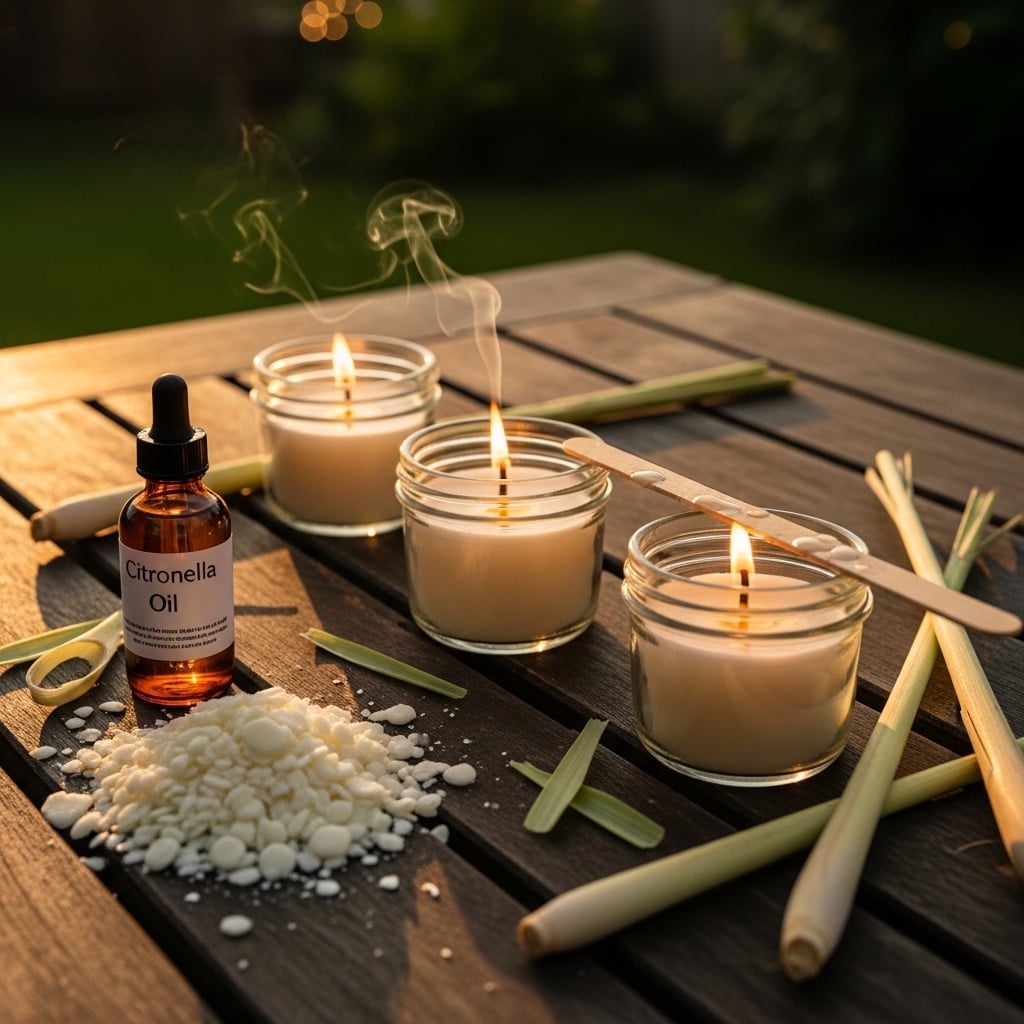
Citronella candles are popular for a reason. They create a pleasant outdoor atmosphere and may help slightly in a small area, especially when combined with other mosquito control steps.
You’ll need:
- Soy wax flakes
- Candle wicks
- Heat-safe jars or tins
- Citronella essential oil
- Lemongrass essential oil
- Double boiler or heat-safe bowl
- Wooden stir stick
How to make it:
Melt the soy wax slowly using a double boiler. Once melted, remove from heat and let it cool slightly before adding essential oils. Use citronella as the main scent, then add lemongrass for a fresh outdoor smell.
Place the wick in the jar, pour in the wax, and let it set completely.
Use the candle outdoors on a stable, heat-safe surface. Keep it away from pets, children, curtains, dry leaves, and anything flammable.
A candle alone will not protect your whole yard, but it can help create a more pleasant patio setup.
Helpful option: Shop it on Amazon
4. Lemon and Clove Mosquito Repellent Bowl

This is one of the easiest natural mosquito repellent ideas for patios and outdoor tables. It looks pretty, smells fresh, and takes about two minutes to make.
You’ll need:
- 2 lemons or limes
- Whole cloves
- Small bowl or plate
- Optional: rosemary sprigs
How to make it:
Cut the lemons or limes in half. Push whole cloves into the cut side of each half. Place them in a small bowl or on a plate near your outdoor seating area.
You can also add rosemary sprigs for a stronger herbal scent.
This DIY mosquito repellent bowl is best used as a light support method for small spaces like porch tables, picnic setups, or outdoor dining areas. It will not replace mosquito spray, but it can make your space smell cleaner and fresher.
Easy add-on: View on Amazon
5. DIY Mosquito Repellent Mason Jar Luminaries

These mason jar luminaries are popular because they are pretty and practical. They are perfect for summer patios, backyard parties, outdoor dinners, and porch decor.
You’ll need:
- Mason jars
- Lemon slices
- Lime slices
- Fresh rosemary
- Citronella essential oil
- Floating candles
- Water
How to make it:
Fill each mason jar with water. Add lemon slices, lime slices, and rosemary sprigs. Add a few drops of citronella essential oil. Place a floating candle on top and light it outdoors.
The scent, candlelight, and herbs make the jars beautiful for a backyard table. Like other natural mosquito repellent ideas, this works best as one layer of protection, not your only mosquito defense.
Helpful option: Get it on Amazon
6. Mosquito-Repelling Plants for Patio and Yard

Plants alone will not make your yard mosquito-free, but they can help support a natural mosquito control routine while making your patio look better.
Good mosquito-repelling plants include:
- Citronella grass
- Lavender
- Rosemary
- Basil
- Mint
- Lemongrass
- Marigolds
- Catnip
- Sage
- Lemon balm
Place these near patios, seating areas, garden paths, porch steps, and outdoor dining spots. For small backyards, use containers so you can move them around.
Mint and lemon balm can spread aggressively, so it’s better to grow them in pots.
For your patio: Check price on Amazon
7. DIY Mosquito Yard Cleanup Routine
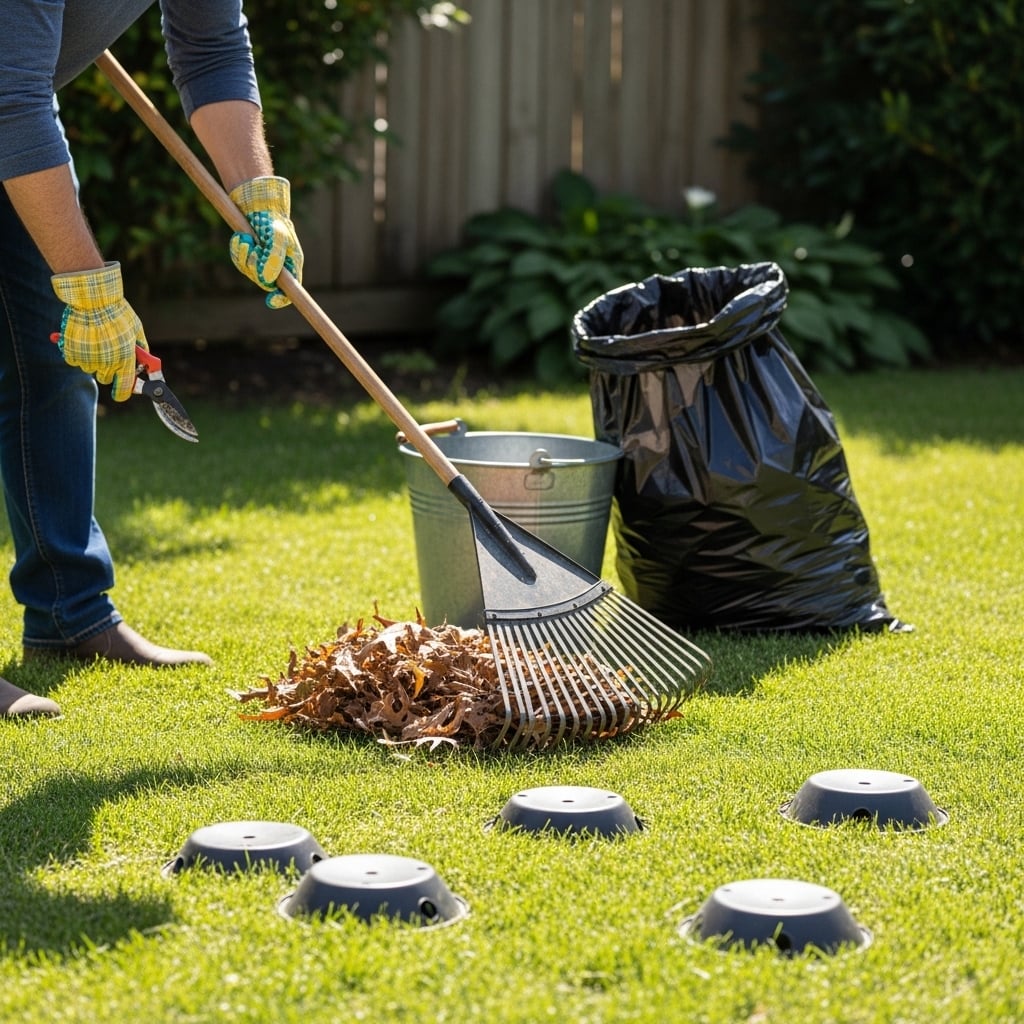
This is honestly one of the most effective “DIY mosquito repellent” methods because it attacks the problem at the source.
You’ll need:
- Garden gloves
- Bucket
- Rake
- Pruning shears
- Gutter scoop or cleaning tool
- Trash bags
How to do it:
Walk around your yard once a week and empty anything holding water. Dump plant saucers, buckets, toys, watering cans, tarps, and wheelbarrows. Clean gutters if they are clogged.
Change bird bath water often. Keep grass trimmed and prune overgrown shrubs so damp shaded areas dry faster.
This routine matters because mosquitoes can breed in surprisingly small amounts of water.
If you only do one thing from this list, do this.
For cleanup: View options on Amazon
8. DIY Mosquito Repellent Patio Fan Trick
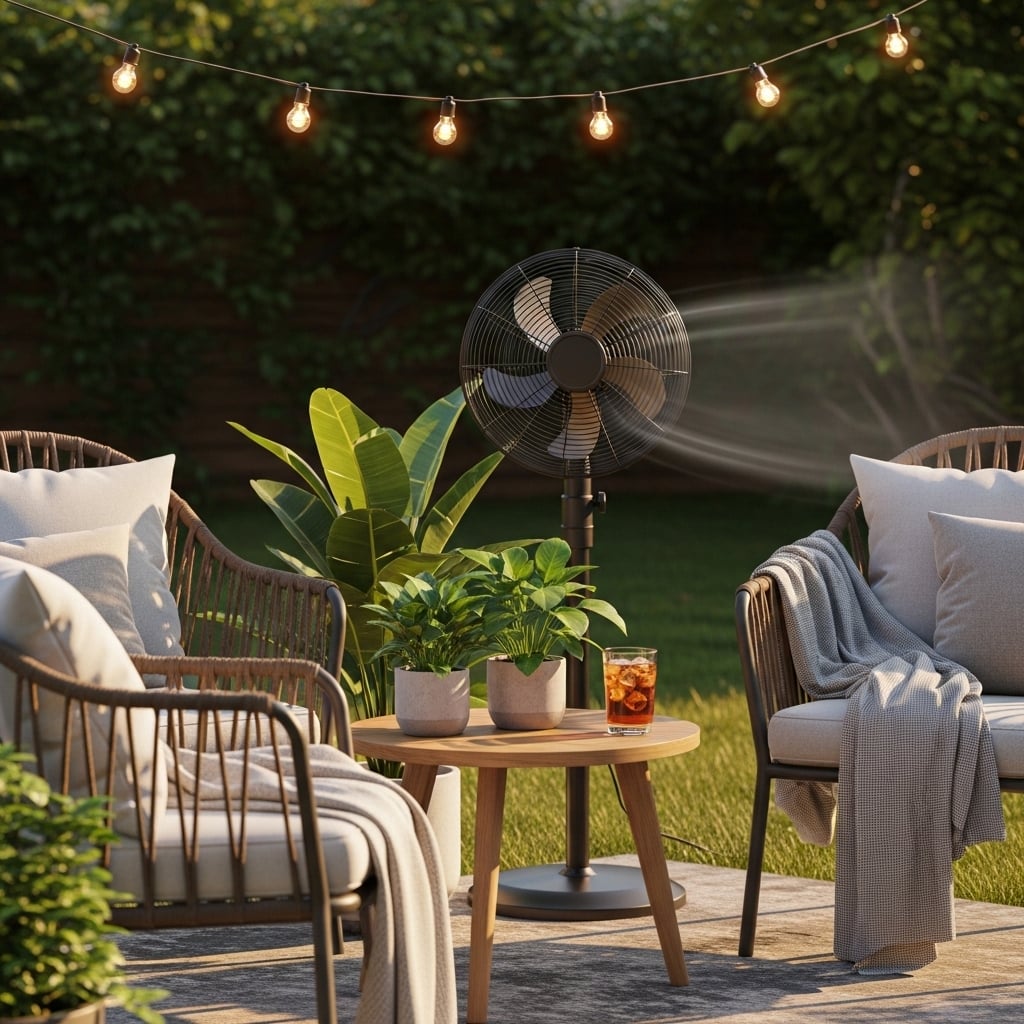
A fan may not sound like a natural mosquito repellent, but it can be surprisingly helpful. Mosquitoes are weak fliers, so moving air makes it harder for them to land on you.
Place an outdoor-safe fan near your seating area and aim it across your legs and ankles, where mosquitoes often bite.
This works especially well for:
- Patios
- Porches
- Decks
- Outdoor dining tables
- Screened areas
- Backyard parties
It does not involve chemicals, scents, or sprays, which makes it a simple option for sensitive people.
Helpful option: Check price on Amazon
9. DIY Garlic Mosquito Yard Spray
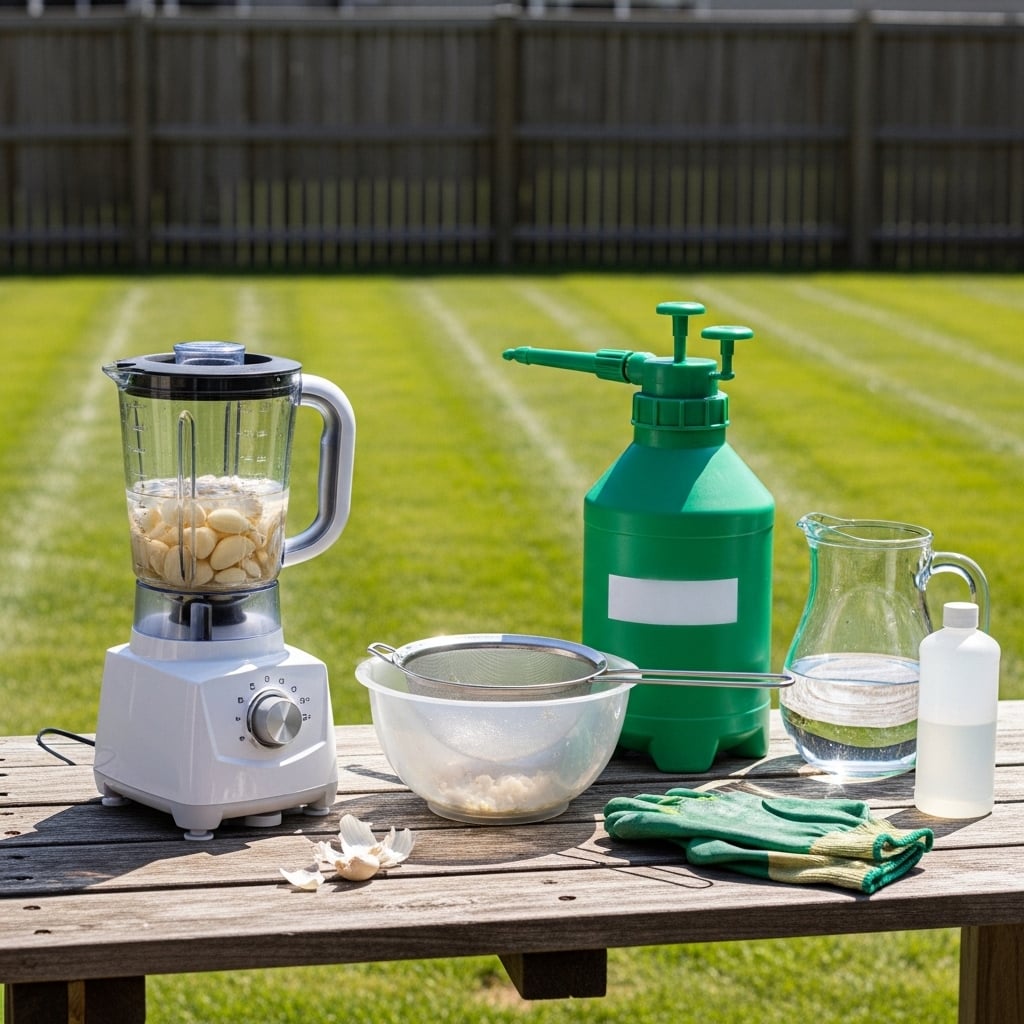
Garlic spray is a common homemade mosquito yard repellent. The strong smell may help discourage mosquitoes temporarily, especially around garden edges and outdoor zones.
You’ll need:
- 4–5 garlic cloves
- 4 cups water
- 1 tablespoon mineral oil or mild dish soap
- Blender
- Strainer
- Garden sprayer
How to make it:
Blend garlic cloves with water. Let the mixture sit for several hours or overnight. Strain it well, then add a small amount of mild soap or mineral oil to help it stick to outdoor surfaces.
Spray around fence lines, grass edges, patio borders, and garden corners. Do not spray directly on pets, people, food plants you are about to harvest, or delicate flowers without testing first.
Use this outdoors only, and expect a strong smell.
10. DIY Mosquito Repellent for Camping
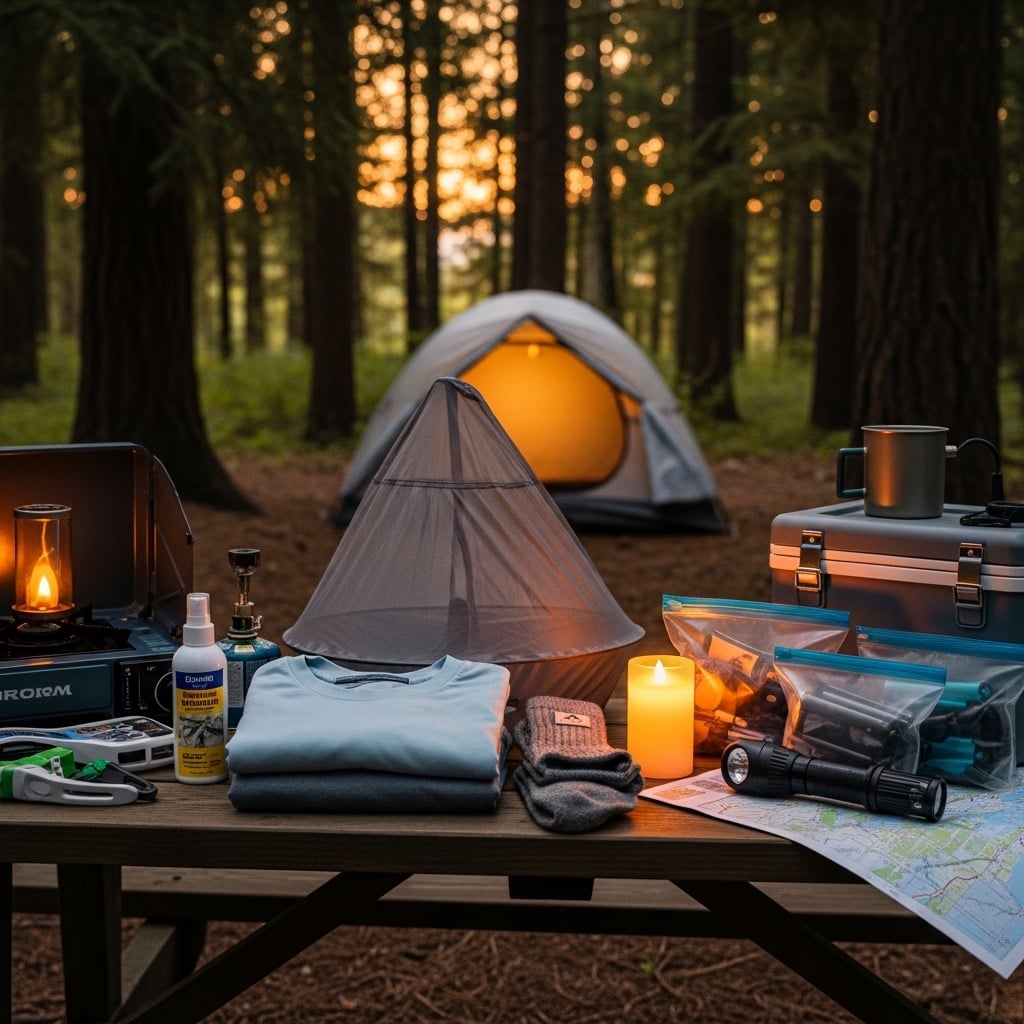
If you are camping, you need stronger protection than a few herbs on a table. DIY methods can help your setup, but use proven repellents for your skin and clothing.
Pack this mosquito kit:
- EPA-registered insect repellent
- Long sleeves and pants
- Permethrin-treated clothing or gear
- Mosquito netting
- Outdoor fan if camping with power
- Citronella candle or lantern
- First-aid itch relief
- Zip bags for trash
The CDC says permethrin-treated clothing and gear can help prevent mosquito bites, and permethrin can be used on boots, shirts, pants, socks, and tents when used correctly. (CDC)
Do not apply permethrin directly to your skin. Treat gear outdoors, let it dry fully, and follow the label.
For camping gear: View on Amazon
DIY Mosquito Repellent Safety Tips
Natural does not always mean harmless. Essential oils are concentrated, and some can irritate skin, eyes, lungs, or pets.
Keep these safety tips in mind:
- Always dilute essential oils.
- Do a patch test before using on skin.
- Avoid eyes, lips, cuts, and irritated skin.
- Do not use essential oil sprays on babies.
- Be careful using essential oils around pets.
- Do not spray DIY mixtures on cats or dogs.
- Keep sprays away from food and dishes.
- Label homemade bottles clearly.
- Store away from children.
- Use EPA-registered repellents when mosquito disease risk is high.
EPA-registered repellents are reviewed for safety and effectiveness when used according to label directions, which is why they are the better choice when reliable protection matters. (US EPA)
Common DIY Mosquito Repellent Mistakes
Relying Only on Essential Oils
Essential oil sprays may smell nice, but they often do not last as long as proven repellents. Use them as light support, not your only protection in mosquito-heavy areas.
Ignoring Standing Water
You can spray your patio all day, but if mosquitoes are breeding in buckets, gutters, and plant saucers, they will keep coming back.
Using Too Much Essential Oil
More oil does not mean better protection. It can irritate skin and stain surfaces.
Spraying Pets
Do not spray homemade mosquito repellent on pets unless your veterinarian approves the exact ingredients.
Forgetting to Reapply
DIY sprays usually fade faster than store-bought repellents. Reapply carefully if needed.
FAQs About DIY Mosquito Repellent
What is the best homemade mosquito repellent?
A common homemade mosquito repellent uses witch hazel, distilled water, and essential oils like citronella, lemongrass, lavender, cedarwood, or geranium.
It may help for light backyard use, but EPA-registered repellents are more reliable for strong mosquito protection.
What smell do mosquitoes hate the most?
Mosquitoes are often associated with avoiding scents like citronella, lemongrass, lavender, peppermint, rosemary, basil, and eucalyptus. However, scent alone is not enough for dependable protection.
Does vinegar repel mosquitoes?
Vinegar is often used in homemade mosquito sprays, but it is not the strongest mosquito repellent on its own.
It may help as part of a DIY outdoor spray, but do not rely on vinegar alone.
Do mosquito-repelling plants really work?
Mosquito-repelling plants may help slightly when leaves are crushed or oils are released, but simply having the plant nearby will not protect your entire yard.
They work best as part of a larger mosquito prevention routine.
Can I spray DIY mosquito repellent on my skin?
Some DIY sprays can be used on adult skin if properly diluted, but always patch test first. Avoid the face, eyes, mouth, cuts, and irritated skin. Use an EPA-registered repellent when reliable protection is needed.
What is the safest mosquito repellent for kids?
For children, follow CDC guidance and use repellents according to label instructions. Do not use products containing oil of lemon eucalyptus or PMD on children under 3 years old, and do not apply repellent to children’s hands, eyes, mouth, cuts, or irritated skin. (CDC)
How do I keep mosquitoes away from my patio naturally?
Remove standing water, trim overgrown plants, use fans, add mosquito-repelling plants in containers, light citronella candles, and use DIY outdoor sprays around patio edges.
What is the best DIY mosquito repellent for the yard?
The best DIY mosquito control for the yard is removing standing water weekly. You can also trim grass, clear debris, clean gutters, use fans, and spray outdoor areas with a garlic or essential oil yard spray for temporary support.
Final Thoughts
DIY mosquito repellent can be helpful, especially when you use it as part of a full backyard routine.
A homemade spray, citronella candle, mosquito-repelling plants, patio fan, and weekly yard cleanup can make your outdoor space feel much more comfortable.
But the most important step is removing standing water. That is where mosquitoes breed, and it is the one thing many people forget.
For casual patio evenings, DIY mosquito repellent ideas can be a nice natural layer. For hiking, camping, travel, or areas with mosquito-borne illness concerns, choose an EPA-registered repellent and follow the label carefully.
A mosquito-free backyard may not happen overnight, but with a few smart habits, your porch, patio, and garden can feel a lot more peaceful.