
If you’re raising backyard ducks, providing them with a secure, well-designed shelter is essential. Unlike chickens, ducks don’t roost and are particularly vulnerable to predators, meaning their housing needs to be carefully planned.
Whether you’re repurposing a doghouse, modifying a shed, or constructing a custom duck house, here’s everything you need to consider to create the perfect home for your feathered friends.
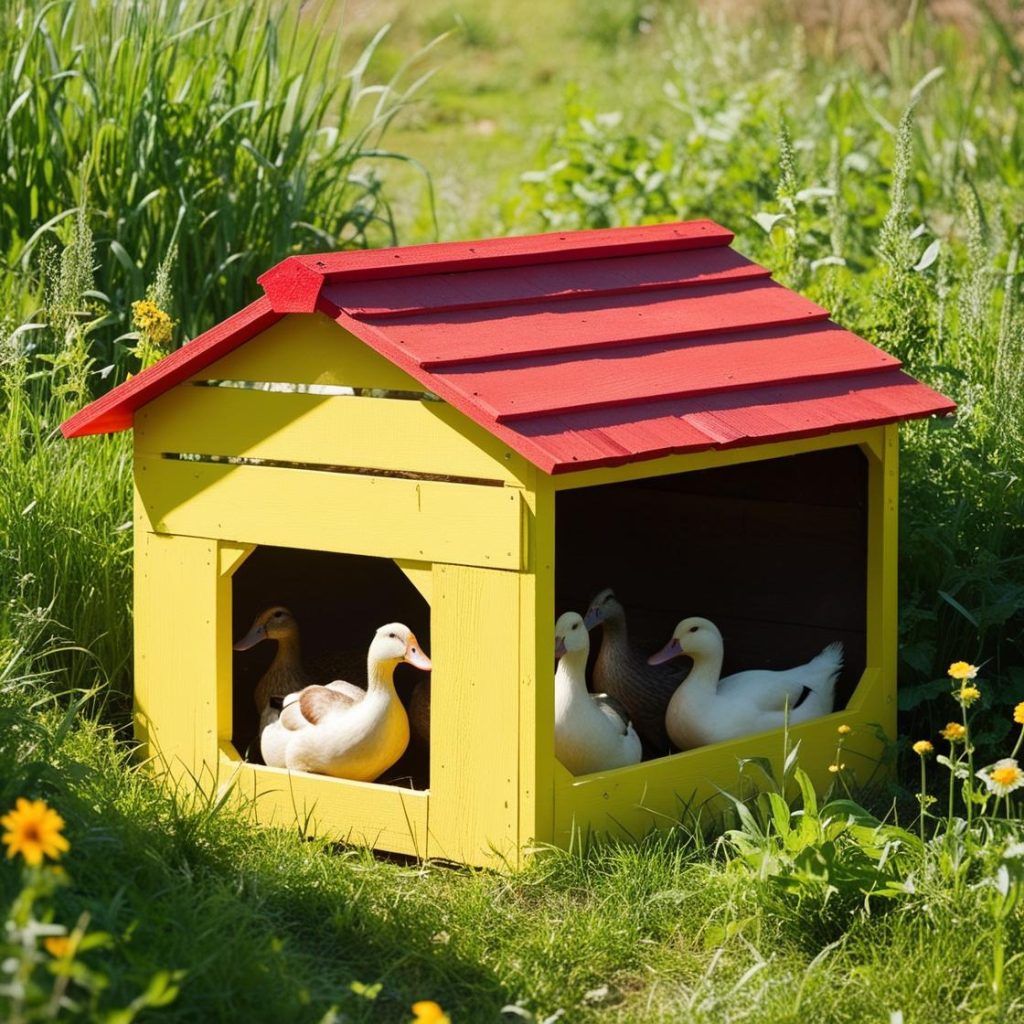

1. Space Requirements
Ducks spend most of their time on the ground, so adequate floor space is crucial for their comfort.
Plan for at least 4 square feet per duck inside the house to allow them to settle in comfortably. Overcrowding can lead to stress, unsanitary conditions, and potential health problems.
2. Flooring & Predator Protection
Your duck house should be built to prevent predators from burrowing inside.
While the structure can sit on the ground, using a solid wood or concrete floor helps keep unwanted visitors like raccoons or foxes from digging underneath.
Covering the floor with vinyl sheeting makes cleaning up much easier and prevents moisture buildup, which is especially helpful if you provide water inside the house overnight.
3. Bedding Choices: Straw vs. Shavings
When it comes to bedding, ducks thrive best with straw rather than pine shavings. Straw provides superior insulation during colder months and maintains its structure better, keeping ducks dry and warm.
Pine shavings can absorb moisture, but they also tend to become soggy quickly. Avoid hay, as it’s more prone to mold growth, which can lead to aspergillosis, a dangerous respiratory infection for ducks.
Regardless of the material, be sure to replace wet or soiled bedding regularly to prevent bacteria and mold buildup.
4. Nesting Preferences
Unlike chickens, ducks rarely use nesting boxes, preferring to create a cozy nest in a corner of the duck house.
If you want to offer nesting areas, keep them low to the ground and at least 14 inches square, filled with soft, dry straw.
Another option is placing a wooden crate or box on its side in a secluded corner to see if your ducks take to it.
5. Proper Ventilation for Healthier Ducks
Ducks generate a lot of moisture through their breath, which can lead to excessive humidity inside the house if there’s inadequate airflow.
To prevent moldy bedding, frostbite, and respiratory issues, install vents near the roofline for proper ventilation.
The duck house should also have hinged windows or adjustable shutters, which can be opened or closed depending on the season.
Cover all vents and openings with ½-inch hardware cloth to keep out predators while still allowing air to circulate.
6. Entry & Exit Design
Your ducks’ entrance (also called a pop door) should be wide enough for at least two ducks to enter at once, since they tend to waddle in groups and can get stuck if the doorway is too narrow.
A secure locking mechanism is a must—raccoons, for example, are notorious for being able to unlatch simple closures. Use a locking eye hook or another predator-proof latch to keep them safe at night.
If the duck house is raised off the ground, provide a ramp for easy access. Since ducks aren’t as agile as chickens, a wider ramp with small railings can help them maintain their balance as they waddle up and down.
Duck Coop Ideas
Duck coops are a little different from chicken coops. Ducks don’t roost on bars, they sleep on the ground, they need excellent ventilation, and they absolutely love access to water and outdoor space.
The best duck coop ideas focus on safety, easy cleaning, airflow, and predator protection while still giving ducks a comfortable place to rest at night.
Below are some creative and practical duck coop ideas many backyard duck keepers use.
1. A-Frame Duck Coop
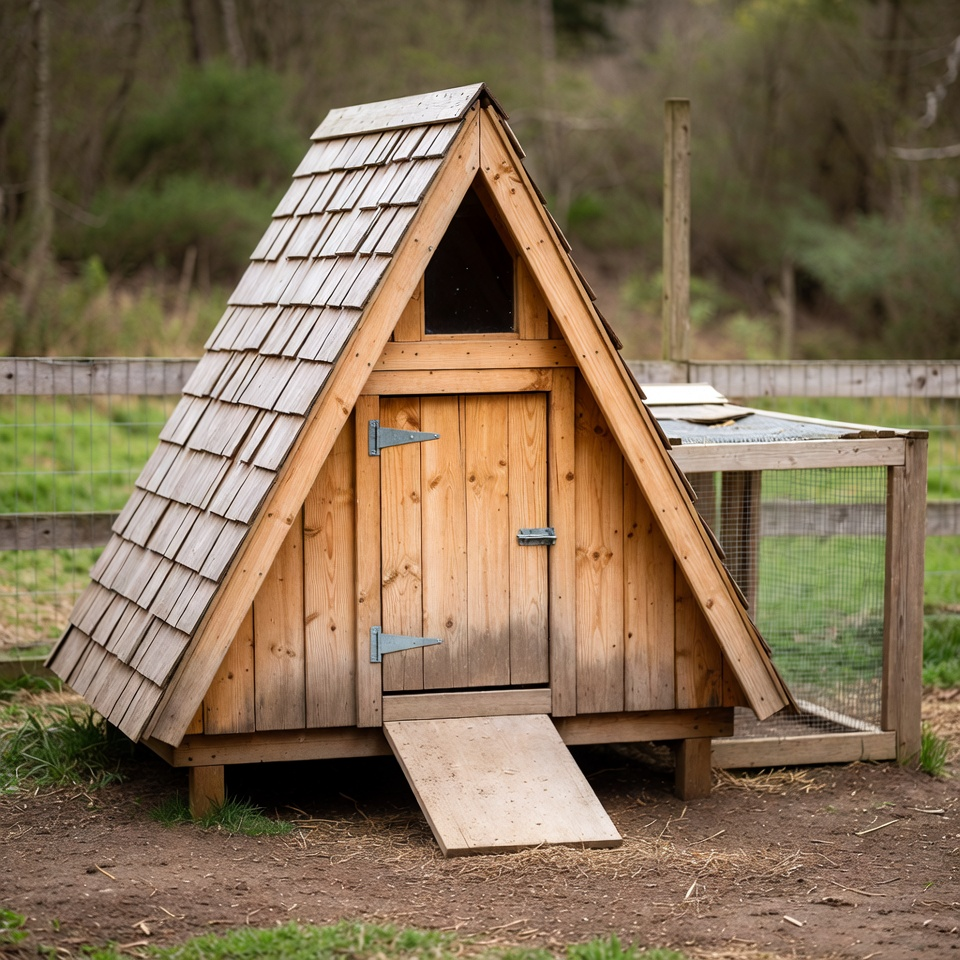
An A-frame duck coop is one of the simplest and most affordable designs you can build. The triangular frame naturally sheds rain and snow, and the low profile keeps the structure stable during strong winds.
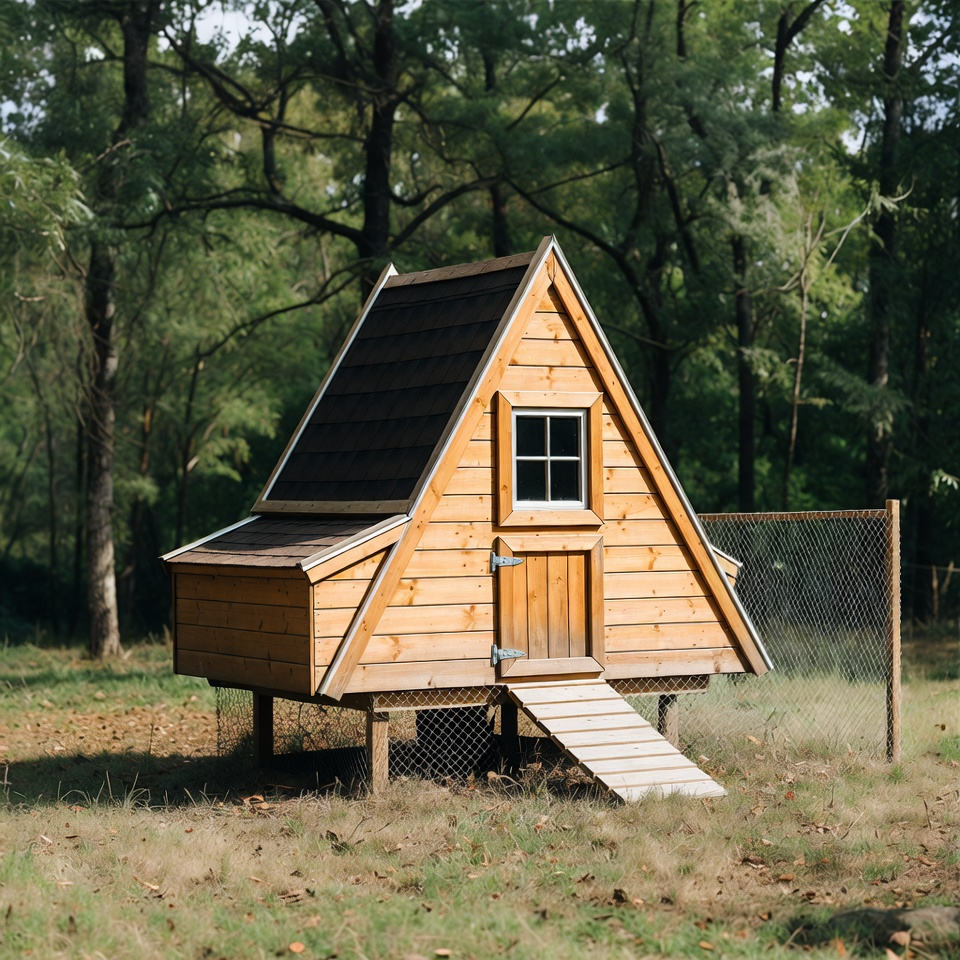
This style works especially well for small flocks of 2–4 ducks. The interior is ground-level with soft bedding like straw or pine shavings. Since ducks don’t perch, the low triangular shape works perfectly for their sleeping habits.
Benefits:
- Easy DIY weekend project
- Requires fewer materials
- Naturally weather-resistant
- Can include a small attached run
A-frame coops are popular with beginners because they’re compact but still comfortable for ducks.
2. Mobile Duck Tractor
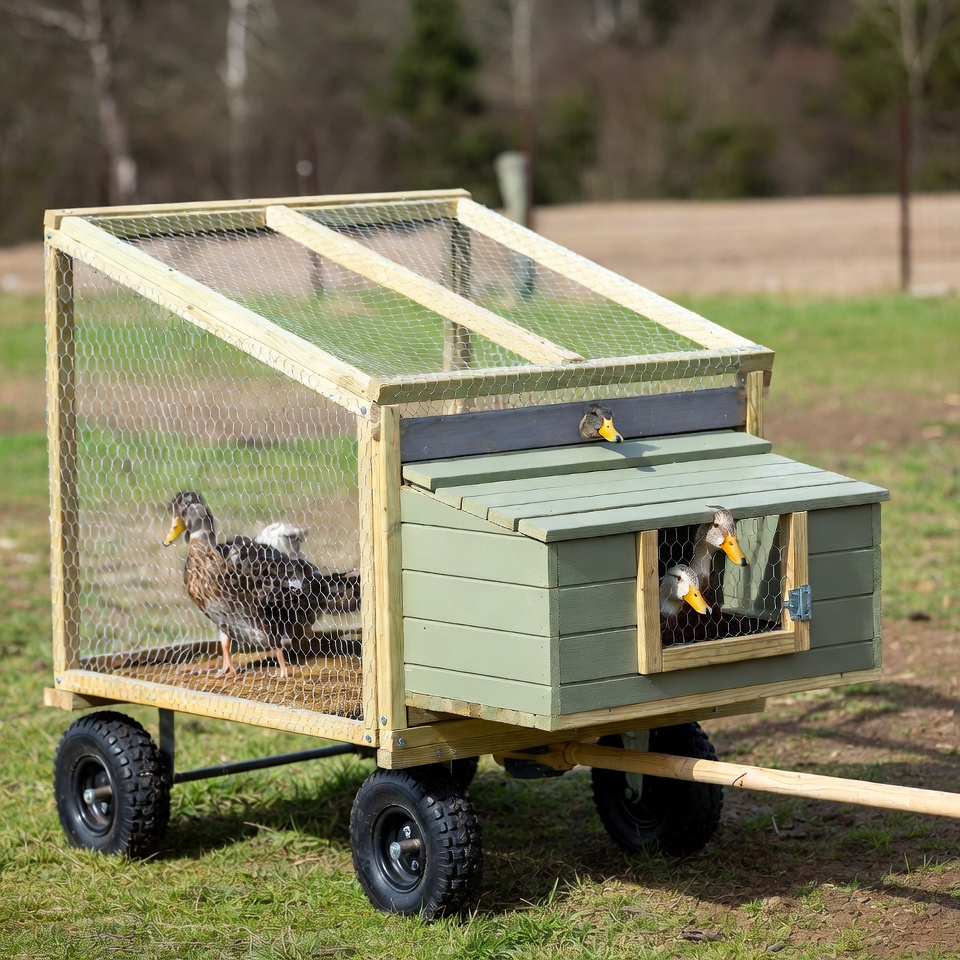
A duck tractor is a portable coop that moves around your yard or pasture. It allows ducks to forage for bugs, grass, and weeds while keeping them safe from predators.
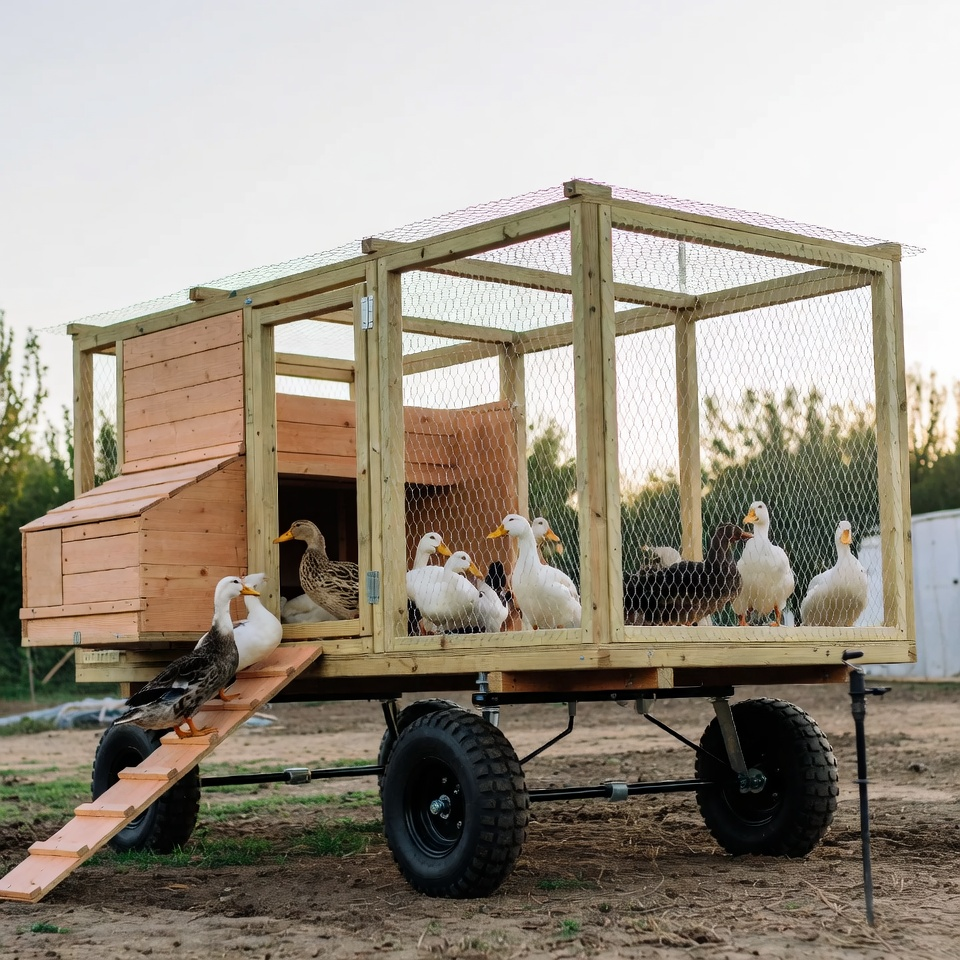
These coops often include:
- Wheels on one side
- A handle to pull the structure
- A protected sleeping area
- A small enclosed run
Moving the tractor every day gives ducks fresh grass and reduces waste buildup in one area. It’s also great for pest control since ducks love eating insects and slugs.
3. Pallet Duck Coop (Budget Friendly)
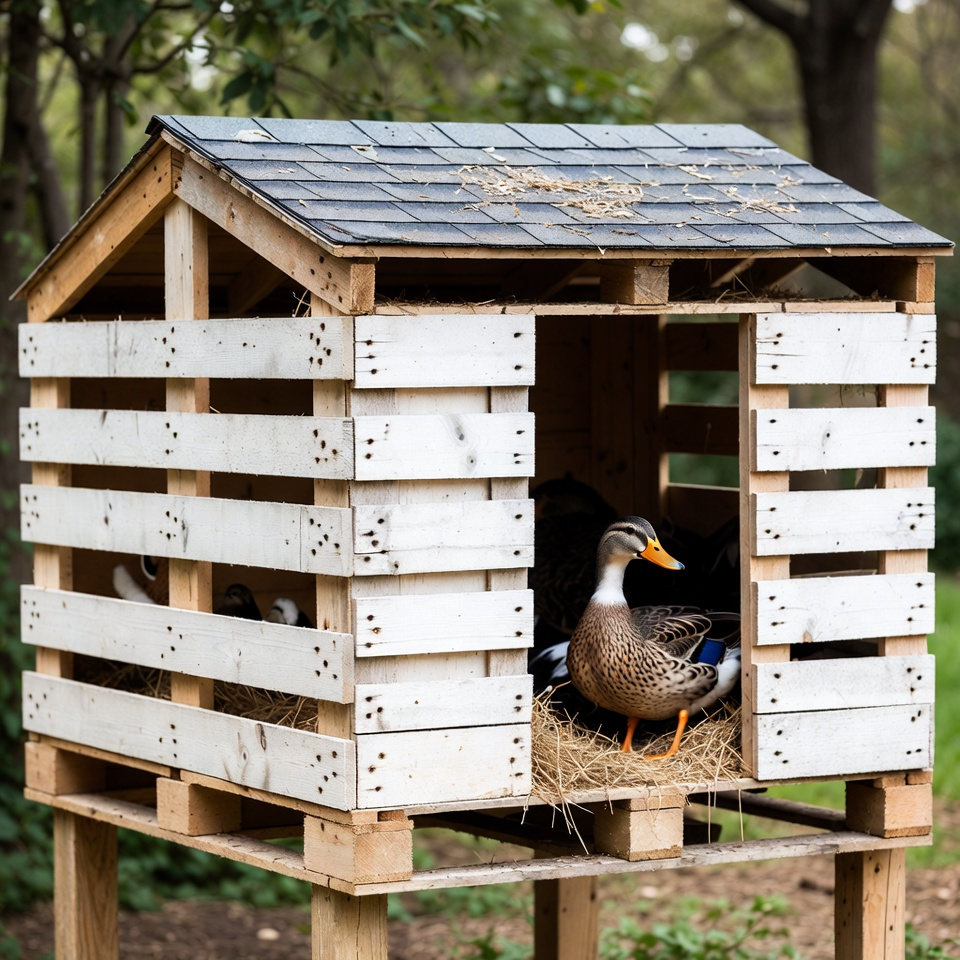
If you want a coop that’s cheap and eco-friendly, pallet duck coops are a fantastic option. Wooden pallets can be repurposed into sturdy walls and flooring with minimal cost.
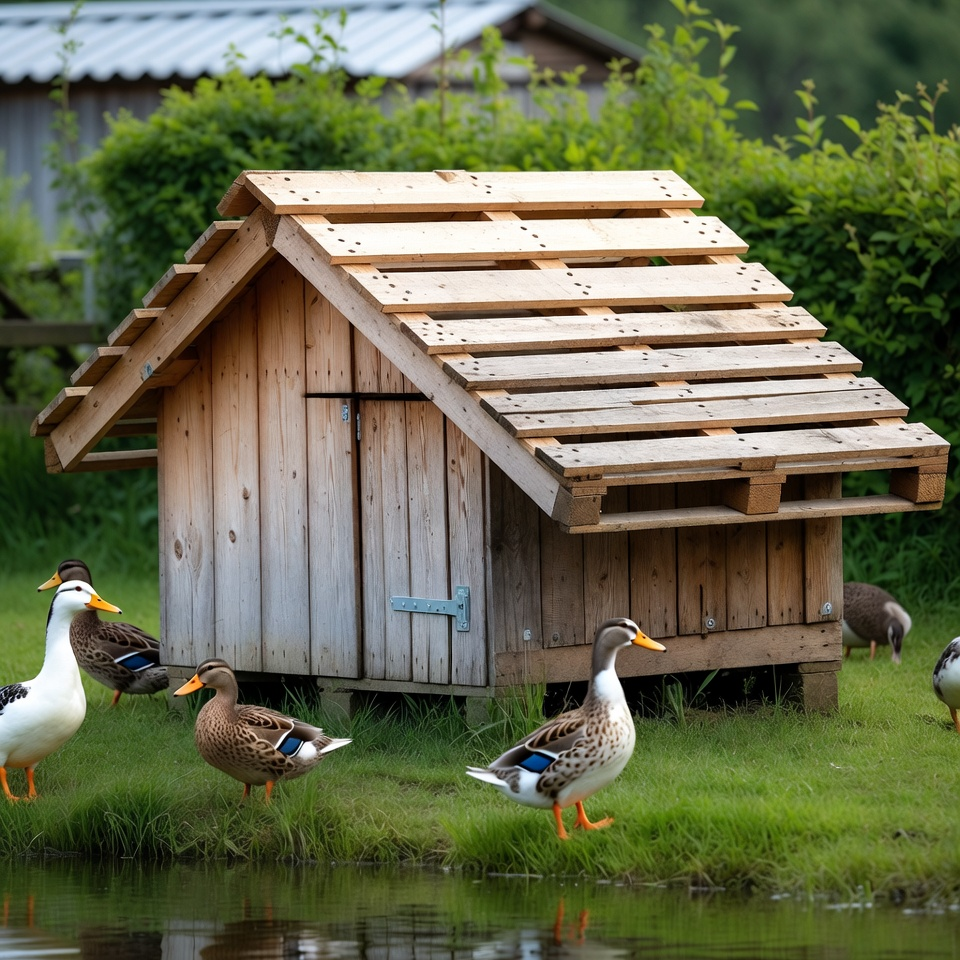
Basic pallet coop setup:
- Pallets form the frame and walls
- Plywood or metal sheets for the roof
- Hardware cloth windows for airflow
- Straw bedding on the floor
Because pallets are easy to work with, many people build custom-sized coops that perfectly fit their yard and flock size.
4. Mini Duck House With Outdoor Run
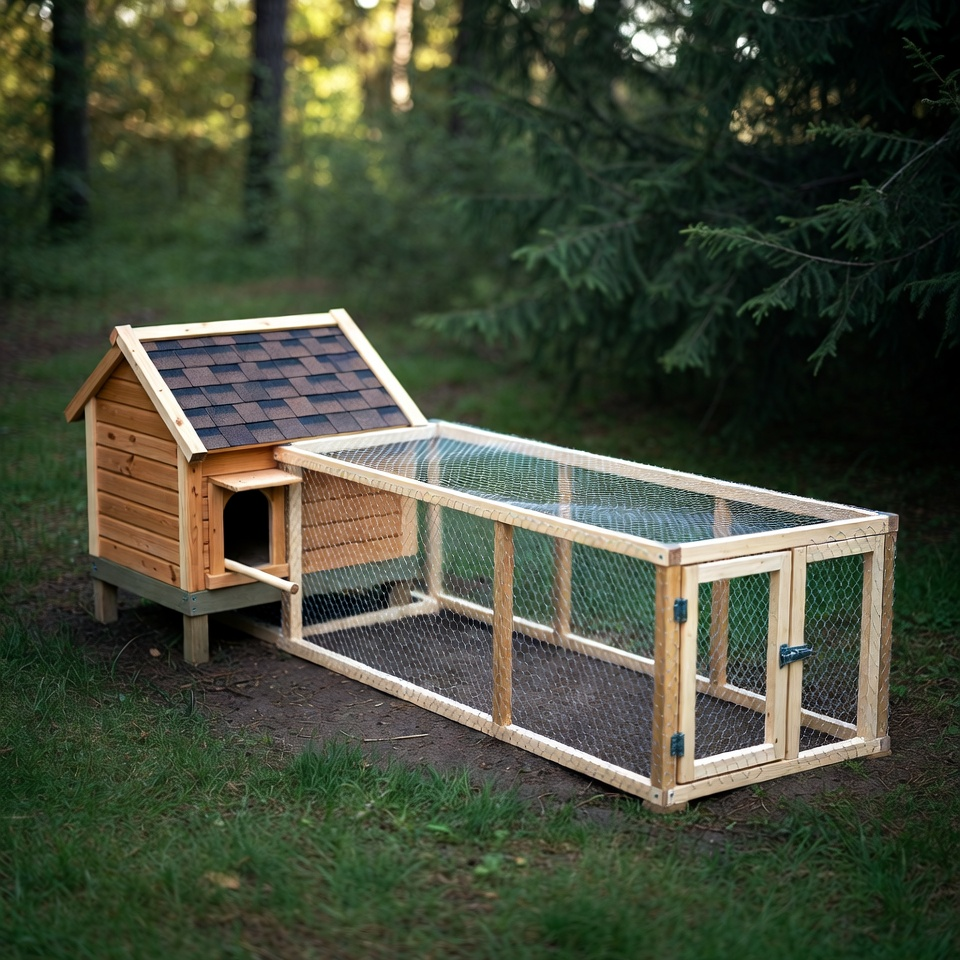
A small duck house attached to a secure run is one of the most practical backyard duck setups. The house provides shelter at night, while the run protects ducks from predators during the day.
Key features include:
- Predator-proof hardware cloth
- Secure locking door
- Waterproof roof
- Easy-clean floor
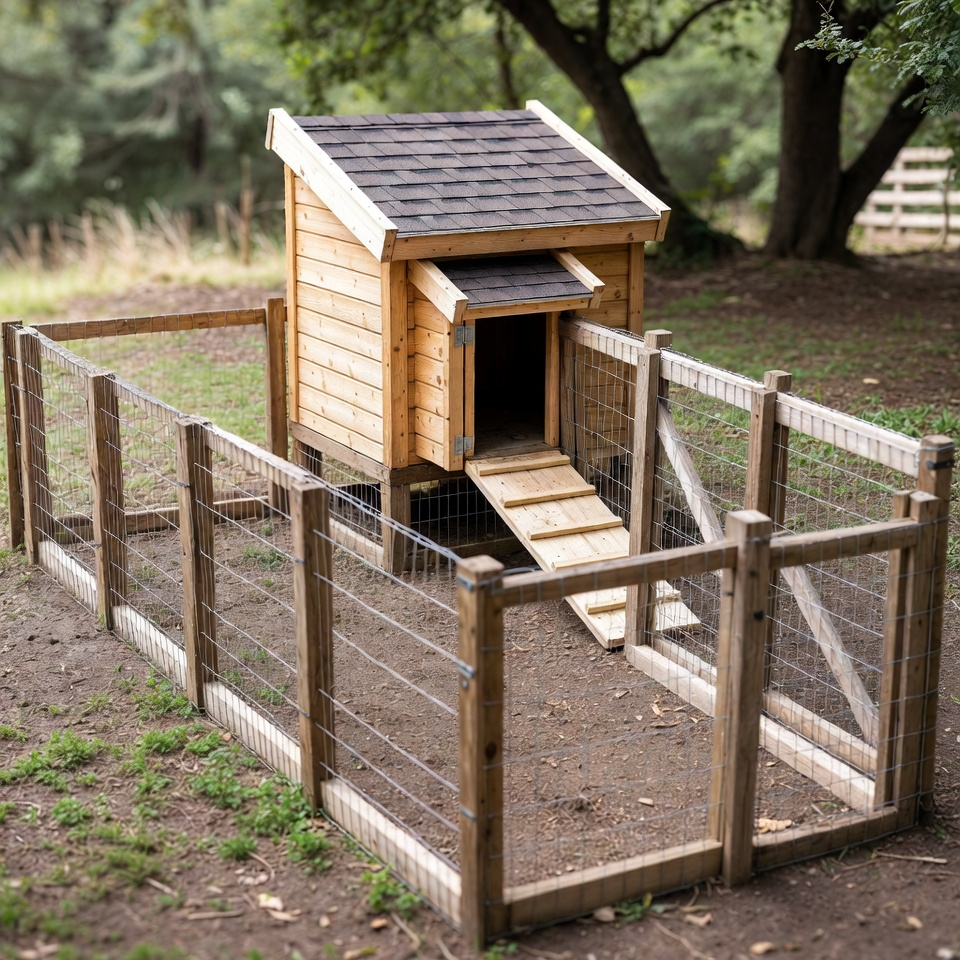
Many owners also place a shallow duck pool or tub inside the run so ducks can splash and clean their feathers during the day.
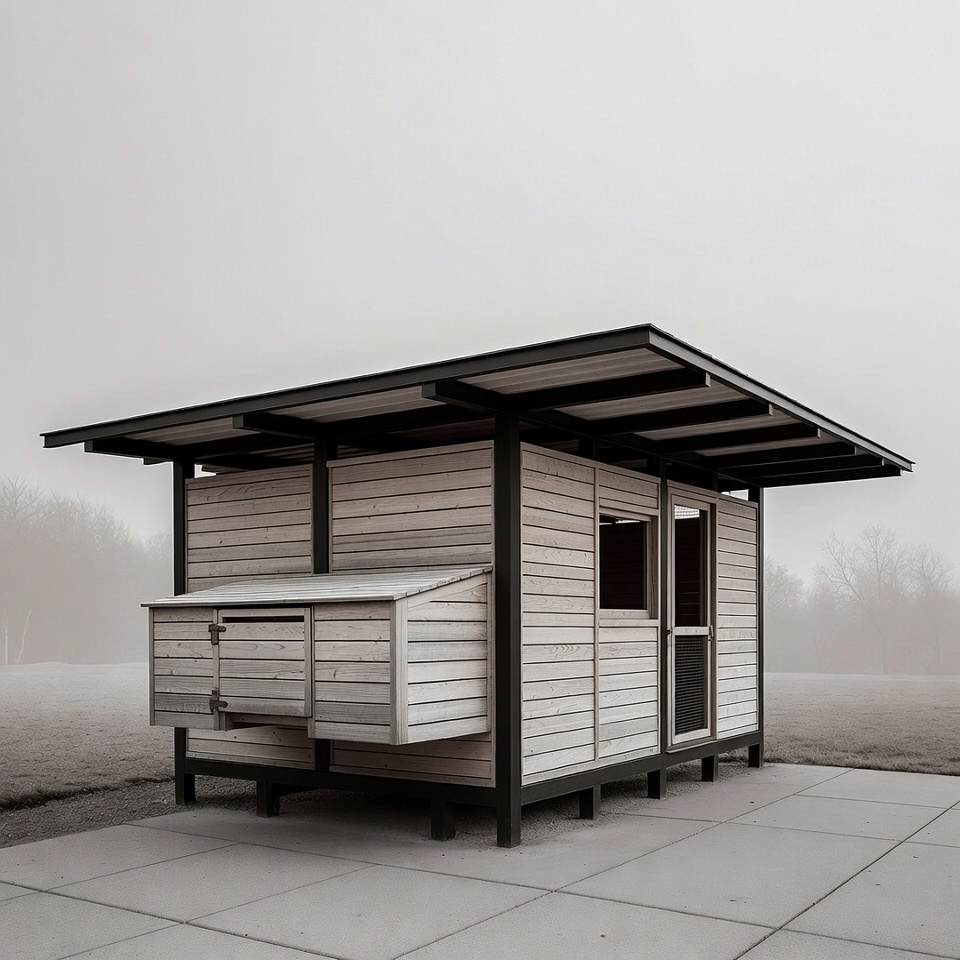
6. Modern Minimalist Duck Coop
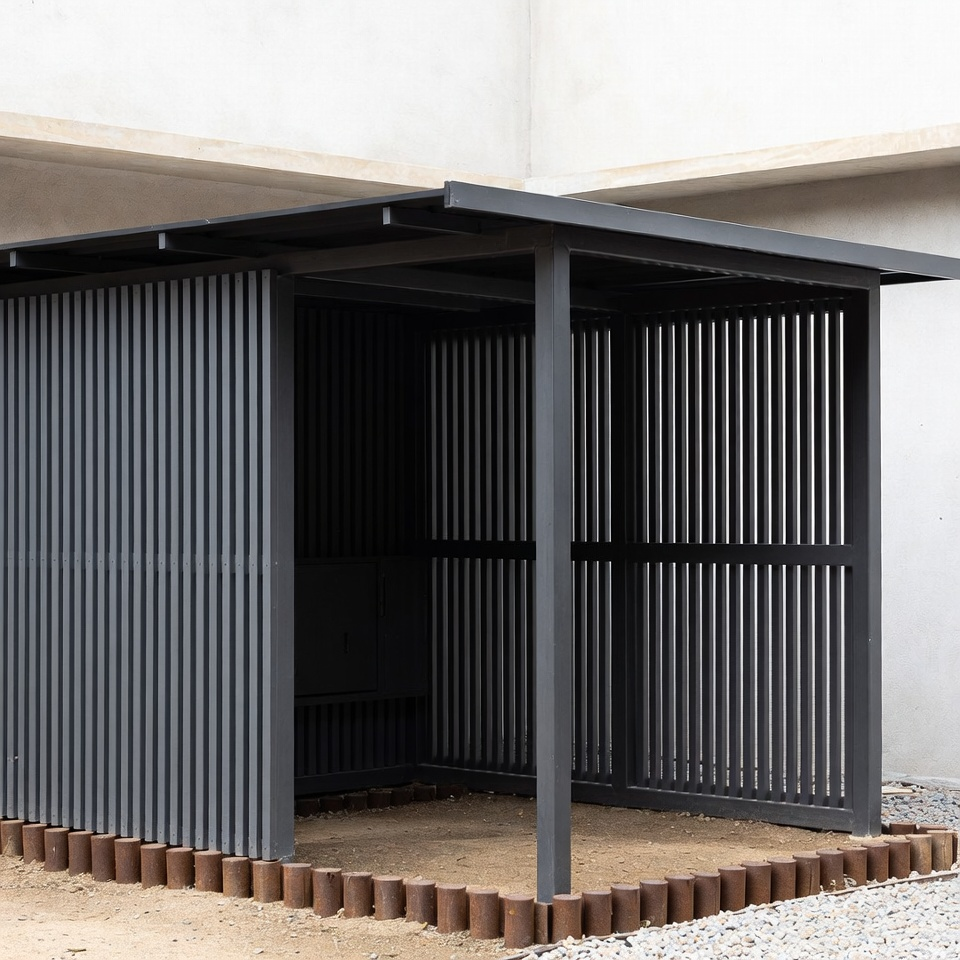
Modern coops use clean lines, black or neutral colors, and simple shapes. These designs are perfect for contemporary homes and urban backyard farms.
Important Duck Coop Tips
No matter which design you choose, a few essentials make a huge difference.
Ventilation
Ducks produce moisture, so airflow is critical to prevent mold and respiratory issues.
Predator protection
Use hardware cloth instead of chicken wire. Raccoons and foxes can easily break weaker wire.
Bedding
Straw, pine shavings, or hemp bedding work best.
Space requirements
- 4–6 square feet per duck inside the coop
- 10–15 square feet per duck in the run
Water access
Ducks don’t need a pond, but they should have a small pool or tub to wash their faces and clean their nostrils.
💡 Quick tip: Many backyard duck owners place their coop slightly raised off the ground to improve drainage and prevent flooding during heavy rain.
Final Thoughts
Creating the ideal duck house doesn’t have to be complicated, but it does need to be predator-proof, weather-resistant, and spacious enough for comfort. Whether you modify an existing structure or build one from scratch, keeping these design principles in mind will ensure your ducks have a cozy, safe place to rest, lay eggs, and thrive in your backyard.

