Starting seeds sounds technical. Grow lights, trays, soil blends, humidity domes — it can look like a mini science lab.
But here’s the honest truth: seeds mostly want three things — moisture, warmth, and light. Get those right and plants do the rest.
People often assume gardening starts outside. Actually, many gardens begin quietly on a windowsill in late winter or early spring. Tiny green shoots pushing through soil still feel a little magical, even after you’ve done it many times.
Store-bought seedlings work fine, of course. No shame there. But growing from seed gives you more choices — heirloom tomatoes, unusual peppers, herbs you never see in stores. It’s cheaper too. A single packet of seeds might produce twenty or fifty plants.
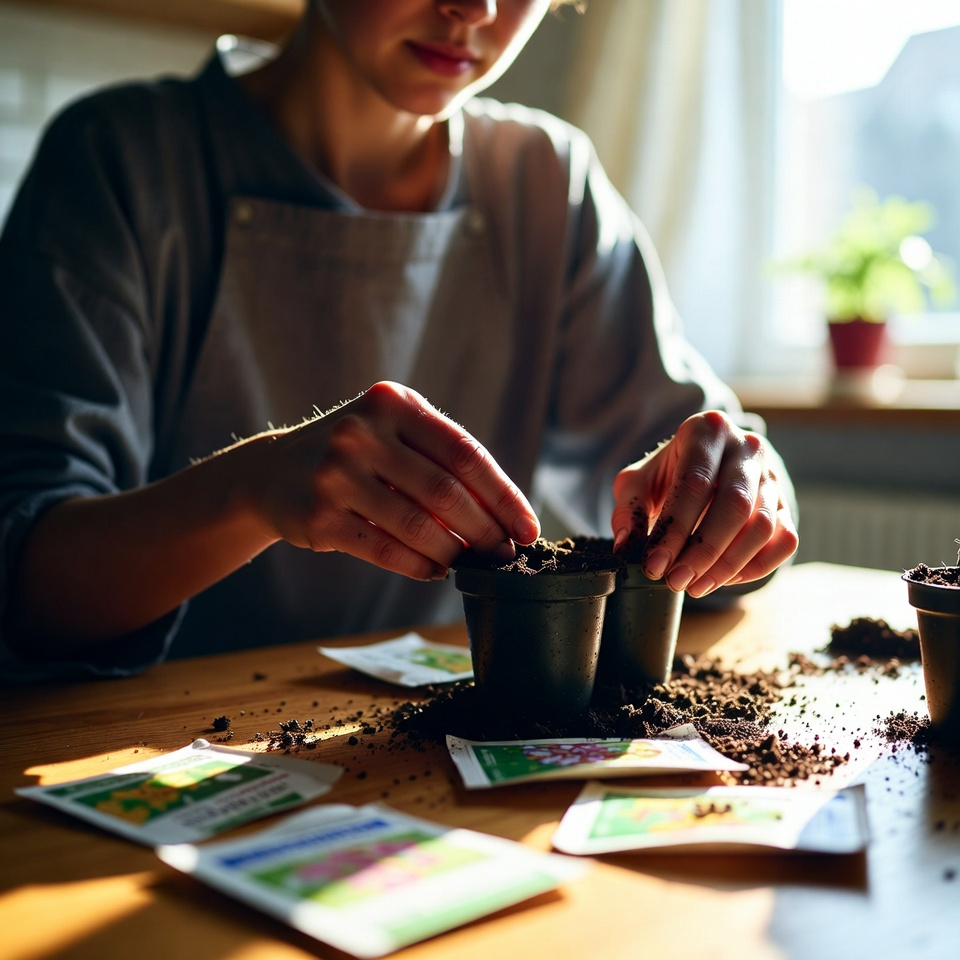
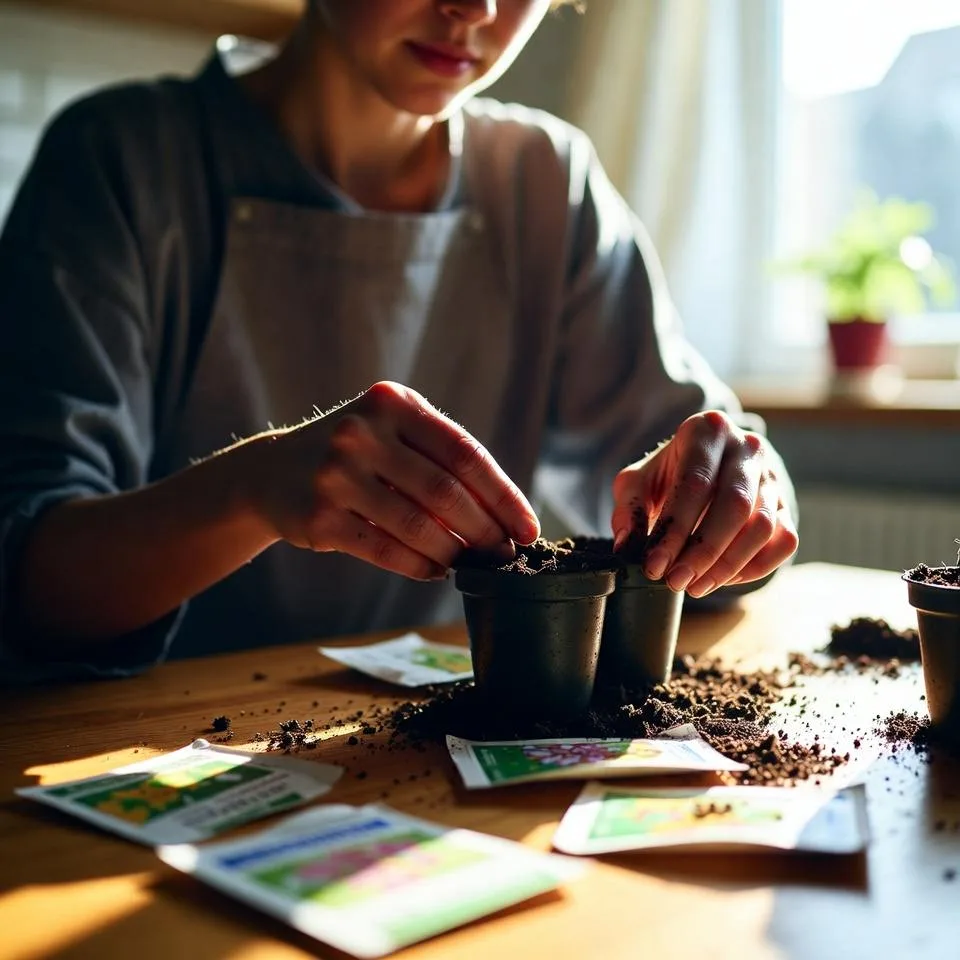
And honestly? Watching something grow from nothing builds a strange kind of patience. It slows you down in a good way.
Still, beginners run into trouble. Seeds fail. Stems stretch and fall over. Leaves turn yellow. Sometimes everything dies.
Let me explain why, and how to avoid that.
Seeds Are Small… But Surprisingly Complex
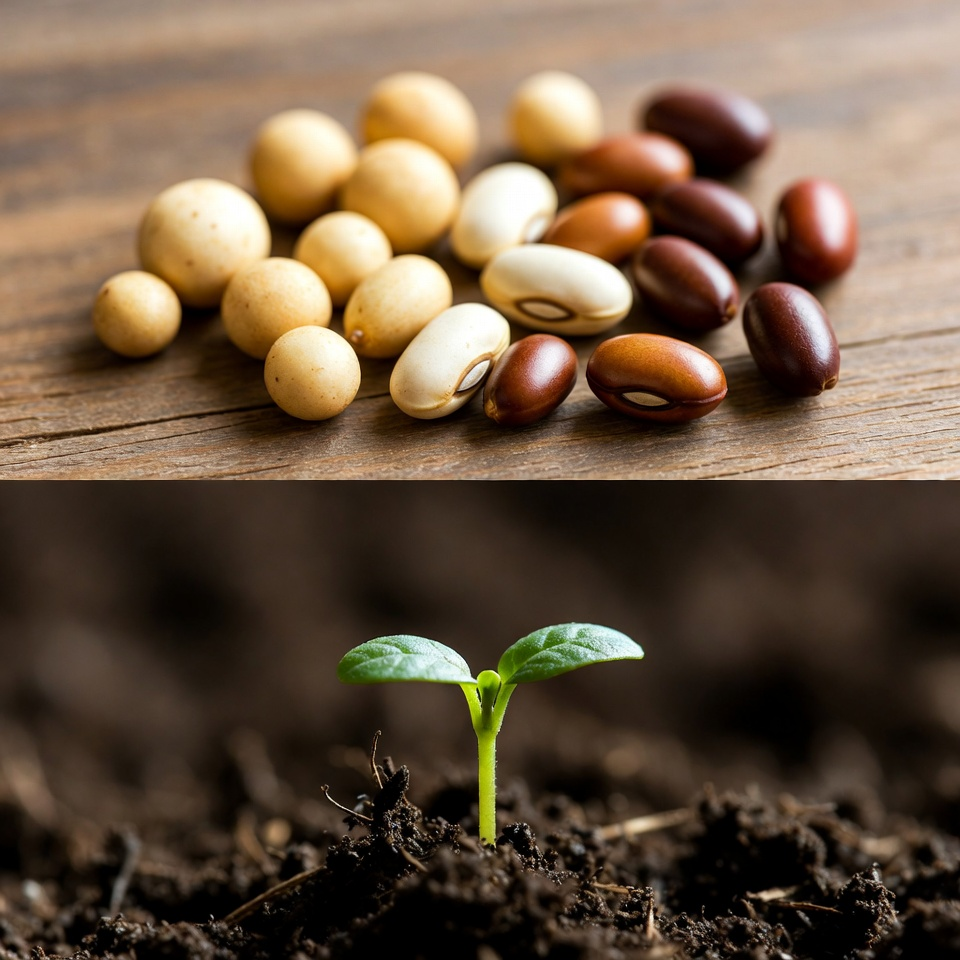
A seed looks simple, just a tiny dry speck but it’s actually a complete plant waiting for the right conditions.
Inside each seed:
- A dormant embryo
- Stored energy
- Genetic instructions
- Protective outer coat
When moisture enters the seed, enzymes wake up. The seed swells, the coat cracks, and the root emerges first.
That’s germination.
But not every seed behaves the same way.
Some germinate in 3 days.
Others take 3 weeks.
Some need warmth. Others prefer cool soil.
This explains why beginners sometimes panic too early. You plant seeds, wait five days, nothing happens, and you assume failure.
Often the seeds are simply waiting.
Best Seeds For Beginners (Start Here)
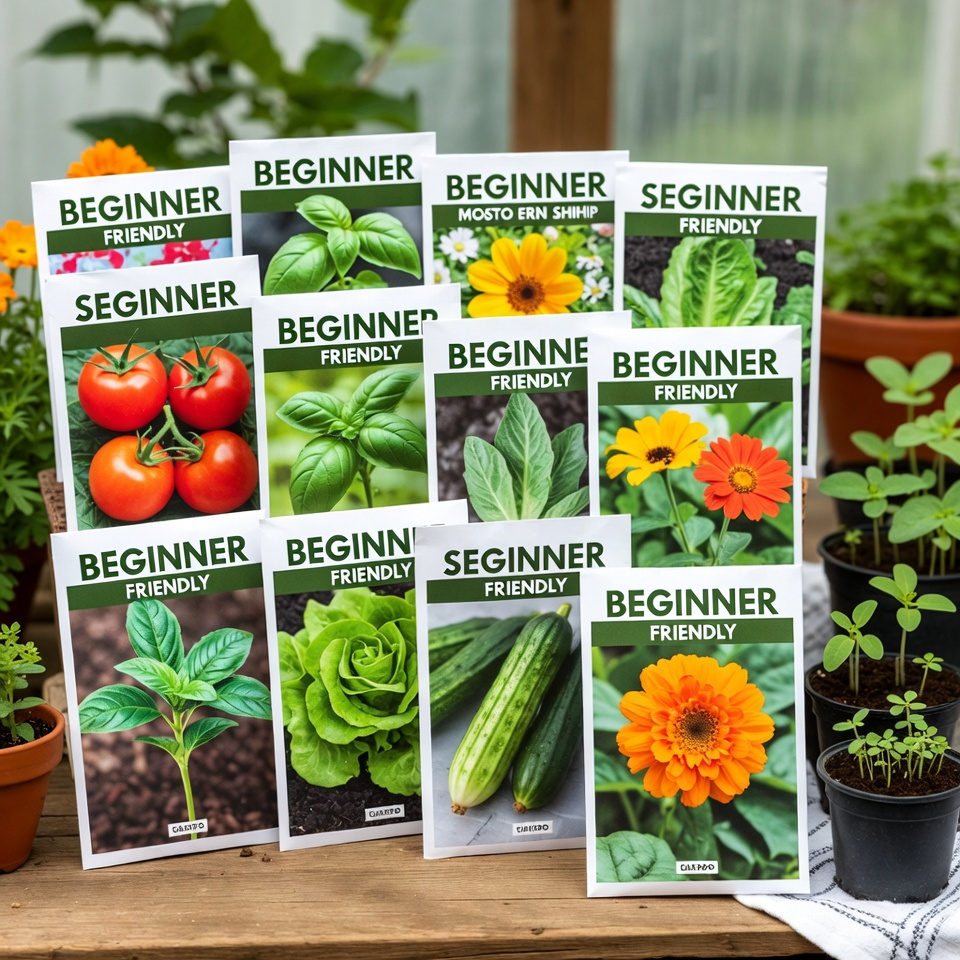
Not all plants are beginner-friendly.
Some plants are forgiving. Others are surprisingly picky.
If you’re new, start with reliable growers:
Easiest seeds to start indoors:
- Tomatoes
- Peppers
- Basil
- Lettuce
- Spinach
- Cucumbers
- Zucchini
- Marigolds
- Sunflowers
Tomatoes especially feel rewarding. They germinate quickly and grow fast — you see progress almost daily.
Herbs like basil also boost confidence early. A week after planting, you often see a neat row of green seedlings.
Confidence matters more than perfection at the beginning.
Timing Matters More Than You Think
Plant too early and seedlings outgrow your space.
Plant too late and harvest comes late.
Seed packets usually list timing like:
“Start indoors 6–8 weeks before last frost.”
That sounds precise but beginners rarely know their frost date.
A quick search like:
“Last frost date near me”
usually gives a good estimate.
As a rough guideline:
- Tomatoes: 6–8 weeks before transplanting
- Peppers: 8–10 weeks
- Herbs: 4–6 weeks
- Cucumbers: 3–4 weeks
Starting seeds is like baking bread timing changes the outcome.
Simple Supplies (You Don’t Need a Lab)
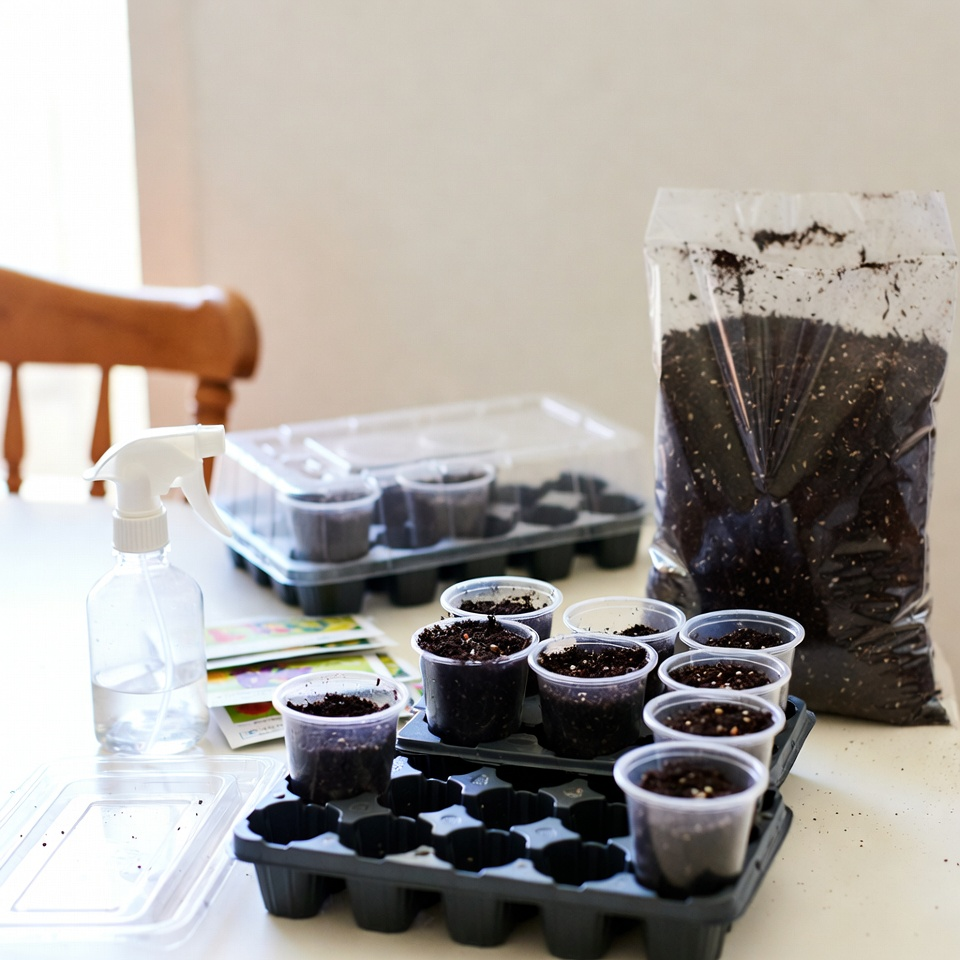
Seed-starting gear ranges from basic to elaborate.
Honestly, you can grow seedlings in yogurt cups if you want.
Basic Setup
- Seed trays or small containers
- Seed-starting mix
- Seeds
- Spray bottle or watering can
- Bright window
That’s enough.
Helpful Upgrades
- Grow lights
- Heat mat
- Humidity dome
- Plant labels
- Timer
A simple grow light often improves success dramatically.
Window light looks bright to us, but plants see it differently. Many windows provide only a fraction of outdoor sunlight.
That’s why seedlings often stretch toward the glass.
Soil: Garden Dirt Usually Doesn’t Work
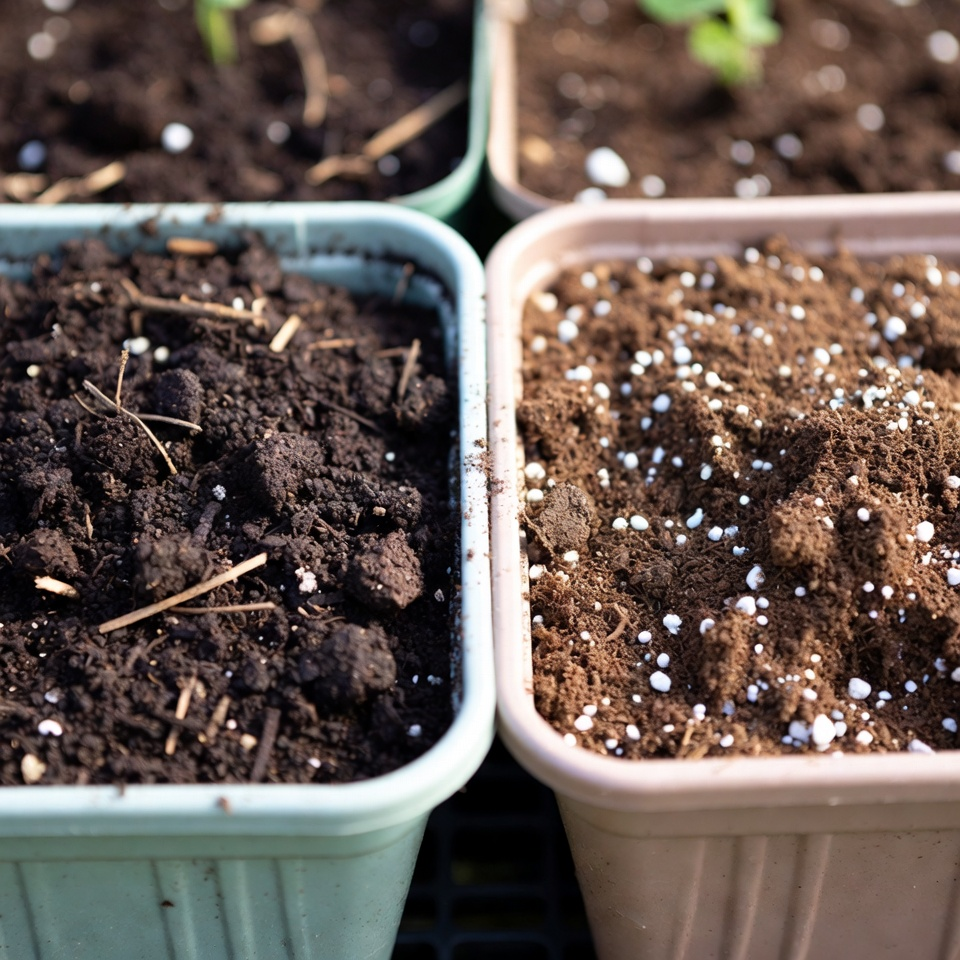
One of the most common beginner mistakes is using soil from the yard.
It feels logical, plants grow in soil outside, right?
But garden soil:
- Compacts easily
- Holds too much water
- Contains insects
- May carry diseases
Seed-starting mix is lighter and fluffier.
Typical seed-starting mixes contain:
- Peat moss or coco coir
- Perlite
- Vermiculite
The texture matters. Roots need air just as much as water.
If soil feels heavy or sticky, seedlings struggle.
Light soil supports healthy roots.
Containers — Almost Anything Can Work
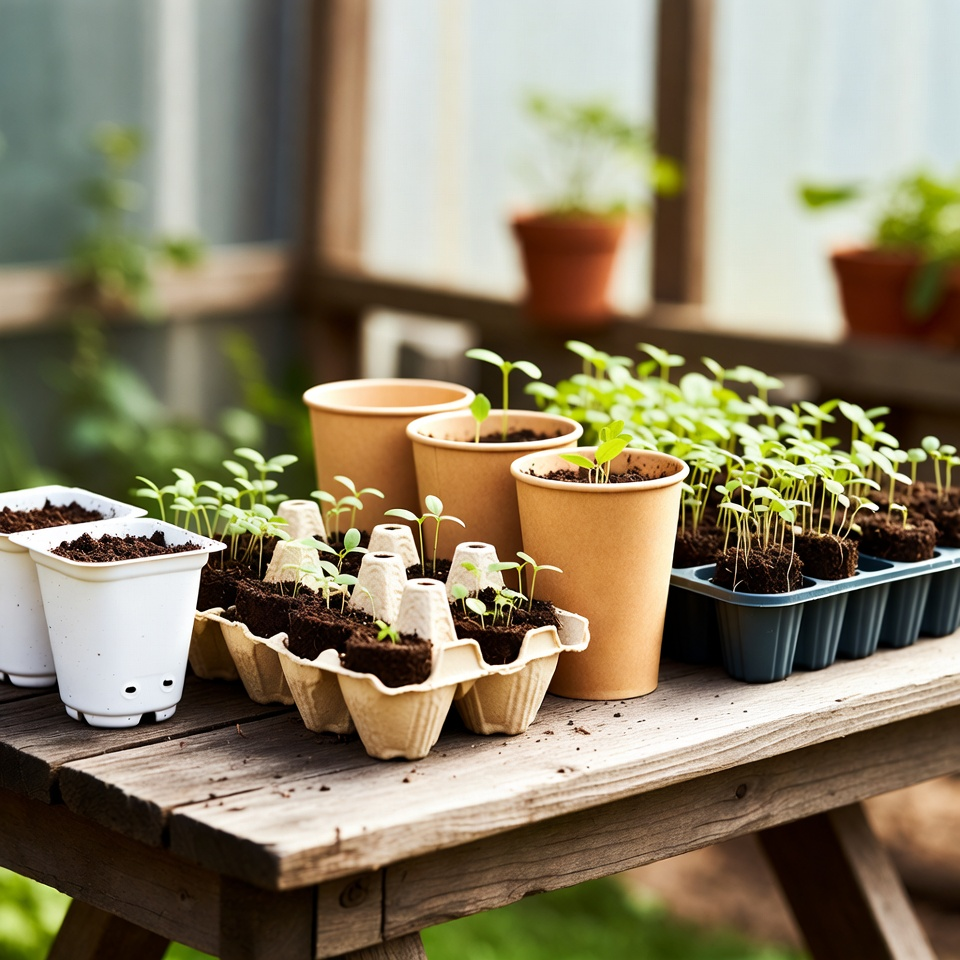
You can buy professional trays with dozens of cells.
Or you can improvise.
People successfully start seeds in:
- Egg cartons
- Yogurt cups
- Plastic takeout containers
- Paper cups
- Toilet paper rolls
The rule is simple:
Containers must have drainage holes.
Without drainage, roots rot quickly.
Even a tiny hole helps.
Depth matters less than beginners expect. Most seedlings are happy in shallow containers early on.
Planting Seeds the Right Way
Seed depth matters more than most people realize.
A simple rule works well:
Plant seeds about twice as deep as their size.
Tiny seeds should sit on the surface or barely covered.
Large seeds go deeper.
Examples:
- Basil — surface or very shallow
- Lettuce — surface
- Tomato — ¼ inch
- Beans — 1 inch
After planting, gently press soil down. Not hard, just enough to make contact.
Seeds need soil contact to absorb moisture.
Loose seeds often fail.
Watering Without Drowning Them
Watering causes more failures than anything else.
Too little water dries seeds.
Too much suffocates them.
The soil should feel like a wrung-out sponge — damp but not dripping.
A spray bottle works well early on.
Bottom watering works even better:
Set trays in shallow water for 10–20 minutes.
Soil pulls moisture upward.
Leaves stay dry, which helps prevent disease.
Light — The Secret Most Beginners Miss
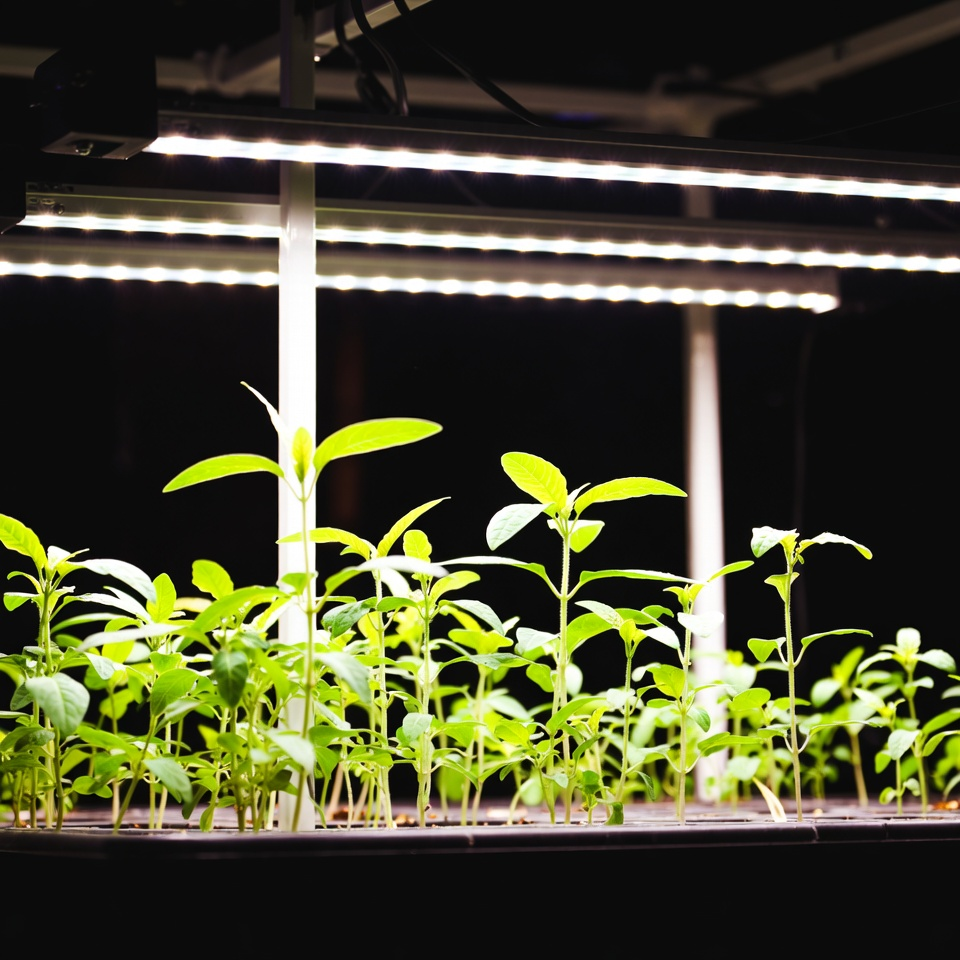
This is where most seed starting problems begin.
Seedlings need far more light than people expect.
Weak light causes:
- Thin stems
- Pale leaves
- Leaning plants
- Slow growth
Healthy seedlings look compact and sturdy.
Grow lights should sit:
2–4 inches above plants
Leave lights on:
14–16 hours daily
This mimics long spring days.
If plants stretch upward quickly, they need more light.
Warmth Helps Seeds Wake Up
Seeds germinate faster in warm soil.
Typical germination temperatures:
- Tomatoes: 70–80°F
- Peppers: 75–85°F
- Lettuce: 60–70°F
A heat mat helps but isn’t required.
Warm rooms often work fine.
Cold windowsills slow germination dramatically.
Sometimes moving trays a few feet inward helps.
The Silent Killer: Damping Off
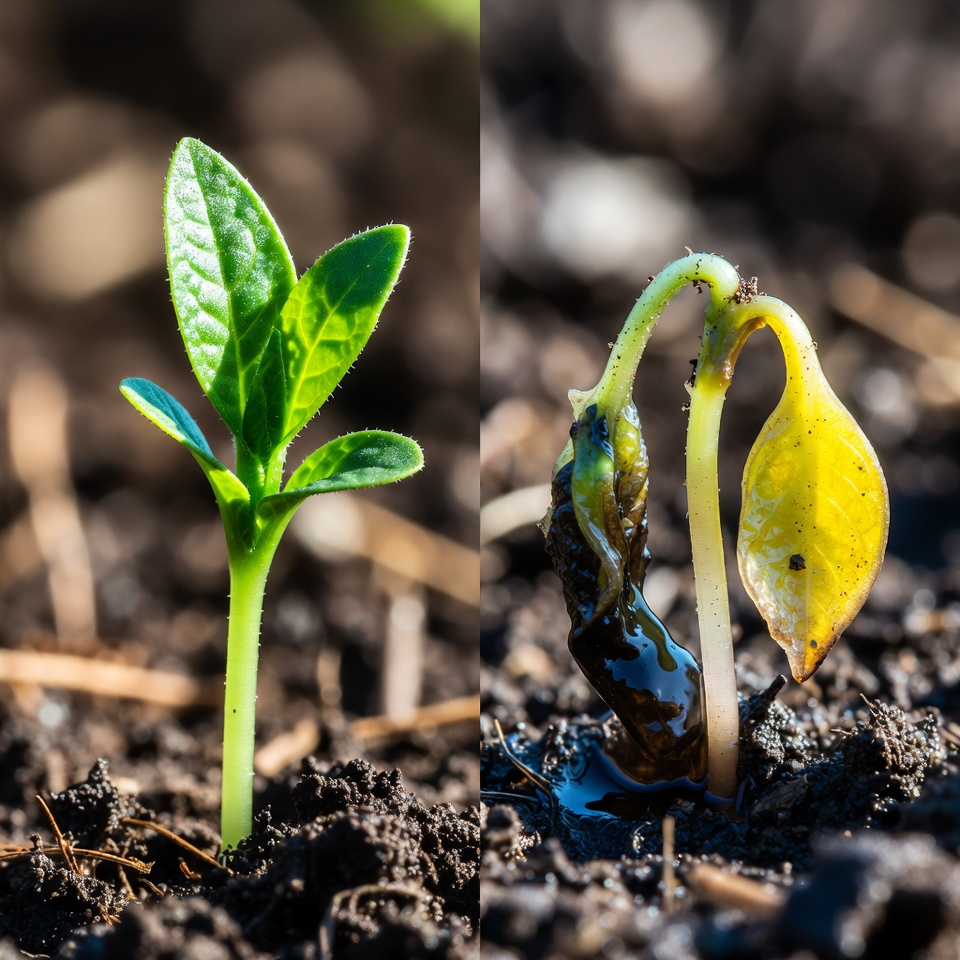
Seedlings sometimes collapse overnight.
Healthy one day.
Fallen the next.
This is called damping off.
It’s caused by soil fungi attacking stems.
Prevention matters more than treatment.
Helpful habits:
- Avoid soggy soil
- Provide airflow
- Use clean containers
- Don’t overcrowd
A small fan improves survival dramatically.
Gentle air movement strengthens stems too.
Thinning Seedlings (Yes, It Feels Wrong)
Beginners hate thinning.
You plant ten seeds, and then remove half.
It feels wasteful.
But overcrowded plants compete for light and nutrients.
Strong seedlings need space.
Cut extras at soil level.
Don’t pull them — roots can disturb neighbors.
Think of thinning like pruning potential.
Fewer plants often grow better.
Feeding Young Plants
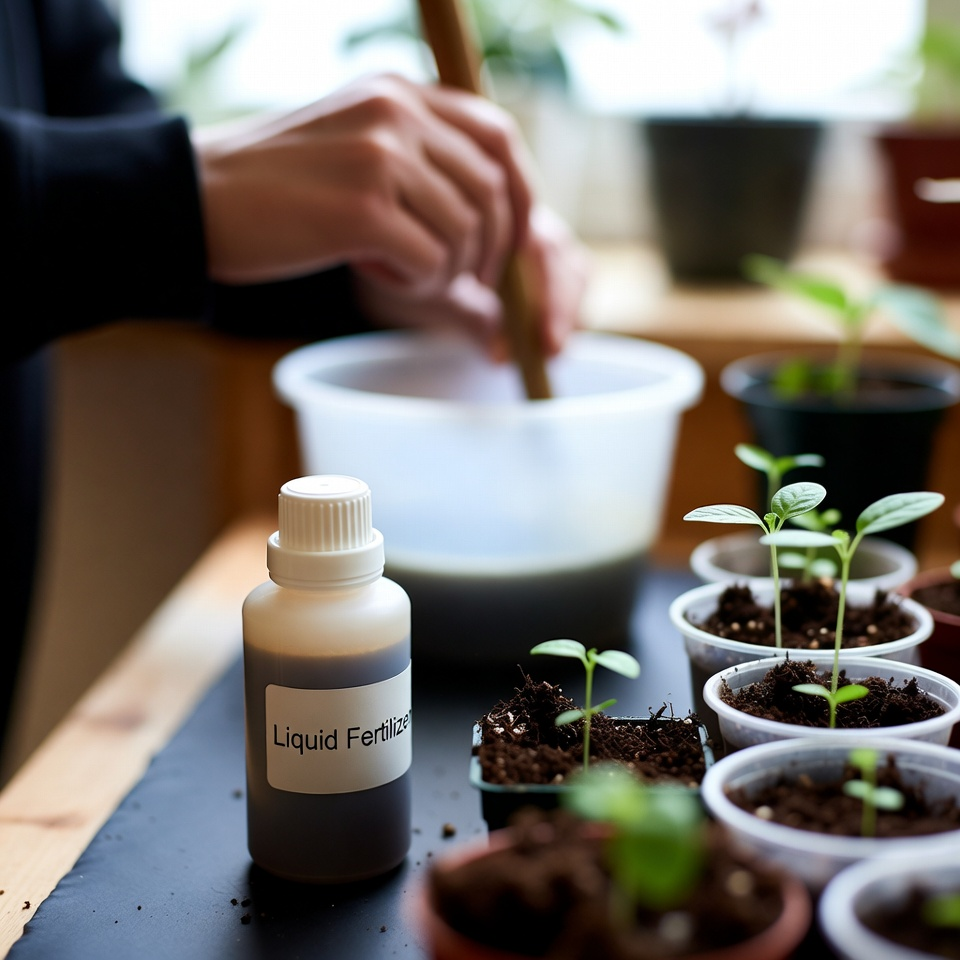
Seed-starting mix contains little nutrition.
Seedlings rely on stored energy early on.
After true leaves appear — not the first tiny leaves — feeding helps.
Use diluted fertilizer:
¼ strength liquid fertilizer
Once every 1–2 weeks works well.
Too much fertilizer burns roots.
Less works better early.
Hardening Off — The Step People Skip
Indoor plants live in gentle conditions:
- No wind
- Stable temperature
- Filtered light
Outdoor conditions feel harsh by comparison.
Direct sun can scorch seedlings in hours.
Hardening off helps plants adjust gradually.
Typical schedule:
Day 1: 1 hour outside
Day 2: 2 hours
Day 3: 3 hours
Increase daily.
After 7–10 days plants adjust.
Skipping this step often causes transplant shock.
Transplanting Without Killing Plants
Transplant on cloudy days if possible.
Or evening.
Avoid midday sun.
Water seedlings first.
Moist roots survive better.
Plant at proper depth:
Tomatoes can be buried deeper.
Most plants should stay at original depth.
Firm soil gently around roots.
Then water thoroughly.
Plants usually pause growth for a few days.
That’s normal.
Beginner Mistakes That Cause Most Failures
Most seed starting problems trace back to a few simple causes.
Common mistakes
- Starting too early
- Using heavy soil
- Overwatering
- Not enough light
- Skipping hardening off
- Planting too deep
- Crowding seedlings
Even experienced gardeners make these mistakes sometimes.
Gardening isn’t perfect.
It’s iterative.
You improve season by season.
A Simple Starter Plan Anyone Can Follow
If you want the easiest path, try this:
Week 1:
- Buy tomato and basil seeds
- Get seed-starting mix
- Use small containers
- Plant seeds
Week 2:
- Seedlings emerge
- Move under bright light
Week 4:
- Thin seedlings
- Begin light feeding
Week 6:
- Harden off plants
Week 7–8:
- Transplant outdoors
This simple routine works surprisingly well.
You don’t need fancy equipment.
You don’t need expert knowledge.
You need consistency.
The Quiet Satisfaction of Growing From Seed
Seed starting teaches patience in a very physical way.
You plant seeds and nothing happens.
Then something happens.
Then suddenly everything grows.
It’s slow — and then fast.
Like many worthwhile things.
The first season might feel messy.
Trays tipped over.
Labels lost.
Seeds planted twice.
That happens.
But once you see your first healthy plants growing outside, plants that began as tiny seeds in your hands it feels different.
You grew those.
And next season gets easier.
Much easier.