There’s something quietly satisfying about growing herbs. Even a tiny handful of basil or mint feels like a small victory, proof that you created something living and useful.
A good herb garden isn’t just practical; it changes how you cook, how your kitchen smells, even how you feel stepping outside in the morning.
The funny thing is, people often assume herb gardening requires space, perfect soil, or expensive tools. It really doesn’t.
Some of the best herb gardens live in cramped balconies, sunny windows, or recycled containers that used to hold cooking oil.
Herbs are forgiving. They grow quickly, recover easily, and reward small efforts with strong flavors and fresh aromas.
That makes them perfect whether you’re brand new to gardening or just want something simpler than a full vegetable plot.
Below are 15 herb garden ideas that work in real homes, small spaces, busy schedules, and imperfect conditions included.
1. The Classic Kitchen Windowsill Garden
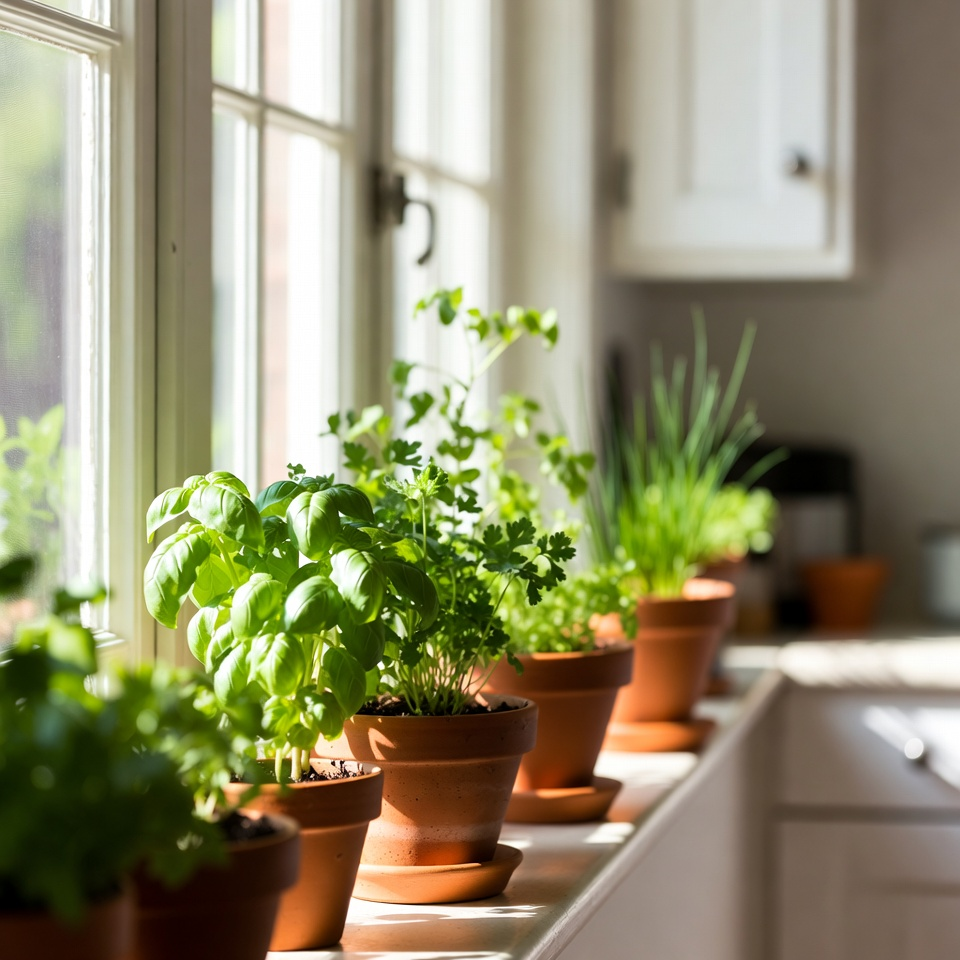
This is where many people start, and honestly, it still might be the most practical setup.
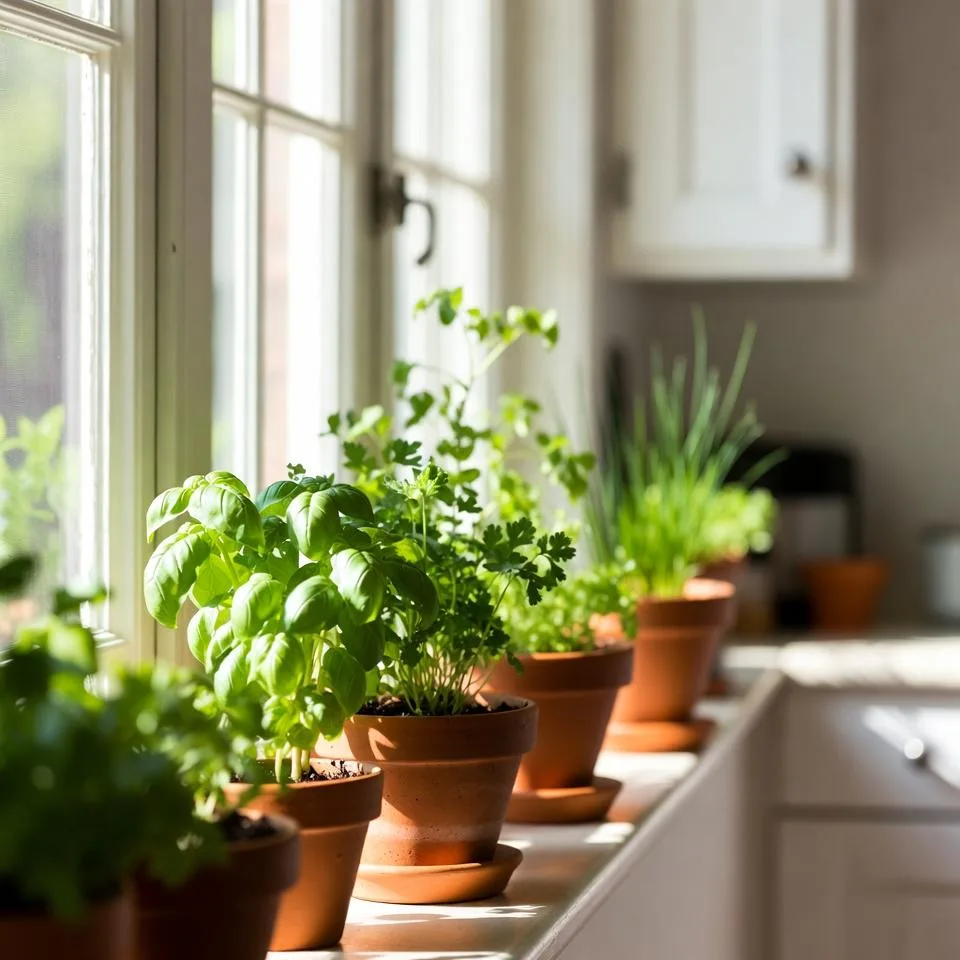
A sunny windowsill gives herbs exactly what they need: light, warmth, and easy access. When herbs sit within arm’s reach of the stove, you actually use them.
That’s the secret most gardening guides forget, convenience determines success more than technique.
Small pots work best here. Clay pots breathe better than plastic, but either will work if drainage holes exist.
Good windowsill herbs include:
- Basil
- Parsley
- Chives
- Thyme
- Oregano
Water lightly but regularly. Windowsill herbs dry out faster than outdoor plants, especially near warm glass.
After a few weeks, the routine becomes automatic, pinch a few leaves while cooking, rotate pots toward the sun, refill the watering cup. It becomes part of daily life instead of another task.
2. The Vertical Herb Wall
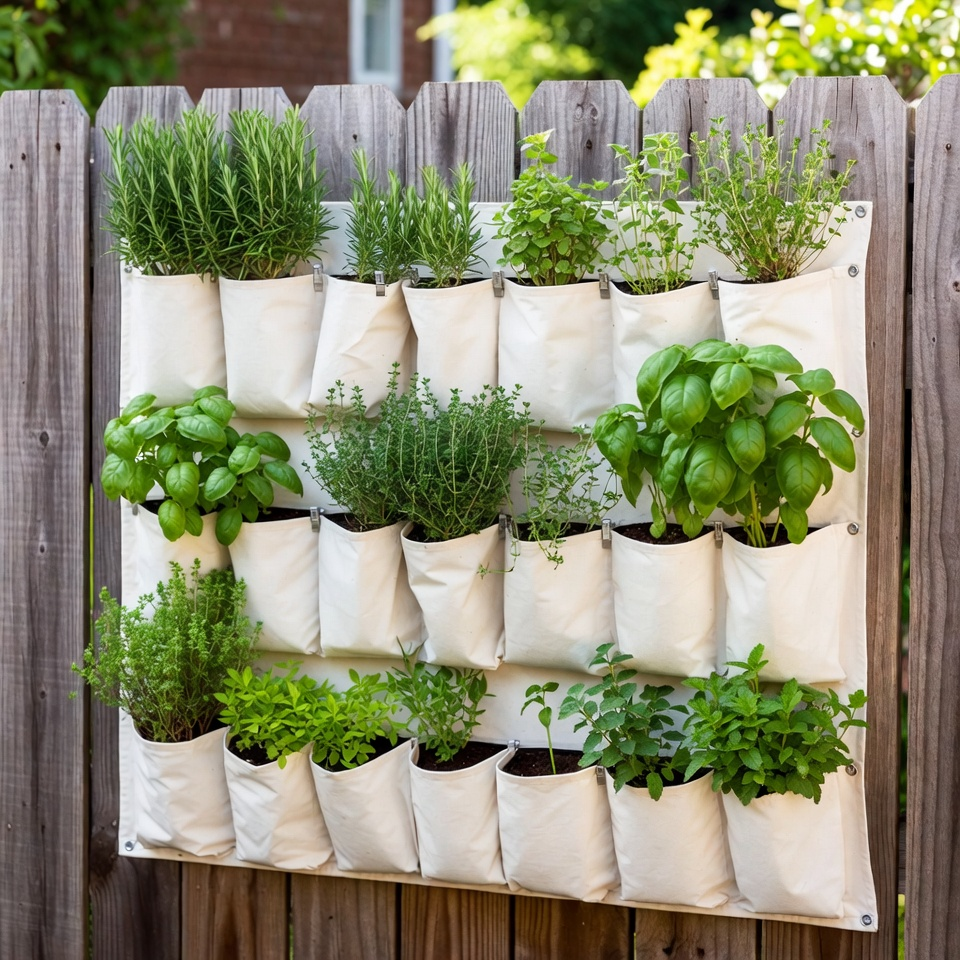
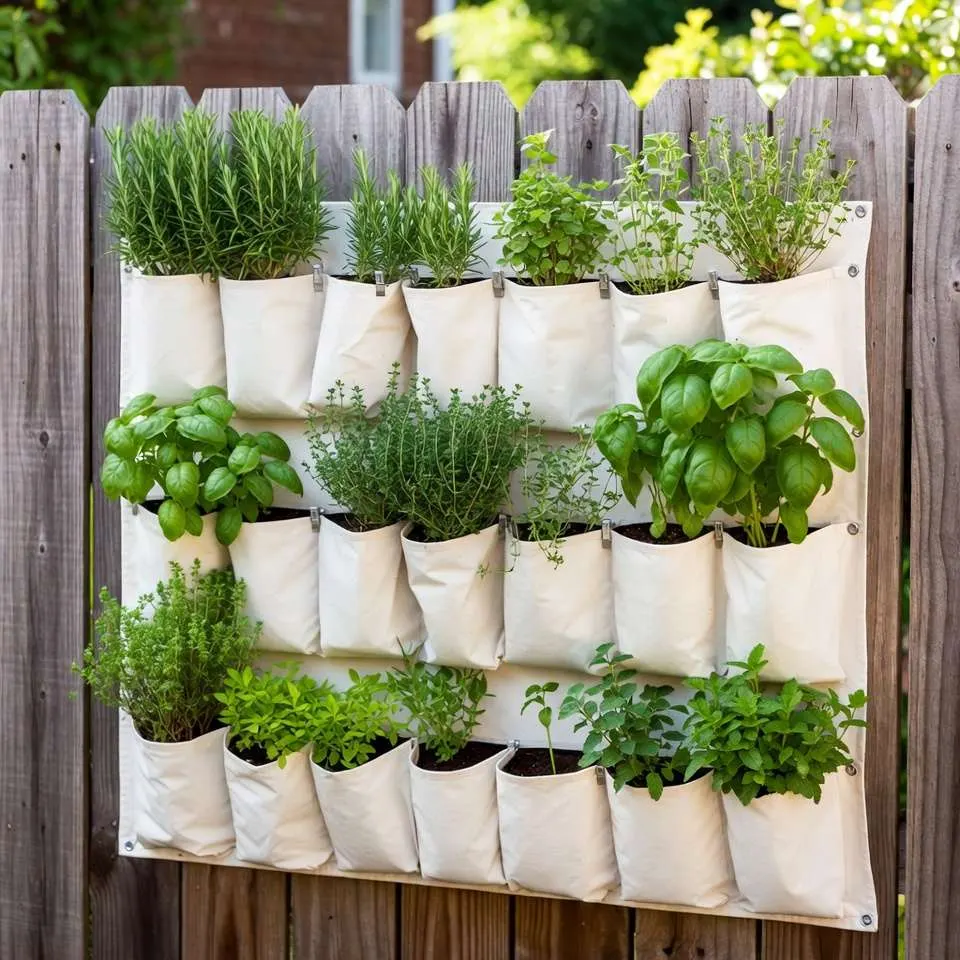
When space is tight, vertical gardening changes everything.
A vertical herb wall turns an empty fence or wall into a living display. Fabric pocket planters, mounted containers, or wooden pallets all work surprisingly well.
The trick is arranging herbs by water needs. Put drought-tolerant plants like rosemary and thyme near the top where soil dries fastest.
Moisture-loving herbs like basil and cilantro belong lower down.
This kind of garden looks decorative without trying too hard, soft green leaves layered at different heights. It’s functional art, really.
And maintenance is simpler than it looks. Once installed, watering becomes a slow pour from the top while gravity does the rest.
3. Container Clusters That Feel Natural
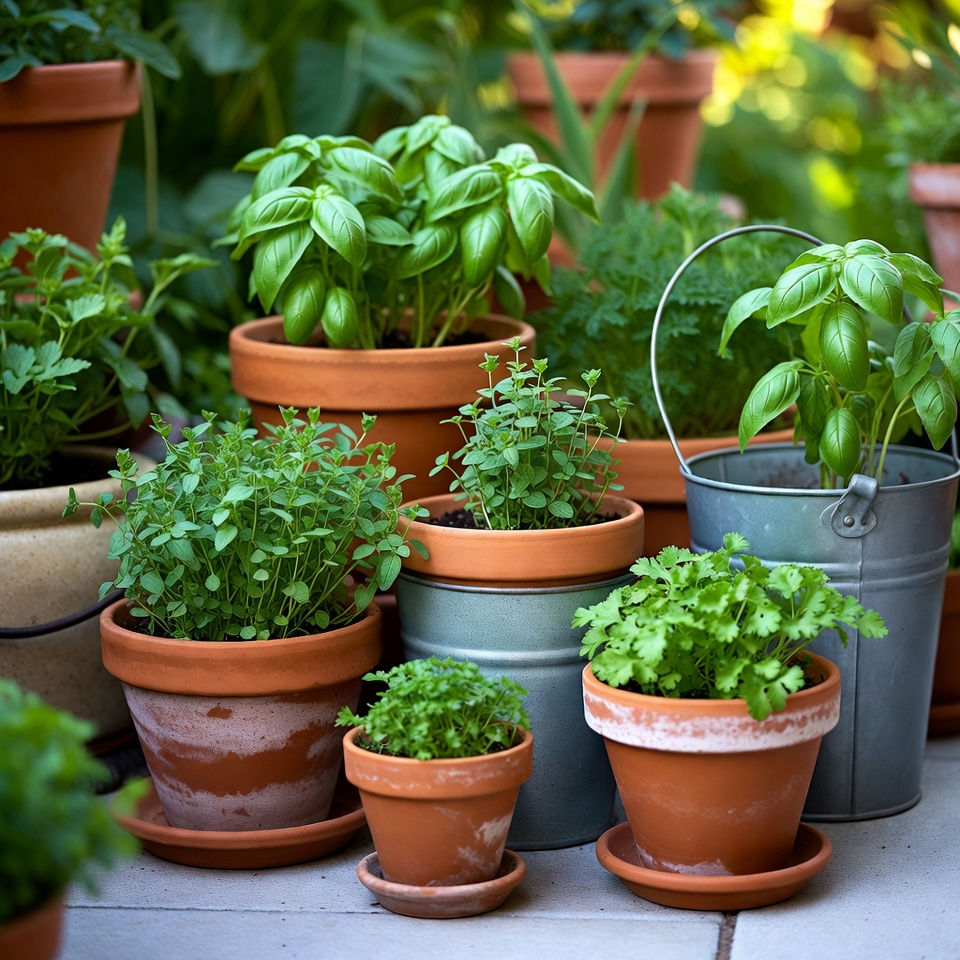
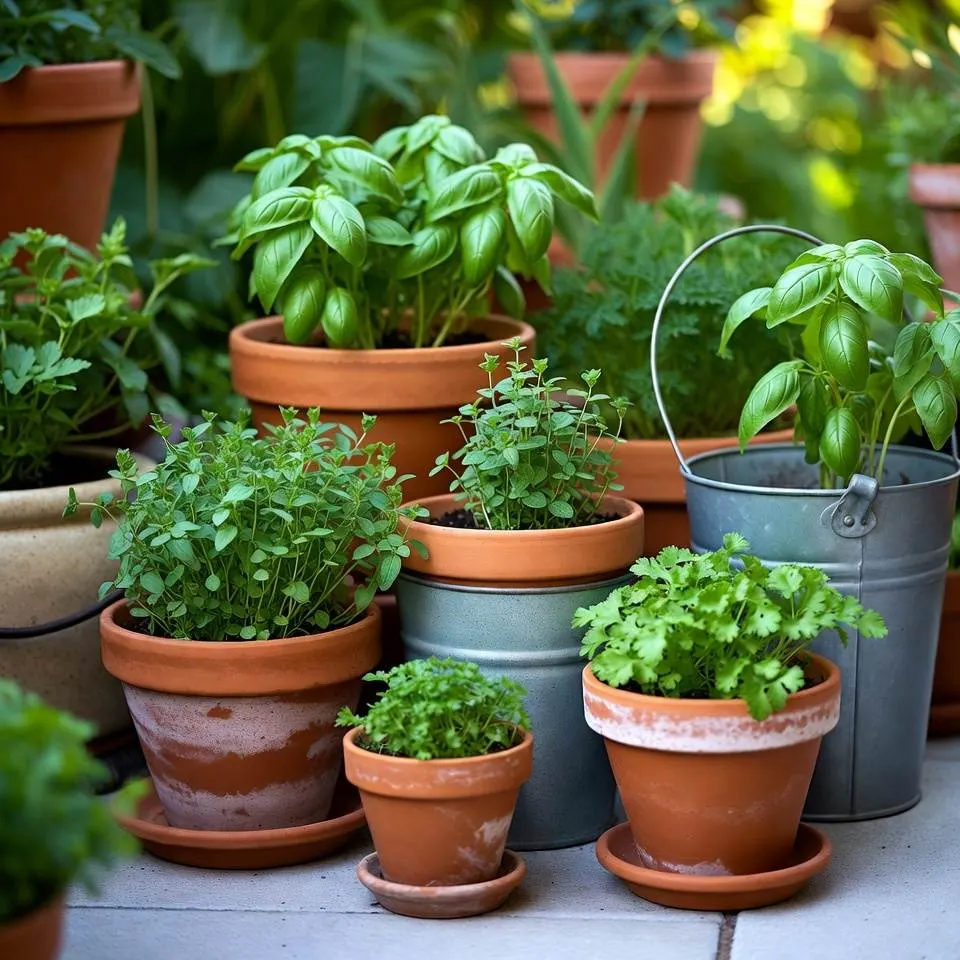
Instead of neat rows, try grouping pots of different sizes together.
This approach mimics how herbs grow in nature, uneven spacing, slightly messy edges, overlapping leaves.
The result feels relaxed and welcoming.
Mix materials if possible:
- Clay pots
- Metal buckets
- Wooden boxes
- Ceramic containers
Cluster arrangements also help retain moisture because pots shade each other slightly.
A cluster garden looks more established than it really is even if you planted it last weekend.
4. Raised Bed Herb Corners
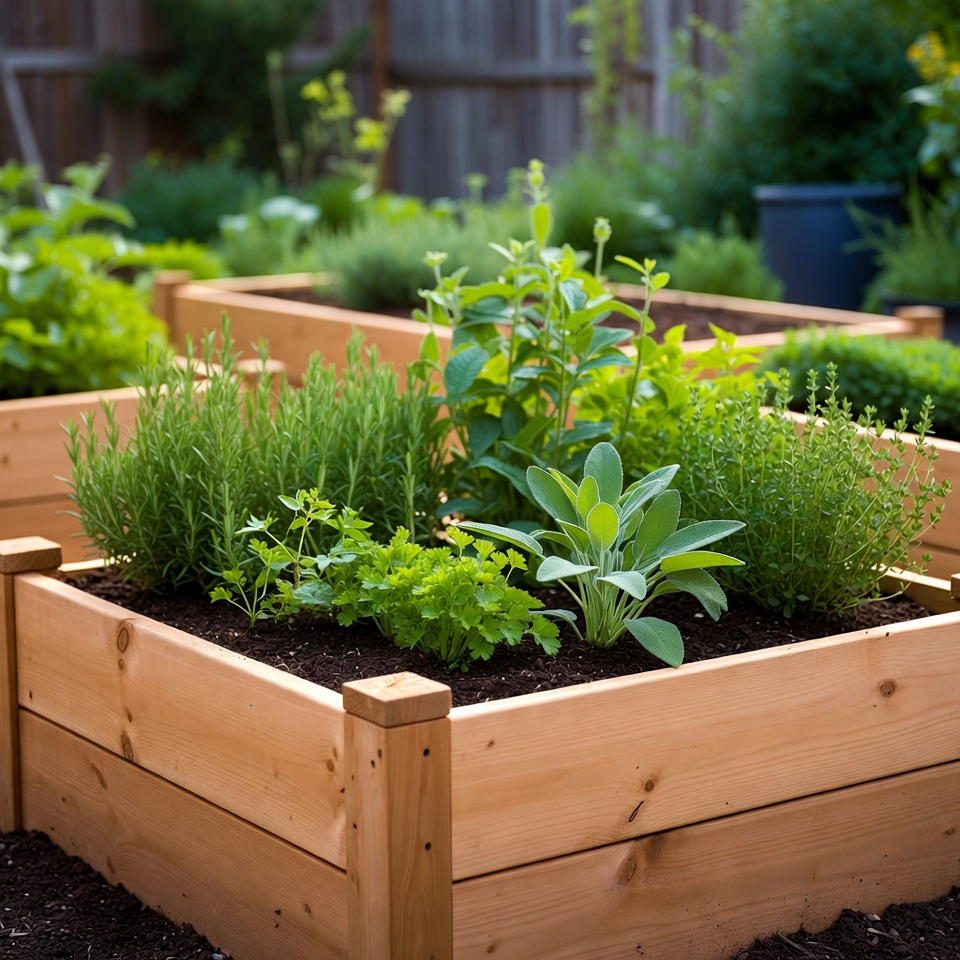
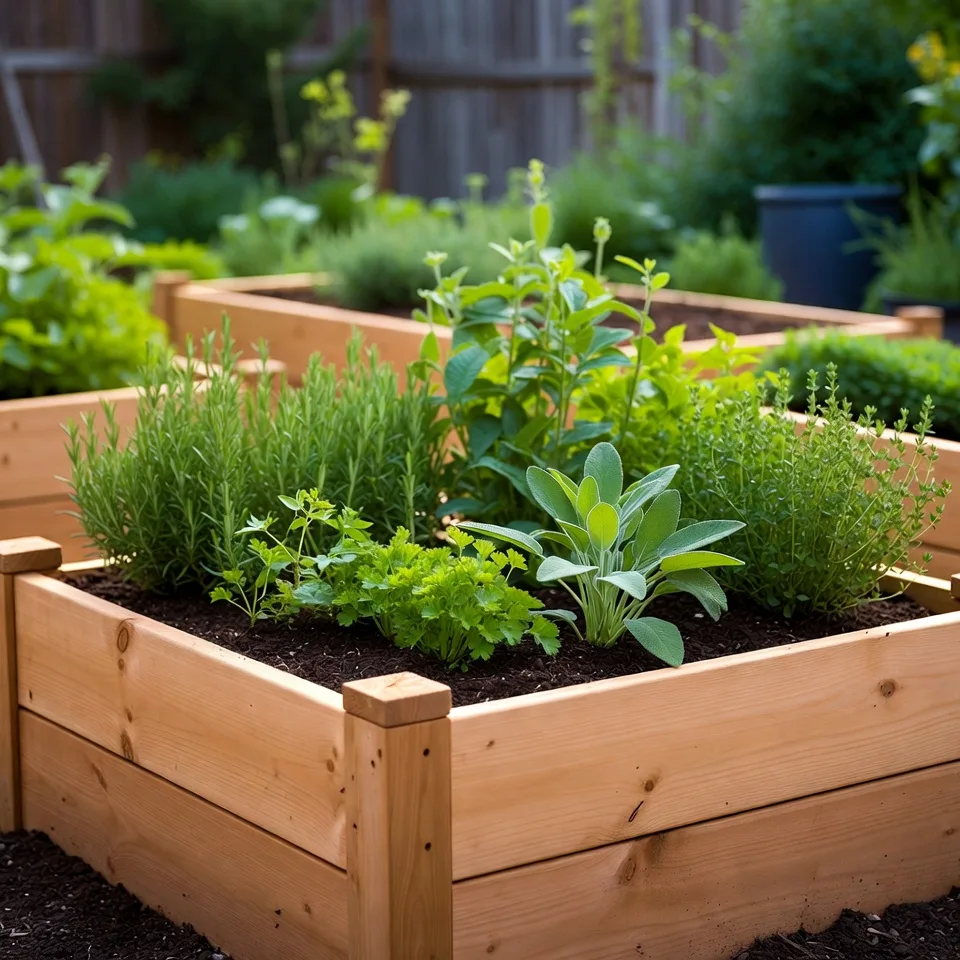
If you already have a vegetable garden, reserve one corner just for herbs.
Raised beds drain well, warm up quickly, and allow roots to spread naturally. Herbs like sage, oregano, and rosemary grow especially strong in raised beds.
One advantage people don’t always mention is efficiency. You harvest vegetables, then grab herbs without walking across the yard again.
Raised beds also encourage permanent herbs, perennials that return every year. Once established, these plants need surprisingly little attention.
You might forget they’re there until harvest time reminds you.
5. Hanging Basket Herb Gardens
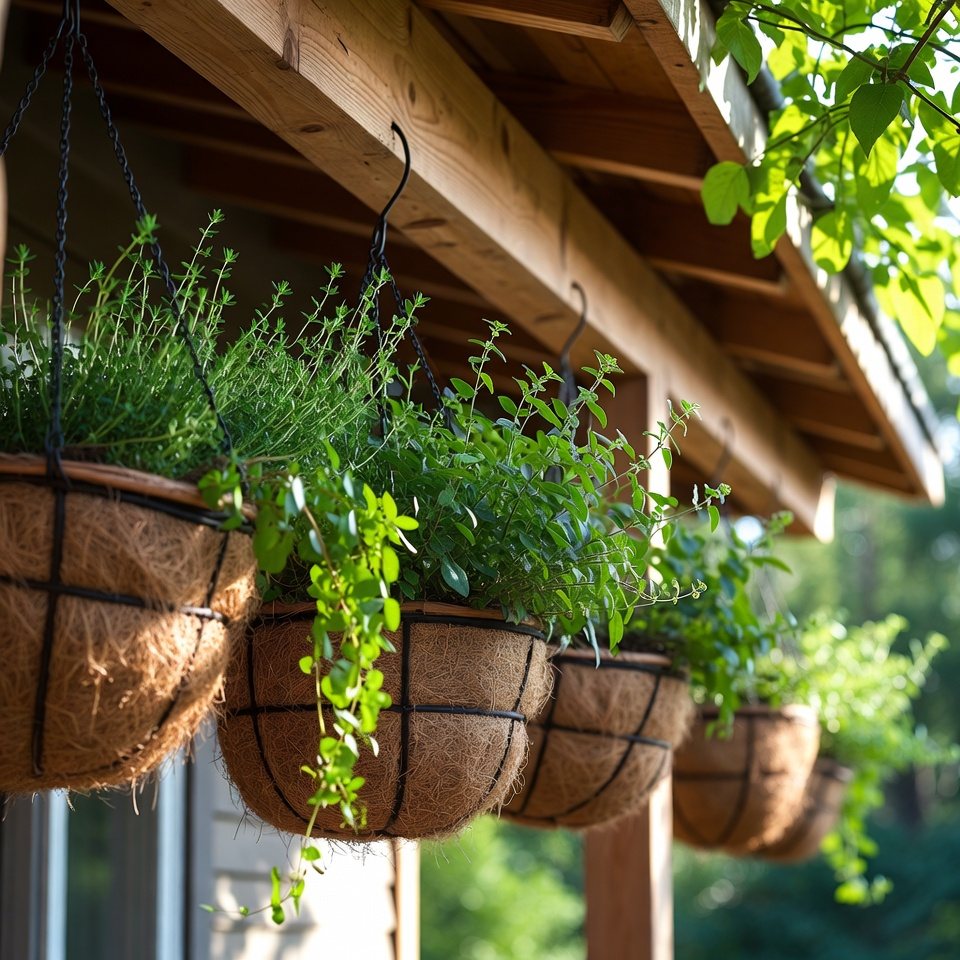
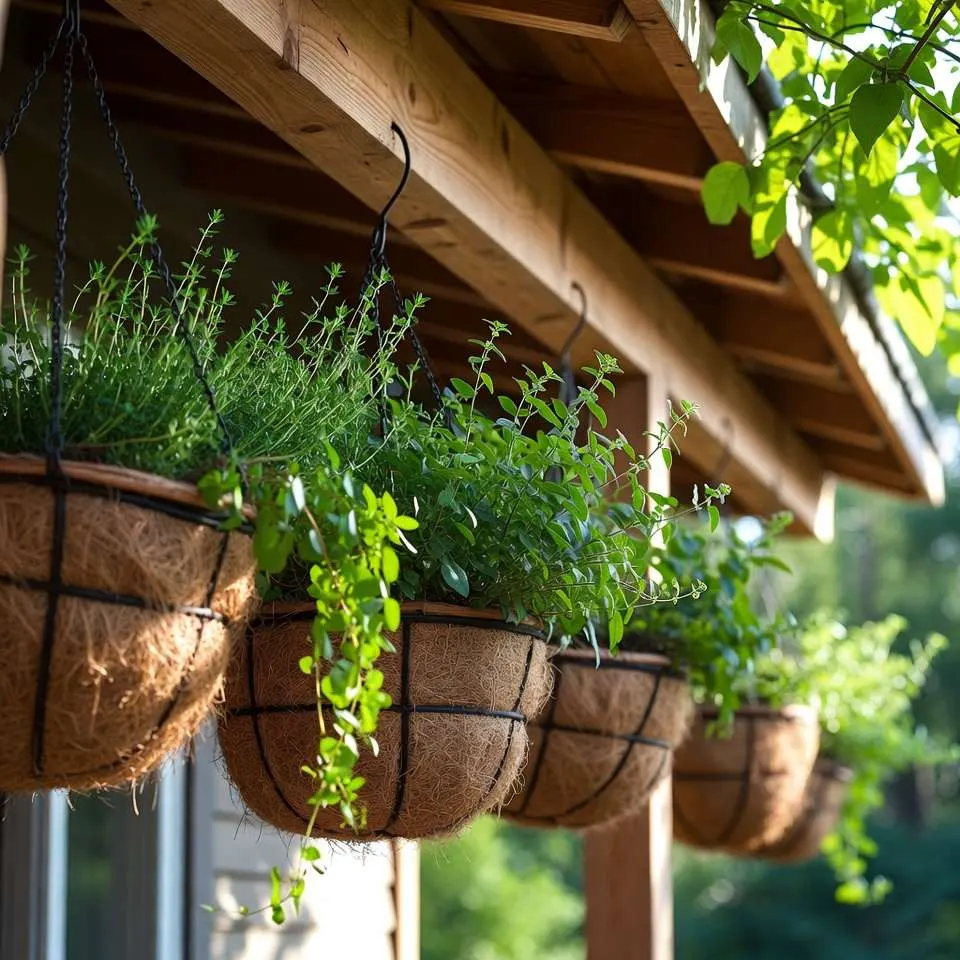
Hanging baskets make use of empty air space, porches, balconies, or over patios.
Trailing herbs like thyme and oregano spill over edges beautifully. Mint grows well here too, and hanging baskets help contain its aggressive roots.
Position baskets where sunlight reaches at least 5–6 hours daily.
And here’s something interesting, airflow around hanging plants reduces disease risk. Leaves dry faster after watering, which keeps fungal problems low.
They look decorative, but they’re practical too.
6. The Tea Herb Garden
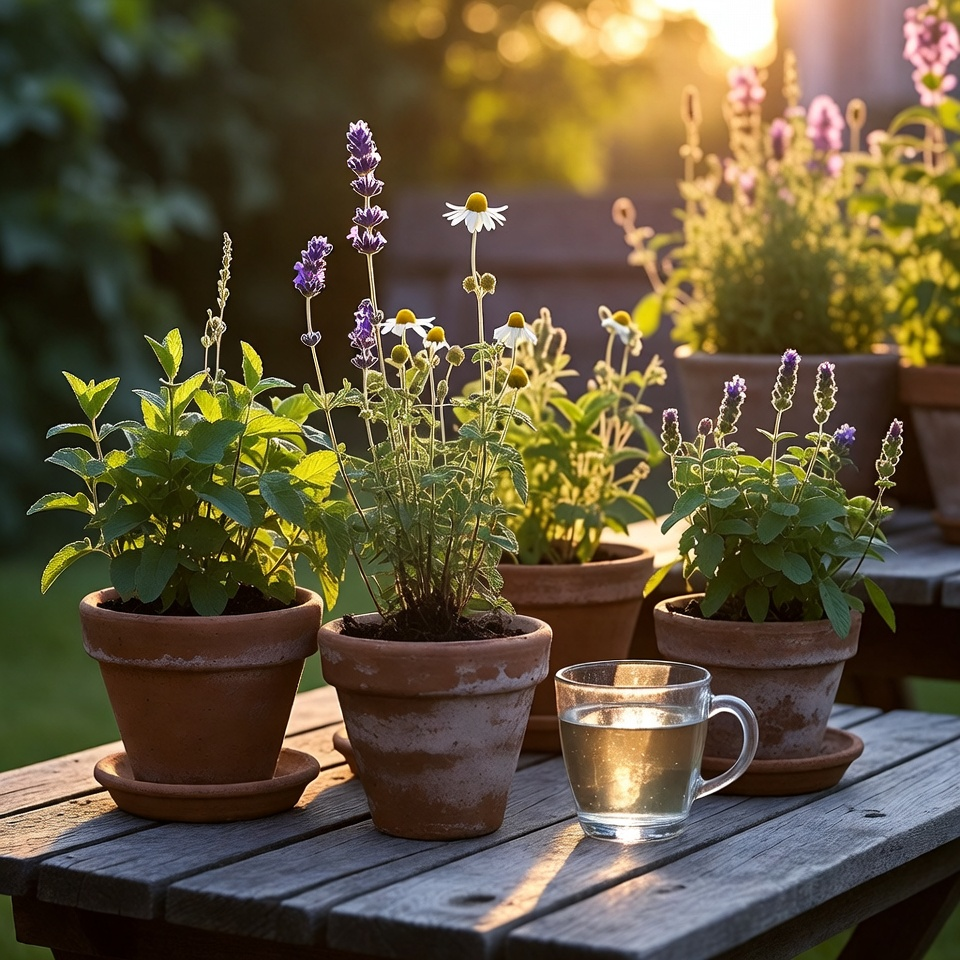
Some herb gardens revolve around cooking. Others revolve around comfort.
A tea herb garden focuses on herbs that make calming drinks:
- Mint
- Lemon balm
- Chamomile
- Lavender
- Stevia
There’s a certain pleasure in harvesting herbs specifically for tea. The process feels slower, picking leaves, letting them steep, breathing in the aroma.
Tea gardens don’t need much space. Even four small pots can provide regular harvests.
And unlike vegetables, herbs for tea can be harvested lightly and often without harming the plant.
7. A Rustic Wooden Crate Garden
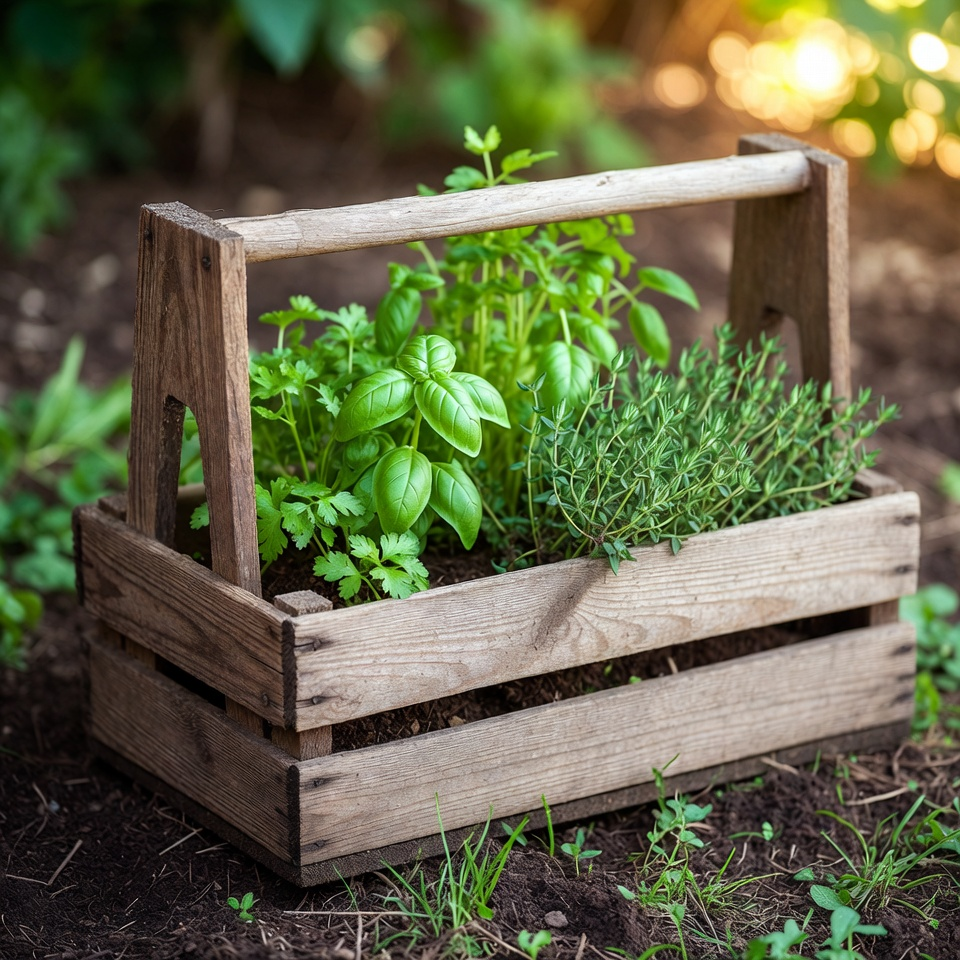
Old crates make charming herb planters.
They’re deep enough for roots and wide enough for multiple herbs. Line the inside with landscape fabric to hold soil while allowing drainage.
Wooden crates age nicely outdoors. Sun and rain soften the surface, giving the garden a lived-in look.
Plant combinations might include:
- Basil and parsley
- Thyme and oregano
- Dill and cilantro
This setup works well near outdoor kitchens or grilling areas.
Fresh herbs within reach make cooking feel more spontaneous, less planning, more instinct.
8. The Spiral Herb Garden
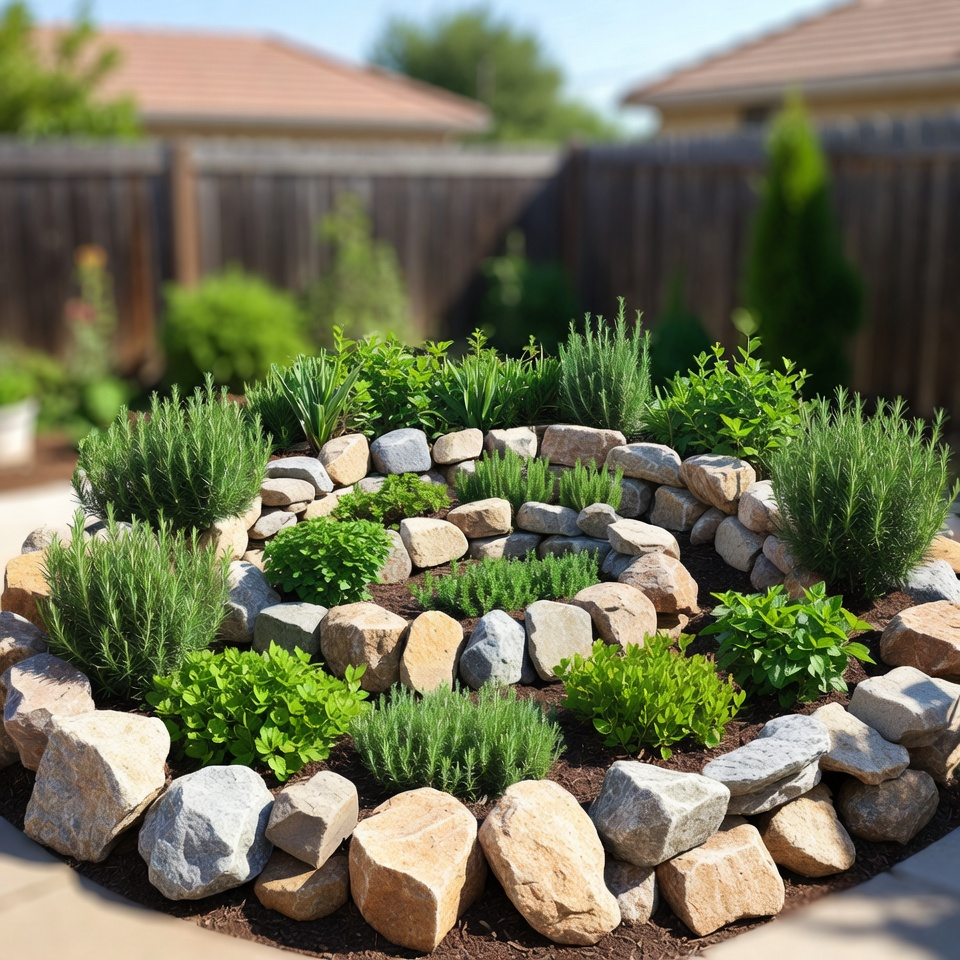
Herb spirals look complicated but are actually simple structures made with stacked stones or bricks.
The spiral shape creates multiple growing zones:
- Dry and sunny at the top
- Moist and cool at the bottom
This allows many herbs to grow in a compact area.
Typical arrangement:
Top:
- Rosemary
- Thyme
Middle:
- Sage
- Oregano
Bottom:
- Parsley
- Mint
Spirals also drain well because excess water flows downward naturally.
They become a centerpiece rather than just a garden bed.
9. Balcony Rail Planters
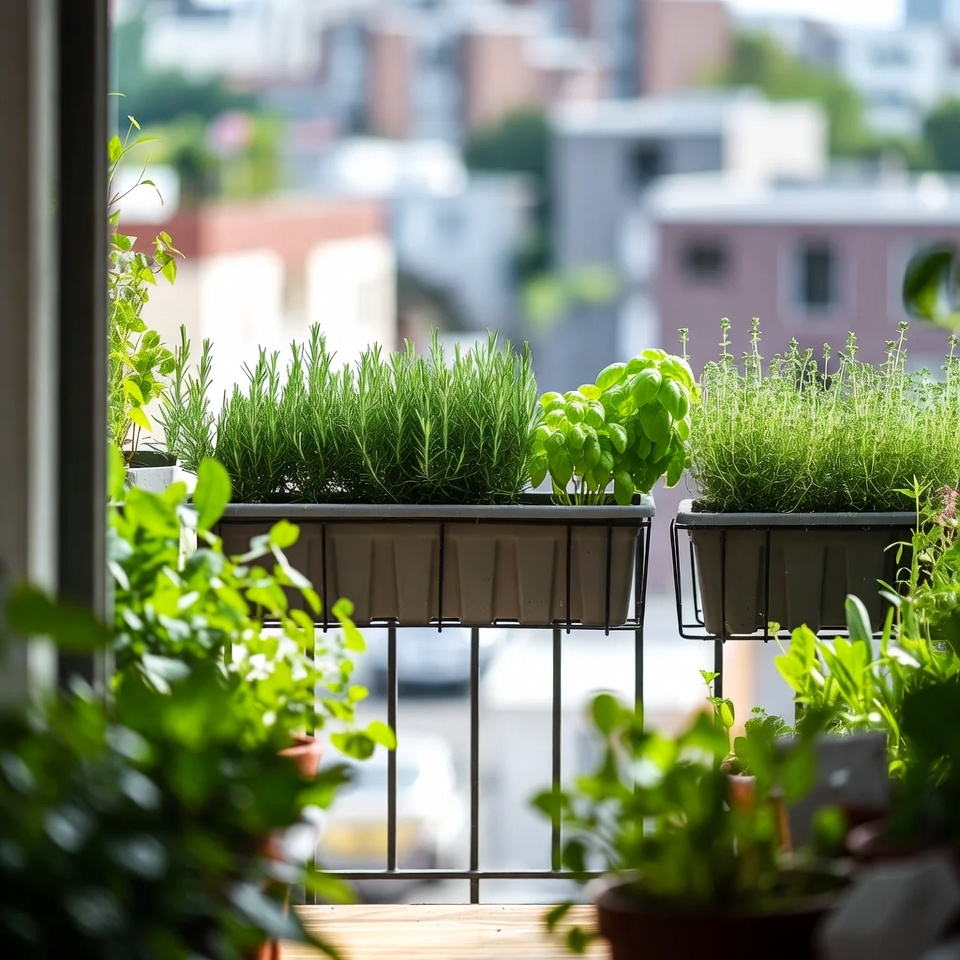
Balconies often have unused rail space perfect for herbs.
Rail planters hang securely while keeping floor space open. Even narrow balconies can support several herbs this way.
Wind exposure matters here. Choose sturdy herbs like:
- Rosemary
- Thyme
- Sage
Watering may need to happen more often because wind dries soil quickly.
Still, balcony rail herbs turn otherwise unused space into something productive.
10. The Low-Maintenance Perennial Patch
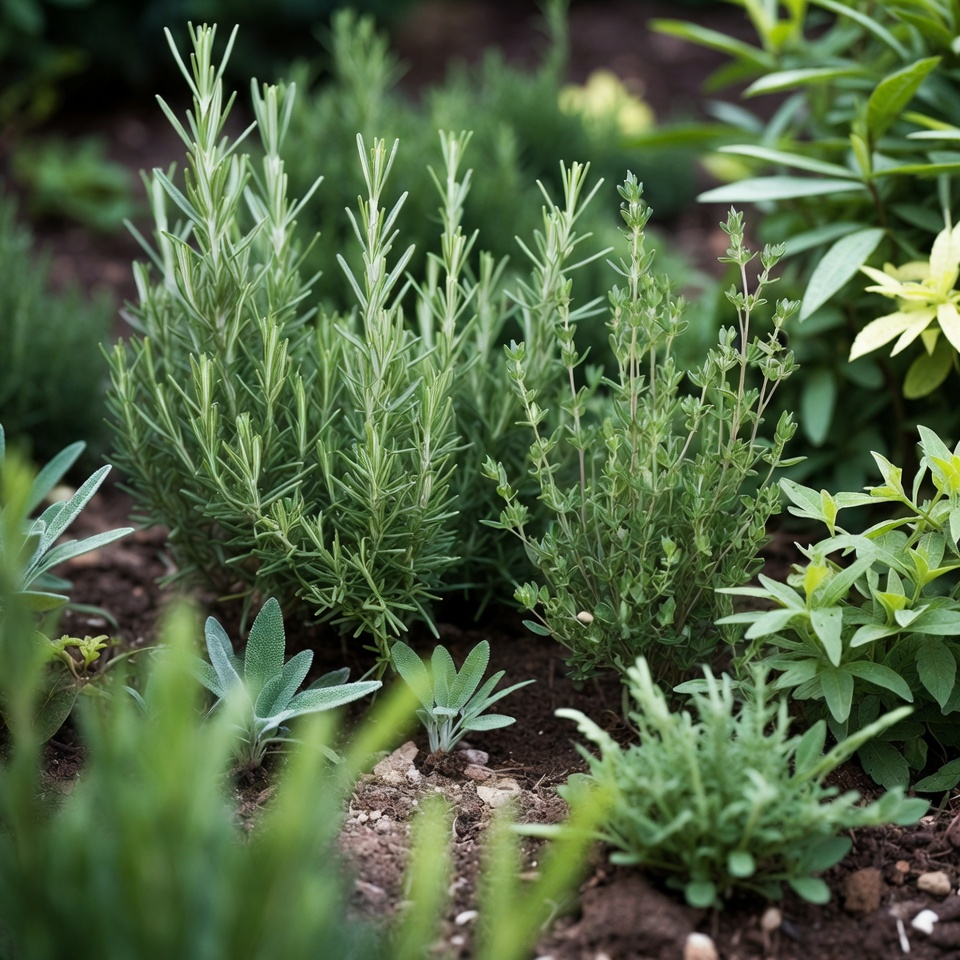
Some herb gardens are designed to reduce work year after year.
Perennial herbs return season after season with minimal care:
- Rosemary
- Sage
- Thyme
- Oregano
- Chives
Once established, these plants tolerate dry soil and irregular watering better than most vegetables.
The first year requires patience. Growth seems slow.
Then suddenly the patch fills out, thick stems, woody bases, strong aroma.
After that, maintenance becomes mostly trimming and harvesting.
11. The Mixed Flower-and-Herb Garden
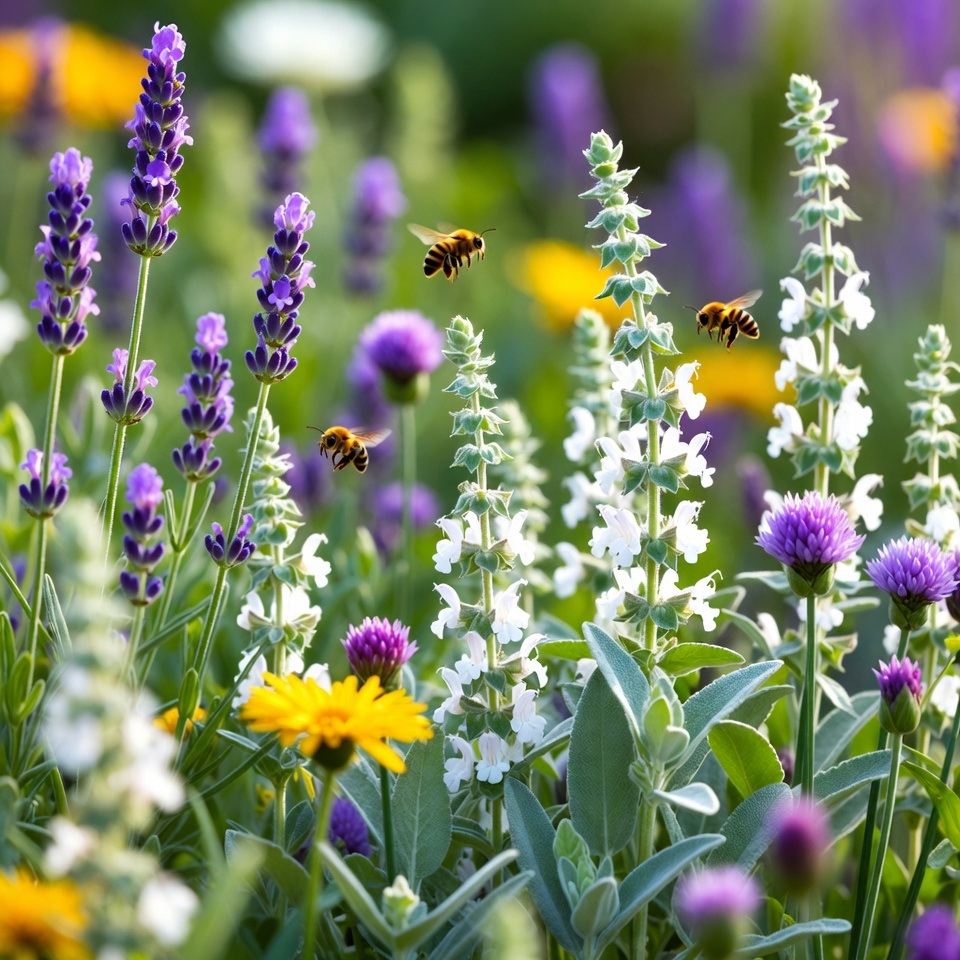
Herbs don’t have to live separately from flowers.
Many herbs bloom beautifully:
- Lavender
- Sage
- Chives
- Basil
Mixed beds attract pollinators while adding color variation.
Bees and butterflies visit herb flowers frequently. Increased pollination benefits nearby vegetables too.
The garden becomes livelier, movement, sound, color.
Herbs stop looking purely functional and start looking ornamental.
12. Indoor Herb Shelf Gardens
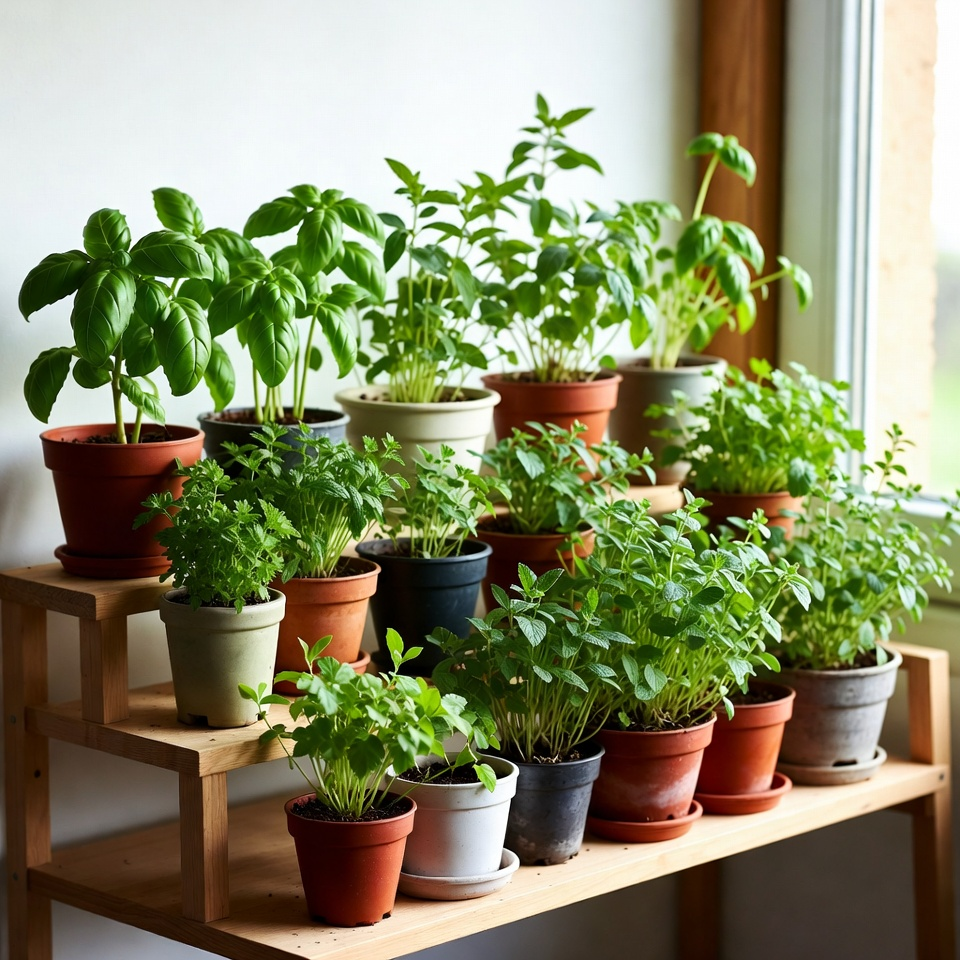
Shelving units near windows can hold multiple rows of herbs.
This approach works especially well during colder months when outdoor gardening slows.
Adjustable shelves allow taller herbs on lower levels and smaller plants above.
Simple grow lights help when natural sunlight is limited.
Indoor shelf gardens extend the growing season indefinitely fresh herbs even when weather turns harsh.
And honestly, a shelf full of green plants changes the mood of a room more than most decorations.
13. Recycled Container Herb Gardens
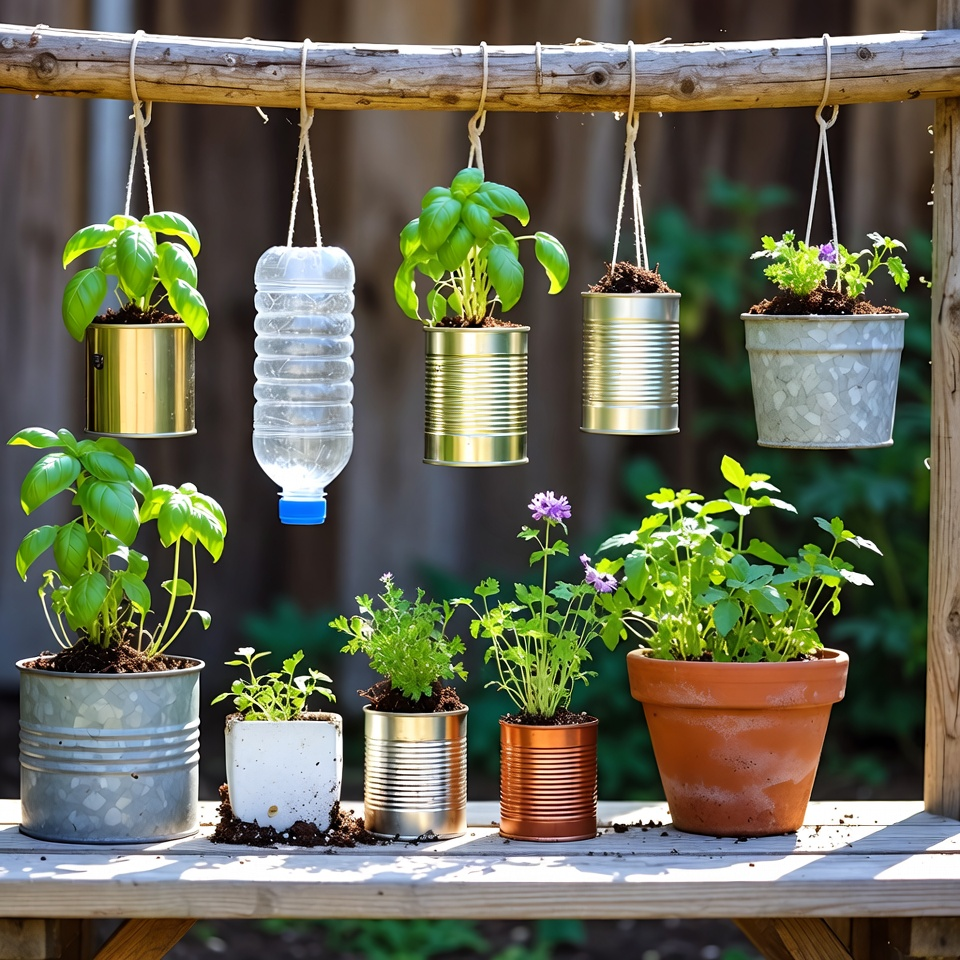
Almost any container can become a planter.
Common choices include:
- Tin cans
- Plastic bottles
- Old cooking pots
- Buckets
- Glass jars (for short-term use)
Drainage holes matter more than appearance.
Recycled containers reduce costs and give objects a second life. There’s something satisfying about that — turning everyday waste into something productive.
Sometimes the most creative gardens come from simple materials.
14. The Dedicated Cooking Herb Garden
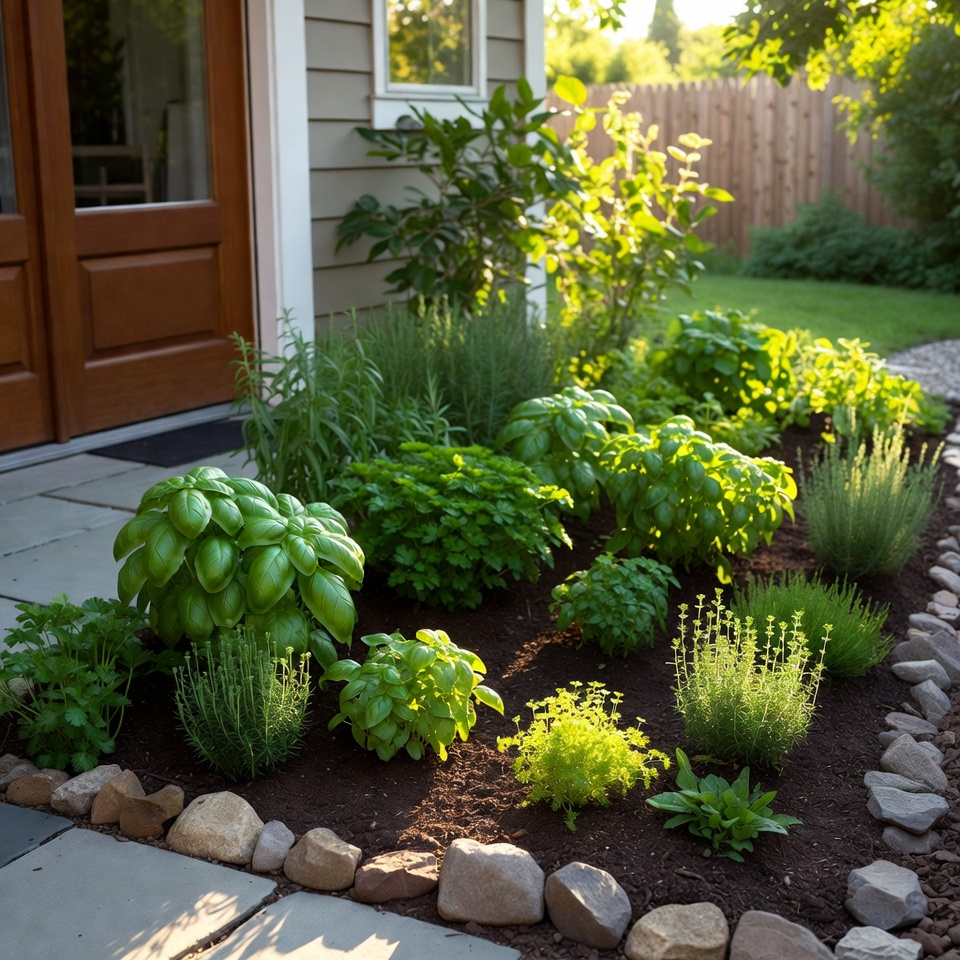
This garden focuses purely on culinary use.
Plant herbs you cook with most often:
- Basil
- Parsley
- Cilantro
- Thyme
- Oregano
- Rosemary
Spacing plants generously encourages larger harvests.
Position the garden close to the kitchen door if possible.
The distance between stove and garden influences how often herbs get used — surprisingly more than soil quality or fertilizer.
Cooking herb gardens become part of routine life rather than a hobby project.
15. The Starter Herb Garden (Small but Reliable)
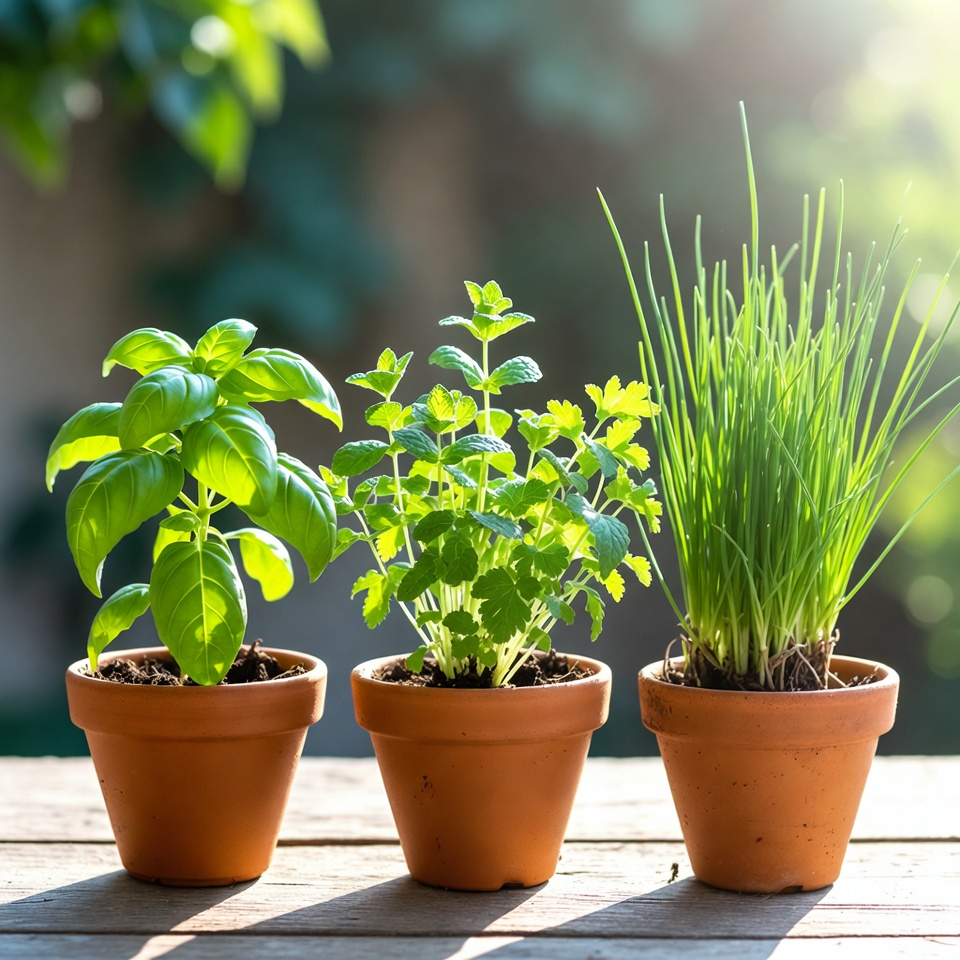
Sometimes the best garden is the simplest one.
Three to five herbs are enough:
- Basil
- Mint
- Parsley
- Thyme
- Chives
Start small. Learn watering patterns. Notice how plants respond.
Many gardeners try too much at once and lose momentum.
A small garden builds confidence first.
Then expansion happens naturally.
Herb gardening rewards consistency more than ambition.
Final Thoughts: Herb Gardens Grow More Than Herbs
Herb gardens rarely stay the same.
A small windowsill setup might grow into a balcony collection. A few pots might turn into raised beds later.
That’s normal.
Herbs are often the first step into gardening because they feel manageable — and they are. But they also lead to something larger: more time outdoors, better meals, and a quieter sense of accomplishment.
You plant a few herbs expecting fresh flavor.
You end up with something more lasting — a routine that feels grounded and real.
And honestly, once you start cutting fresh herbs for dinner, store-bought ones never quite taste the same again.