
Let’s get one thing out of the way: constipation is common. Uncomfortably common. And yet people whisper about it like it’s a personal failing instead of a very normal body slowdown.
If you’ve ever felt bloated, heavy, or stuck, literally, you already know how much it can mess with your mood. You eat less. You move less. You think about it more than you want to admit. And suddenly your day feels off.
Here’s the good news: for many people, constipation isn’t a mystery. It’s often about what you’re eating, how consistently you’re eating it, and how much water is tagging along for the ride.
No extreme cleanses. No panic fixes. Just food that nudges things along—gently.
Let me explain.
Before the List: A Quick Reality Check
Fiber gets all the credit here, but fiber without water is like trying to move furniture without wheels. It doesn’t go well.
So as you read this list, remember:
- Fiber works best when fluids are adequate
- Regular meals help train your gut’s rhythm
- Stress and rushing can slow digestion more than you think
Okay. Now the foods.
1. Oatmeal (The Quiet Hero)
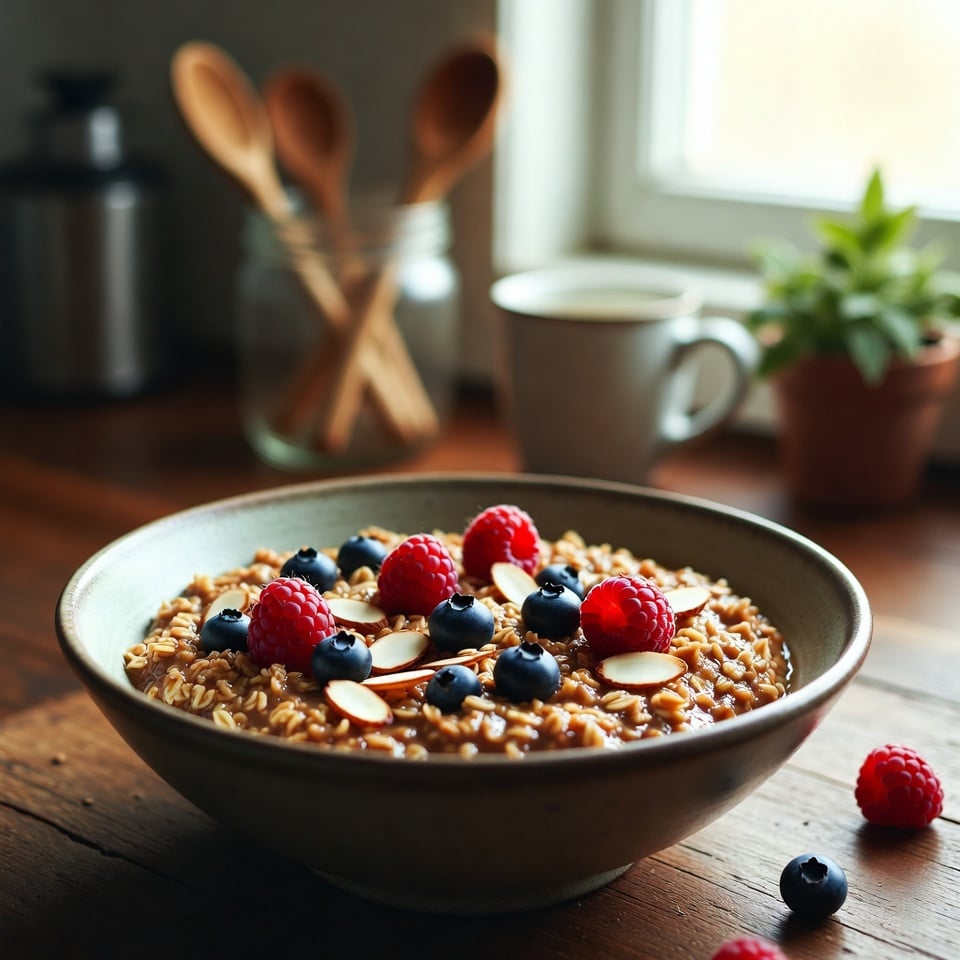
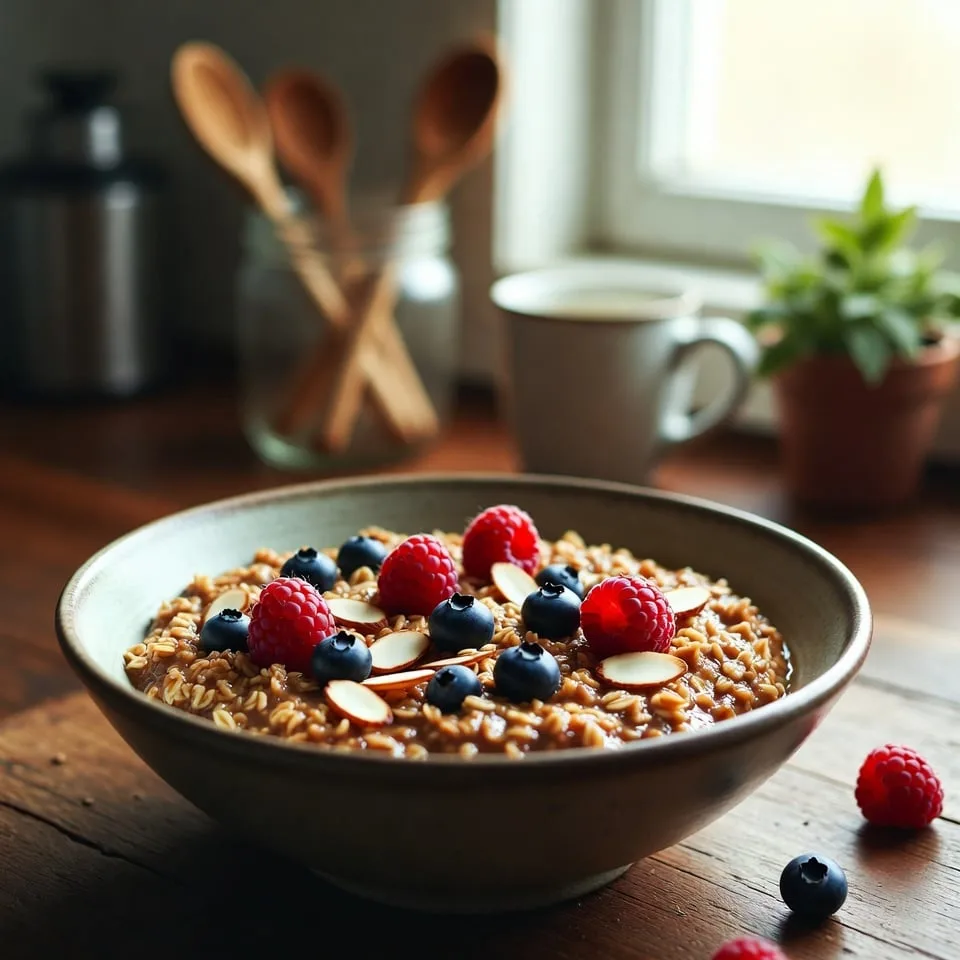
Oatmeal doesn’t shout. It just works.
It’s rich in soluble fiber, which forms a soft, gel-like texture in your gut. That texture helps stool move more smoothly, without irritation.
The key is keeping it simple. Rolled oats or steel-cut oats work better than sugary instant packets.
Try it with berries, a drizzle of honey, or a spoon of ground flax if you want to double the benefit.
2. Prunes (Yes, They Deserve Their Reputation)
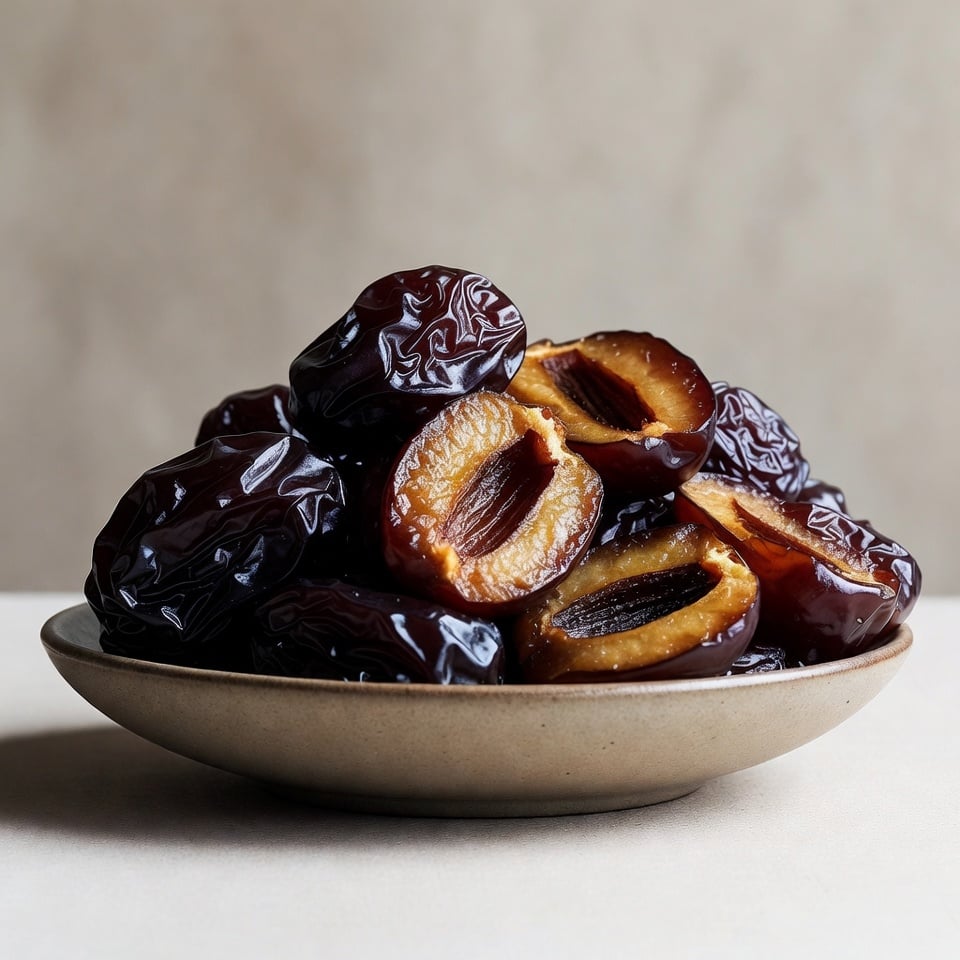
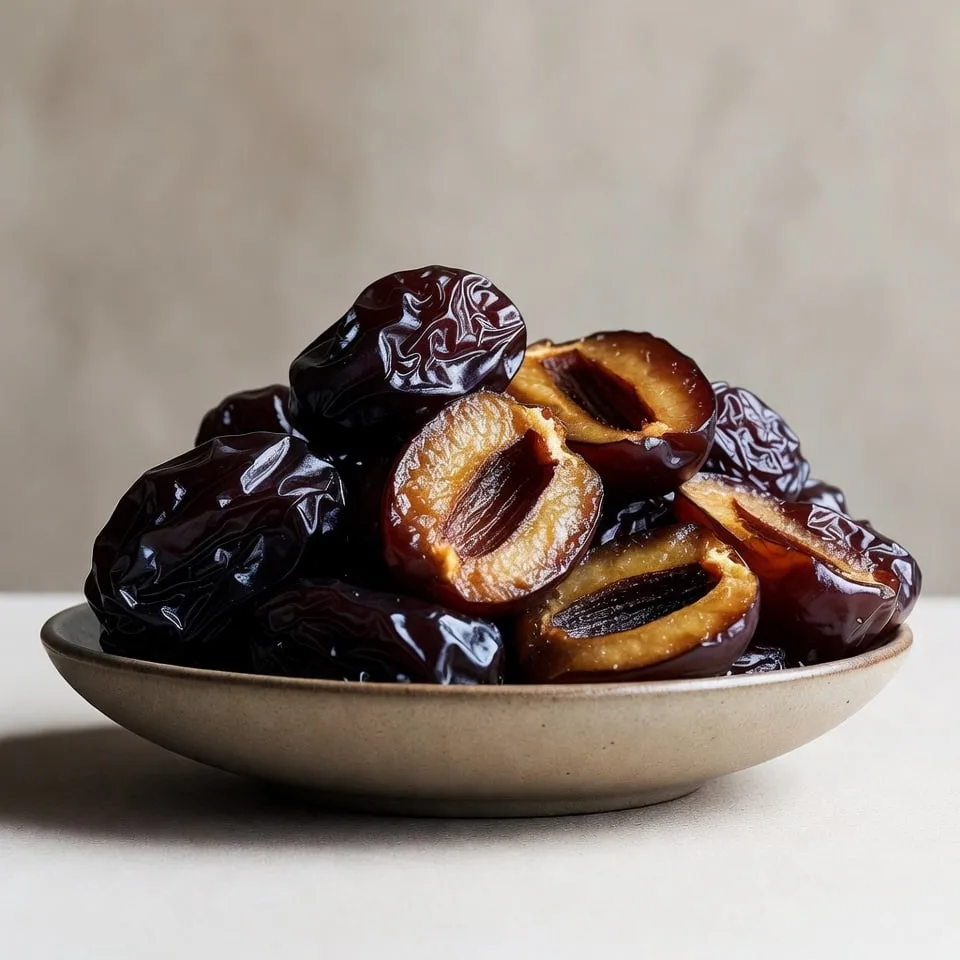
Prunes are famous for a reason.
They contain fiber and sorbitol, a natural sugar alcohol that pulls water into the intestines. That combination makes stool softer and easier to pass.
If prunes feel too intense, start small, two or three at a time. Or sip unsweetened prune juice diluted with water.
Honestly, more isn’t always better here.
3. Chia Seeds (Small, But Mighty)
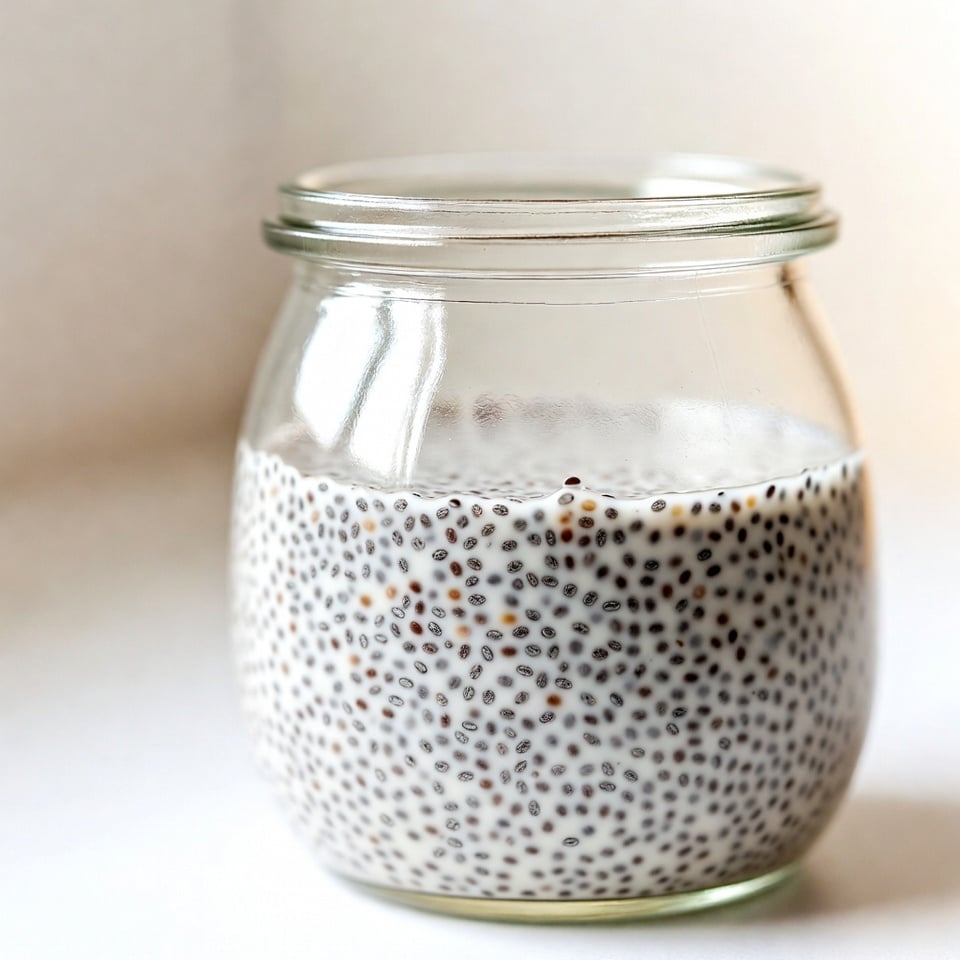
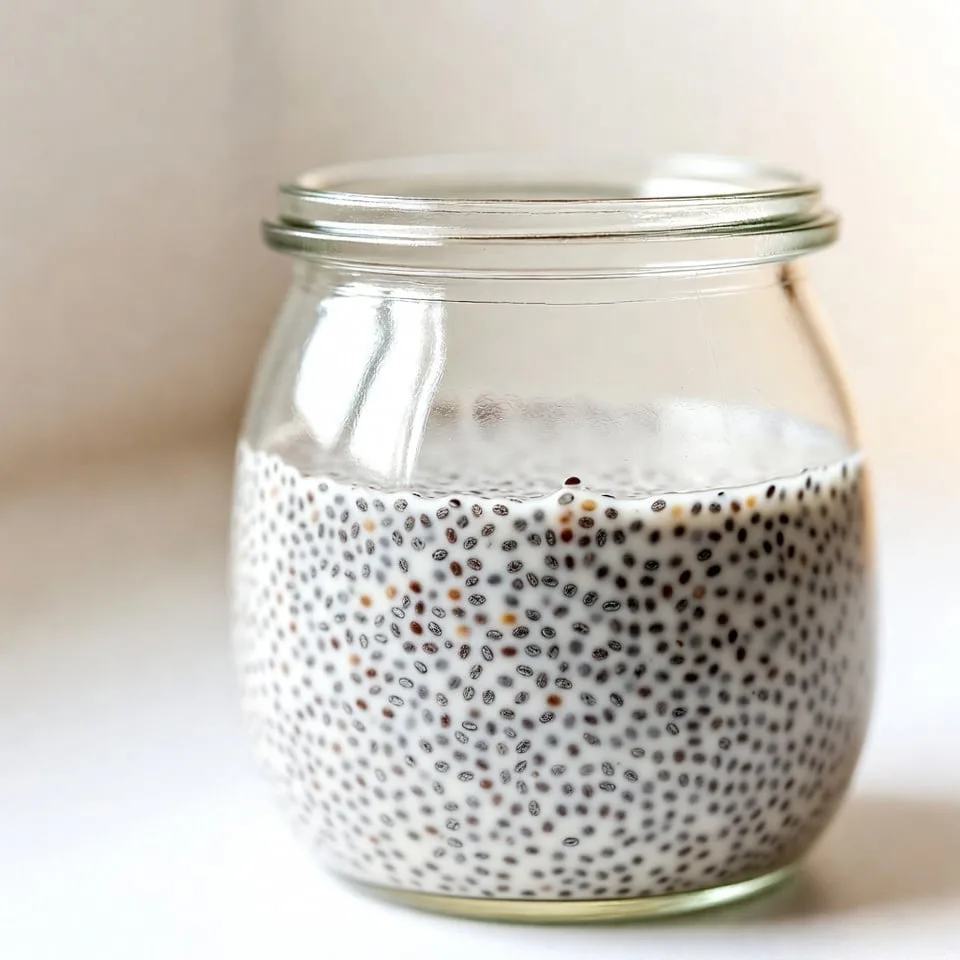
Chia seeds swell when they meet liquid. That’s not a metaphor, it’s physics.
When soaked, they form a gel that adds bulk and moisture to stool, helping things move without strain.
Stir them into yogurt, oatmeal, or water and let them sit for at least 15 minutes. Dry chia doesn’t help nearly as much.
4. Kiwi (An Underrated Favorite)
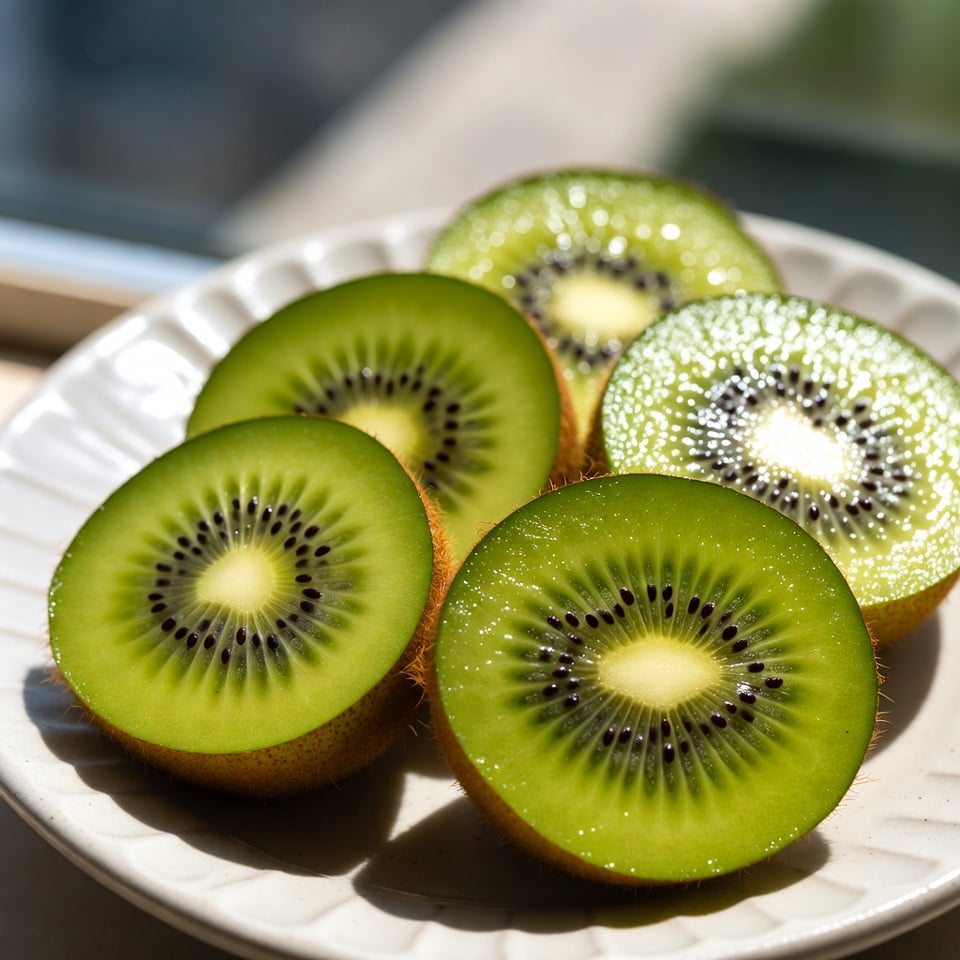
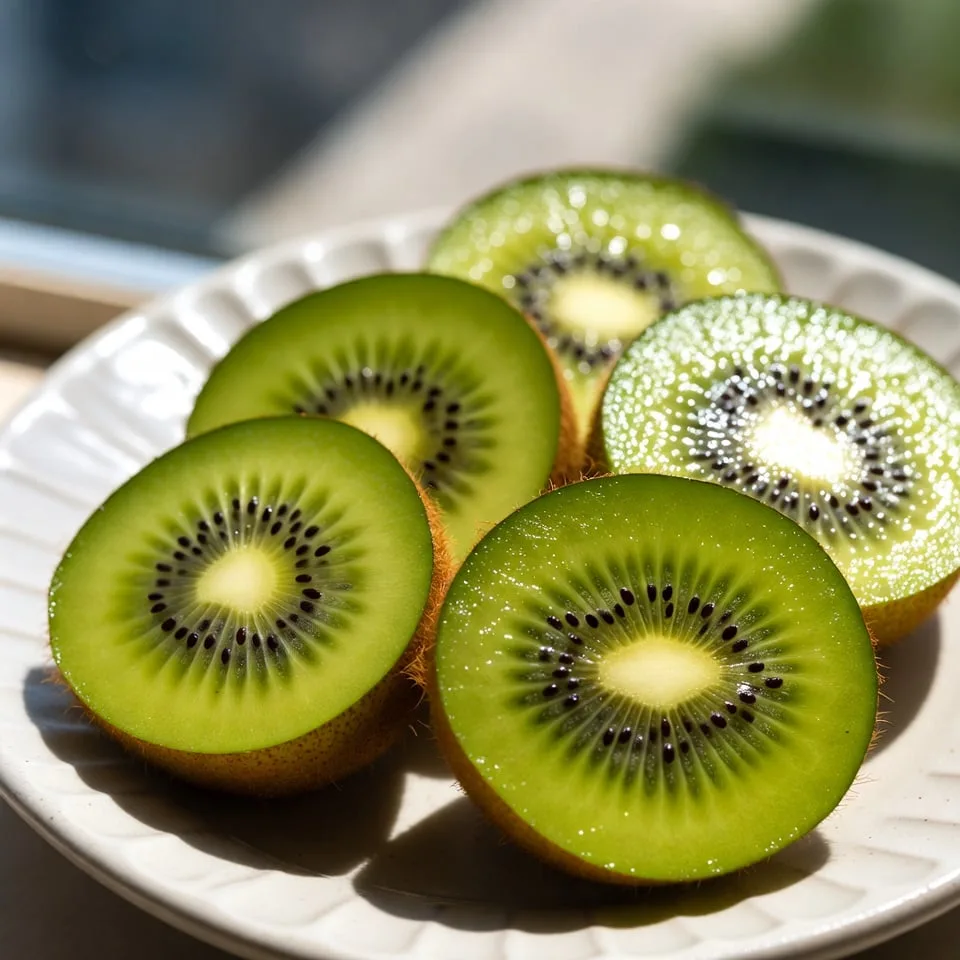
Kiwi doesn’t get enough credit.
It contains fiber and a natural enzyme that supports digestion. Some people notice results within a day or two of eating one kiwi daily.
Plus, it’s easy to eat. No prep. No recipes. Just slice and go.
5. Beans (Gentle If You Ease In)
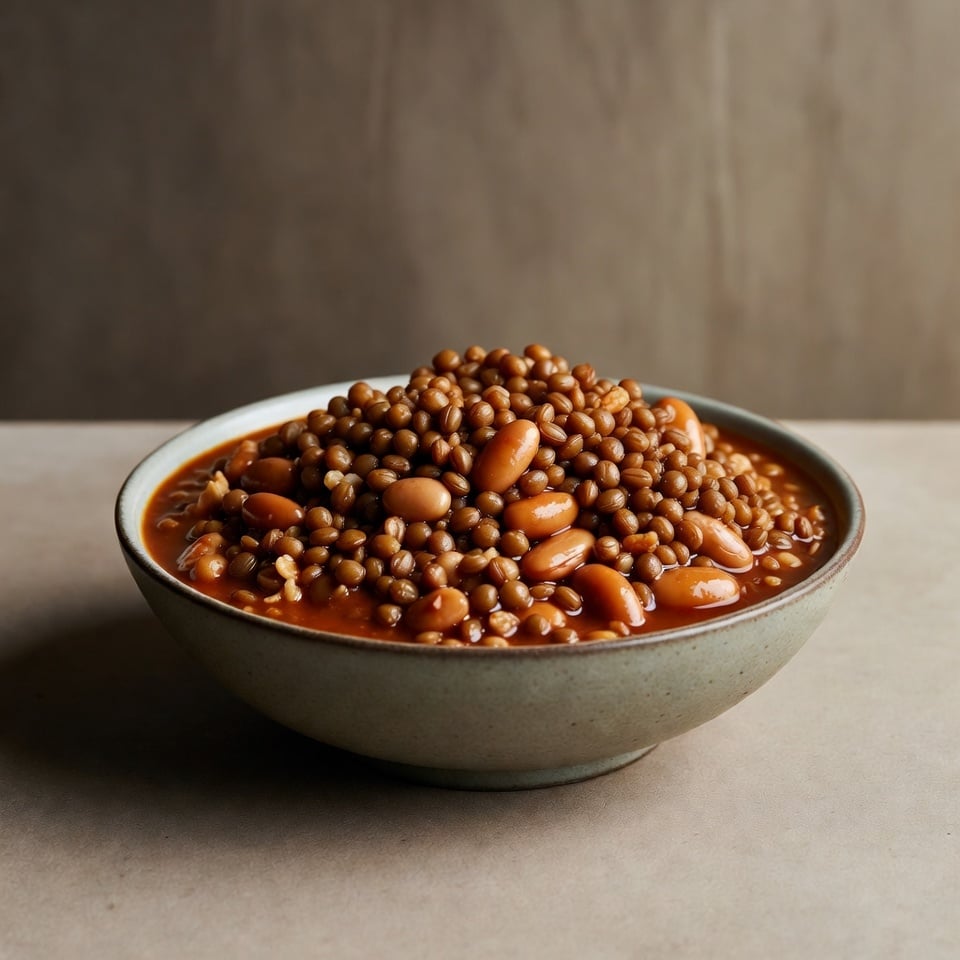
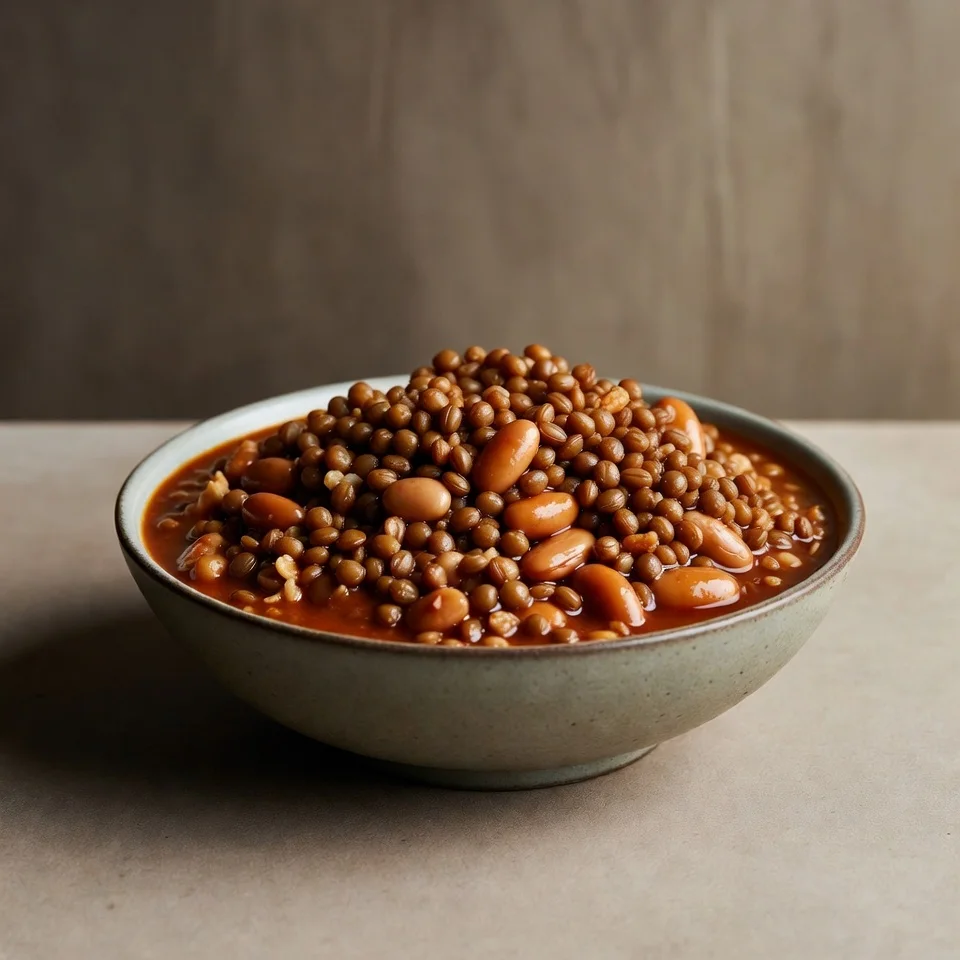
Beans are fiber-rich, filling, and affordable. But here’s the thing—they can cause gas if you jump in too fast.
Start with smaller portions. Lentils and split peas tend to be easier on digestion than larger beans at first.
Rinse canned beans well. That alone can make a noticeable difference.
6. Sweet Potatoes (Comfort Food That Helps)
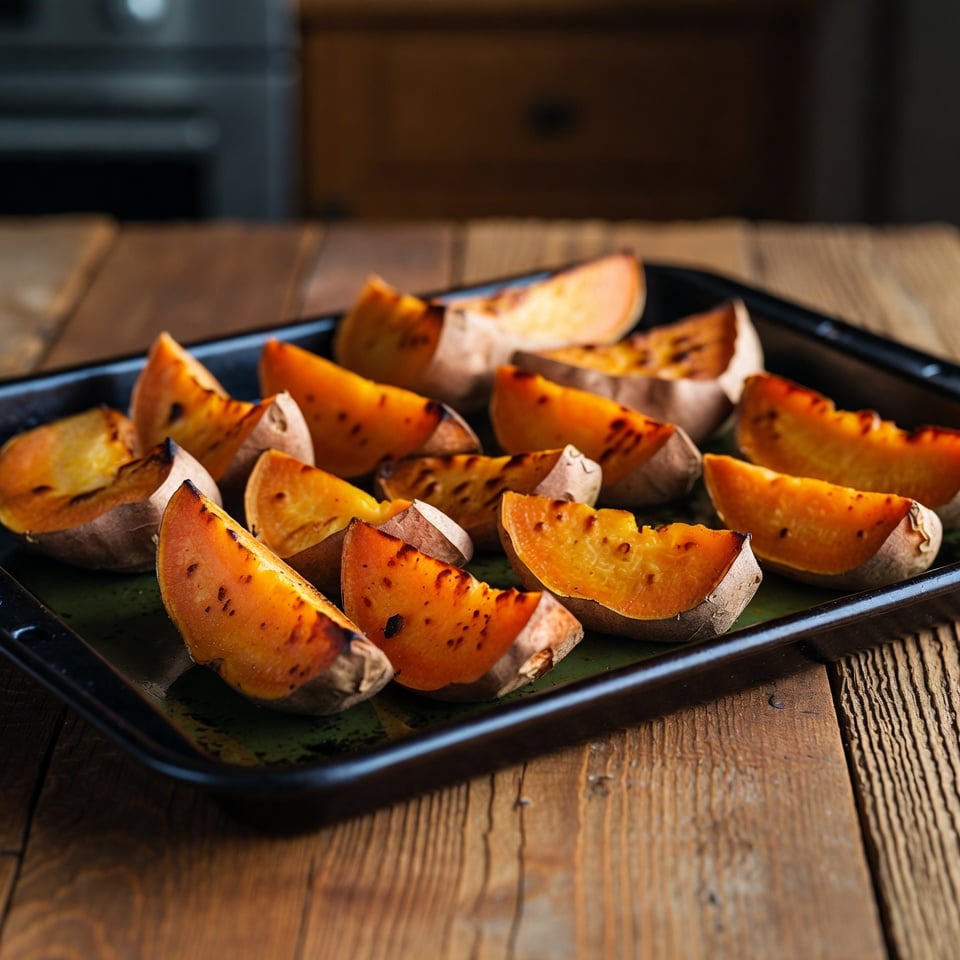
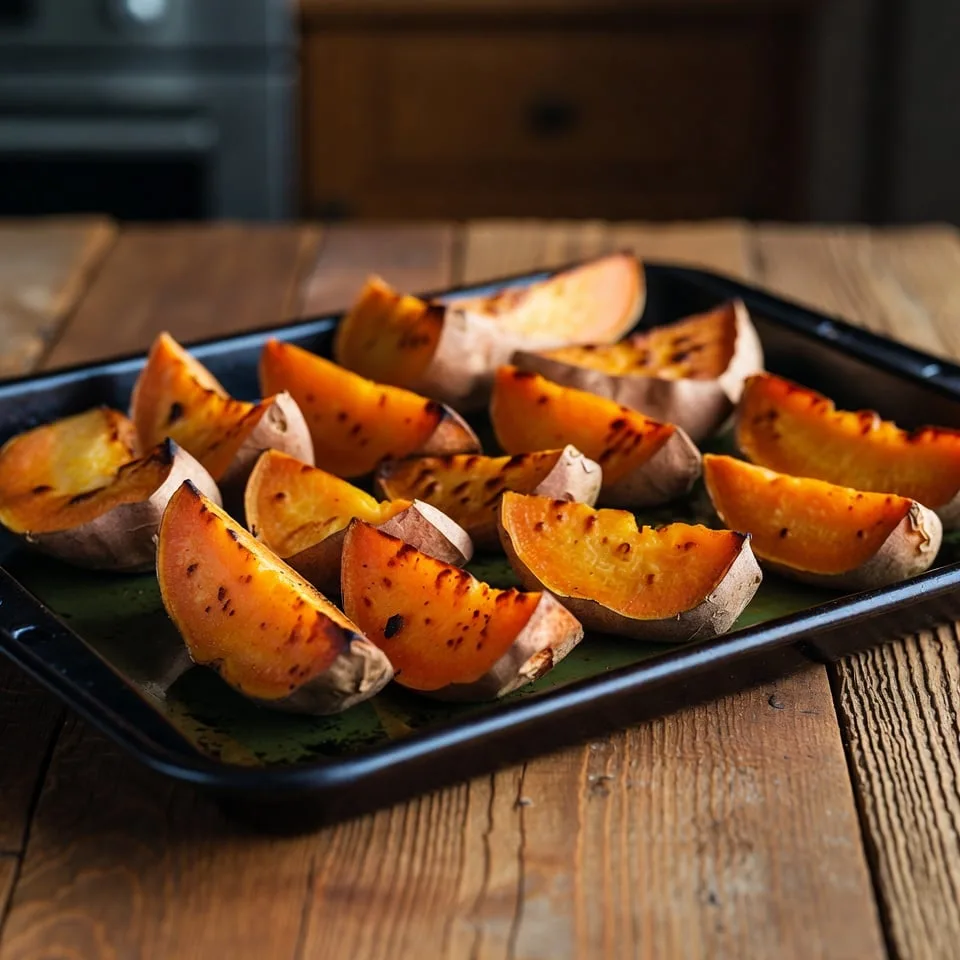
Sweet potatoes are soft, naturally sweet, and rich in fiber, especially when eaten with the skin.
They’re a great option when raw foods feel like too much. Baked, mashed, or roasted, they’re gentle and satisfying.
And yes, they count even when they feel indulgent.
7. Apples (With the Skin)
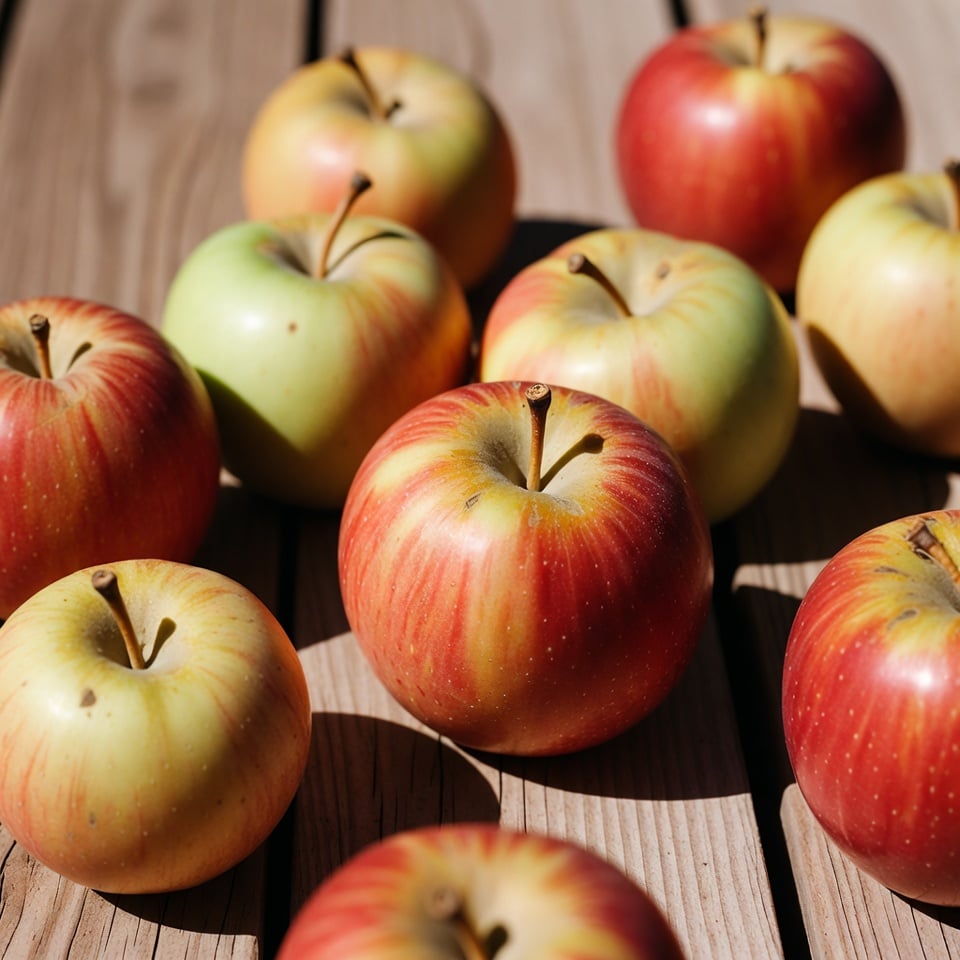
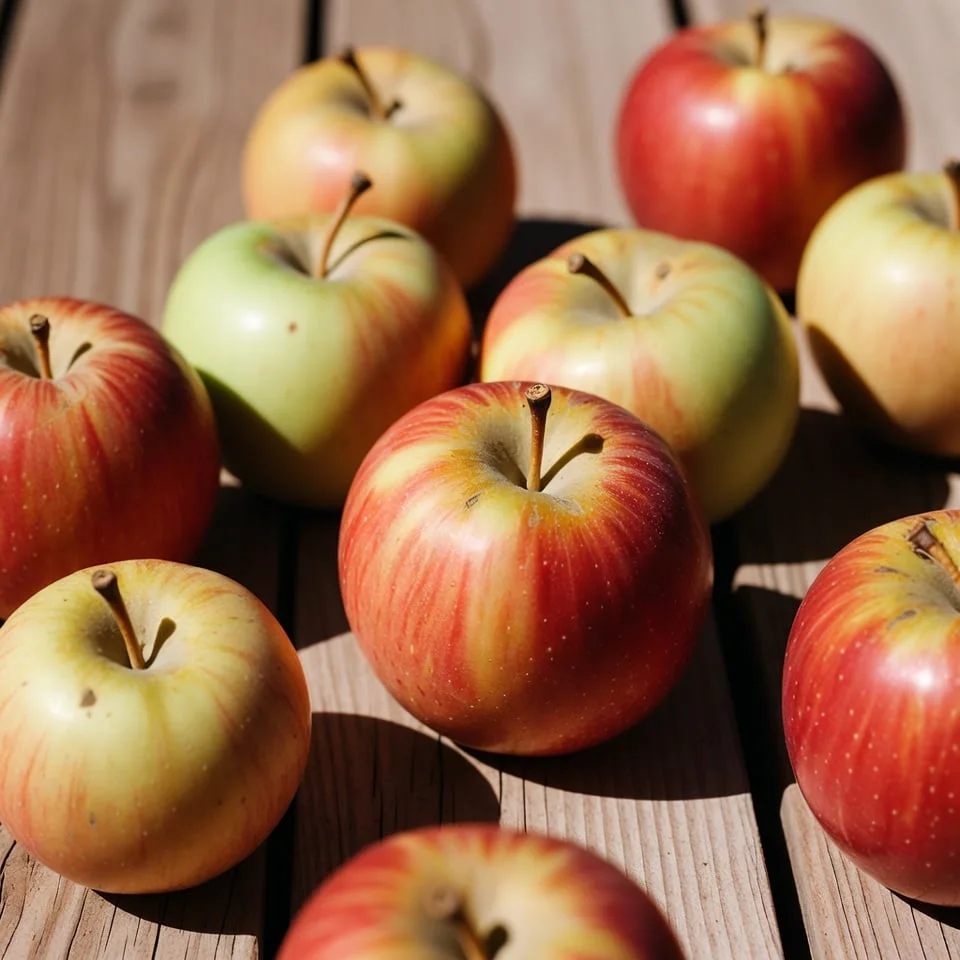
Apples contain pectin, a type of soluble fiber that helps regulate stool consistency.
The skin matters here, so peeling isn’t ideal. If raw apples bother your stomach, try them cooked. The fiber still helps, just in a softer form.
8. Ground Flaxseed (Not Whole)
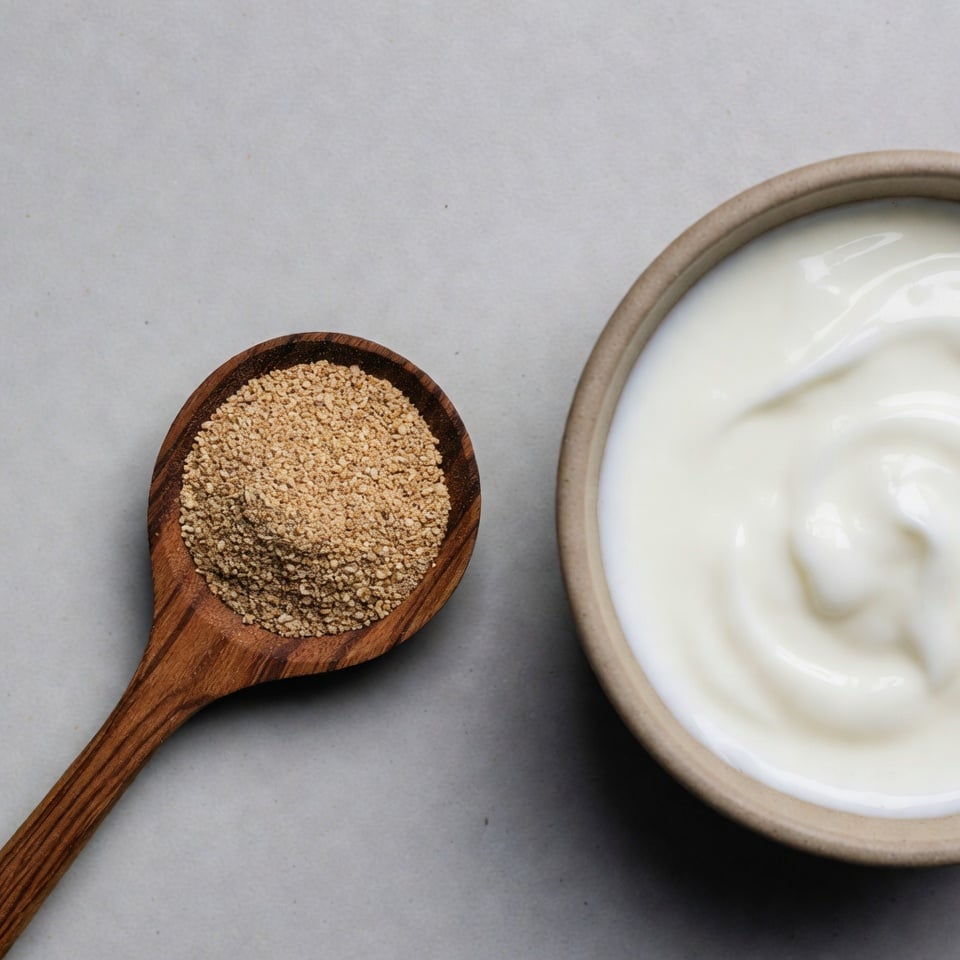
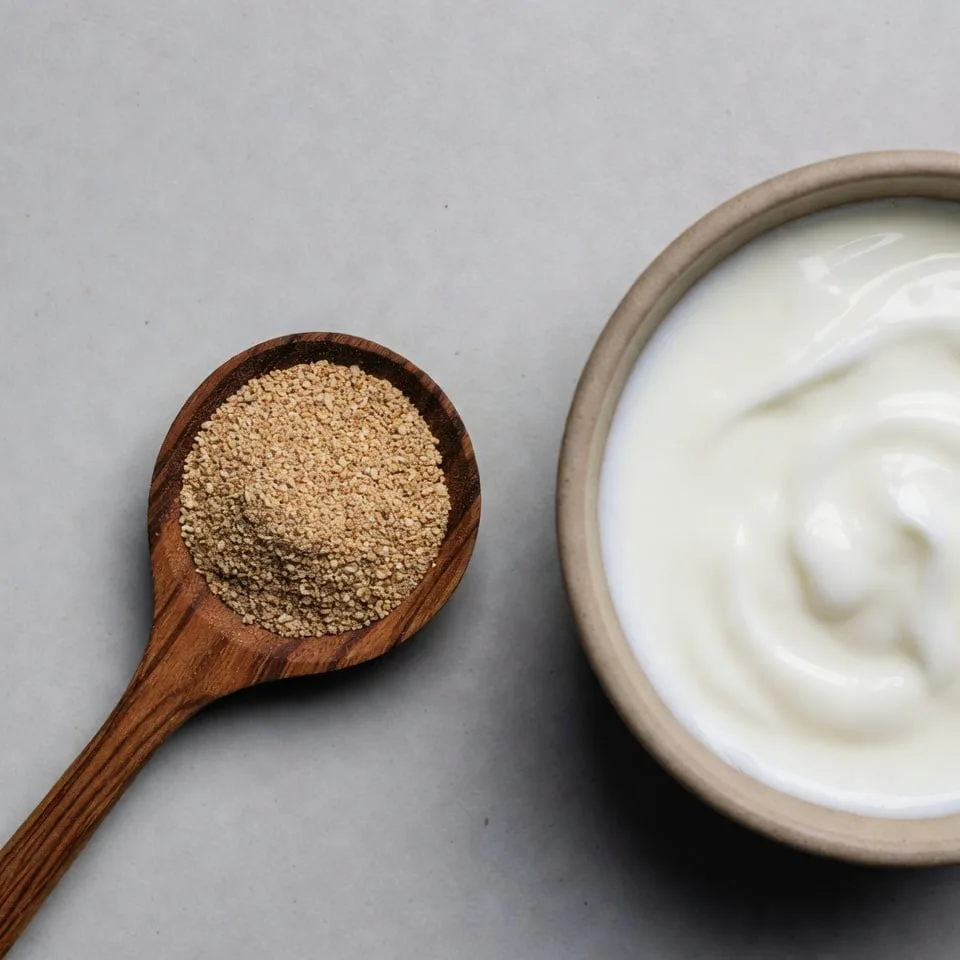
Whole flax seeds often pass right through you. Ground flax is where the magic happens.
It adds bulk and helps stool retain moisture, which reduces straining. One tablespoon a day is usually enough.
Mix it into oatmeal, yogurt, smoothies, or even soup.
9. Leafy Greens (But Cooked Counts Too)
Spinach, kale, and Swiss chard support digestion through fiber and magnesium.
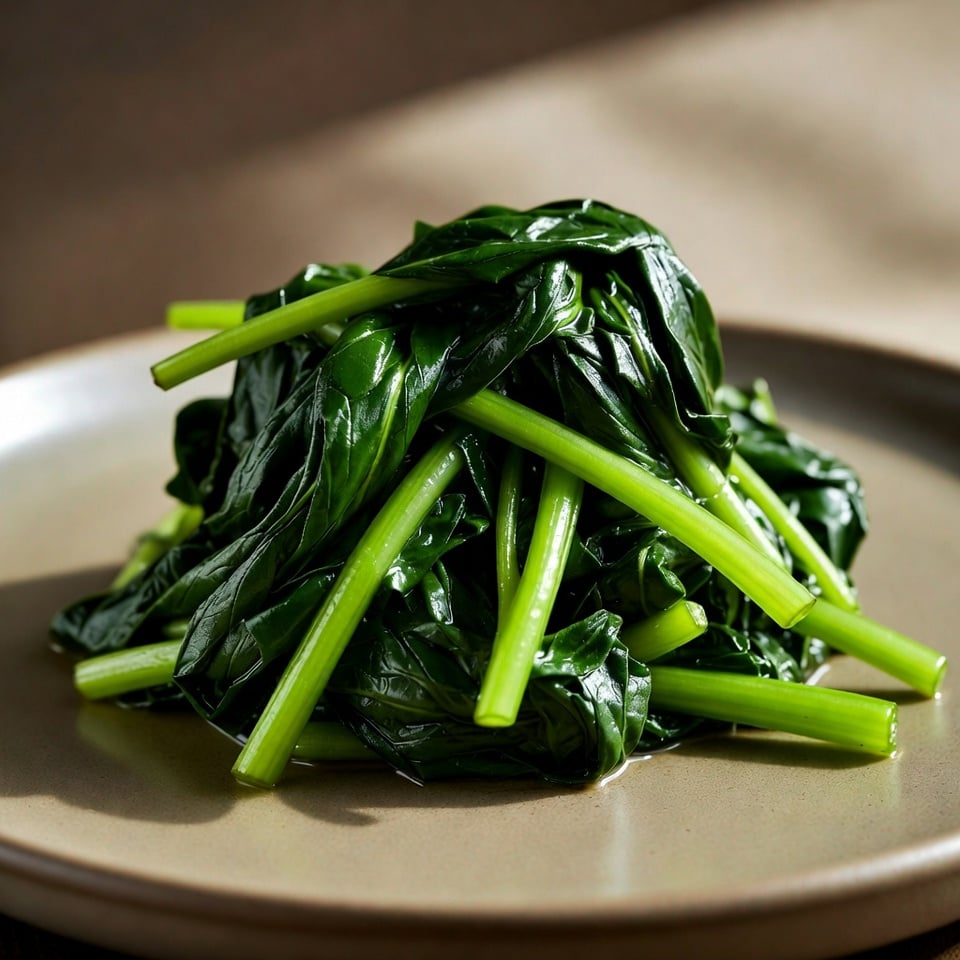
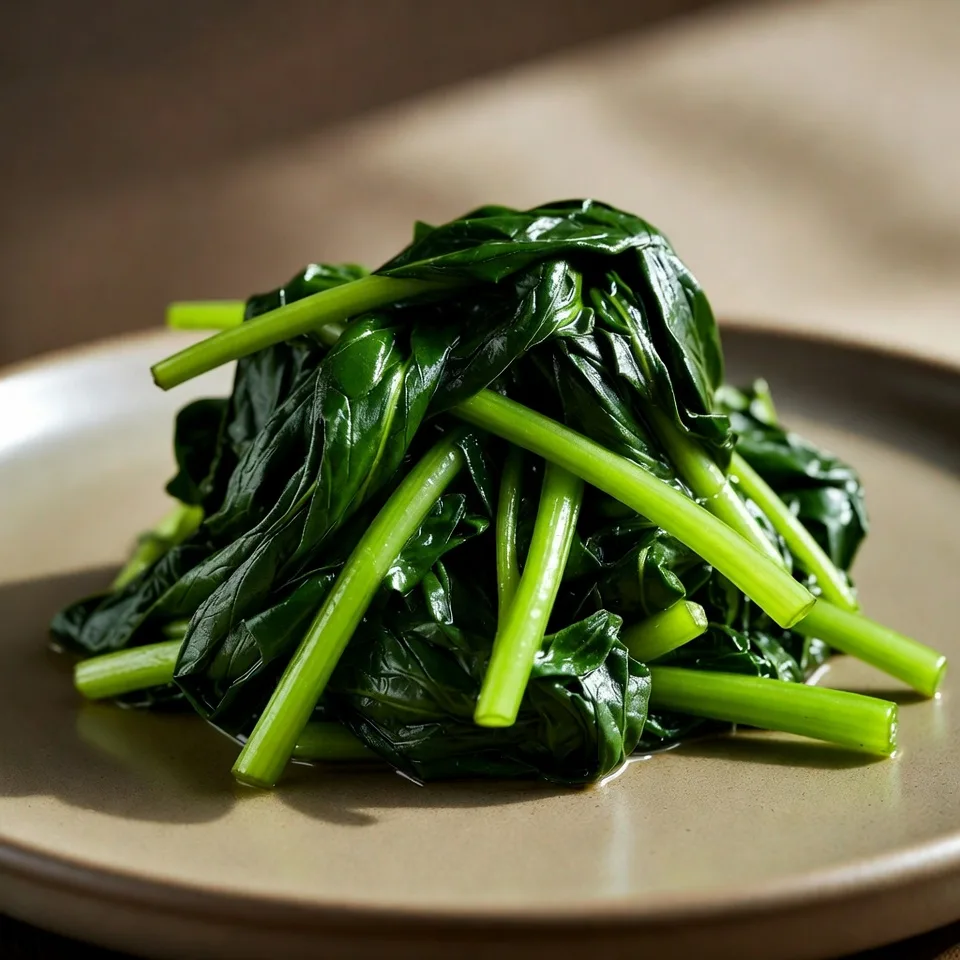
If raw salads feel heavy, lightly cooked greens still work. Sautéed, steamed, or folded into soups, they all count.
Sometimes your gut prefers warm food. That’s not weakness; it’s wisdom.
10. Pears (Gentler Than You Expect)
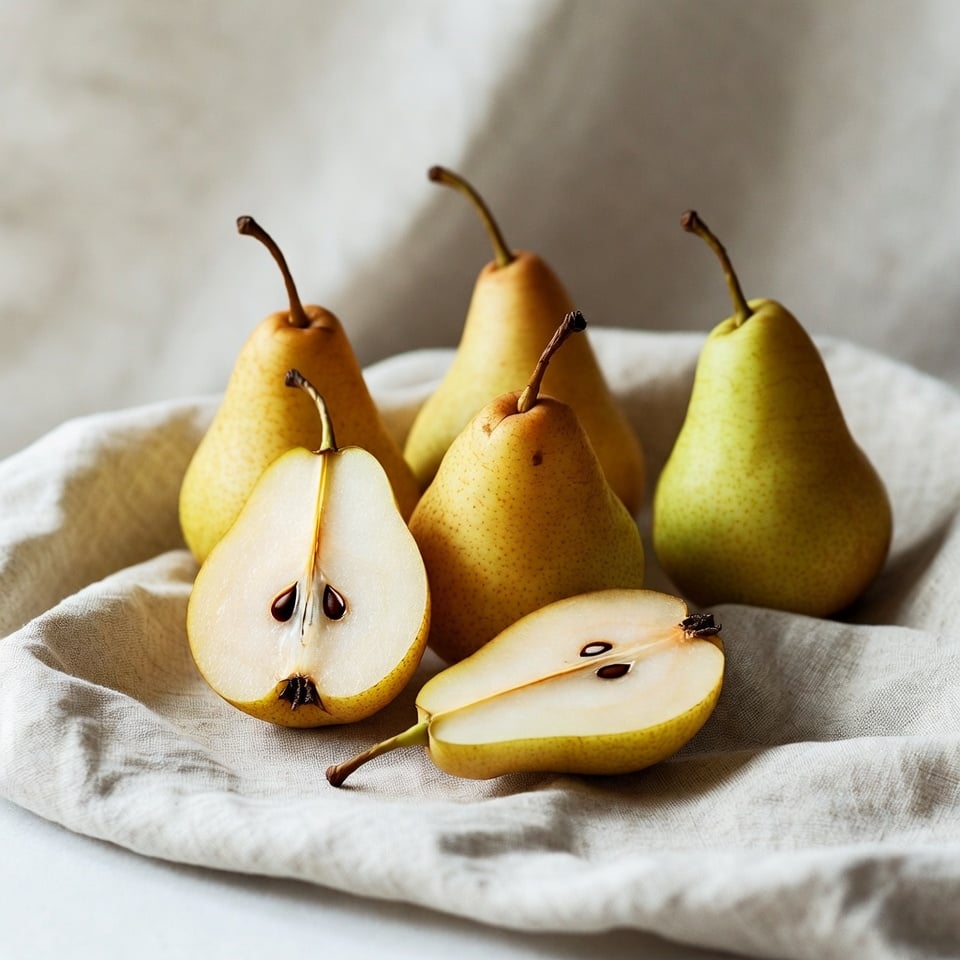
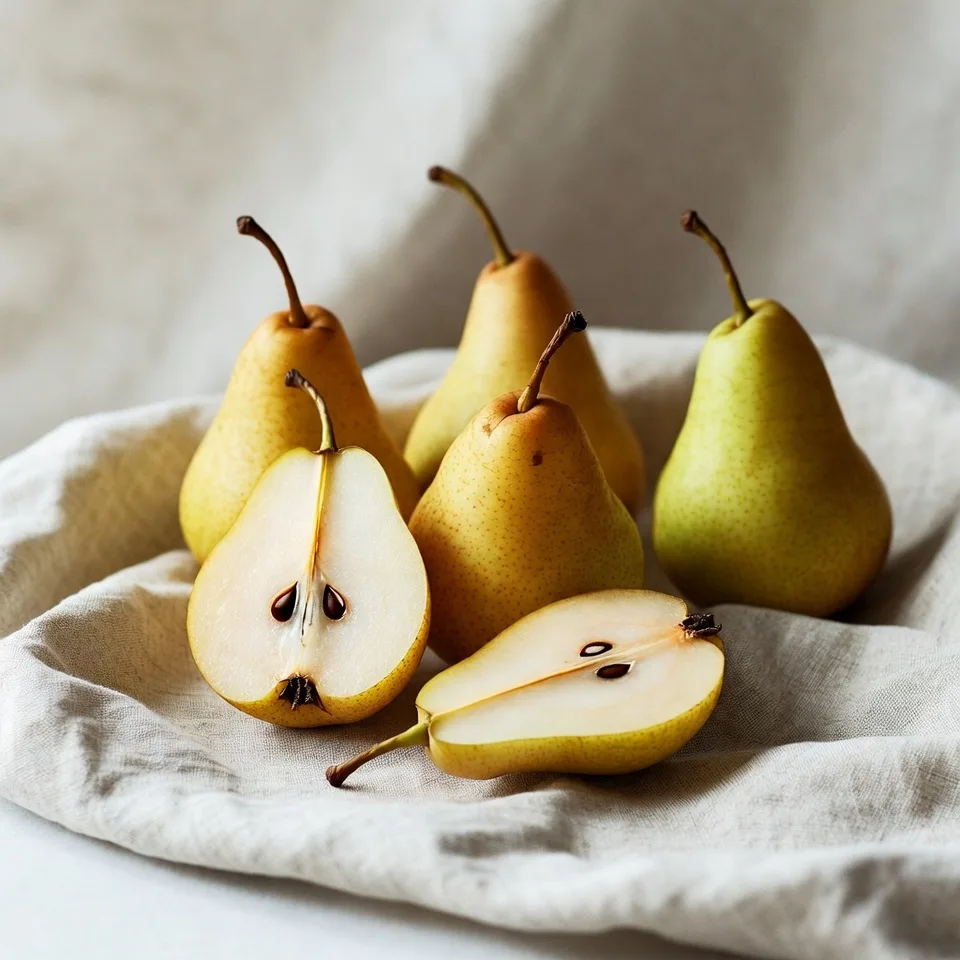
Pears contain both fiber and sorbitol, similar to prunes but milder.
They’re especially helpful for people who feel backed up but sensitive. Eat them fresh or baked if raw fruit feels harsh.
11. Yogurt with Live Cultures
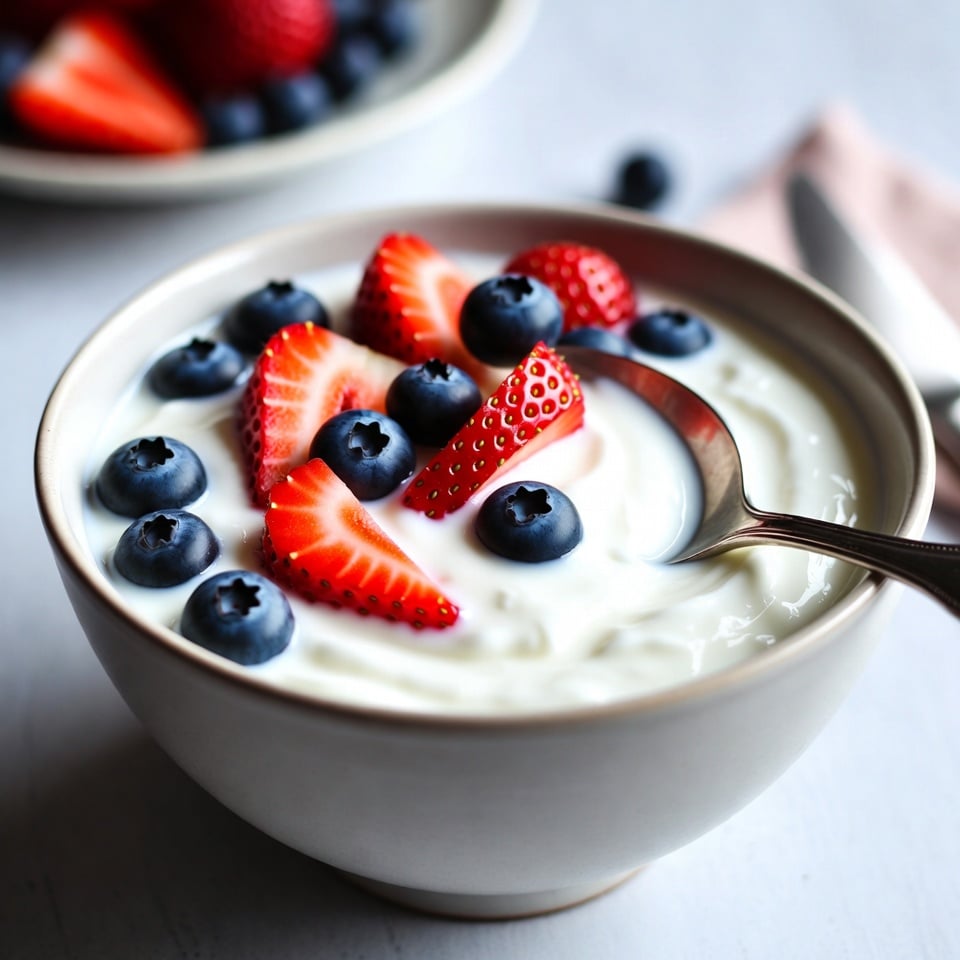
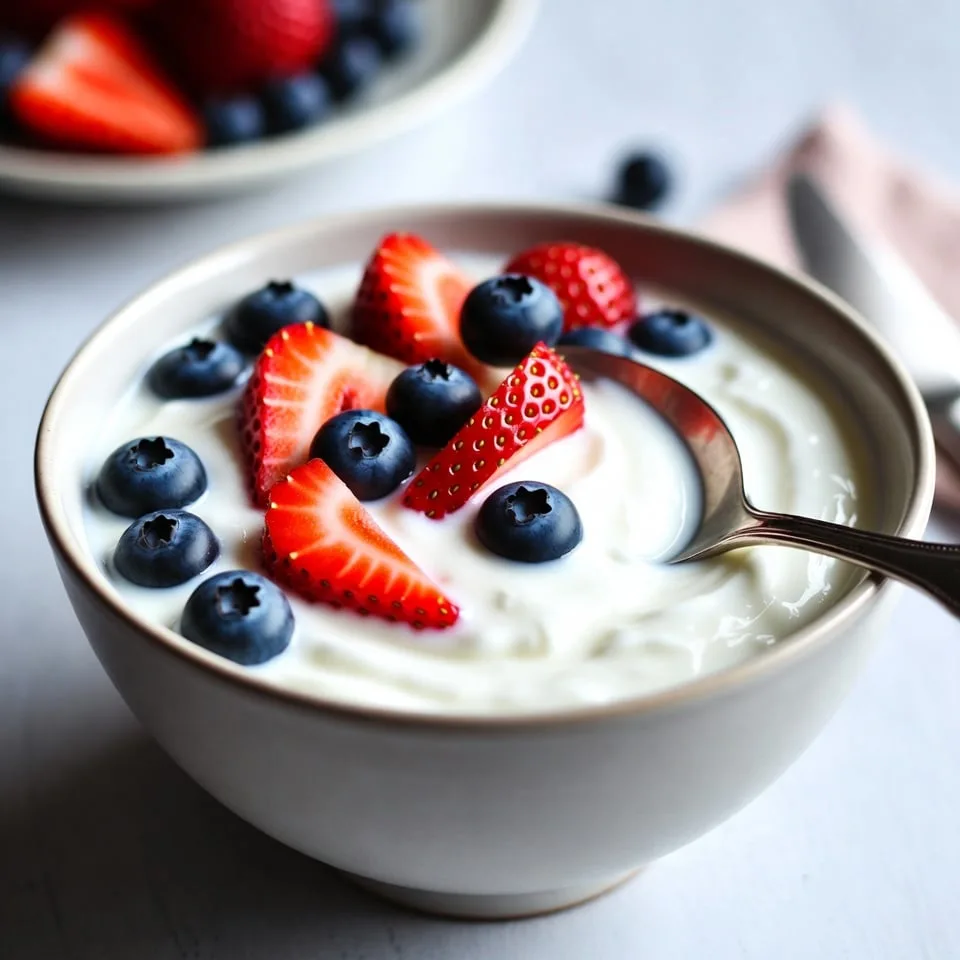
Constipation isn’t always about fiber alone. Sometimes gut bacteria play a role.
Yogurt with live cultures can help rebalance digestion, making stools more regular over time.
Unsweetened is best. Add fruit yourself if you want flavor.
12. Brown Rice (When White Rice Slows You Down)
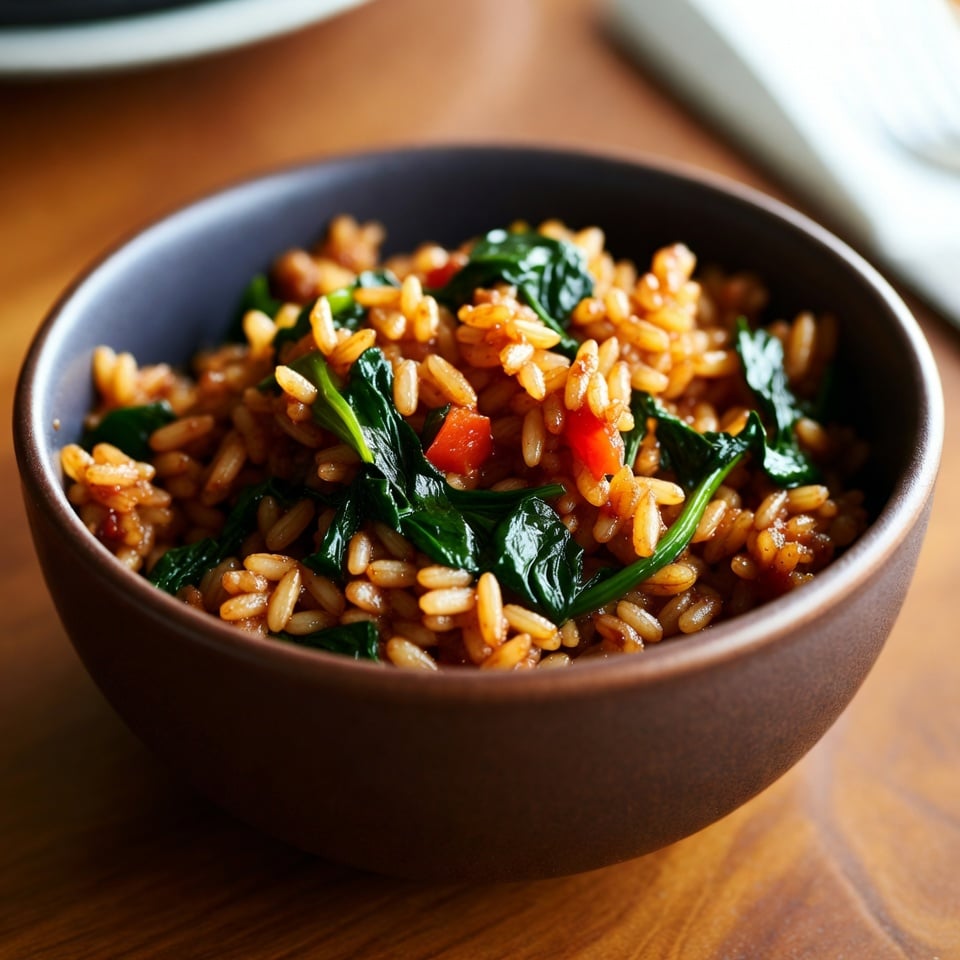
White rice can firm things up. Brown rice adds fiber back into the picture.
It’s not flashy, but it’s dependable, especially when paired with vegetables and adequate fluids.
13. Figs (Fresh or Dried)
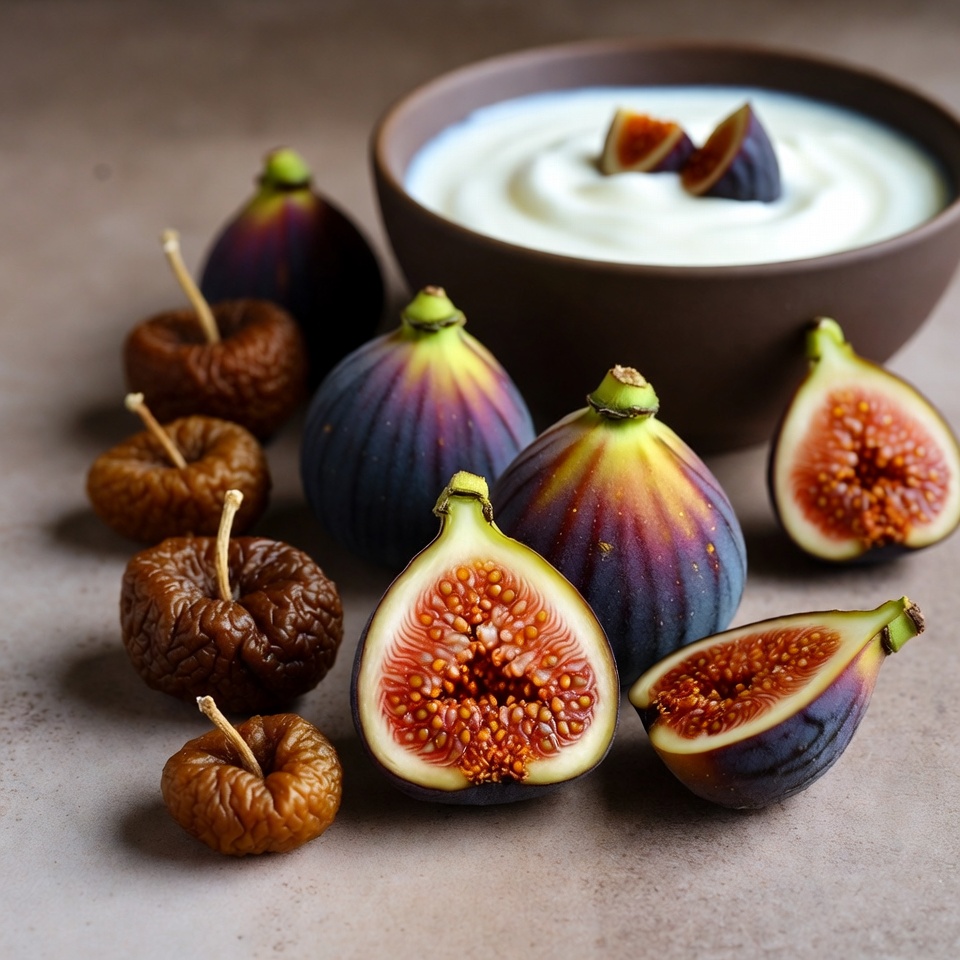
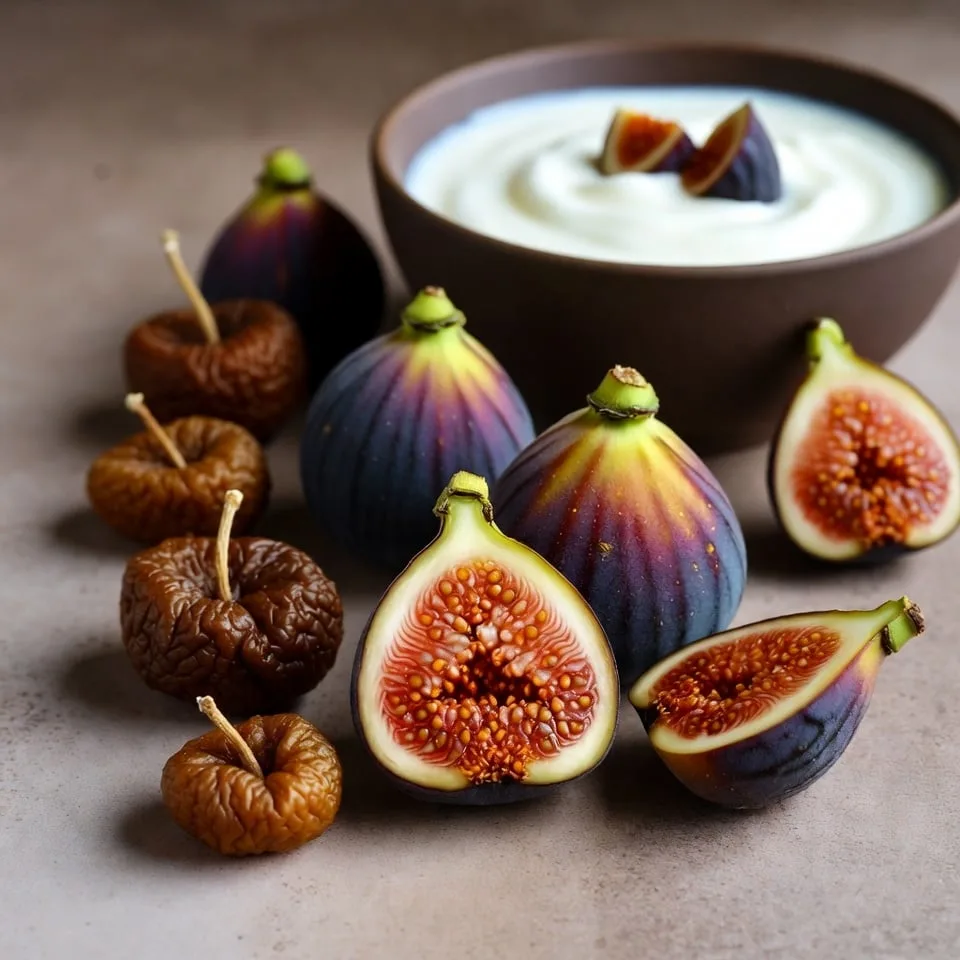
Figs are rich in fiber and have a mild laxative effect for some people.
Dried figs are more concentrated, so portion size matters. One or two is often enough.
They’re sweet, soft, and easier to enjoy than people expect.
14. Avocado (Healthy Fats Matter Too)
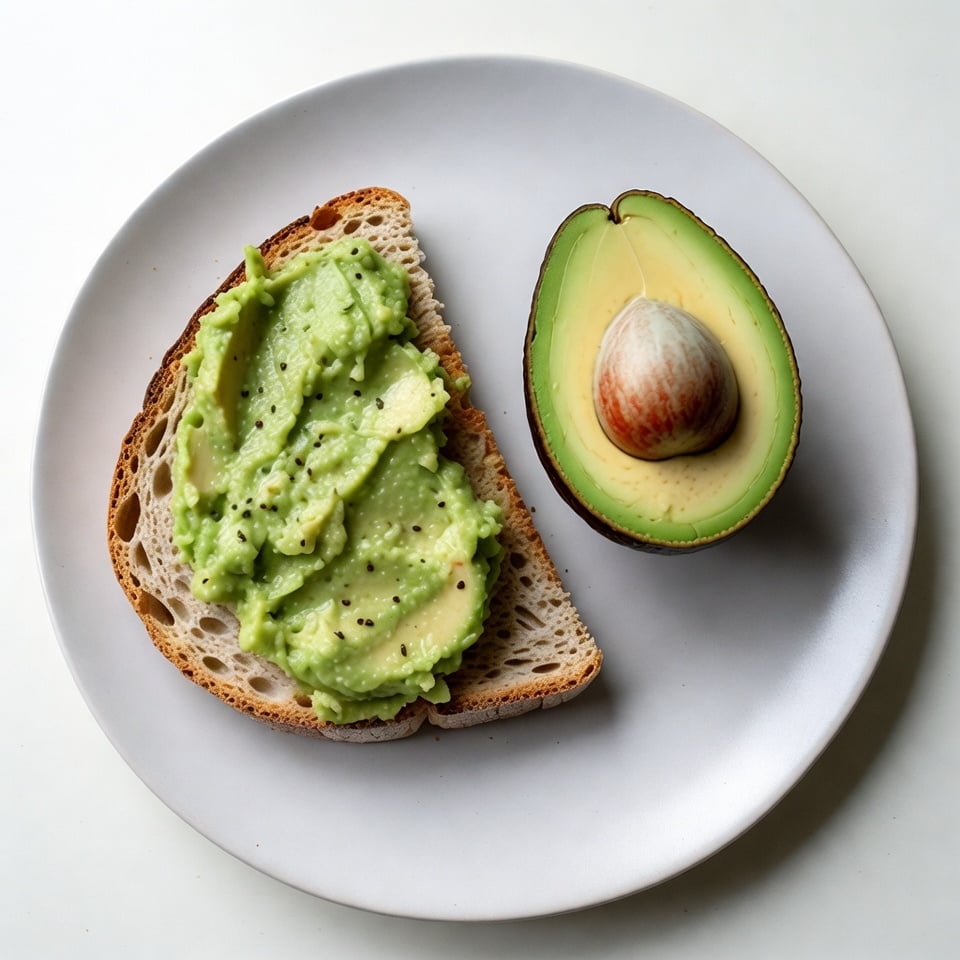
Avocados contain fiber and healthy fats, which help lubricate digestion.
They’re especially useful when constipation feels dry or hard to pass. Add avocado to toast, salads, or meals you already enjoy.
15. Warm Liquids (Not a Food, But Essential)

This one sneaks onto the list because it works.
Warm water, herbal tea, or coffee can stimulate the gastrocolic reflex, the body’s natural signal to go.
Morning is often the best time. Sit. Breathe. Don’t rush it.
“What If I’m Eating Fiber and Still Constipated?”
Here’s the mild contradiction I promised earlier: sometimes too much fiber too fast makes constipation worse.
If you’re bloated, uncomfortable, or backed up despite eating “all the right foods,” you may need to:
- Increase water first
- Reduce fiber temporarily
- Focus on cooked foods
- Slow down while eating
Digestion likes rhythm. Not pressure.
A Final Thought (Because This Matters)
Constipation isn’t a moral issue. It’s not about discipline or willpower.
It’s about listening to your body, feeding it regularly, and giving it what it needs to move at its own pace.
Food helps. Gently. Consistently. Over time.
And that’s usually enough.