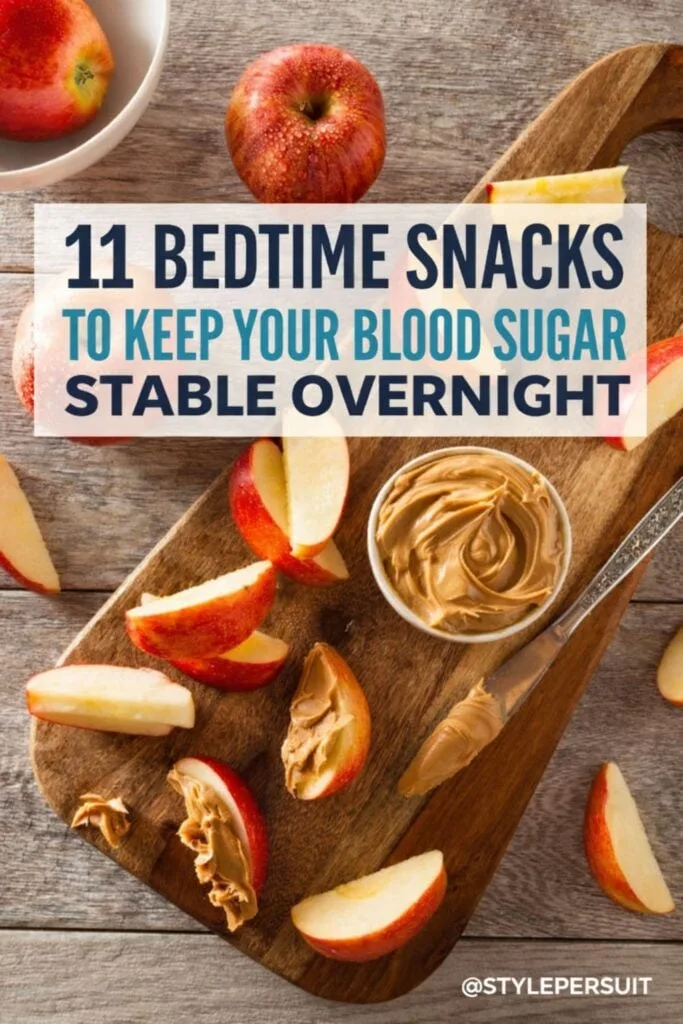
There’s something oddly comforting about a little bedtime snack, a few bites before pulling the covers up, the kitchen light dimmed, maybe even a quiet TV hum in the background.
But if you have diabetes, that comfort can come with a question mark: “Is this going to mess up my blood sugar overnight?”
That small thought is enough to turn a late-night snack into a mini math problem.
How many carbs are in that yogurt? Will peanut butter be too heavy? Should you even be eating this late at all?
Here’s the truth — a bedtime snack isn’t automatically good or bad. It depends on what you eat, when you eat it, and how your body responds.
For some people with diabetes, a small, balanced snack before bed helps prevent blood sugar drops overnight. For others, it may just mean extra calories and a morning glucose spike.
So the trick is not avoiding snacks altogether, it’s choosing smarter ones. Snacks that stabilize blood sugar instead of sabotaging it.
Foods that help you sleep better, keep your metabolism steady, and still feel satisfying enough to end the day on a calm note.
In this guide, we’ll talk about:
- Why bedtime snacks can actually help people with diabetes
- What kinds of foods keep your blood sugar stable overnight
- Smart, simple snack ideas (that taste good and don’t require a kitchen marathon)
- How timing, portion size, and routine make all the difference
Why a Bedtime Snack Even Matters for Diabetes
Let’s start with a simple question, why even bother with a bedtime snack? Isn’t late-night eating something everyone warns you about?
For most people, it’s true: eating too close to bedtime can cause heartburn, disrupt sleep, or add extra calories that don’t get burned.
But for someone living with diabetes, it’s not always that black and white. Sometimes, a little snack before bed is exactly what your body needs.
Here’s why, blood sugar levels naturally fluctuate overnight. While you sleep, your body keeps working: it releases glucose from your liver to maintain energy and fuel vital functions.
But if you’ve taken insulin or certain diabetes medications earlier in the day, your blood sugar can sometimes dip too low while you’re asleep, that’s called nocturnal hypoglycemia.
This can leave you waking up in the middle of the night sweaty, shaky, or with your heart racing.
Or worse, you might sleep through it and wake up feeling drained, foggy, or unusually hungry, all signs that your blood sugar dropped overnight and your body fought to balance it back out.
A balanced bedtime snack can help prevent that. Think of it like giving your body a steady, gentle fuel source while you sleep, something with protein, healthy fat, and complex carbs to keep glucose levels stable through the night.
But it’s not just about preventing lows. Some people experience the opposite, the dawn phenomenon, where blood sugar rises early in the morning, even without eating.
This happens when hormones like cortisol and growth hormone nudge your liver to release glucose. For some, a small protein-rich snack at night can actually tame that early morning rise.
So, a bedtime snack isn’t a “rule” — it’s more like a tool. A way to support stable blood sugar while keeping your sleep peaceful and uninterrupted.
What to Aim for (and What to Avoid) in a Bedtime Snack
If there’s one thing that can make or break your nighttime blood sugar, it’s what you choose to snack on.
A handful of chips before bed? Probably not your best move. But a few spoonfuls of Greek yogurt with almonds?
That’s a very different story.
The goal isn’t to eat more, it’s to eat smart. You want a snack that supports your body’s overnight rhythm without triggering a glucose spike or crash.
Think of it like keeping your blood sugar on “cruise control” while you sleep.
Here’s a simple way to look at it: your ideal bedtime snack should include protein, healthy fat, and a touch of slow-digesting carbs.
Together, they give your body a steady trickle of energy through the night, not a sugar rush that fizzles out by midnight.
Let’s break that down a little more clearly.
What to Aim For
- Protein + Healthy Fat Combo: This is your best friend at night. Foods like Greek yogurt, cheese, nuts, or a boiled egg help slow down digestion and prevent sugar spikes.
- Slow Carbs: Not all carbs are the enemy. Go for those that digest gradually, such as oatmeal, berries, or a few whole-grain crackers. They help balance your energy levels.
- Fibre-Rich Choices: Fibre keeps your blood sugar from swinging up and down too quickly. You can get it from fruits like apples or pears (with skin), vegetables, and seeds.
- Small Portions: This one’s big. You don’t need a meal, just a small serving (around 15–30 grams of carbs, or roughly 150 calories). Enough to stabilize, not overload.
- Hydration: It’s easy to confuse thirst with hunger, especially at night. Sip a bit of water or herbal tea before reaching for food.
Here’s a quick example of a balanced combo:
Half a cup of cottage cheese topped with a tablespoon of chia seeds and a few blueberries.
That’s protein, healthy fat, and fibre, all in one simple bowl.
What to Avoid (Or Keep Rare)
- Sugary or Refined Snacks: Cookies, candy, sweet cereal, or ice cream might feel comforting, but they raise your blood sugar fast, then drop it just as quickly.
- Heavy, Greasy Foods: Fried snacks or full-fat desserts can upset digestion and disrupt sleep. You’ll wake up groggy and possibly higher in glucose.
- Too Many Carbs: Even healthy carbs can work against you if you overdo it. Stick to the small range and focus on balance.
- Late-Night Overeating: Eating too much right before bed can affect insulin sensitivity. Your body’s slower metabolism at night means extra calories are easily stored, not burned.
- Empty Snacks (No Protein): If your snack is all carbs, you’ll likely wake up hungry — or with higher blood sugar.
If you ever feel caught between hunger and guilt, that “Should I really be eating right now?” moment, remember: balance over restriction.
A bedtime snack isn’t meant to feel like cheating. It’s more like maintenance for your system.
Your body isn’t asking for dessert; it’s asking for support.
Top Smart Snack Choices (That Actually Taste Good)
Here’s the part everyone loves, the actual food. Because if a “healthy bedtime snack” feels like punishment, no one’s sticking to it.
The trick is finding foods that feel comforting, taste good, and keep your blood sugar steady through the night.
You don’t need a long ingredient list or fancy prep either. Just a few everyday things from your kitchen (or Amazon pantry shelf) can make all the difference.
Let’s go through some realistic options, snacks that are simple, satisfying, and diabetes-friendly.
1. Greek Yogurt with Berries and Almonds

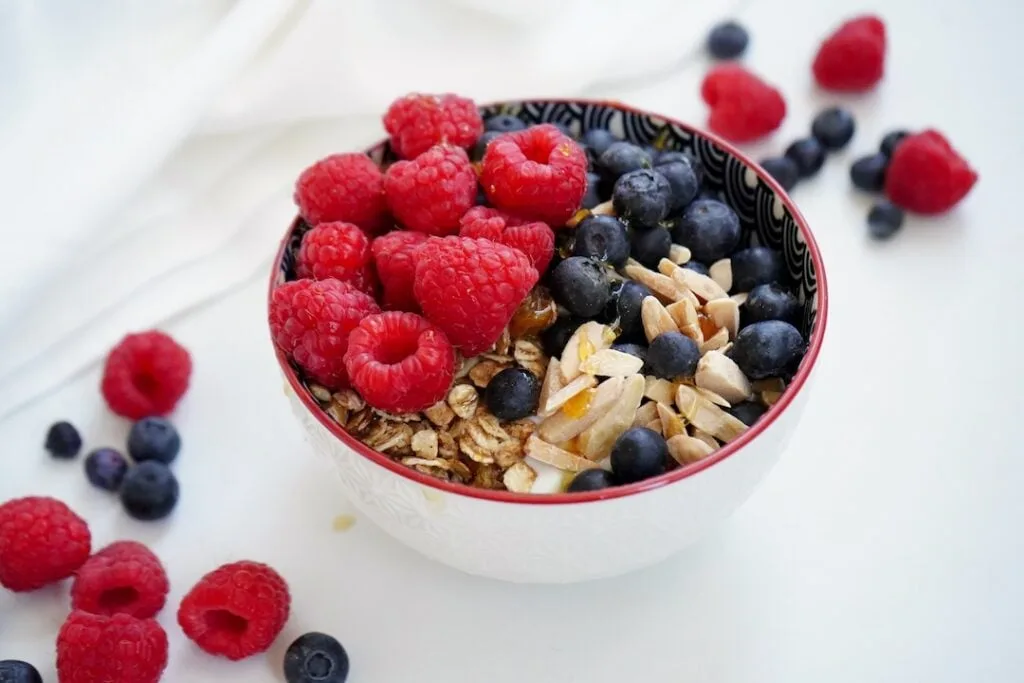
You’ll need:
- ½ cup plain Greek yogurt (unsweetened)
- A small handful of fresh or frozen berries
- 5–6 almonds or walnut halves
Why it works:
Greek yogurt gives you a protein punch and calcium; berries add antioxidants and light sweetness without the sugar crash; nuts bring healthy fats that slow digestion.
Together, they help stabilize glucose overnight and curb midnight hunger.
It’s refreshing, filling, and takes 60 seconds to make.
Tip: Go for plain or low-sugar yogurt — flavored ones often have more added sugar than a dessert.
2. Apple Slices with Peanut Butter
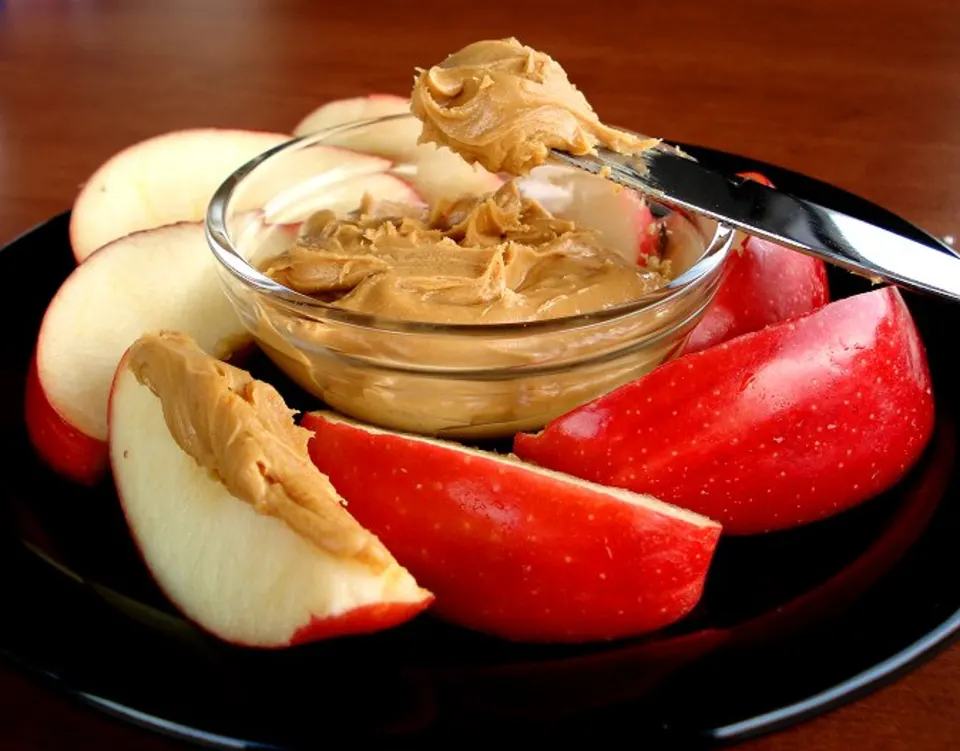
You’ll need:
- ½ apple (thinly sliced, skin on for fibre)
- 1 tablespoon natural peanut or almond butter
Why it works:
This combo’s a classic for a reason — the crunch of apple and the creaminess of peanut butter create a satisfying balance.
The apple’s fibre slows sugar absorption, and the healthy fats in peanut butter keep you full longer.
You can find natural peanut butter (no sugar added) on Amazon.
Tip: Measure out the peanut butter before you start eating. It’s way too easy to double-dip when it tastes this good.
3. Boiled Egg with Whole-Grain Crackers
You’ll need:
- 1–2 boiled eggs
- 3–5 whole-grain crackers
Why it works:
Eggs are pure protein with almost no carbs, which makes them great for stabilizing glucose. The crackers provide just enough carbs to keep you from going too low.
Tip: Prep boiled eggs ahead for the week. Late-night convenience is half the battle.
4. Veggies with Hummus
You’ll need:
- ½ cup sliced carrots, celery, or cucumber
- 2 tablespoons hummus
Why it works:
It’s light, crunchy, and rich in fibre. The hummus adds plant-based protein and healthy fat.
It’s one of those snacks that feels like “I’m eating clean” but still hits the craving spot.
Tip: Keep pre-cut veggies in the fridge so you can snack without thinking.
5. Cottage Cheese with Flax or Chia Seeds

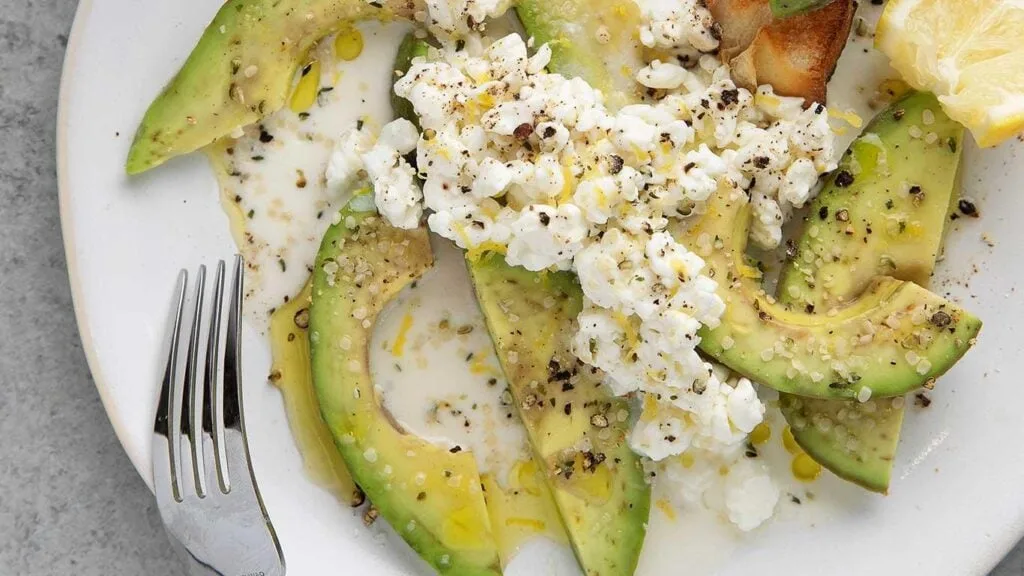
You’ll need:
- ½ cup low-fat cottage cheese
- 1 tablespoon flaxseed or chia
- Optional: a few raspberries
Why it works:
Cottage cheese offers slow-digesting casein protein that helps sustain blood sugar stability through the night.
Flax and chia add fibre and omega-3 fats. It’s creamy, satisfying, and nutrient-rich.
Tip: Mix seeds in just before eating chia thickens fast if you leave it sitting too long.
6. Cheese Stick or Sliced Cheese with Whole-Grain Bread
You’ll need:
- 1 low-fat cheese stick or 1 slice of cheddar
- 1 slice whole-grain bread or 3 whole-grain crackers
Why it works:
Protein and calcium from cheese + complex carbs from grains = steady energy flow, not blood sugar swings.
Tip: If you’re hungry but not starving, half this portion is plenty.
When and How Much: Timing, Portion Size, and Personal Tweaks
Even the healthiest snack can work against you if you eat it at the wrong time or in the wrong amount.
So let’s talk about the part most people skip, timing and portion control.
Think of your bedtime snack as a gentle nudge for your metabolism, not a full meal.
The goal isn’t to fill up, it’s to stabilize, to keep blood sugar from dipping too low or creeping too high while you sleep.
When to Snack Before Bed
Your body needs a little time to digest before sleep. Eating right as you turn off the lights can lead to bloating, heartburn, or restless sleep.
Here’s a simple timing guide:
- Ideal window: About 30–60 minutes before bed.
That’s enough time for your snack to digest partially, so it can release energy gradually through the night. - If you take insulin or glucose-lowering medication:
Some people benefit from eating closer to bedtime, especially if they’ve had low readings before. Always check with your healthcare provider — your medication timing can change how your body reacts to food overnight. - If you eat dinner late:
You may not need a bedtime snack at all. The best way to know? Track your blood sugar in the morning for a few days. If it stays steady and you wake up feeling fine, you’re good. If it’s low or unusually high, a small nighttime snack might help balance things out.
And here’s a small but real detail: digestion slows down during sleep. That means big or heavy snacks can linger in your stomach and mess with how deeply you rest. Think “light and balanced,” not “late-night buffet.”
How Much Is Just Enough?
You don’t need to overthink grams or calories, but having a loose guideline helps:
- Aim for about 15–30 grams of carbs per snack (that’s one small piece of fruit, half a cup of Greek yogurt, or three to five whole-grain crackers).
- Include at least 5–10 grams of protein, that’s what helps keep your blood sugar from dipping.
- Keep total calories around 150–200, depending on your needs and whether you’ve exercised or eaten lightly during the day.
Personal Tweaks That Matter
- Track your mornings. If your fasting blood sugar is consistently high, your bedtime snack might be too carb-heavy.
- If you wake up shaky or hungry, your snack may need more protein or healthy fat.
- Experiment with timing. Some people feel better eating right before bed; others need at least 45 minutes.
- Notice your sleep. If a certain snack makes you bloated or restless, switch it up. Sometimes it’s not the carbs, it’s just what your stomach tolerates at night.
- Drink water. Dehydration can raise blood sugar slightly and mimic hunger.
And just to keep it real, the goal isn’t to be perfect every night. Some days you’ll eat early, others you’ll forget and grab a handful of nuts before bed.
What matters is consistency over time, not precision in one night.
Common Snack Mistakes (and How to Fix Them)
Everyone knows the feeling, you swear you’re just going to have a small snack, and suddenly the TV show’s halfway through, the bag of chips is empty, and you’re wondering what just happened.
It’s not lack of willpower, it’s habit, timing, and sometimes just plain exhaustion.
When it comes to managing diabetes, a few small mistakes at bedtime can throw off your blood sugar more than you realize. But the good news? Every one of them has an easy fix.
Let’s go through a few of the most common ones.
Mistake #1: Grabbing Sugary Snacks Out of Habit
You’ve had a long day, and the craving hits — maybe it’s ice cream, cookies, or a piece of chocolate cake. The sugar feels comforting for a minute, but later you’re restless, and your blood sugar’s bouncing like a pinball.
Why it happens: Late-night sugar cravings are often triggered by fatigue, stress, or a small blood sugar dip. Your body wants quick energy.
How to fix it:
- Keep something ready and visible that’s a better choice — like a cup of yogurt or a pre-portioned apple and nut butter combo.
- Store sweets in a place you don’t automatically look. Out of sight, out of mind works better than you’d think.
Amazon find: Use snack-size storage containers to prep healthy alternatives before bedtime.
Mistake #2: Eating Too Close to Bedtime
It’s easy to snack while scrolling in bed, but that habit can make you wake up bloated or groggy. Your body digests slower when you lie down, which can lead to reflux and higher fasting glucose by morning.
Fix it:
Try to finish your snack at least 30–45 minutes before sleep. Sit upright during that time — maybe read, tidy the kitchen, or prep tomorrow’s breakfast. Small habit, big difference.
Mistake #3: Overdoing “Healthy” Snacks
Almonds are great. Peanut butter’s great. But half a jar or three handfuls? Not so great. Even nutritious foods can spike your calories and affect your morning glucose if portion sizes creep up.
Fix it:
Use the palm of your hand or small bowls to portion snacks.
- Nuts: One small handful (~1 oz)
- Nut butter: One tablespoon
- Crackers: 3–5 pieces
- Greek yogurt: Half a cup
Amazon find: Portion control plates are surprisingly helpful when you don’t want to think about measuring.
Mistake #4: Choosing Only Carbs
A banana or a slice of toast alone might feel “light,” but without protein or fat, your blood sugar can rise quickly, then drop in the middle of the night.
Fix it:
Add balance. Pair carbs with protein or fat — like banana + almond butter, or toast + boiled egg. It slows digestion and keeps you steady while you sleep.
Mistake #5: Skipping Snacks When You Actually Need Them
Some people avoid bedtime snacks altogether out of fear of “eating too late.” But if your blood sugar tends to drop overnight or you wake up dizzy or hungry, skipping isn’t doing you any favors.
Fix it:
If you regularly experience low morning readings or restless nights, try adding a light protein-based snack before bed — cottage cheese, Greek yogurt, or a boiled egg.
Test your morning glucose for a week and see if it improves.
Mistake #6: Ignoring Patterns
One random night of highs or lows doesn’t say much — but if it’s happening regularly, there’s a pattern. The issue might not be your snack at all; it could be dinner timing, exercise, or medication.
Fix it:
Keep a small log: note your bedtime, snack, and morning blood sugar for a week. Patterns pop out quickly when you write them down.
You can even use simple sticky notes or a small blood sugar journal notebook — whatever helps you stay consistent.
Here’s the takeaway: most nighttime snacking problems aren’t about what you eat — they’re about how and when.
A bedtime snack should support your rest, not sabotage it. With a few tweaks, those late-night bites can actually become part of your diabetes management routine — not something you feel guilty about.