Skip to Content

How to Get Rid of Yellow Teeth: Causes, Remedies and Whitening Options

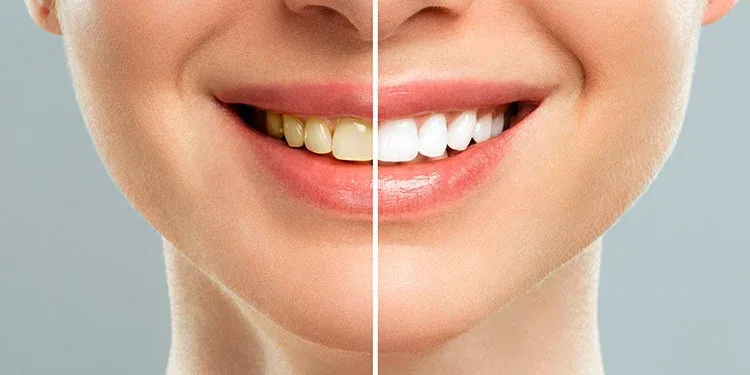
Yellow teeth can be frustrating, especially when you brush every day and still feel like your smile looks dull.

The first thing to know is that yellow teeth are not always dirty teeth. Some discoloration comes from coffee, tea, smoking, plaque or tartar. Other yellowing comes from naturally thin enamel, aging, medication or changes inside the tooth.

That is why the best way to get rid of yellow teeth depends on the cause.

Whitening toothpaste and baking soda may help with mild surface stains. Hydrogen-peroxide strips and whitening trays may create a more noticeable color change. But when tartar, decay, gum problems or one dark tooth is involved, home whitening may not solve the real problem.

This guide explains what causes yellow teeth, which remedies may help, what products are worth considering and when to see a dentist.

Affiliate disclosure: This article contains Amazon affiliate links. StylePersuit may earn a commission from qualifying purchases at no additional cost to you.

Quick Answer

To improve yellow teeth at home:

  • Brush twice daily with fluoride toothpaste.
  • Clean between your teeth every day.
  • Use whitening toothpaste for surface stains.
  • Consider peroxide-based whitening strips for stronger whitening.
  • Use baking soda only gently and occasionally.
  • Reduce coffee, tea and tobacco staining.
  • Have tartar removed professionally.
  • See a dentist if one tooth is darker, painful or damaged.

Whitening works best on natural teeth with surface or mild internal discoloration. It does not change the color of crowns, veneers, implants, bonding or tooth-colored fillings.

Cause of yellow teethBest first stepWhat to expect
Coffee or tea stainsWhitening toothpaste or stripsGradual brightening
Plaque buildupBetter brushing and flossingCleaner-looking teeth
TartarProfessional cleaningSurface deposits removed
Natural tooth colorPeroxide whitening may helpResults vary
Thin enamelProfessional adviceWhitening may be limited
One dark toothDental examinationCause must be identified
Crowns or fillingsDentist consultationRestorations will not whiten

Why Are My Teeth Yellow?

Coffee, tea and dark foods

Coffee, black tea, red wine, cola, berries and dark sauces can leave colored compounds on the enamel.

These external stains often respond better to whitening toothpaste, professional cleaning or whitening strips than discoloration that begins inside the tooth.

Read our full guide to stained teeth or learn how to remove coffee stains from teeth.

Plaque and tartar

Plaque can make teeth look dull or yellow.

When plaque hardens into tartar, brushing cannot remove it completely. Trying to scrape tartar at home can damage your gums or tooth surface.

Read how to remove tartar from teeth safely.

Natural tooth color

Healthy teeth are not always bright white.

The dentin beneath the enamel naturally has a yellow tone. If your enamel is thin or translucent, more of that color may show through.

Aging

As enamel becomes thinner with age, the yellow dentin underneath may become more visible. Years of coffee, tea, tobacco and food stains can also deepen discoloration.

Smoking and tobacco

Tobacco commonly causes yellow or brown surface stains and can also affect gum health. (Ada)

Medication or dental injury

Some medications, tooth-development conditions and dental injuries can cause discoloration inside a tooth.

A single tooth that suddenly becomes gray or dark should be examined by a dentist rather than repeatedly whitened.

Poor Dental Hygiene

Not brushing and flossing regularly can lead to plaque buildup, which can stain teeth and cause them to appear yellow.

Trauma

Injury to the teeth can cause them to react by laying down more dentin, which can darken the teeth from the inside.

Fluorosis

Excessive fluoride intake during tooth development (usually in childhood) can lead to fluorosis, which causes yellow or brownish spots on the teeth.

Poor Oral Habits

Using your teeth to open packages or biting on hard objects can wear down enamel and contribute to yellowing.

How Long Does Yellow Teeth Take to Turn White?

According to experts, it can take up to 2 weeks for yellow teeth to become white, depending on the strength of the bleaching agent and how long it’s applied.

However, the effectiveness of the whitening method matters; over-the-counter products usually only lighten teeth by 1 or 2 shades.

The good news is, you don’t have to hide your smile anymore. Smiling is universal and a friendly gesture across all cultures. If you’re not happy with the color of your teeth, you can make them whiter and brighter, bidding farewell to those yellow stains.

Stay tuned to learn about various whitening options and how you can regain your confidence with a brighter smile.

    1. Improve Your Brushing Routine

    Before buying whitening products, make sure plaque is not causing the dull appearance.

    Brush twice daily for approximately two minutes with fluoride toothpaste. Use a soft-bristled toothbrush and gentle pressure.

    Also clean between your teeth every day. A toothbrush cannot reach every surface.

    Our teeth-brushing guide explains proper technique, while these oral-hygiene tips cover the full routine.

    Amazon toothbrush options

    See Oral-B Pro 1000 electric toothbrush options on Amazon

    See Philips Sonicare 4100 toothbrush options on Amazon

    A powered toothbrush may help people who rush or struggle to clean evenly, but a manual brush can also work well when used correctly.

    2. Use Whitening Toothpaste

    Whitening toothpaste can gradually remove mild external stains from coffee, tea, food and tobacco.

    It does not usually bleach deep tooth color. Instead, it uses polishing ingredients to lift discoloration from the enamel surface.

    Choose a fluoride whitening toothpaste and follow the label directions.

    Amazon toothpaste options

    See Crest 3D White toothpaste options on Amazon

    See Arm & Hammer Advance White toothpaste on Amazon

    See Sensodyne Pronamel Gentle Whitening on Amazon

    For a wider comparison, read our guide to teeth-whitening products.

    3. Try Baking Soda for Surface Stains

    Baking soda is mildly abrasive, so it may help polish away some surface discoloration.

    Baking soda and water method

    Mix:

    • 1 teaspoon baking soda
    • Approximately 2 teaspoons water

    Apply a small amount to a soft toothbrush and brush gently for about one minute.

    Rinse thoroughly afterward and continue using fluoride toothpaste as your normal daily toothpaste.

    Use this homemade paste only occasionally, not several times a day.

    Baking soda may help with coffee, tea and plaque-related stains, but it will not bleach deep discoloration or whiten dental restorations.

    Read how to use baking soda for teeth whitening.

    Avoid mixing baking soda with:

    • Lemon juice
    • Apple cider vinegar
    • Coarse salt
    • Charcoal
    • Household bleach

    Acids can soften enamel, while abrasive scrubbing may increase wear.

    4. Use Hydrogen-Peroxide Whitening Products Carefully

    Hydrogen peroxide is a common active ingredient in whitening strips, gels and dentist-supervised trays.

    Unlike toothpaste, which mainly removes surface stains, peroxide breaks down darker stain molecules and may lighten natural teeth more noticeably.

    The safer approach is to choose a product formulated specifically for teeth rather than making a strong homemade rinse.

    Hydrogen-peroxide options include:

    • Whitening strips
    • Whitening gels
    • Whitening pens
    • Whitening trays
    • Some whitening mouthwashes

    Follow the product directions exactly.

    Do not use concentrated or industrial peroxide, and do not leave whitening gel on longer than directed.

    Read our complete guide to hydrogen peroxide for teeth whitening.

    Amazon peroxide-whitening options

    See hydrogen-peroxide whitening strips on Amazon

    See hydrogen-peroxide whitening gels on Amazon

    See Crest 3D Whitestrips on Amazon

    Temporary sensitivity and gum irritation are among the most common side effects of peroxide whitening. (nhs.uk)

    5. Consider Teeth-Whitening Strips

    Whitening strips are a convenient option for people who want more noticeable results than toothpaste usually provides.

    Apply them only for the time stated on the package. Do not double the treatment or leave them on longer in an attempt to speed up whitening.

    Read how to use teeth-whitening strips correctly.

    Amazon option

    Compare teeth-whitening strips on Amazon

    Strips may work unevenly on crowded or overlapping teeth because the material may not touch every surface.

    6. Compare Teeth-Whitening Kits

    Whitening kits may include gels, trays, pens, strips or LED mouthpieces.

    The whitening gel is usually more important than the light. Check the active ingredient, treatment time and sensitivity instructions before choosing.

    Avoid products promising permanent white teeth or dramatic results in minutes.

    Read our guide to teeth-whitening kits.

    Amazon options

    Compare teeth-whitening kits on Amazon

    See carbamide-peroxide whitening kits on Amazon

    7. Try Coconut Oil With Realistic Expectations

    Coconut oil pulling involves swishing edible coconut oil around your mouth before spitting it out.

    Some people enjoy the clean feeling, but coconut oil has not been shown to bleach natural teeth. It should not replace fluoride toothpaste, flossing or proven whitening products.

    Read how to whiten teeth with coconut oil.

    How to try it

    • Use approximately 1 tablespoon of edible coconut oil.
    • Swish gently rather than forcefully.
    • Stop if your jaw becomes tired.
    • Spit the oil into the trash, not the sink.
    • Brush normally afterward.

    Amazon option

    See organic virgin coconut oil on Amazon

    8. Have Tartar Removed Professionally

    If the yellow material around your teeth feels hard and does not brush away, it may be tartar rather than ordinary staining.

    Whitening toothpaste and strips cannot remove hardened tartar.

    A professional dental cleaning may make teeth look brighter by removing tartar and some surface staining.

    Do not scrape your teeth with metal tools.

    9. Reduce New Stains

    To help keep teeth looking whiter:

    • Rinse with water after coffee or tea.
    • Avoid slowly sipping dark drinks for several hours.
    • Use a straw for suitable cold beverages.
    • Stop smoking or using tobacco.
    • Brush twice daily.
    • Clean between the teeth.
    • Attend routine dental cleanings.
    • Drink water regularly.

    These habits will not bleach teeth, but they may help maintain whitening results.

    Popular Yellow-Teeth Remedies to Avoid

    Lemon juice

    Lemon juice is acidic and can contribute to enamel erosion.

    As enamel becomes thinner, more yellow dentin may show through.

    Apple cider vinegar

    Vinegar is also acidic and is not a dependable whitening treatment.

    Activated charcoal

    Evidence for safe and meaningful charcoal whitening is limited. Abrasive products may wear enamel and expose more yellow dentin. (Ada)

    Household bleach

    Never use household bleach in your mouth.

    Aggressive brushing

    Hard scrubbing does not bleach teeth and may damage the gumline or tooth surface.

    Why Are My Teeth Still Yellow After Whitening?

    Possible reasons include:

    • Your natural tooth color
    • Deep internal discoloration
    • Thin enamel
    • Tartar buildup
    • Uneven product contact
    • Crowns or fillings that do not whiten
    • Medication-related staining
    • A dental injury

    Whitening results also vary depending on the type of stain being treated. (Ada)

    Our planned guide to teeth-whitening before-and-after results will explain realistic outcomes by method.

    Yellow Teeth and Sensitivity

    Whitening can temporarily make teeth more sensitive to cold, heat, sweet foods or air.

    If your teeth are already sensitive:

    • Choose a gentler product.
    • Use toothpaste for sensitive teeth.
    • Do not combine whitening methods.
    • Follow the treatment time exactly.
    • Stop if pain becomes significant.

    Read teeth whitening for sensitive teeth and our guide to home remedies for tooth sensitivity.

    When to See a Dentist

    Arrange a dental examination if you have:

    • One tooth darker than the others
    • Tooth pain
    • Visible cavities
    • Cracked teeth
    • Bleeding gums
    • Severe sensitivity
    • Hard tartar buildup
    • Discoloration after an injury
    • White, brown or black spots
    • Crowns or veneers on visible teeth

    A dentist can determine whether professional cleaning, bleaching, bonding, veneers or another treatment is appropriate.

    Dentist-supervised whitening is generally more controlled, and custom mouthguard treatments may be used at home over several weeks. (nhs.uk)

    Frequently Asked Questions

    Can naturally yellow teeth become white?

    They may become lighter, but results depend on your natural tooth color, enamel thickness and the type of discoloration.

    What removes yellow stains from teeth?

    Whitening toothpaste, professional cleaning and peroxide-based whitening products may help, depending on the stain.

    Can baking soda remove yellow teeth?

    Baking soda may remove mild surface stains but cannot reliably bleach deep tooth color.

    Does hydrogen peroxide whiten yellow teeth?

    Properly formulated peroxide products may lighten natural teeth. Follow the directions and avoid concentrated homemade mixtures.

    Why are my teeth yellow even though I brush?

    Your natural tooth color, thin enamel, deep staining, aging, tartar or medication may be responsible.

    Can coconut oil remove yellow teeth?

    Coconut oil has not been shown to bleach teeth. It may be used as an optional ritual but should not replace normal oral care.

    How long does it take to whiten yellow teeth?

    Whitening toothpaste may take several weeks. Strips and trays may produce visible results over several applications or weeks.

    Can yellow crowns or fillings be whitened?

    No. Whitening products do not change the color of crowns, veneers or fillings.

    Final Takeaway

    The best way to get rid of yellow teeth depends on what caused the discoloration.

    Begin with proper brushing, daily cleaning between the teeth and professional tartar removal when necessary. Whitening toothpaste may help with mild surface stains, while hydrogen-peroxide strips, gels and trays can provide more noticeable whitening.

    Baking soda may gently polish away external stains, but coconut oil has no proven bleaching effect. Avoid lemon juice, vinegar, charcoal powders, household bleach and aggressive scrubbing.

    For a complete overview of all your options, read our main guide to teeth whitening at home.